
ToolMage
Sign in

Best 1 Lead Engagement AI tools for Sales

Popular Lead Engagement AI tools in Sales include TraceMail, helping you work more efficiently.

TraceMail
Freemium

TraceMail

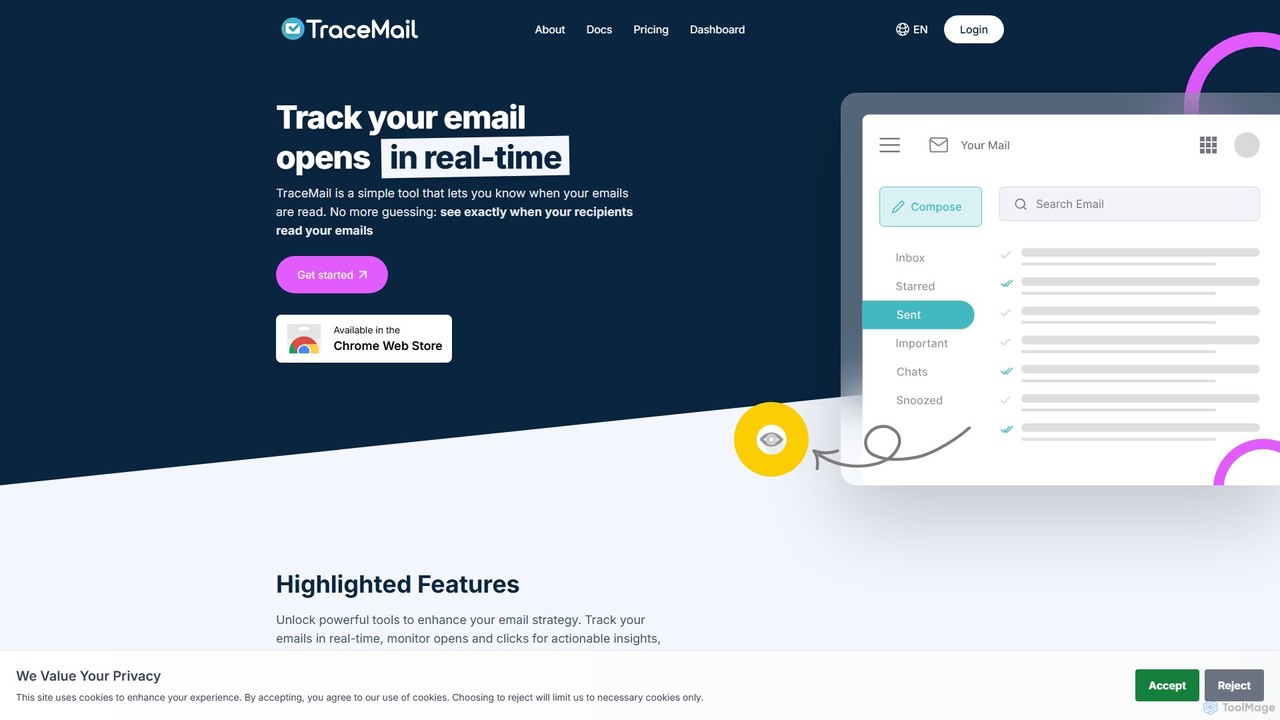
TraceMail is a powerful email tracking tool that provides real-time notifications for email opens and link clicks. It enhances communication with features like document tracking, detailed analytics, and an AI assistant. Ideal for sales, marketing, and professionals seeking to optimize their email outreach and engagement.

Email Marketing
Visits 8.1KFavorites 145Likes 155

About Lead Engagement

Lead Engagement AI tools are designed to automate and personalize interactions with potential customers, nurturing them through the sales funnel. These tools leverage artificial intelligence to understand lead behavior, preferences, and intent, enabling highly targeted and timely communication. By optimizing every touchpoint, they significantly enhance conversion rates and build stronger relationships, making the sales process more efficient and effective within the broader sales strategy.

Core Features

  • Personalized Messaging: AI crafts tailored emails, chat responses, and content recommendations based on individual lead data and behavior.
  • Intelligent Chatbots: Deploy AI-powered conversational agents to engage website visitors, answer queries, and qualify leads 24/7.
  • Automated Follow-up Sequences: Set up smart, multi-channel follow-up campaigns that adapt based on lead interactions and engagement levels.
  • Lead Behavior Analysis: AI analyzes lead activities across various platforms to identify engagement patterns and predict conversion likelihood.
  • Sentiment Analysis: Understand the emotional tone of lead communications to tailor responses and improve interaction quality.

Applicable Scenarios

Sales development teams use these tools to streamline initial outreach and qualification. Marketing departments leverage them for personalized lead nurturing campaigns and content distribution. Customer success teams can also use them for proactive engagement with trial users or new customers to improve onboarding and retention. B2B companies, in particular, find value in automating complex sales cycles.

How to Choose

When selecting a Lead Engagement AI tool, consider its integration capabilities with your existing CRM and marketing automation platforms. Evaluate the depth of personalization it offers, from dynamic content generation to adaptive communication flows. Assess its automation features, including multi-channel support and lead scoring accuracy. Finally, review its analytics and reporting features to measure engagement effectiveness and ROI.

Lead Engagement use cases

1

Automate Personalized Email Nurturing

Marketing and sales teams can use AI to automatically send highly personalized email sequences to leads. Based on a lead's website activity, downloaded content, or previous interactions, the AI selects the most relevant message and timing, ensuring each communication resonates individually and moves the lead closer to a conversion, saving significant manual effort.

2

Instant Lead Qualification via AI Chatbots

Businesses deploy AI chatbots on their websites or landing pages to engage visitors immediately. These chatbots can answer common questions, gather essential lead information, and qualify leads based on predefined criteria. This ensures that sales representatives only receive warm, pre-qualified leads, drastically reducing response times and improving sales efficiency around the clock.

3

Dynamic Content Recommendation for Leads

Sales representatives can leverage AI to recommend the most relevant content (e.g., case studies, whitepapers, product videos) to individual leads during their engagement journey. The AI analyzes the lead's industry, role, and expressed interests to suggest content that addresses their specific pain points, thereby increasing engagement and building trust more effectively.

4

Proactive Social Media Lead Engagement

Social media managers and sales teams can utilize AI tools to monitor social platforms for mentions, keywords, and discussions relevant to their products or services. The AI identifies potential leads and suggests personalized engagement strategies, allowing teams to proactively join conversations, offer assistance, and initiate direct outreach, turning social interactions into qualified leads.

5

Re-engaging Stalled or Inactive Leads

Sales teams often face challenges with leads that become unresponsive. AI Lead Engagement tools can analyze historical data to identify patterns in stalled leads and trigger highly targeted re-engagement campaigns. These campaigns might involve personalized offers, new content, or different communication channels, designed to reignite interest and bring leads back into the sales pipeline.

6

Automated Personalized Meeting Scheduling

Sales Development Representatives (SDRs) can use AI to automate the process of scheduling discovery calls or product demos. The AI interacts with leads via email or chat, understands their availability and preferences, and then intelligently suggests optimal meeting times. This personalization and automation reduce friction in the booking process, leading to higher attendance rates and faster progression.

Lead Engagement FAQ

What are AI Lead Engagement tools?

AI Lead Engagement tools are software solutions that use artificial intelligence to enhance and automate interactions with potential customers (leads). Their primary goal is to nurture leads through personalized communication, intelligent chatbots, and automated follow-up sequences, ultimately improving lead qualification and conversion rates within the sales process.

How do AI Lead Engagement tools differ from traditional CRM systems?

Traditional CRM systems primarily manage customer data, track interactions, and organize sales pipelines. AI Lead Engagement tools, while often integrating with CRMs, specifically focus on *automating and optimizing the interaction itself*. They use AI for personalization, real-time engagement, and predictive analytics to make each touchpoint more effective, rather than just recording it.

What are the key benefits of using AI for lead engagement?

The main benefits include increased personalization at scale, improved lead qualification accuracy, faster response times, and higher conversion rates. AI tools can process vast amounts of data to understand lead intent, automate repetitive tasks like follow-ups, and ensure consistent, relevant communication, freeing up sales teams to focus on high-value activities.

How can I choose the best AI Lead Engagement tool for my business?

To choose the best tool, first define your specific engagement goals (e.g., faster qualification, better nurturing). Look for robust AI capabilities in personalization and automation, seamless integration with your existing tech stack (CRM, marketing automation), and comprehensive analytics. Consider scalability for future growth and ensure the user interface is intuitive for your team.

Which types of businesses benefit most from AI Lead Engagement tools?

Businesses with high lead volumes, complex sales cycles, or those requiring extensive personalization benefit significantly. This includes B2B companies, SaaS providers, e-commerce businesses, and any organization focused on inbound marketing or sales development. They are particularly valuable for teams looking to scale their outreach without compromising on the quality of individual lead interactions.