ToolMage
Sign in

Best 3 Performance Management AI tools for Sales

Popular Performance Management AI tools in Sales include Observe.AI, Solidroad, and forecastio, helping you work more efficiently.

Observe.AI
Paid

Observe.AI

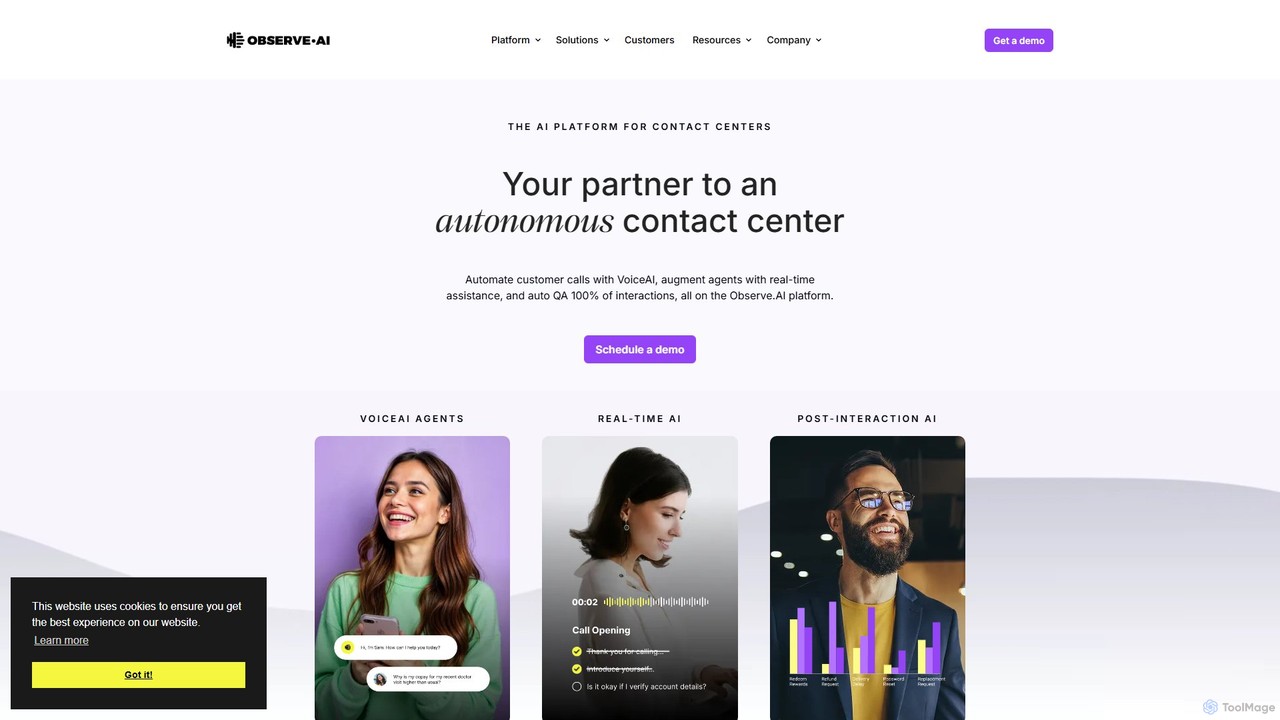
Observe.AI is a GenAI-powered conversation intelligence platform for contact centers. It automates customer interactions with VoiceAI, assists agents in real-time, and analyzes 100% of conversations for quality assurance, coaching, and business insights, helping businesses improve efficiency, compliance, and customer experience.

Voice Of Customer
Visits 96.3KFavorites 111Likes 118
Solidroad
Paid

Solidroad

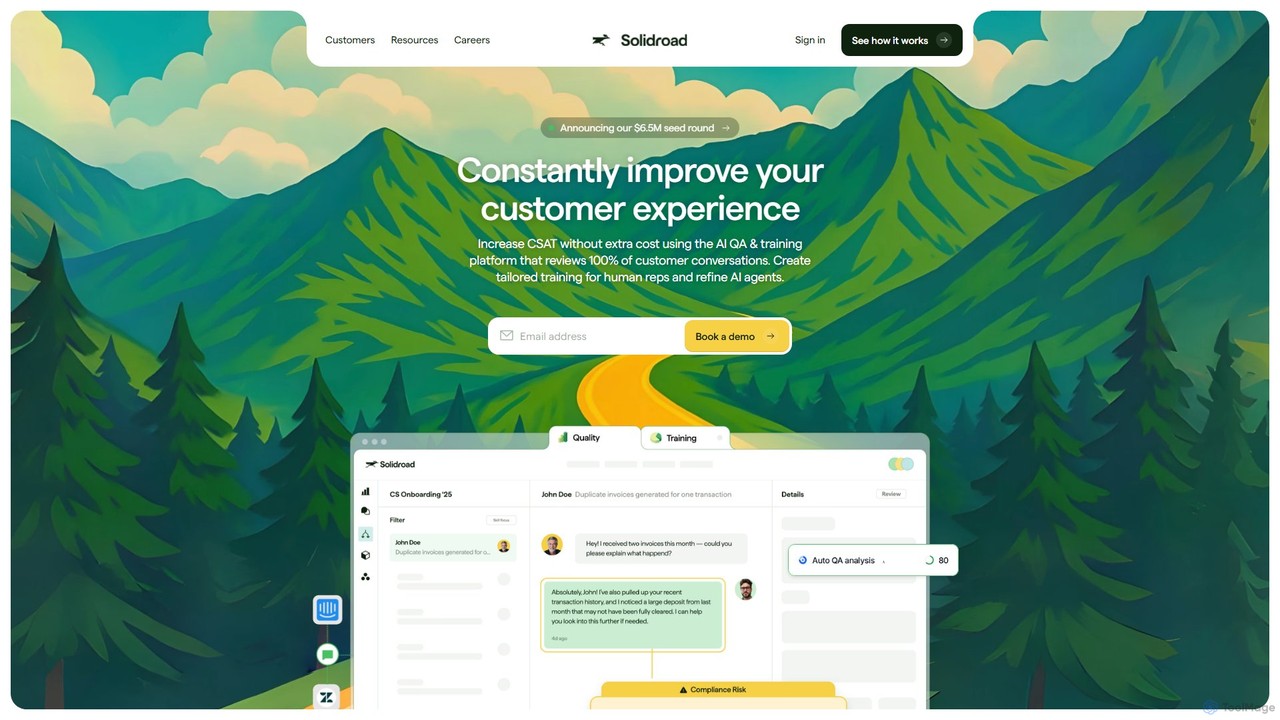
Solidroad is an AI-powered Quality Assurance (QA) and training platform for customer experience (CX) teams. It automatically reviews 100% of customer conversations to score interactions, provide targeted coaching for human agents, and identify refinement opportunities for AI bots, ultimately increasing CSAT without raising costs.

Chatbot
Visits 54.3KFavorites 108Likes 109
forecastio
Paid

forecastio

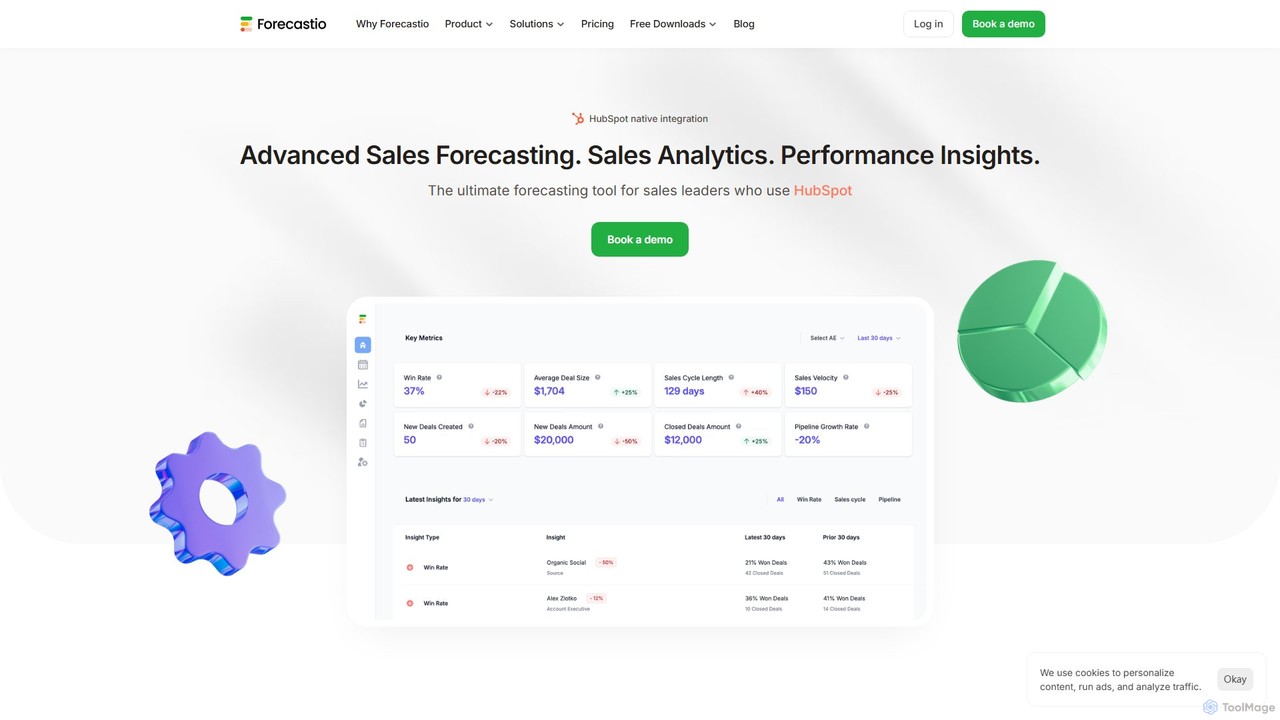
forecastio is an AI-powered sales performance management and forecasting platform designed for HubSpot users. It provides advanced sales forecasting with up to 95% accuracy, real-time performance dashboards, and actionable insights to help sales leaders improve quota attainment and win rates. The platform integrates natively with HubSpot for seamless data analysis and planning.

Analytics
Visits 24.8KFavorites 118Likes 129

About Performance Management

AI Performance Management tools are a specialized category of sales software that uses data analytics and machine learning to monitor, analyze, and improve the effectiveness of sales teams. These platforms integrate with CRMs to track key performance indicators (KPIs) in real-time, providing actionable insights beyond simple reporting. They help sales leaders identify performance trends, deliver targeted coaching, and make data-driven decisions to accelerate revenue growth. The core value lies in transforming raw sales data into a clear roadmap for individual and team improvement.

Core Features

  • Sales KPI Tracking: Monitors metrics like quota attainment, deal velocity, pipeline health, and activity levels in real-time.
  • AI-Powered Coaching: Analyzes sales calls and emails to provide objective feedback and highlight successful patterns for training.
  • Predictive Forecasting: Uses historical data and current pipeline activity to generate accurate sales forecasts for individuals and teams.
  • Performance Dashboards: Offers centralized, visual dashboards for managers to review team performance and identify coaching opportunities.
  • Quota & Incentive Management: Helps set, manage, and track sales quotas and compensation plans to motivate reps.

Use Cases

Primarily used by Sales Managers, Sales Operations (Sales Ops), and VPs of Sales. These tools are crucial for conducting data-driven performance reviews, onboarding new hires effectively, identifying at-risk deals based on rep behavior, and aligning team activities with strategic business goals.

How to Choose

When selecting a tool, prioritize its integration capabilities with your existing CRM (e.g., Salesforce, HubSpot). Evaluate the depth of its analytical and AI coaching features. Consider its scalability to support your team's size and growth, and assess the user-friendliness of its dashboards for both sales reps and managers.

Featured tool rankings

Performance Management use cases

1

Data-Driven Coaching for New Sales Reps

A sales manager for a SaaS company uses an AI performance tool to accelerate the ramp-up time for new hires. The tool automatically analyzes the first 50 calls of each new representative, flagging moments where they missed key discovery questions or failed to handle objections effectively. Instead of manually reviewing hours of recordings, the manager receives a daily digest with specific, time-stamped coaching moments. They use these insights to conduct highly targeted 1-on-1 sessions, reducing the time to first deal by an average of 25%.

2

Automating Quarterly Performance Reviews

A VP of Sales needs to conduct quarterly business reviews (QBRs) for a team of 50 reps. Manually compiling data from the CRM, spreadsheets, and call logs used to take days. By implementing an AI performance management platform, the entire process is automated. The system generates a comprehensive report for each rep, visualizing their quota attainment, pipeline conversion rates, and key activity metrics. The AI also highlights areas of improvement and top strengths, allowing the VP to have more strategic, forward-looking conversations instead of getting bogged down in data collection.

3

Identifying At-Risk Deals with Performance Signals

A sales operations analyst uses an AI performance tool to monitor pipeline health across the organization. The AI flags a high-value deal that, despite being in the final stage, shows a significant drop in communication activity from the sales rep over the past two weeks. This activity-based signal, invisible in a standard CRM report, prompts an immediate alert to the rep's manager. The manager intervenes, discovers the rep was struggling with a technical question from the client, and brings in a sales engineer to save the deal, preventing a potential loss of major revenue.

4

Optimizing Sales Quota and Territory Planning

A sales leadership team is planning for the next fiscal year and needs to set fair and achievable quotas. They use a performance management tool's predictive analytics module. By analyzing historical performance data, market potential, and seasonality for different territories, the AI recommends an optimized distribution of quotas. This data-driven approach replaces guesswork, leading to more motivated sales reps, a 15% increase in overall quota attainment, and reduced turnover among the sales team.

5

Pinpointing Winning Behaviors for Team-Wide Training

A sales enablement manager wants to build a training program based on what the top 5% of performers actually do. Using an AI performance tool, they analyze thousands of calls and emails from their top reps. The AI identifies common patterns, such as the specific phrasing they use to build rapport, the discovery questions that lead to larger deals, and how they handle pricing objections. These quantifiable insights are then used to create a 'Top Performer Playbook' that is rolled out to the entire sales team, standardizing excellence and lifting the performance of middle-tier reps.

6

Gamifying Sales Performance to Boost Motivation

To combat a mid-quarter slump, a sales manager uses the performance management platform to launch a sales contest. They set up real-time leaderboards tracking key activities like 'most demos booked' and 'fastest deal cycle'. The visual and competitive nature of the leaderboards, displayed on screens in the office, creates a fun and engaging environment. The platform automatically tracks progress and announces winners. This gamification approach results in a 30% increase in team-wide activity for the month and helps the team get back on track to hit their quarterly target.

Performance Management FAQ

What are AI Performance Management tools for sales?

AI Performance Management tools for sales are specialized software platforms that use artificial intelligence to analyze sales data and improve team effectiveness. Unlike traditional dashboards that only show past results, these tools provide predictive insights, identify winning behaviors by analyzing calls and emails, and offer personalized coaching recommendations for each sales representative. Their main goal is to help sales teams make smarter, data-driven decisions to increase revenue.

How do these tools differ from a standard CRM?

A CRM (Customer Relationship Management) system is primarily a database for storing customer information and tracking interactions. It answers the question, 'Who are our customers and what is our history with them?'. In contrast, an AI Performance Management tool is an analytical layer that sits on top of CRM data. It focuses on sales team effectiveness, answering the question, 'How well are we selling and how can we improve?'. While a CRM records sales activities, a performance management tool analyzes those activities to provide coaching, forecasting, and strategic insights.

What are the key features to look for in a Sales Performance Management tool?

When choosing a tool, look for these essential features:

  • Seamless CRM Integration: It must connect flawlessly with your existing CRM to pull accurate, real-time data.
  • AI-Powered Conversation Intelligence: The ability to analyze calls and emails to provide objective coaching insights is a core differentiator.
  • Customizable Dashboards: You should be able to create dashboards that track the specific KPIs that matter most to your business.
  • Predictive Forecasting: Look for tools that go beyond simple pipeline math to provide AI-driven forecasts of future performance.
  • Actionable Alerts: The system should proactively notify managers of potential issues, like at-risk deals or reps falling behind on activity.
Who benefits most from Sales Performance Management tools?

Multiple roles within a sales organization benefit significantly:

  • Sales Managers: They gain visibility into team performance, identify coaching opportunities at scale, and save time on manual reporting, allowing them to focus on strategic leadership.
  • Sales Reps: They receive objective, data-backed feedback to improve their skills, track their own progress against goals, and understand the behaviors of top performers.
  • Sales Operations (Sales Ops): They can more accurately forecast revenue, optimize territory and quota planning, and identify systemic issues in the sales process.
  • VPs of Sales: They get a high-level, real-time view of the entire sales organization's health, enabling better strategic decision-making.
Can AI really replace a human sales coach?

AI does not replace a human sales coach; it enhances their capabilities. AI excels at tasks that are difficult for humans to do at scale, such as analyzing thousands of hours of call recordings or detecting subtle patterns in data. It acts as a powerful assistant, automating data collection and providing objective insights. This frees up the human coach to focus on what they do best: building relationships, providing mentorship, and delivering nuanced, personalized guidance that requires emotional intelligence and experience. The most effective approach combines AI-driven insights with human-led coaching.