Sales Best in category 4 results Forecasting AI Tool

Popular AI tools in the Forecasting field of Sales include forecastio、Scoop Analytics、Odus、AIThriving, etc., helping you quickly improve efficiency.

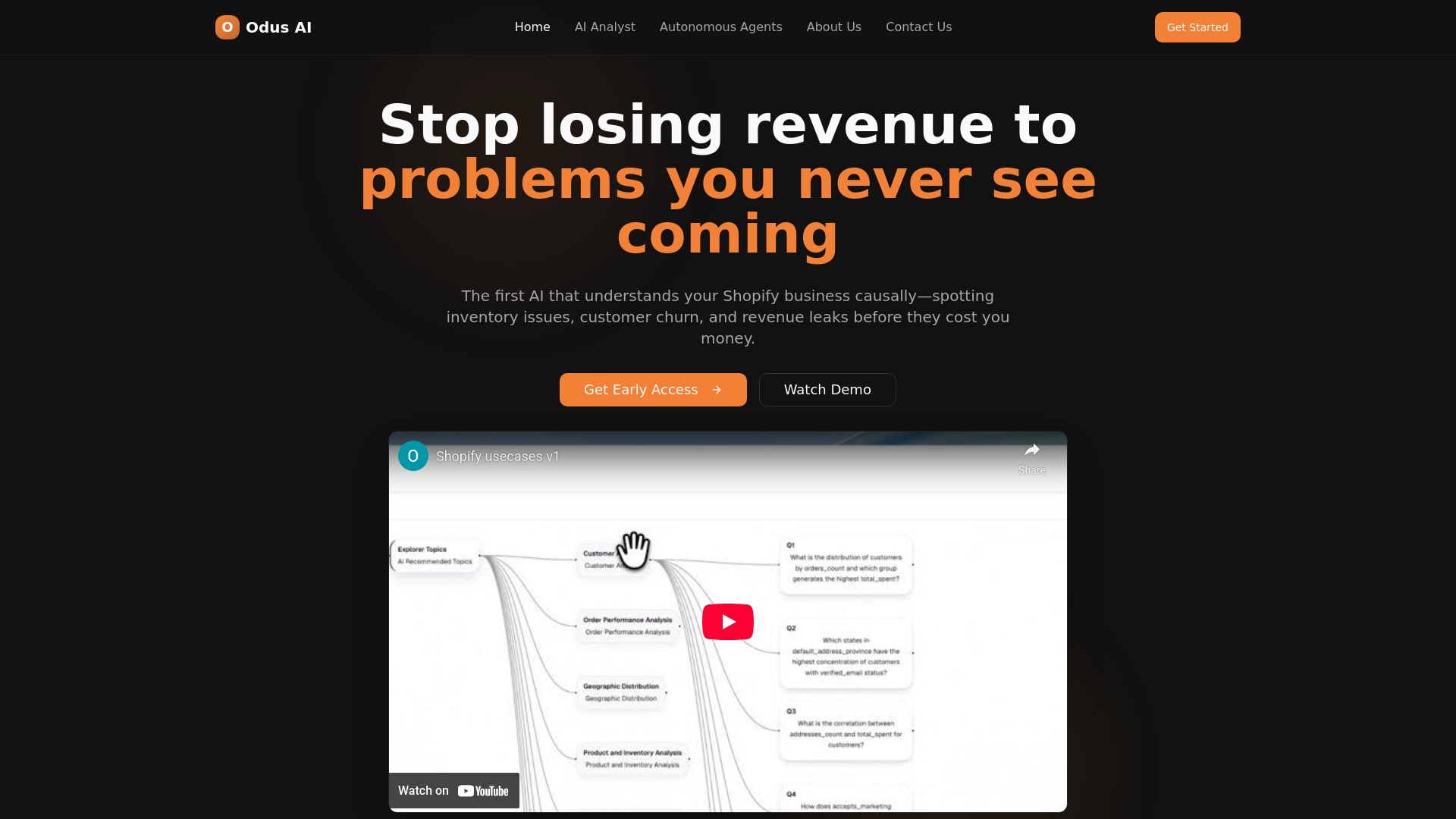
Odus

Odus

Odus is an advanced AI platform for Shopify merchants, offering an AI Analyst for instant, natural language insights …

2.4K
Scoop Analytics

Scoop Analytics

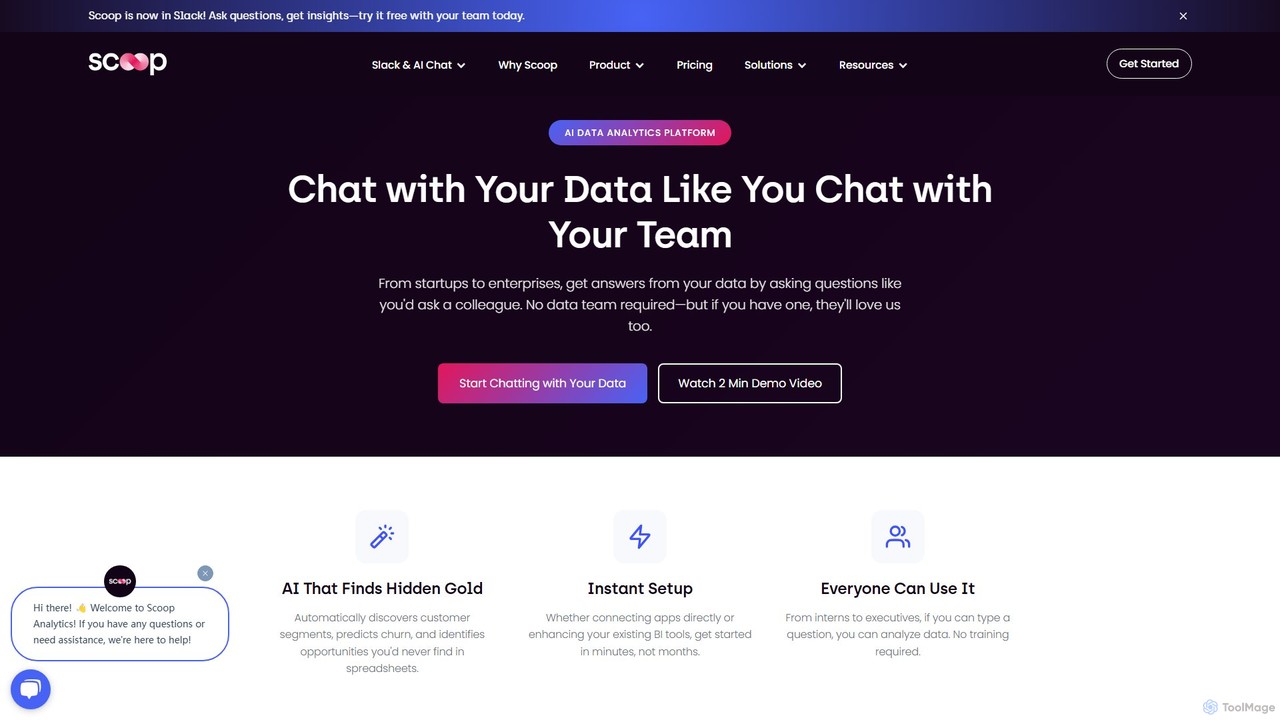
Scoop Analytics is an AI-powered data platform that acts as your team's data analyst. It allows non-technical users …

7.9K
forecastio

forecastio

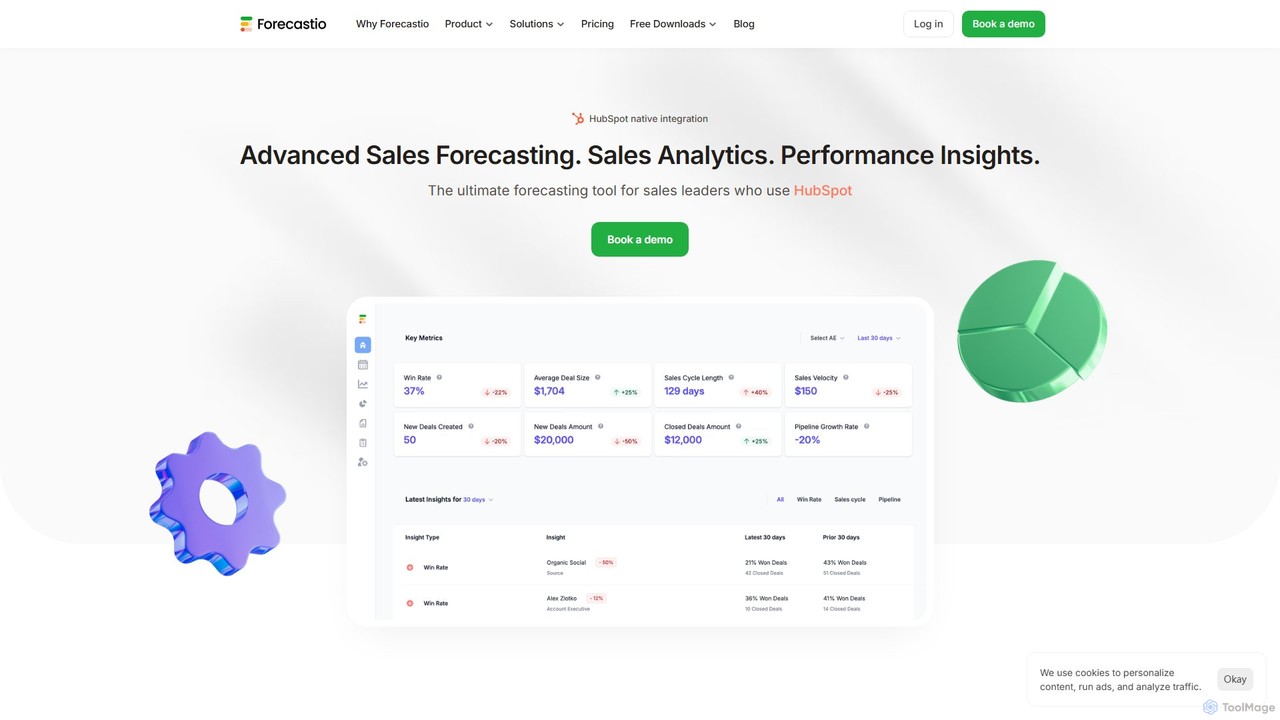
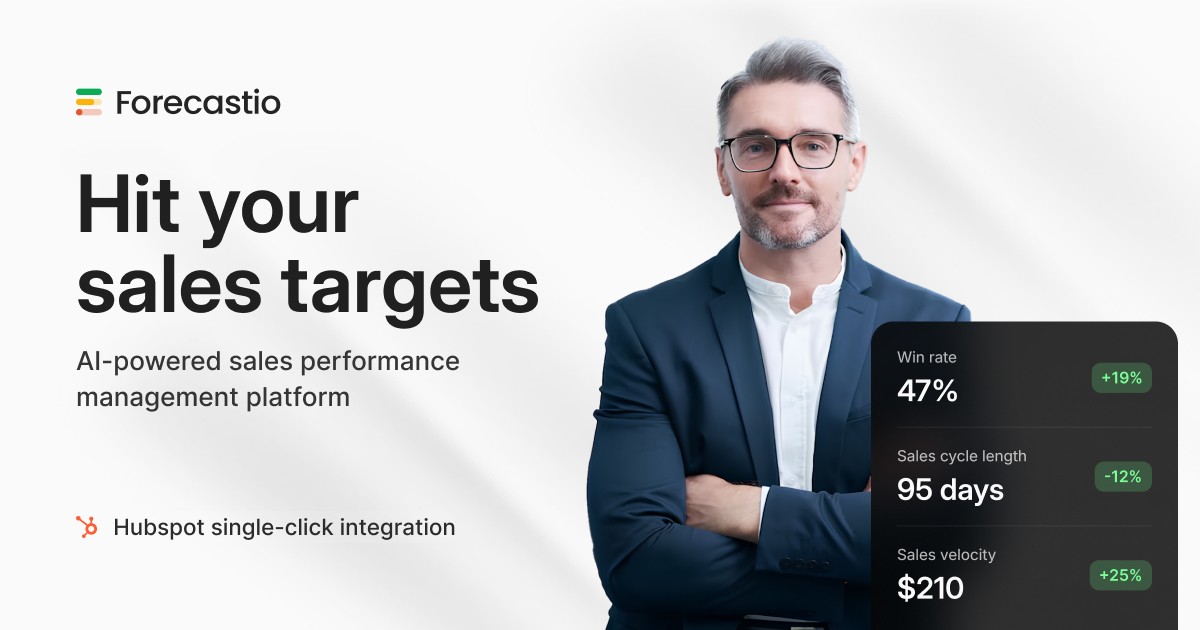
forecastio is an AI-powered sales performance management and forecasting platform designed for HubSpot users. It provides advanced sales …

22.1K
AIThriving

AIThriving

AIThriving is an AI-powered business intelligence and growth strategy platform. It helps businesses analyze market trends, monitor competitors, …

2.3K

About Forecasting

AI Forecasting tools are a specialized category of sales software designed to predict future sales revenue and performance with high accuracy. These tools leverage machine learning algorithms to analyze historical sales data, CRM activity, market trends, and seasonality. They provide sales teams with data-driven insights, moving beyond simple spreadsheet calculations to generate dynamic and reliable forecasts. This enables more strategic planning, resource allocation, and target setting within the sales organization.

Core Features

  • Predictive Revenue Modeling: Utilizes historical data and external factors to generate accurate future revenue projections.
  • Sales Pipeline Analysis: Assesses the health of the sales pipeline, identifying at-risk deals and opportunities for growth.
  • Quota & Target Planning: Helps set realistic and data-informed sales quotas for teams and individuals.
  • Trend & Seasonality Detection: Automatically identifies recurring patterns in sales cycles to improve forecast precision.
  • CRM Data Integration: Seamlessly connects with platforms like Salesforce or HubSpot to pull real-time sales activity data.

Use Cases

These tools are primarily used by sales leaders, financial planners, and operations managers in B2B and B2C companies. For instance, a VP of Sales can use AI forecasting to set quarterly targets for the board, while an operations manager can plan inventory levels based on predicted demand. They are crucial for any business that relies on predictable revenue streams for growth and planning.

How to Choose

When selecting an AI Forecasting tool, consider its integration capabilities with your existing CRM system. Evaluate the complexity of its models and whether it allows for customization based on your specific business drivers. Also, assess the user interface for ease of use by non-technical sales managers and the clarity of its data visualizations. Finally, compare pricing models, whether they are based on user seats, data volume, or feature tiers.

ForecastingUse Cases

1

Quarterly Revenue Forecasting for Executive Reporting

A VP of Sales at a SaaS company needs to present a reliable revenue forecast to the board of directors. Instead of manually compiling spreadsheets from various sales reps, they use an AI Forecasting tool connected to their CRM. The tool analyzes the current pipeline, historical win rates, deal velocity, and seasonality to generate a projection with a 95% confidence interval. This allows the VP to set realistic expectations, justify budget requests, and strategically guide the sales team's focus for the upcoming quarter.

2

Identifying At-Risk Deals in the Sales Pipeline

A sales manager notices that their team's pipeline looks healthy, but deals are stalling. They use an AI Forecasting tool to analyze deal engagement data from their CRM, such as email frequency, meeting cadence, and stakeholder involvement. The AI flags deals that show a significant drop in engagement compared to similar, successfully closed deals. This allows the manager to proactively intervene, provide coaching to the sales rep, and develop a strategy to re-engage the prospect before the deal is lost.

3

Optimizing Sales Territory and Quota Planning

A sales operations team is tasked with rebalancing sales territories for the new fiscal year. Using an AI Forecasting tool, they input historical performance data, market potential data (like industry growth and company density), and current rep capacity. The AI model recommends optimal territory alignments to ensure equitable opportunity distribution. It also suggests data-driven sales quotas for each territory, moving away from simple year-over-year increases and creating more achievable and motivating targets for the sales team.

4

Informing Inventory and Resource Management

An e-commerce company that sells physical goods uses an AI Forecasting tool to predict product demand for the upcoming holiday season. The tool analyzes past sales data, marketing campaign schedules, and external market trends. The resulting forecast provides the operations team with a highly accurate estimate of which products will be in high demand. This allows them to optimize inventory levels, preventing stockouts of popular items and avoiding overstocking of less popular ones, thereby maximizing revenue and minimizing storage costs.

5

Improving Financial Planning and Budgeting Accuracy

The finance department of a large enterprise collaborates with the sales team to create the annual budget. They use an AI Forecasting tool to generate multiple revenue scenarios (optimistic, pessimistic, and most likely) based on different market conditions and internal strategies. This provides a more robust foundation for financial planning than a single, static sales estimate. The finance team can then allocate budgets for marketing, hiring, and R&D with greater confidence, ensuring the company's spending is aligned with realistic revenue expectations.

6

Guiding Product Development with Sales Data

A product management team wants to understand which features drive the most revenue. They use an AI Forecasting tool that can correlate closed-won deals with specific product features mentioned in CRM notes or custom fields. The tool forecasts the potential revenue uplift from developing new features that are similar to historically successful ones. This data-driven insight helps the product team prioritize their roadmap, focusing development efforts on features that have the highest predicted impact on future sales.

ForecastingFrequently Asked Questions