ToolMage
Sign in

Best 126 Analytics AI tools for Productivity

Popular Analytics AI tools in Productivity include Semrush, New Relic, Site24x7, Mux, Profound, Delighted, VWO, OpenReplay, Dataiku, and goaura, helping you work more efficiently.

Pushwoosh
Freemium

Pushwoosh

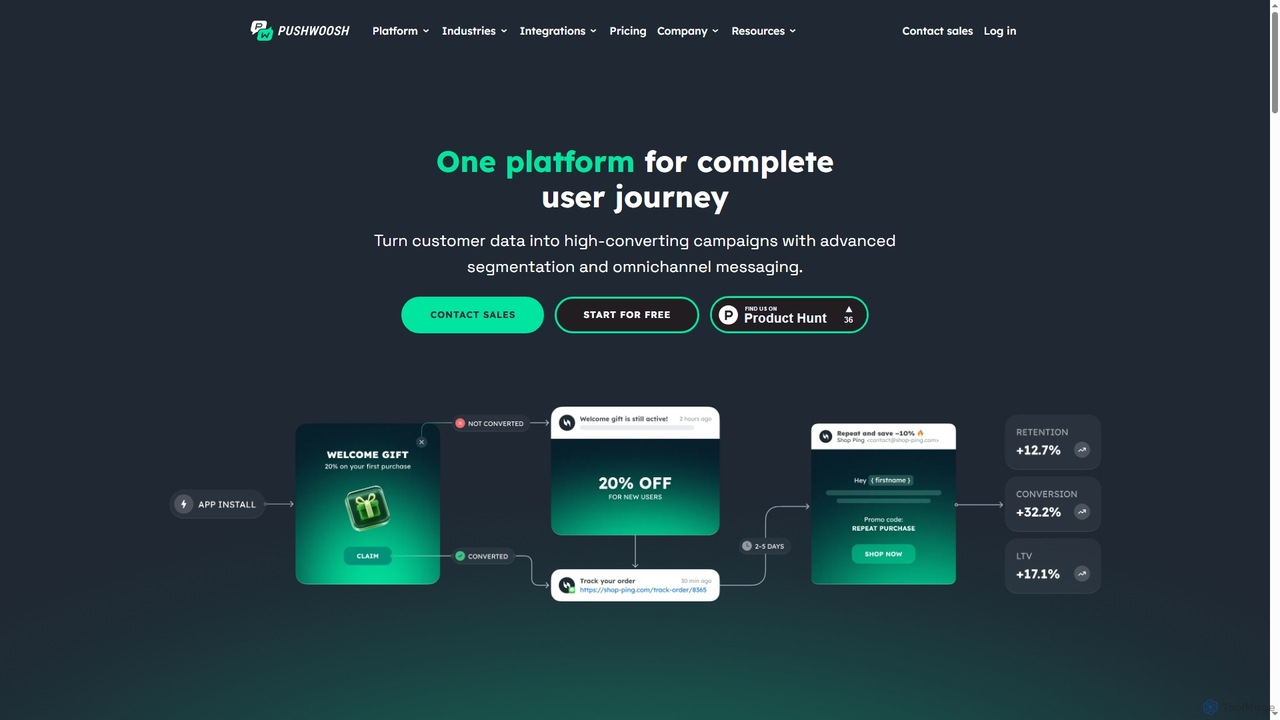
Pushwoosh is an omnichannel customer engagement platform designed to help businesses increase user retention and revenue. It facilitates personalized communication through push notifications, in-app messages, email, SMS, and WhatsApp, powered by advanced segmentation, automation, and analytics.

Customer Engagement
Visits 150.8KFavorites 105Likes 111
PageSignalPro
Freemium

PageSignalPro

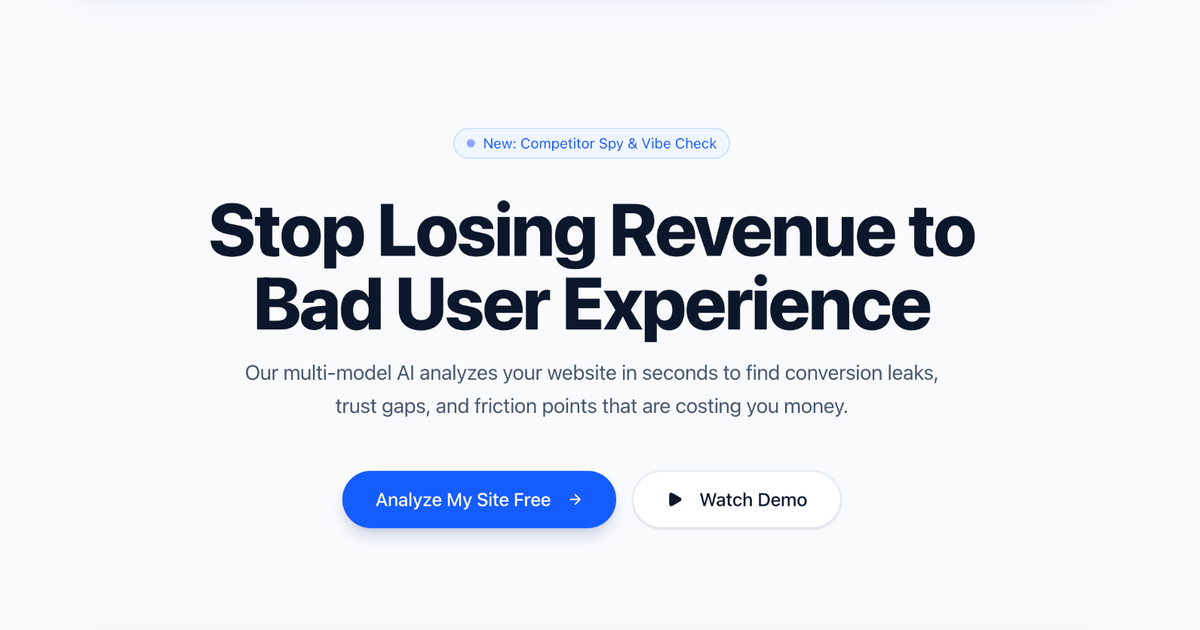
PageSignalPro is an AI-powered landing page optimizer that analyzes your website in seconds to identify conversion leaks, trust gaps, and user experience friction points. It quantifies potential revenue loss and provides actionable insights to improve performance.

Auditing
Visits 3.3KFavorites 97Likes 106
Userjam

Userjam

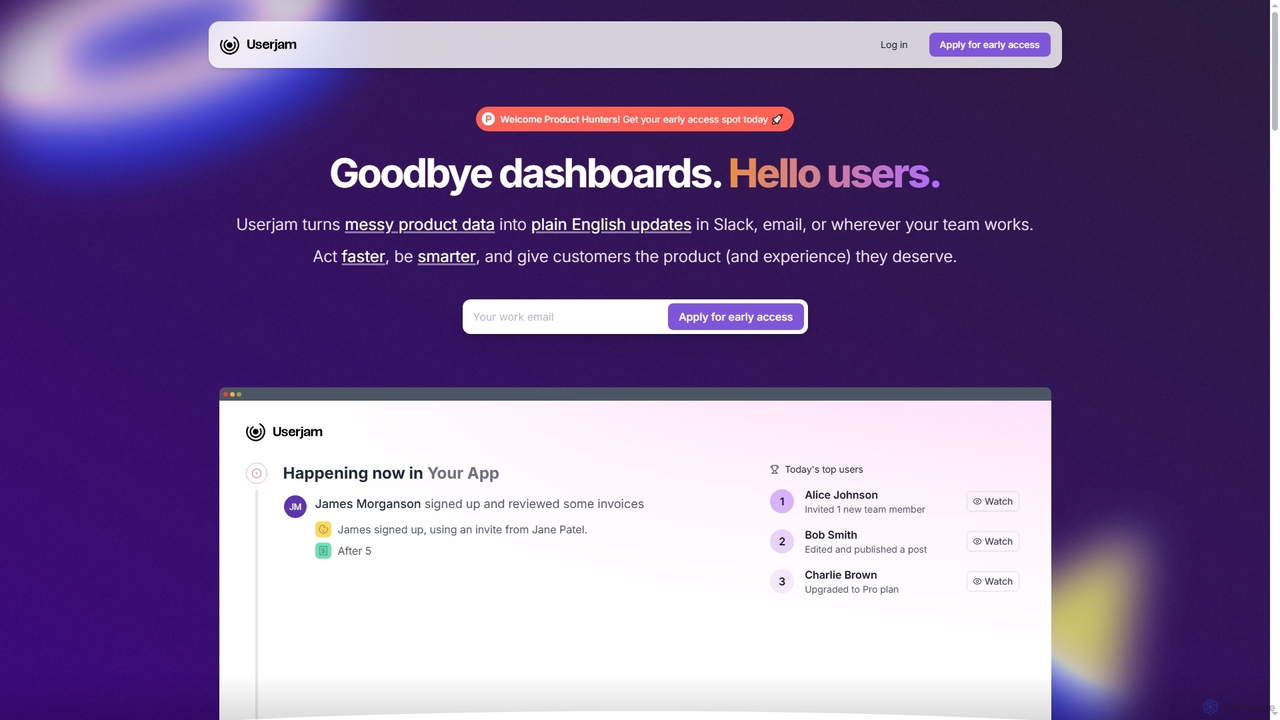
Userjam is an AI-powered tool that transforms complex product analytics data into simple, plain English updates. It delivers user activity insights directly to your team's workspace, such as Slack or email, eliminating the need for complex dashboards.

Customer Behavior
Visits 3.5KFavorites 119Likes 128
Cuchame
Paid

Cuchame

Cuchame is an AI-powered, real-time media monitoring tool for live streams. It enables users to track multiple concurrent broadcasts, set up custom alerts for specific keywords or topics, and receive intelligent insights. Ideal for brand monitoring, PR, and competitive analysis.

Brand Management
Visits 3.5KFavorites 149Likes 132
Screpy
Freemium

Screpy

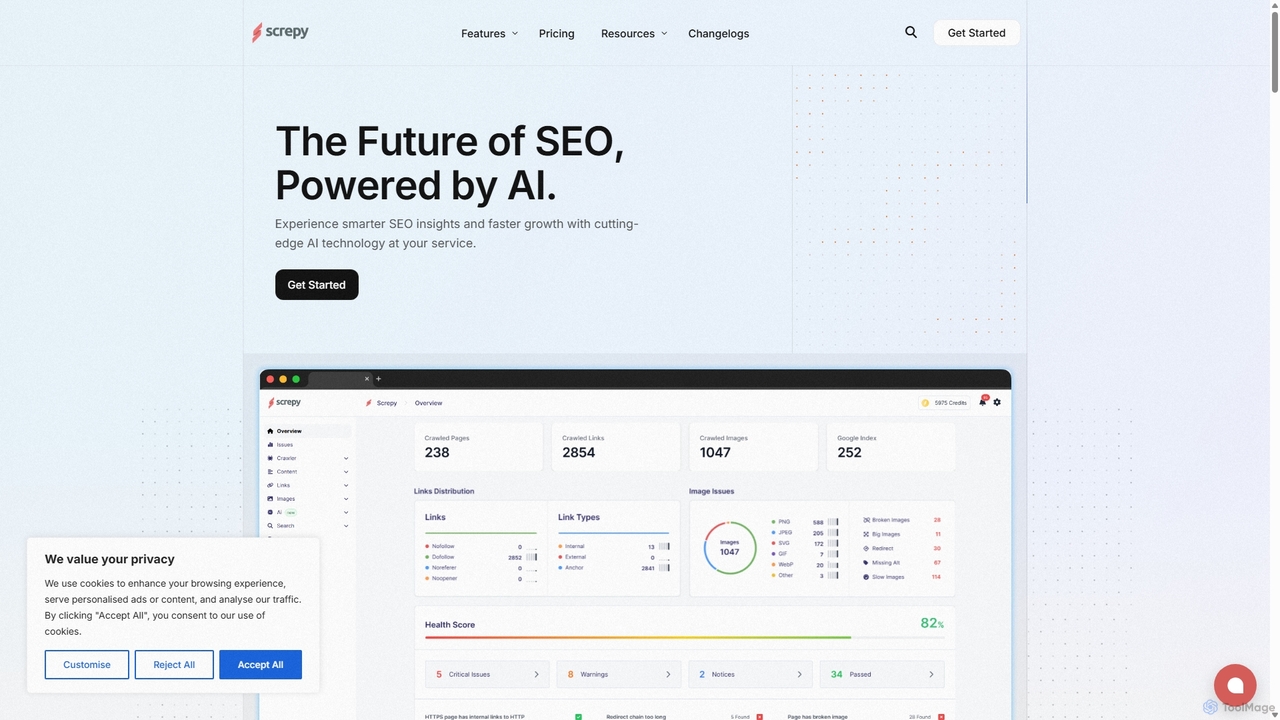
Screpy is an all-in-one, AI-powered SEO platform designed to help businesses optimize, monitor, and grow their websites. It combines essential tools like a keyword rank tracker, AI article generator, competitor analysis, uptime monitoring, and pagespeed insights into a single, user-friendly dashboard. Ideal for marketers, agencies, and business owners seeking data-driven insights for faster growth.

Website Monitoring
Visits 14.5KFavorites 114Likes 108
Heydai

Heydai

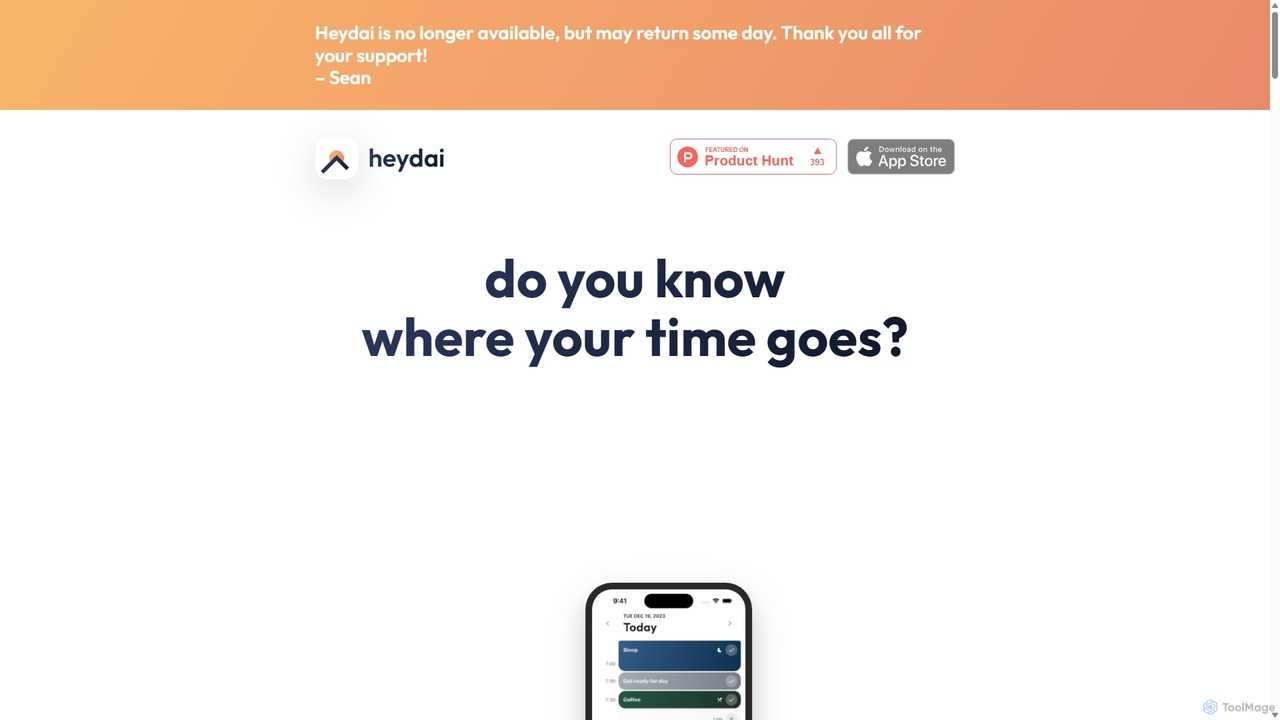
Heydai is an AI-powered daily planner and time tracker designed to help you understand where your time goes. It provides a visual timeline, in-depth analytics, and intelligent recommendations to align your daily activities with your long-term goals, boosting productivity and ensuring your time matches your priorities.

Analytics
Visits 3.4KFavorites 104Likes 93
RateMySite
Freemium

RateMySite

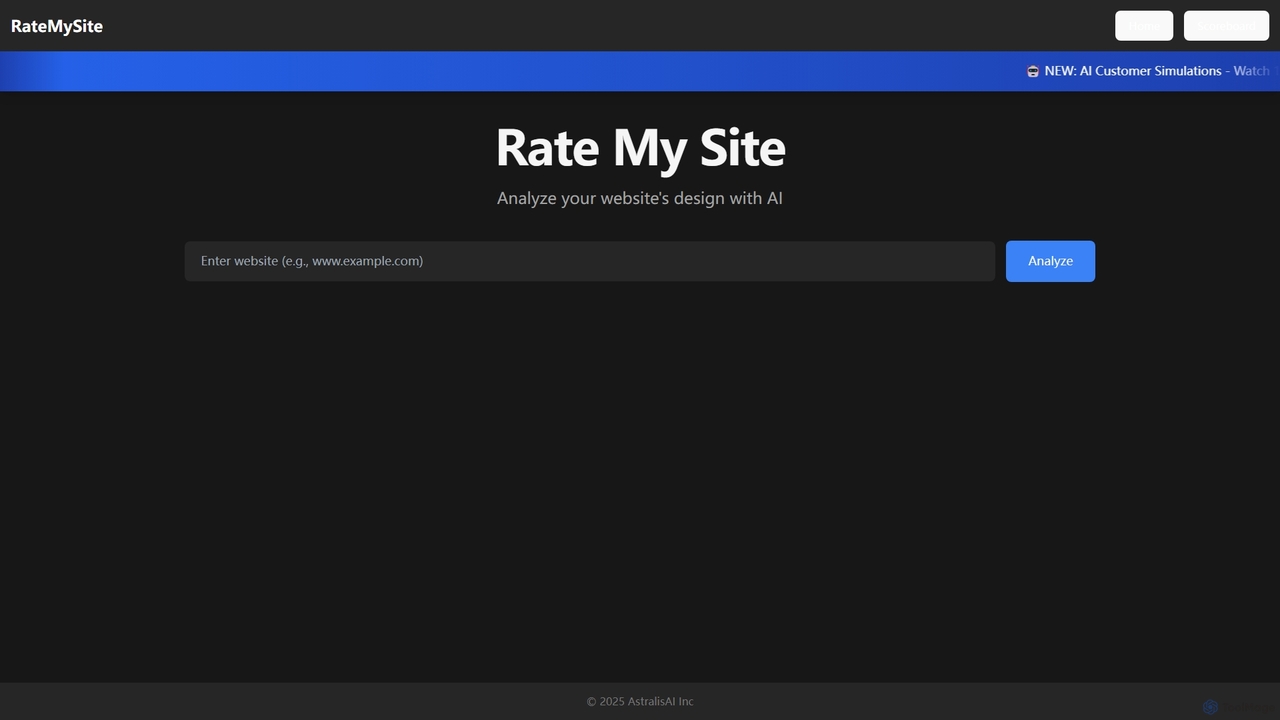
RateMySite is an AI-powered platform that analyzes your website's design and simulates thousands of target customer interactions in real-time. It helps you understand user behavior, identify conversion bottlenecks, and receive actionable feedback to improve your UI/UX and boost sales.

Ux & Ui Analysis
Visits 4.4KFavorites 133Likes 124
Etshop
Freemium

Etshop

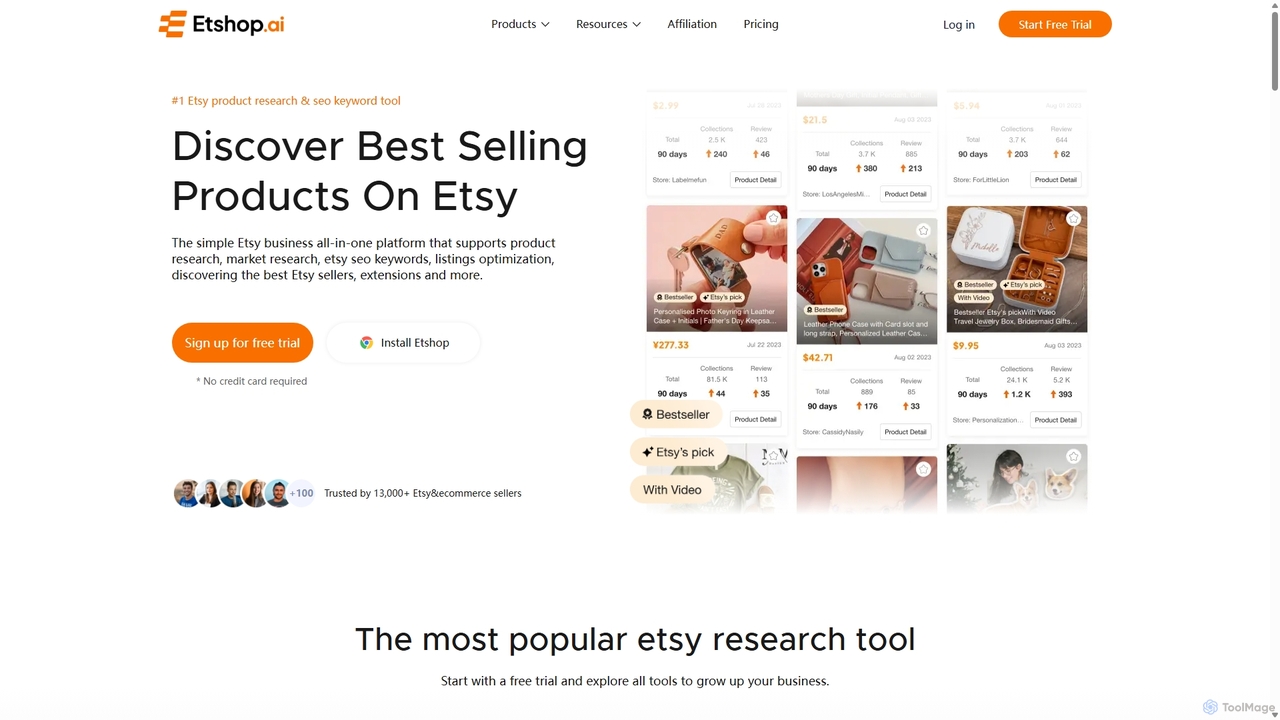
Etshop is an all-in-one AI-powered platform for Etsy sellers, providing comprehensive tools for product research, market analysis, store tracking, and SEO keyword optimization. It helps users discover best-selling products, analyze top competitors, and find low-competition keywords to effectively boost sales and grow their e-commerce business on Etsy and beyond.

Market Research
Visits 36.6KFavorites 90Likes 95
Context
Freemium

Context

Context is an AI-powered analytics platform designed to help product teams understand their users. It unifies qualitative feedback from various sources like support tickets, surveys, and reviews, using AI to automatically surface actionable insights, track trends, and inform product decisions.

Data Analysis
Visits 3.5KFavorites 123Likes 110
Watchman AI
Paid

Watchman AI

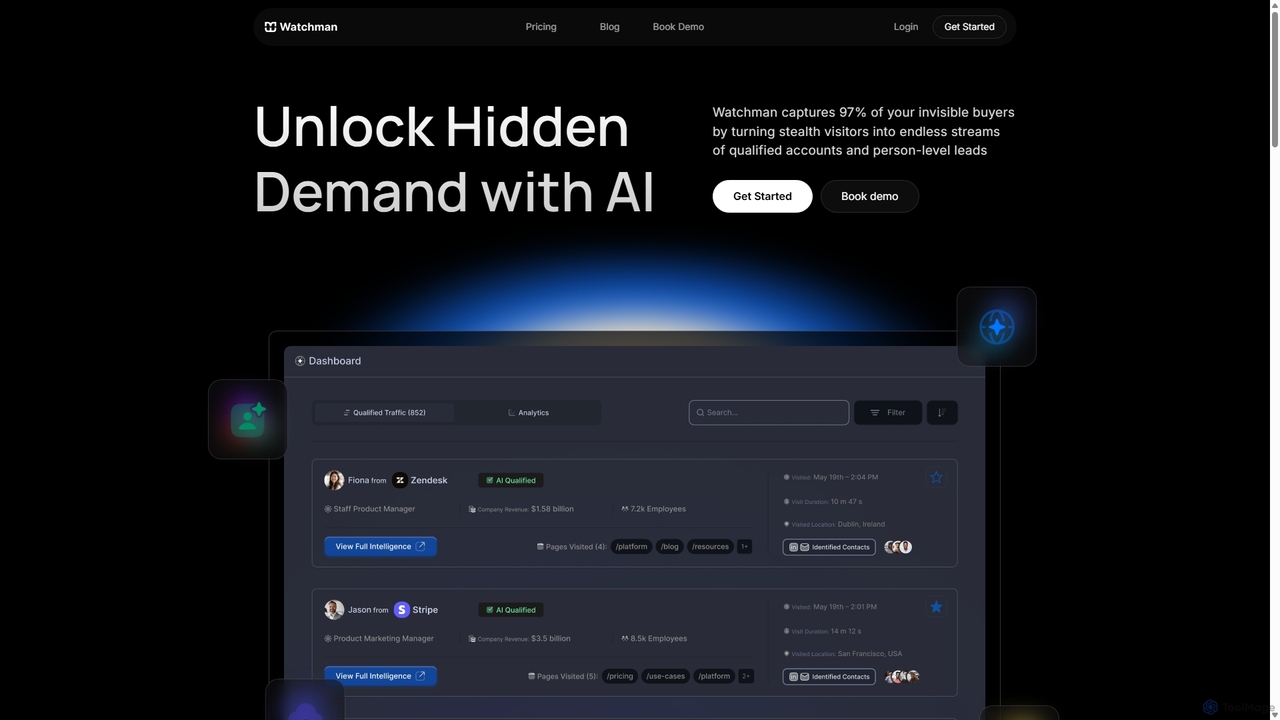
Watchman AI is a B2B intelligence platform that uses AI agents to identify and de-anonymize website visitors. It transforms hidden traffic into a qualified sales pipeline by capturing invisible buyers, enriching leads with contact data, and providing actionable intent signals. This tool is designed for GTM, sales, and marketing teams to discover high-intent prospects early and accelerate revenue growth.

Account Based Marketing
Visits 3.5KFavorites 125Likes 113
Finance Stuff
Freemium

Finance Stuff

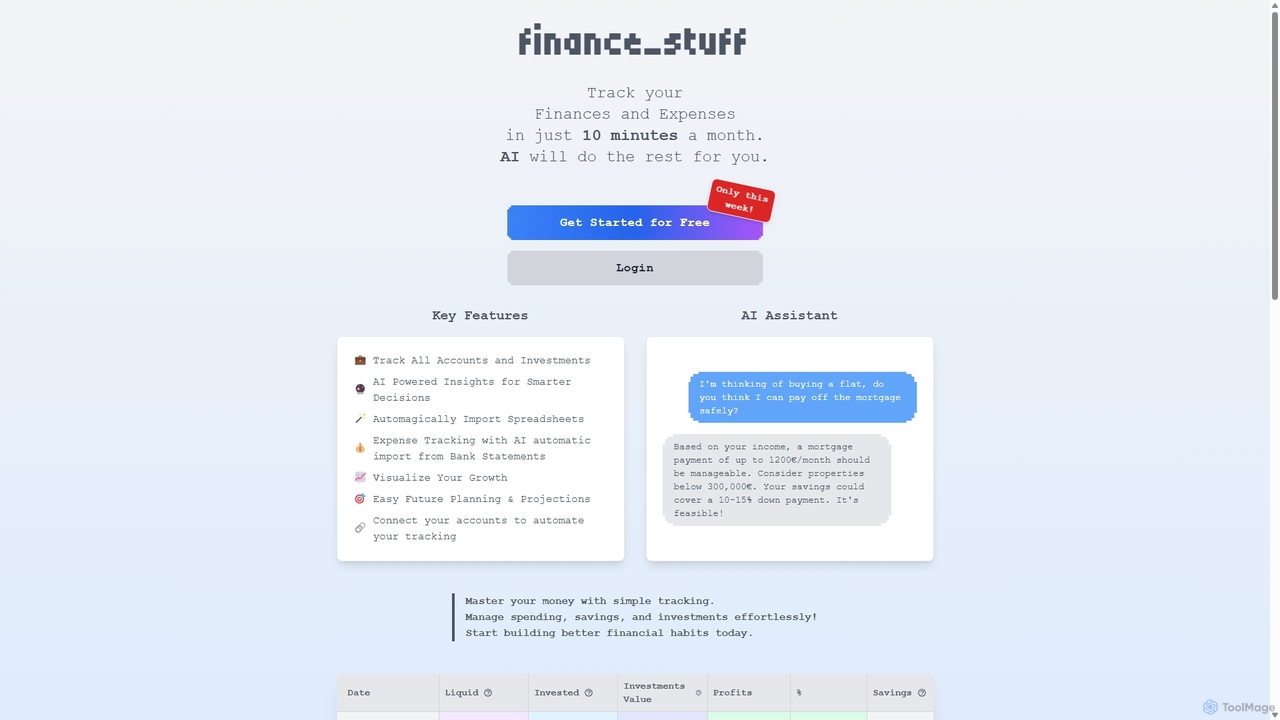
finance_stuff is an AI-powered personal finance tracker designed to simplify money management. It automatically tracks all your accounts, investments, and expenses, providing intelligent insights and future projections to help you make smarter financial decisions and build better habits.

Expense Tracking
Visits 3.4KFavorites 106Likes 121
UserWatch
Paid

UserWatch

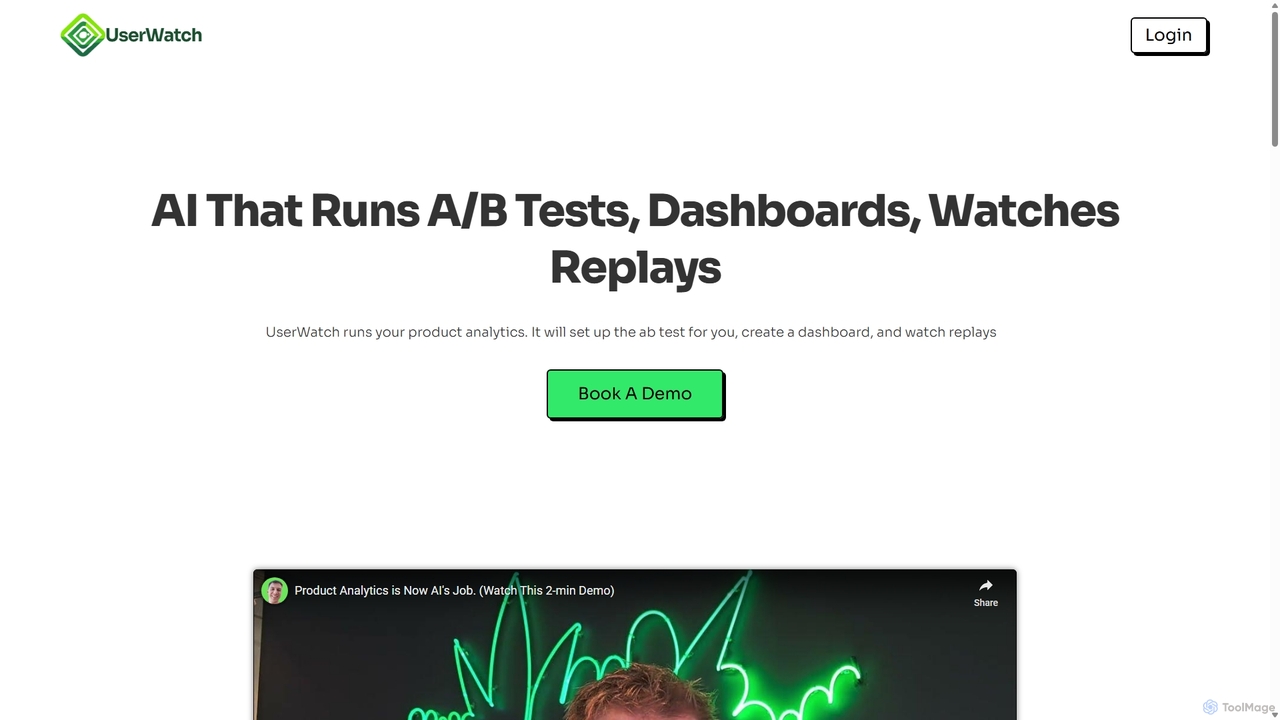
UserWatch is an AI-powered product analyst that automates complex analytics tasks. It runs A/B tests, creates dashboards, and analyzes session replays using simple prompts. This tool helps product teams identify user friction, get actionable UX insights, and directly link improvements to revenue impact, saving hours of manual work.

User Behavior
Visits 3.4KFavorites 114Likes 103
Rithmm
Freemium

Rithmm

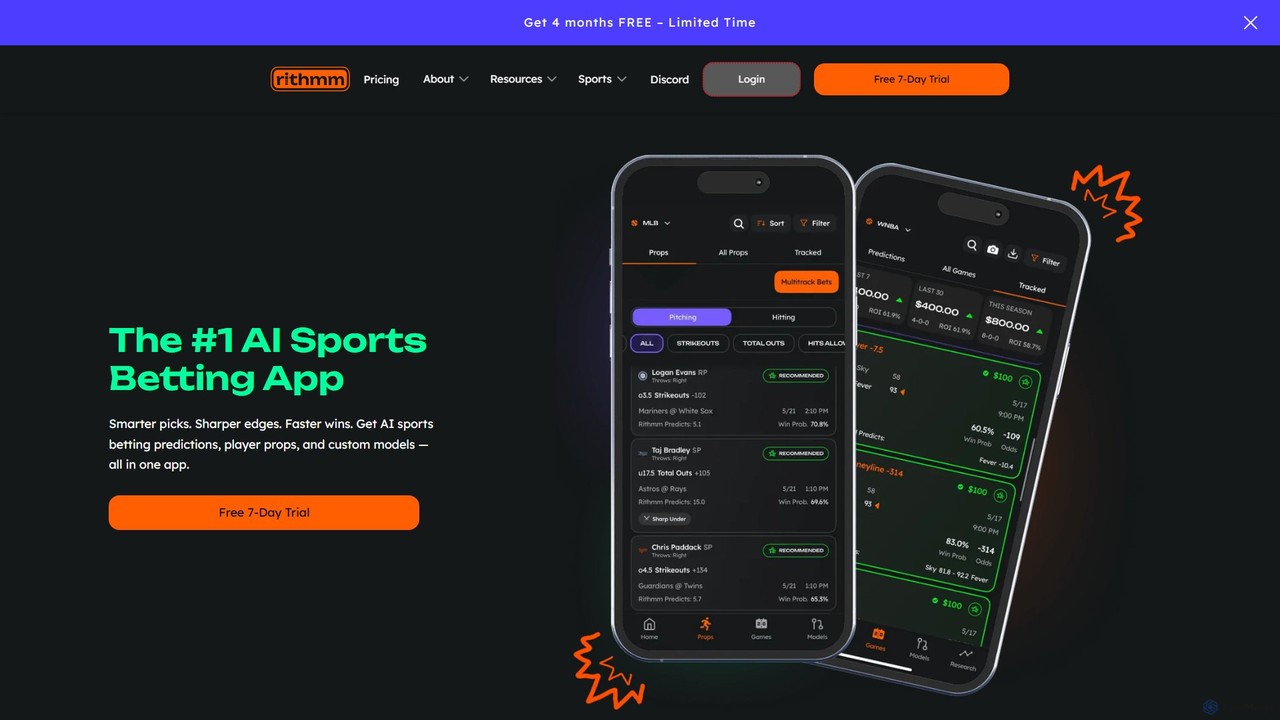
Rithmm is an AI-powered sports analytics app that empowers users to create and customize their own predictive models. It merges vast real-time data with your intuition to provide smarter betting insights and player prop predictions for sports like the NFL, NBA, and more, helping you make more informed decisions.

Predictive Modeling
Visits 112.7KFavorites 116Likes 117
Xylo
Paid

Xylo

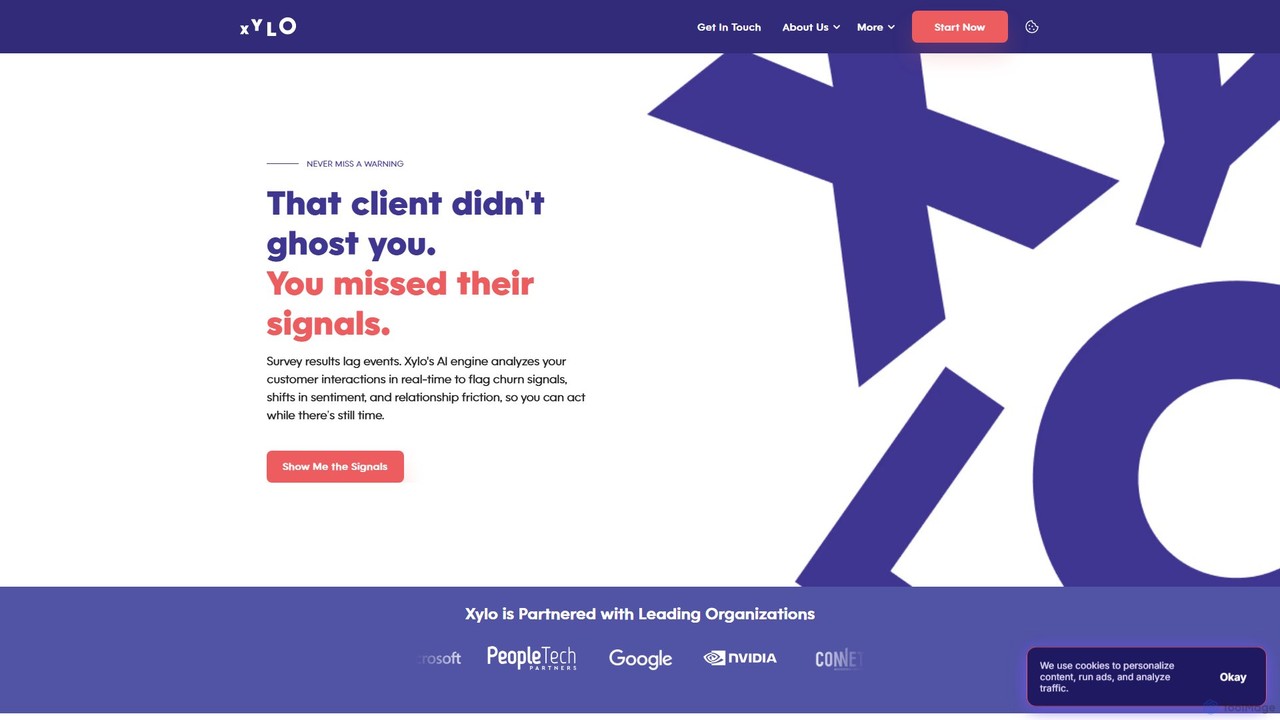
Xylo is a real-time customer intelligence platform that uses behavioral AI to analyze customer communications. It helps B2B teams proactively detect churn risks, understand customer sentiment, and improve retention by surfacing critical insights from emails and meetings without relying on surveys.

Customer Intelligence
Visits 7.6KFavorites 122Likes 104
prime_link
Freemium

prime_link

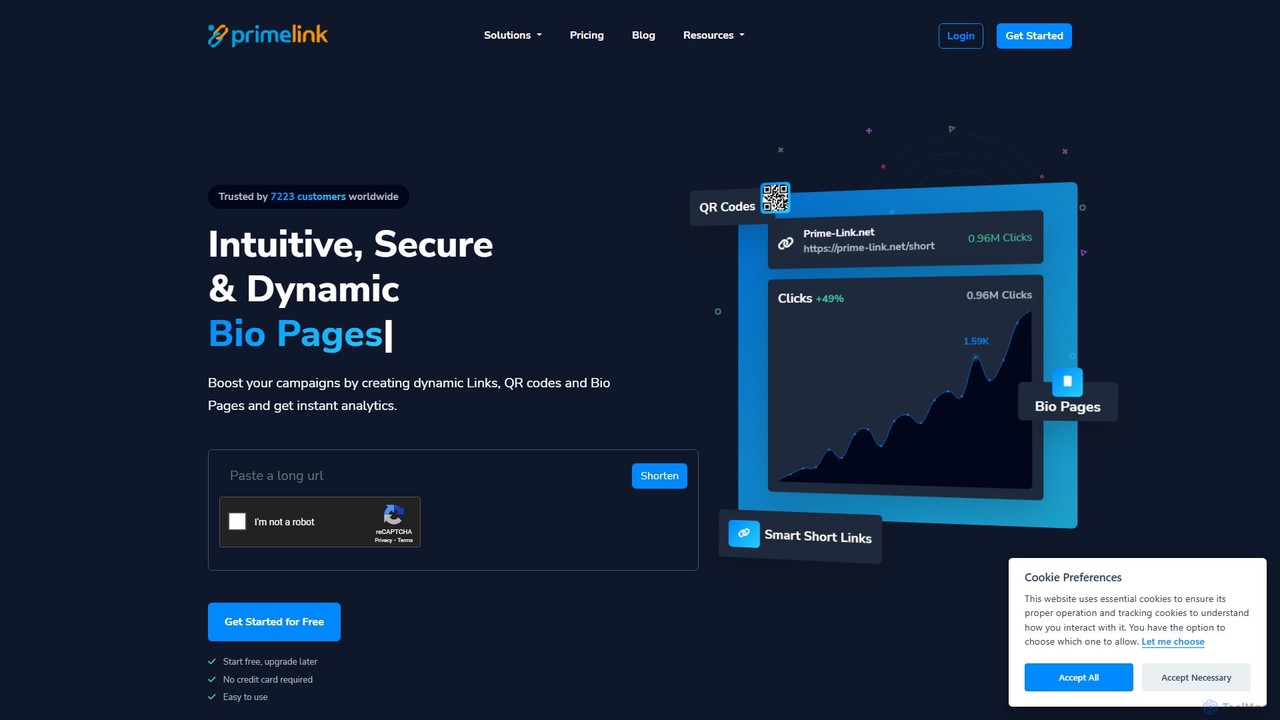
Prime-Link is an all-in-one link management platform for shortening URLs, creating dynamic bio pages, generating custom QR codes, and tracking campaign performance with advanced analytics, targeting, and team collaboration features.

Link In Bio
Visits 3.6KFavorites 129Likes 118
RealEye
Freemium

RealEye

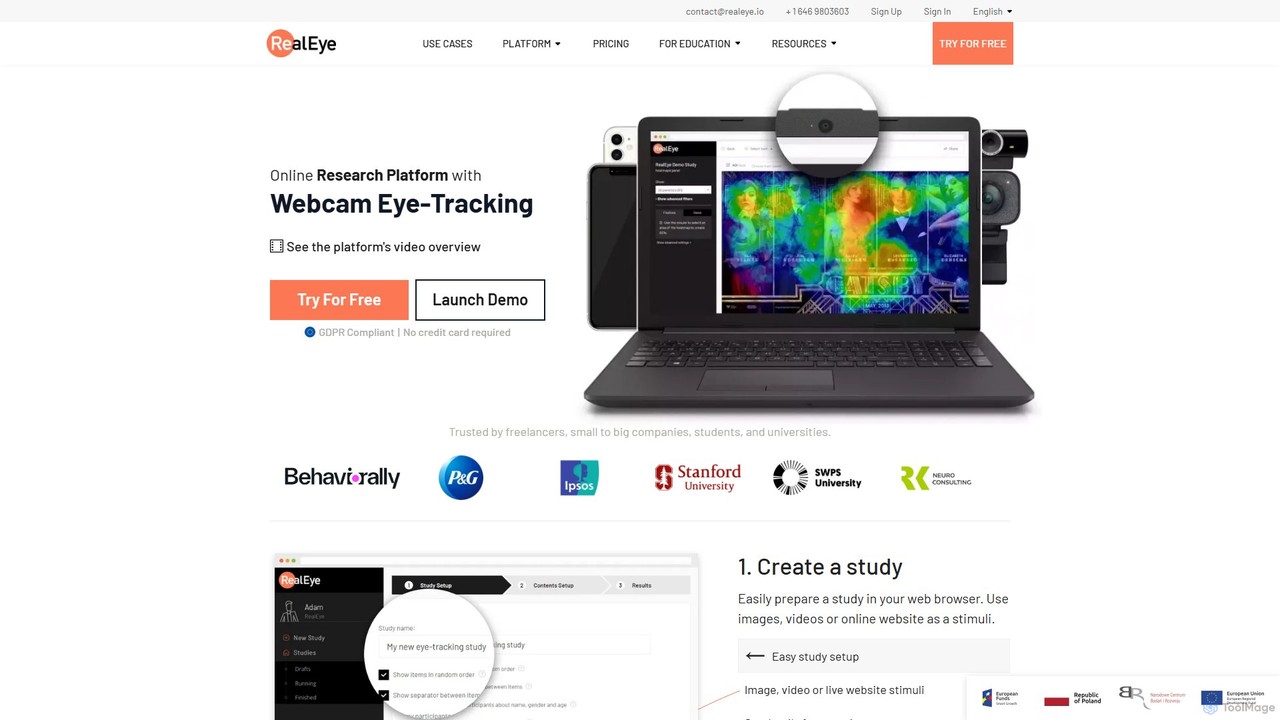
RealEye is an AI-powered online research platform that uses standard webcams for eye-tracking and facial coding. It enables researchers, marketers, and designers to conduct user studies remotely, generating heatmaps, gaze plots, and emotional analysis to understand user attention and behavior on websites, images, and videos without needing expensive hardware.

Ux
Visits 105.5KFavorites 109Likes 112
honkist
Freemium

honkist

Honkist is an AI-powered brand monitoring and social listening platform. It helps businesses track mentions of their brand, competitors, and industry keywords across the web and social media in real-time, providing actionable insights through sentiment analysis and comprehensive analytics.

Reputation Management
Visits 3.5KFavorites 107Likes 110
Promptmonitor
Freemium

Promptmonitor

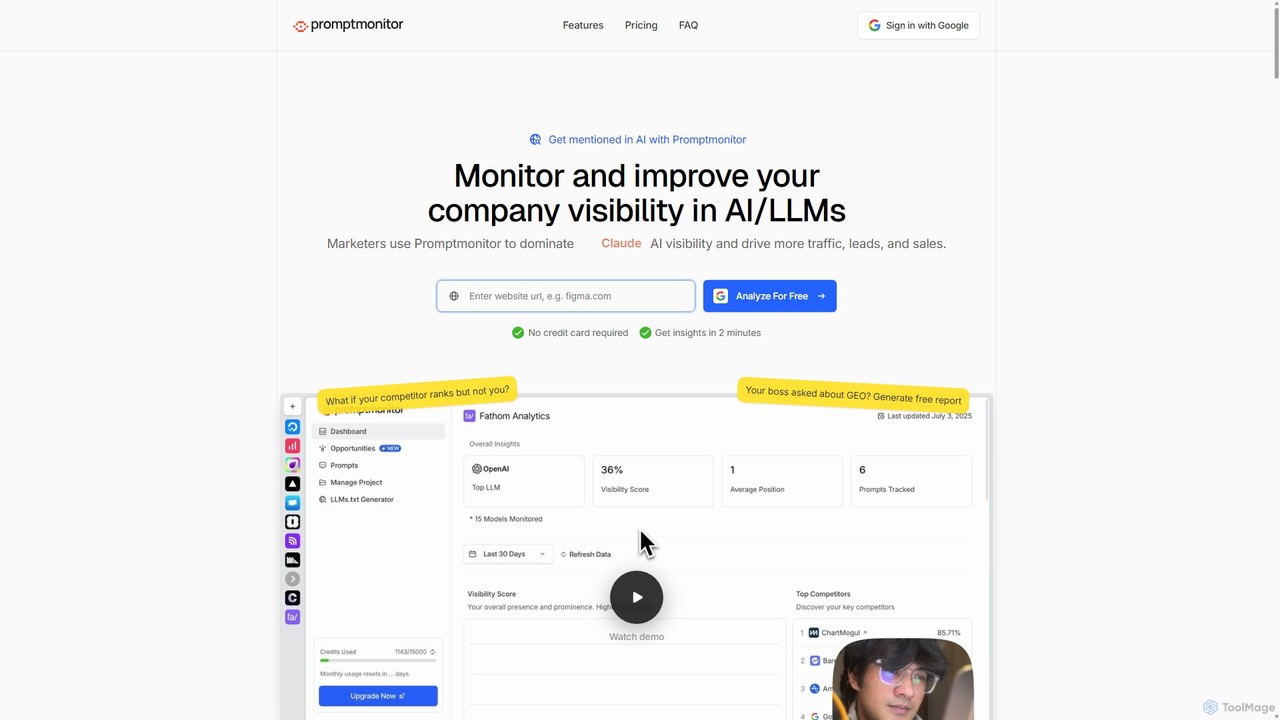
Promptmonitor is a Generative Engine Optimization (GEO) tool designed for marketers and businesses to track and improve their brand visibility within AI/LLM responses. It analyzes how often your brand is mentioned in platforms like ChatGPT, Claude, and Gemini, providing actionable insights to increase traffic, leads, and sales from AI-driven conversations.

Market Research
Visits 6.6KFavorites 136Likes 127
Review Bomb Me
Freemium

Review Bomb Me

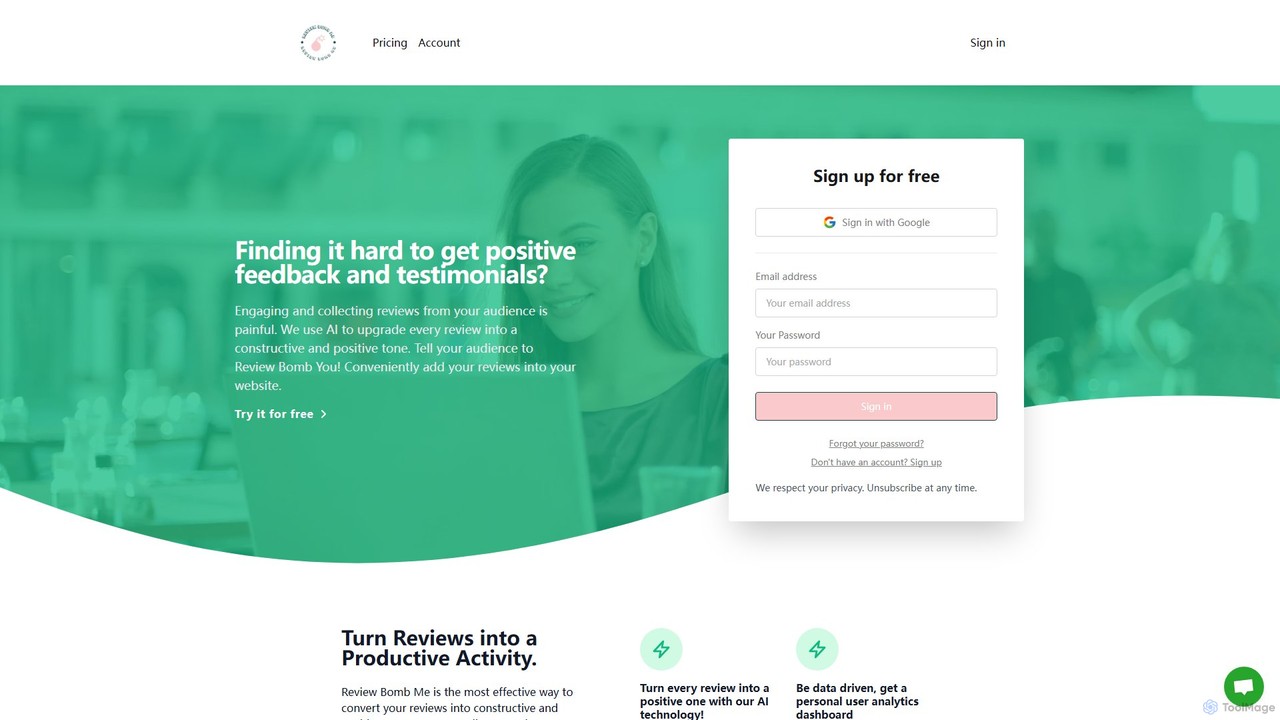
An AI-powered tool that transforms all customer reviews, including negative ones, into constructive and positive feedback. It helps businesses and creators gather actionable insights for improvement while filtering out toxicity and reducing emotional strain.

Feedback Management
Visits 3.4KFavorites 127Likes 130
Site24x7
Freemium

Site24x7

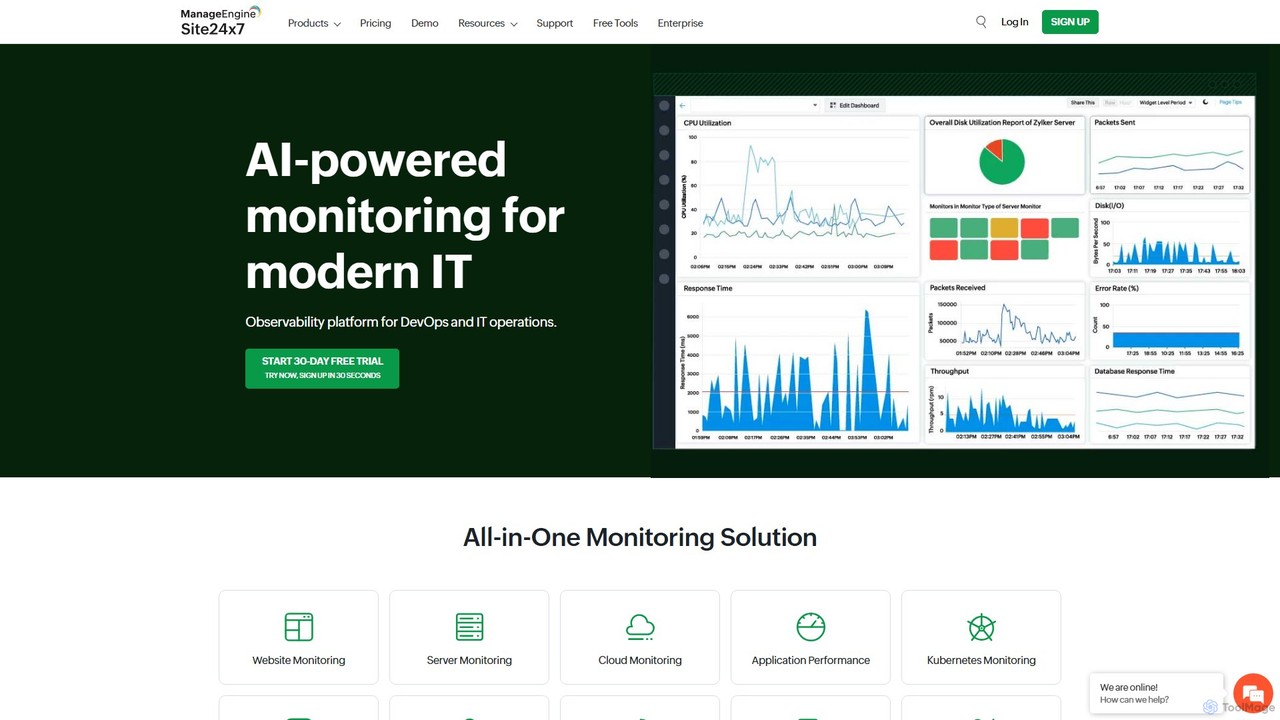
Site24x7 is an AI-powered, all-in-one observability platform for DevOps and IT operations. It provides comprehensive monitoring for websites, servers, cloud infrastructure (AWS, Azure, GCP), networks, and applications from a single console. It helps ensure uptime, troubleshoot performance issues, and optimize user experience.

Observability
Visits 1MFavorites 94Likes 78
Octolens
Freemium

Octolens

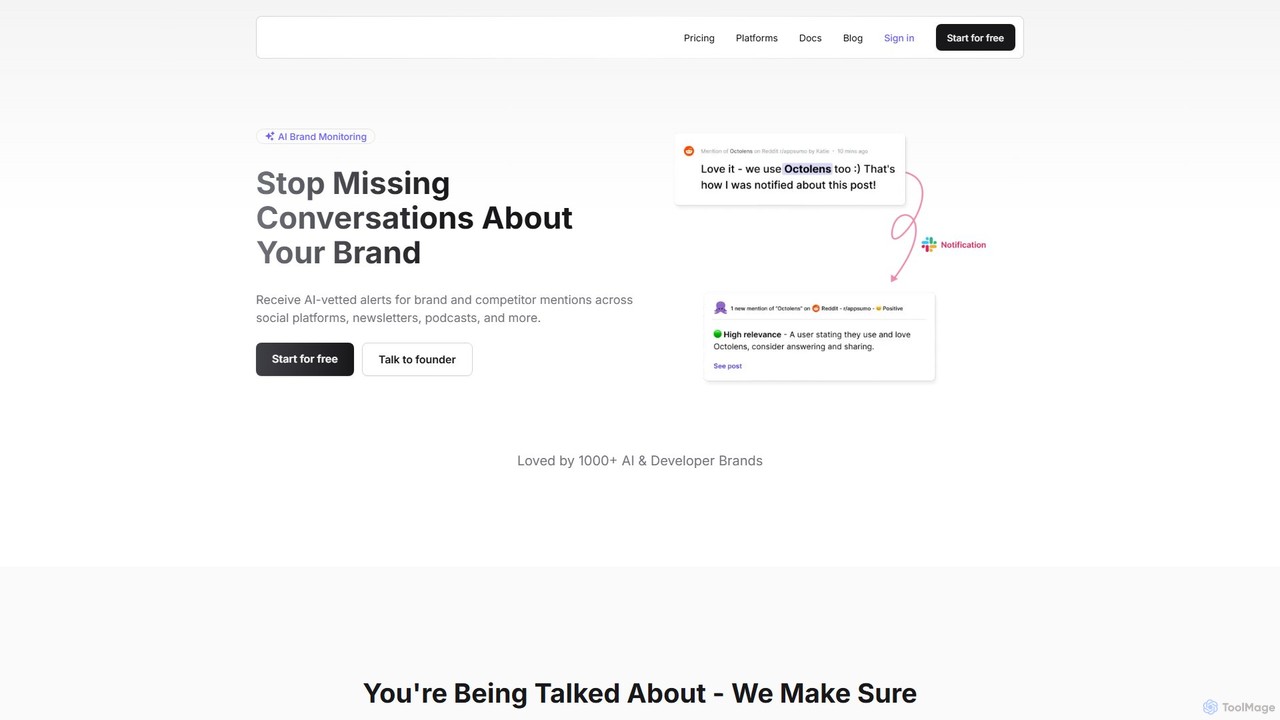
Octolens is an AI-powered brand monitoring tool designed for B2B SaaS and developer-focused companies. It automatically scans social platforms, newsletters, podcasts, and developer communities like GitHub and Hacker News for brand and competitor mentions. Its AI filters out irrelevant noise, delivering only high-impact conversations directly to your Slack, email, or webhooks, helping you manage reputation, gather feedback, and identify growth opportunities.

Brand Management
Visits 29.9KFavorites 125Likes 121
AI Endurance
Freemium

AI Endurance

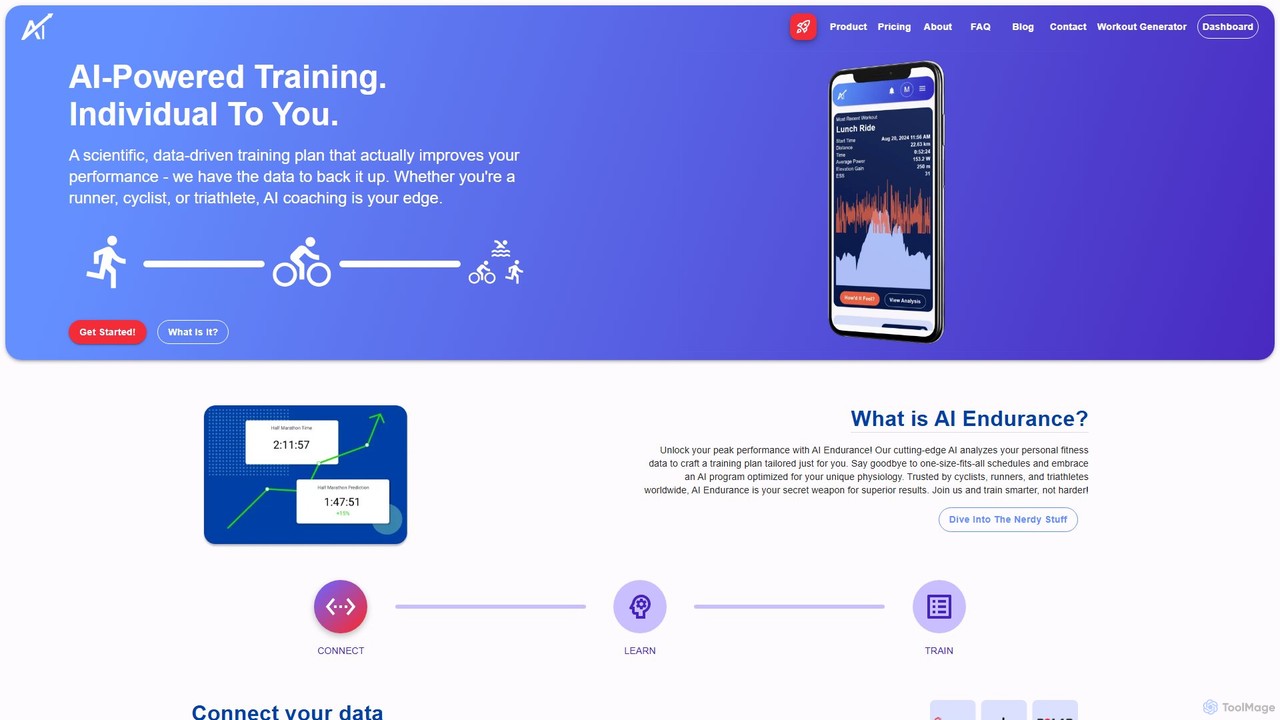
AI Endurance is an AI-powered coach for runners, cyclists, and triathletes. It analyzes your personal fitness data, including advanced metrics like HRV and DFA alpha 1, to create fully personalized and adaptive training plans. Train smarter and achieve peak performance with a plan that evolves with you, all at a fraction of the cost of a traditional coach.

Personal Training
Visits 25.6KFavorites 96Likes 100
LaunchGun
Paid

LaunchGun

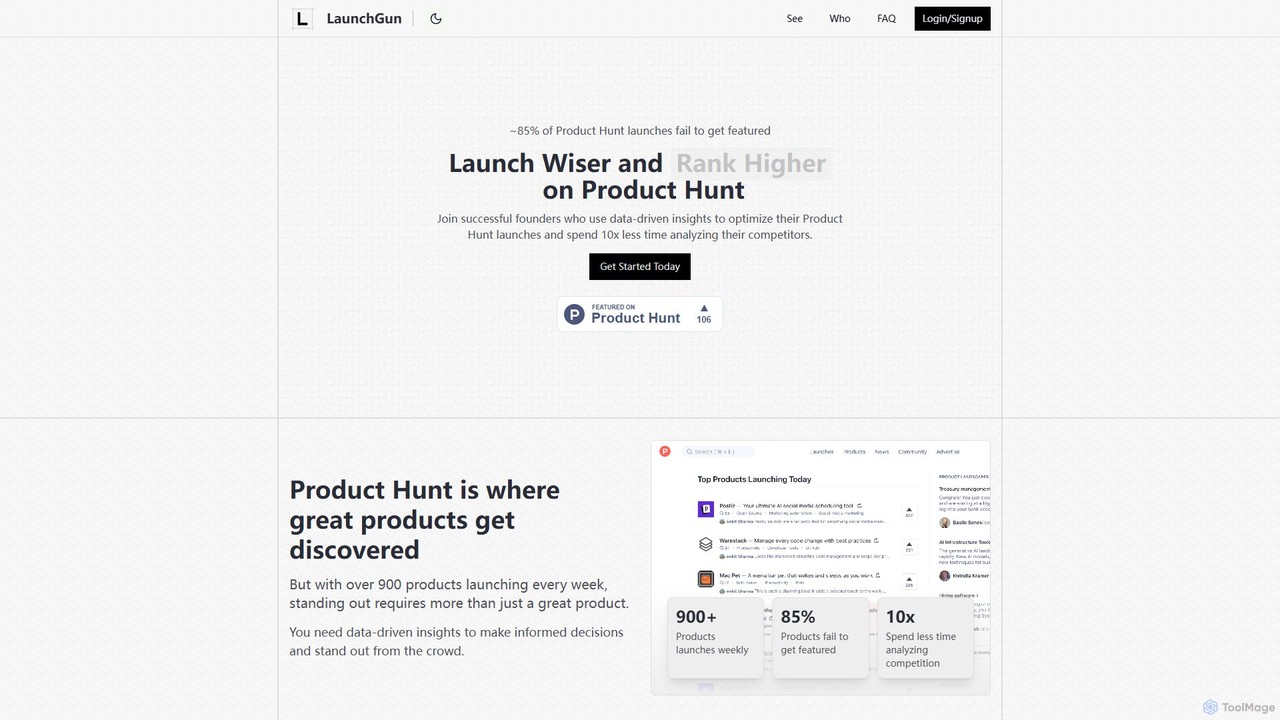
LaunchGun is an AI-powered analytics platform designed to optimize Product Hunt launches. It provides data-driven insights, competitive analysis, and strategic recommendations to help founders and makers increase their chances of getting featured. By analyzing historical data and successful launch patterns, LaunchGun helps users choose the perfect launch timing, category, and positioning to stand out and achieve success.

Market Research
Visits 3.3KFavorites 115Likes 106
Prism Replay
Freemium

Prism Replay

Prism Replay is an AI-native product analytics platform that automatically watches, summarizes, and analyzes user session replays. It provides actionable insights to help product teams optimize conversions, understand user behavior, and identify friction points without manual effort.

User Behavior
Visits 3.5KFavorites 153Likes 146

About Analytics

AI Analytics tools are a class of software that uses machine learning to automatically discover insights, patterns, and predictions from complex data. They process vast datasets to identify trends and anomalies that traditional methods might miss, directly enhancing productivity by automating data interpretation. These tools enable users to ask questions in natural language and receive clear, data-backed answers and visualizations. Their primary value lies in democratizing data science, allowing non-technical users to perform sophisticated analyses and make informed decisions quickly.

Core Features

  • Automated Insight Generation: Automatically surfaces key findings, correlations, and anomalies from datasets without manual exploration.
  • Predictive Modeling: Creates forecasts and predicts future outcomes based on historical data, such as sales trends or customer churn.
  • Natural Language Query (NLQ): Allows users to ask questions about their data in plain English, removing the need for complex query languages.
  • Intelligent Data Visualization: Recommends and automatically generates the most effective charts and graphs to represent data insights.
  • Sentiment Analysis: Analyzes text data from reviews or social media to gauge public opinion and customer feedback.

Applicable Scenarios

These tools are widely used across various departments. Marketing teams use them to optimize campaign performance and understand customer behavior. Finance departments leverage them for forecasting revenue and detecting fraudulent activities. Operations managers apply them to streamline supply chains and predict maintenance needs, transforming raw data into actionable business strategy.

Selection Criteria

When choosing an AI Analytics tool, first assess its integration capabilities with your existing data sources (e.g., CRM, databases). Evaluate the sophistication of its AI models and whether they can be customized. Consider the user interface—is it intuitive for non-technical users via NLQ, or does it require specialized skills? Finally, examine the scalability and pricing model to ensure it aligns with your data volume and business growth.

Featured tool rankings

Analytics use cases

1

Optimize Marketing Campaign Performance

A marketing manager for an e-commerce brand needs to understand the ROI of a recent multi-channel campaign. Instead of manually exporting data from Google Ads, Facebook, and their email platform into spreadsheets, they connect these sources to an AI Analytics tool. The tool automatically cleans and merges the data, then generates a dashboard highlighting key insights. It identifies that Instagram story ads have the highest conversion rate for users under 25, while email marketing is most effective for repeat customers. This allows the manager to reallocate their budget in real-time to maximize results, saving hours of manual analysis.

2

Forecast Sales and Identify Growth Opportunities

A sales director wants to create a more accurate quarterly forecast. They connect their CRM and historical sales data to an AI Analytics platform. The platform's predictive modeling feature analyzes past performance, seasonality, and deal progression rates to generate a forecast with a high degree of accuracy. Furthermore, the tool identifies patterns, suggesting that deals originating from webinar leads close 30% faster. This insight prompts the director to invest more in webinar marketing and adjust sales team quotas based on data-driven predictions, leading to more predictable revenue growth.

3

Analyze Customer Feedback at Scale

A product manager at a SaaS company is overwhelmed by thousands of user reviews from app stores, support tickets, and social media. They use an AI Analytics tool with sentiment analysis capabilities to process all this unstructured text data. The tool automatically categorizes feedback into themes like 'Feature Requests,' 'Bugs,' and 'UI/UX Issues.' It also assigns a sentiment score to each piece of feedback. The manager can now quickly see that a recent update caused a spike in negative sentiment related to performance, and that the most requested feature is a dark mode. This enables data-informed prioritization for the product roadmap.

4

Detect Financial Anomalies and Fraud

A financial analyst at a fintech company is responsible for monitoring millions of daily transactions. Manually reviewing transactions for fraud is impossible. By feeding the transaction stream into an AI Analytics tool, the system learns the pattern of normal behavior. It then automatically flags transactions that deviate significantly from this pattern, such as an unusually large transfer from an account that is typically inactive. This real-time anomaly detection allows the security team to investigate potential fraud immediately, significantly reducing financial losses and protecting customer accounts.

5

Improve Supply Chain Efficiency

An operations manager for a retail company needs to optimize inventory levels to avoid stockouts and reduce holding costs. They use an AI Analytics tool to analyze historical sales data, supplier lead times, and external factors like public holidays. The tool generates a highly accurate demand forecast for each product. It also identifies bottlenecks in the supply chain, such as a specific supplier who is consistently late. Based on these insights, the manager adjusts their reorder points and diversifies suppliers, leading to a 15% reduction in excess inventory and a 20% decrease in stockout incidents.

6

Personalize the Customer Experience

A digital strategist at an online media company wants to increase user engagement and subscription rates. They use an AI Analytics tool to analyze user behavior data, such as articles read, videos watched, and time spent on pages. The tool segments the audience into distinct clusters based on their interests. It then provides recommendations for personalized content to show each segment. By implementing these recommendations, the company increases the average session duration by 40% and sees a significant uplift in conversions from free readers to paid subscribers, as users are consistently shown content that matches their preferences.

Analytics FAQ

What are AI Analytics tools?

AI Analytics tools are advanced software that use artificial intelligence, particularly machine learning and natural language processing, to analyze data. Unlike traditional tools that require manual data exploration, AI Analytics platforms can automatically identify significant patterns, predict future trends, and generate easy-to-understand narrative summaries. They are designed to make complex data analysis accessible to a broader range of business users, not just data scientists, thereby accelerating data-driven decision-making.

How do AI Analytics tools differ from traditional Business Intelligence (BI)?

The key difference lies in automation and predictive capabilities. Traditional BI tools are excellent for descriptive analytics—visualizing historical data and answering 'what happened?'. They typically require users to manually slice and dice data to find insights. AI Analytics tools, on the other hand, focus on diagnostic and predictive analytics—answering 'why did it happen?' and 'what will happen next?'. They use machine learning to automatically surface insights and make forecasts, often requiring less manual intervention from the user.

Who should use AI Analytics tools?

AI Analytics tools are beneficial for a wide range of roles beyond data scientists. They are particularly useful for:

  • Business Analysts and Managers: To quickly understand business performance and identify growth opportunities without deep technical skills.
  • Marketing Professionals: To analyze campaign effectiveness, understand customer behavior, and personalize user experiences.
  • Financial Analysts: To forecast revenue, detect anomalies, and manage risk more effectively.
  • Operations Managers: To optimize supply chains, predict maintenance needs, and improve overall efficiency.

Essentially, anyone who needs to make decisions based on data but lacks the time or expertise for traditional data analysis can benefit.

What are the key features to look for in an AI Analytics tool?

When evaluating AI Analytics tools, prioritize these features:

  • Connectivity: Ensure it can easily connect to your various data sources, such as databases, cloud storage, and SaaS applications.
  • Automated Insights: The tool should be able to automatically surface key findings without requiring you to build complex queries.
  • Predictive Capabilities: Look for features like forecasting and classification that help you anticipate future trends.
  • Natural Language Interaction: The ability to ask questions and get answers in plain language (NLQ/NLG) makes the tool accessible to more users.
  • Ease of Use: A clean, intuitive interface and clear visualizations are crucial for user adoption and effective communication of insights.
Is it difficult to implement an AI Analytics tool?

The difficulty of implementation varies depending on the tool and the complexity of your data environment. Modern cloud-based AI Analytics platforms are often designed for ease of use, with pre-built connectors for common data sources that can be set up in minutes. However, integrating with custom or on-premise systems may require more technical effort. The most user-friendly tools require no coding and guide users through the process of connecting data and generating insights, significantly lowering the barrier to entry compared to traditional data science projects.