Finance Best in category 1 results Predictive Modeling AI Tool

Popular AI tools in the Predictive Modeling field of Finance include Rithmm, etc., helping you quickly improve efficiency.

Rithmm

Rithmm

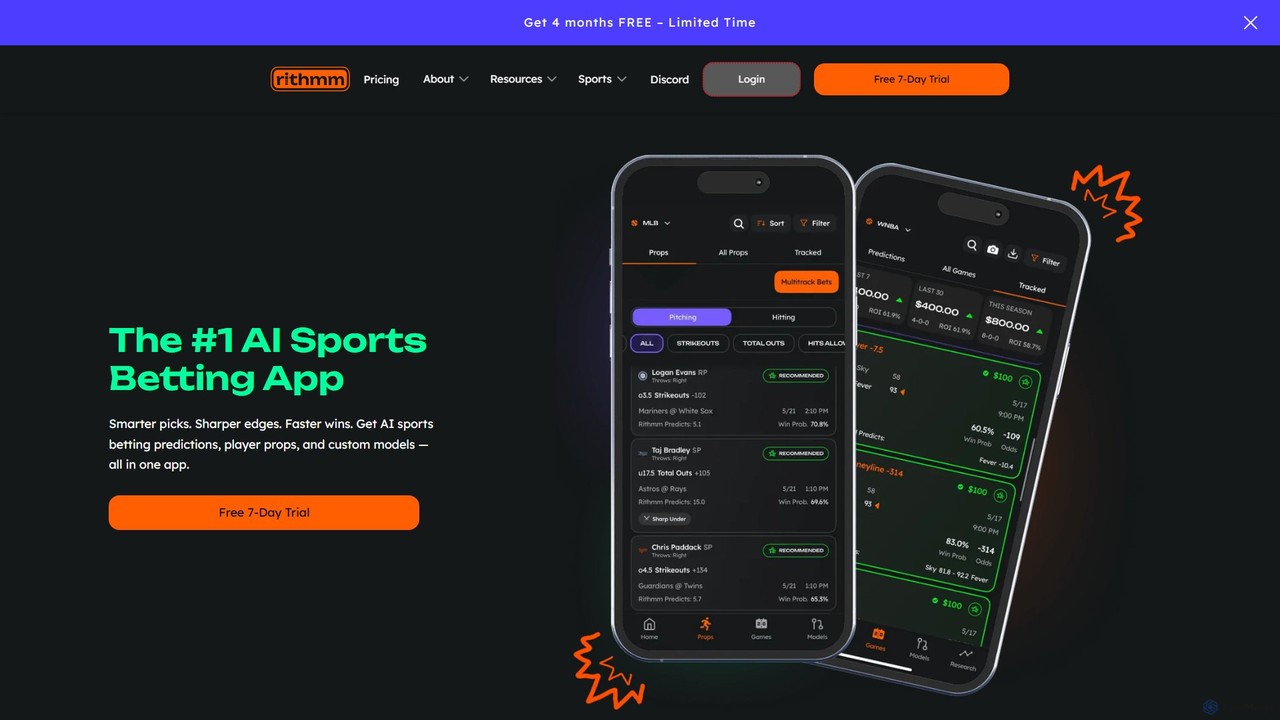
Rithmm is an AI-powered sports analytics app that empowers users to create and customize their own predictive models. …

313.7K

About Predictive Modeling

Predictive Modeling tools are AI-powered solutions that leverage historical financial data to forecast future outcomes, identify trends, and assess risks. These tools employ advanced statistical algorithms and machine learning models to uncover complex patterns, enabling businesses to make data-driven decisions. In the finance sector, predictive modeling is crucial for anticipating market movements, optimizing investment strategies, and enhancing risk management frameworks. They offer a proactive approach to financial planning and operational efficiency, providing insights that drive strategic growth.

Core Features

  • Data Ingestion & Preprocessing: Automatically collects, cleans, and transforms diverse financial datasets for model training and analysis.
  • Algorithm Selection & Training: Offers a range of machine learning algorithms (e.g., regression, classification, time series, neural networks) for building custom predictive models.
  • Model Evaluation & Validation: Provides metrics and techniques to assess model accuracy, robustness, and generalization capabilities against new data.
  • Scenario Analysis & Simulation: Simulates various future economic or market conditions to understand potential impacts on financial outcomes.
  • Automated Forecasting & Reporting: Generates future predictions for key financial indicators, market trends, or individual behaviors, often with customizable reports.

Applicable Scenarios

Financial institutions, investment firms, and corporate finance departments utilize predictive modeling to gain a competitive edge. This includes quantitative analysts developing sophisticated trading algorithms, risk managers assessing credit default probabilities for loan portfolios, and marketing teams predicting customer churn to tailor retention campaigns. It also supports actuaries in insurance for pricing and claims forecasting.

How to Choose

When selecting a predictive modeling tool, consider its ability to handle the complexity and volume of your financial data, the breadth of machine learning algorithms offered, and its integration capabilities with existing financial systems. Key factors also include the interpretability of its models for regulatory compliance, the robustness of its validation features, and its scalability to grow with your data needs. User-friendliness and support for specific financial use cases are also important.

Predictive ModelingUse Cases

1

Automate Credit Risk Assessment

Lending institutions leverage predictive modeling tools to evaluate the creditworthiness of loan applicants. By analyzing historical financial data, credit scores, and behavioral patterns, these models forecast the probability of default. This enables banks to make faster, more accurate lending decisions, minimize potential losses, and tailor loan products to different risk profiles, significantly streamlining the application process and reducing manual review time.

2

Enhance Financial Fraud Detection

Financial institutions deploy predictive models to identify and flag suspicious transactions in real-time. These tools analyze vast amounts of transaction data, looking for anomalies, unusual spending patterns, or deviations from typical customer behavior. Early detection helps prevent significant financial losses, protects customer assets, and ensures compliance with regulatory requirements, thereby reducing the impact of fraudulent activities and improving security.

3

Optimize Investment Portfolio Performance

Fund managers and individual investors use predictive modeling to forecast asset performance, market volatility, and optimal portfolio allocations. By analyzing historical market data, economic indicators, and company fundamentals, these models help identify undervalued assets or potential risks. This supports data-driven investment decisions, leading to improved returns and better risk-adjusted portfolio management strategies.

4

Predict Customer Churn in Banking

Banks and fintech companies utilize predictive models to identify customers who are at a high risk of churning (leaving their services). By analyzing customer transaction history, service interactions, and demographic data, these models can pinpoint early warning signs. This allows institutions to proactively engage with at-risk customers through targeted retention campaigns, personalized offers, and improved service, reducing customer attrition.

5

Forecast Market Trends and Prices

Financial analysts and traders employ predictive modeling to forecast future market trends, commodity prices, and currency exchange rates. Using time-series analysis, econometric models, and sentiment analysis of news, these tools provide insights into potential market movements. This enables more informed trading decisions, risk hedging strategies, and strategic planning for businesses exposed to market fluctuations.

6

Develop Algorithmic Trading Strategies

Quantitative analysts and hedge funds use predictive modeling to design and backtest automated trading strategies. Models are trained on historical price data, volume, and technical indicators to predict short-term price movements or optimal entry/exit points. This allows for the development of high-frequency trading systems or long-term investment algorithms that execute trades automatically based on predicted market conditions, aiming for consistent profitability.

Predictive ModelingFrequently Asked Questions