Search Best in category 3 results Specialized Search AI Tool

Popular AI tools in the Specialized Search field of Search include CrowdView、nepobb、CatGPT, etc., helping you quickly improve efficiency.

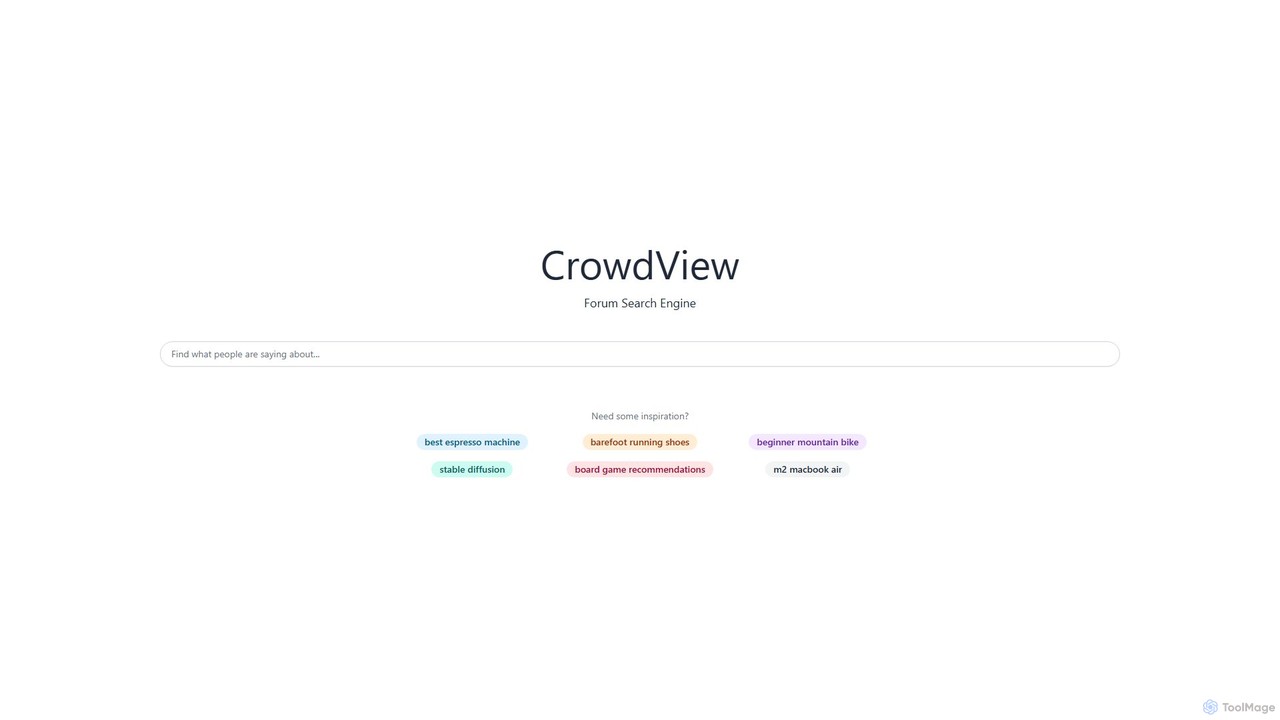
CrowdView

CrowdView

CrowdView is a specialized forum search engine that scours online communities like Reddit, Hacker News, and Stack Exchange. …

9.3K
Free
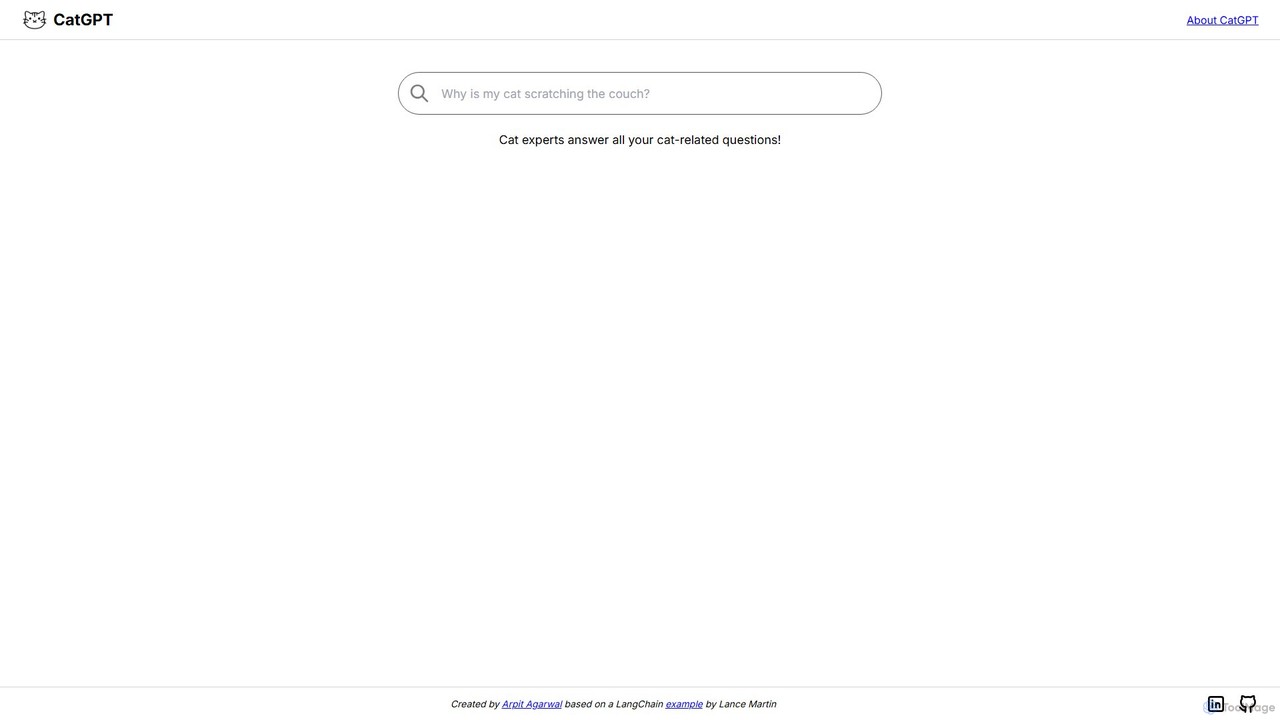
CatGPT

CatGPT

CatGPT is an AI-powered search engine for cat lovers, providing reliable answers to cat-related questions. It uses a …

3.0K
Free
nepobb

nepobb

nepobb is a unique AI-powered search engine designed to uncover whether a celebrity is a 'nepo baby.' Simply …

3.8K

About Specialized Search

Specialized Search tools are AI-powered engines designed to retrieve highly relevant information from specific, domain-focused datasets. Unlike general web search, these tools leverage models trained on niche terminology and data structures, such as legal documents, scientific papers, or code repositories. This domain-specific approach enables them to understand complex, contextual queries and deliver precise results that broad search engines cannot. They are essential for professionals who require deep, accurate, and filtered information within their field of expertise.

Core Features

  • Domain-Specific Indexing: Focuses exclusively on a particular knowledge base, such as medical journals, patent databases, or financial reports.
  • Semantic Understanding: Interprets industry-specific jargon, acronyms, and contextual relationships beyond simple keyword matching.
  • Advanced Faceted Filtering: Provides highly specific filter options relevant to the domain, like filtering by legal citation, chemical compound, or programming language.
  • Entity Recognition: Identifies and links key entities within documents, such as company names, legal precedents, or gene sequences.

Applicable Scenarios

These tools are critical for professionals in research-intensive fields. For example, legal professionals use them for e-discovery and case law research, scientists for literature reviews, and software developers for finding specific code implementations across large repositories. Financial analysts also rely on them to sift through market data and regulatory filings for specific insights.

Selection Criteria

When choosing a Specialized Search tool, evaluate the scope and quality of its indexed database. Assess its semantic search capabilities and the relevance of its domain-specific filters. Consider its integration potential with your existing workflows via APIs and its ability to handle the specific query complexity required for your tasks. The user interface and result presentation are also important for efficient analysis.

Specialized SearchUse Cases

1

Academic Literature Review for Scientific Research

A postdoctoral researcher in genetics needs to find all recent studies on a specific protein's interaction with a new drug compound. Using a general search engine yields thousands of irrelevant results, including news articles and blogs. By using a specialized academic search tool, they can query databases like PubMed and Scopus directly. They apply filters for peer-reviewed articles published in the last 24 months, specify the protein and compound names, and exclude review articles. The tool's semantic understanding correctly identifies synonyms and related concepts, returning a highly focused list of 30 relevant research papers, saving days of manual sorting.

2

Legal E-Discovery and Precedent Research

A paralegal at a law firm is tasked with finding all case law related to 'software copyright infringement' in a specific federal district court. A standard web search is insufficient due to the need for verified legal sources and specific citation formats. Using a specialized legal search platform, the paralegal can search a comprehensive database of court rulings. They can filter results by jurisdiction, date, judge, and citation frequency. The AI-powered search understands legal terminology, identifying cases that discuss 'source code similarity' and 'derivative works' even if the exact phrase 'software copyright infringement' isn't used, ensuring no critical precedents are missed.

3

Searching for Code Implementations in Software Development

A software developer is building a new feature that requires a highly optimized algorithm for graph traversal. Instead of reinventing the wheel, she wants to find existing, well-tested implementations. Using a specialized code search engine that indexes platforms like GitHub and GitLab, she can search for 'Dijkstra's algorithm in Rust'. The search results provide direct links to code files, not just repositories. She can further filter by the number of stars, recent commit activity, and specific open-source licenses to find a reliable and compliant library to integrate into her project, accelerating the development cycle significantly.

4

Financial Data Analysis for Investment Decisions

An investment analyst is researching a company's exposure to supply chain risks. Sifting through hundreds of pages of annual reports and SEC filings manually is time-consuming. By using a specialized financial search tool, the analyst can upload all relevant documents or connect to a financial data feed. They can then search for terms like 'supply chain disruption,' 'logistics costs,' and 'supplier concentration.' The AI not only finds these keywords but also uses sentiment analysis to flag whether the mentions are positive, negative, or neutral, providing a quick, comprehensive overview of the company's risk profile.

5

Patent Prior Art Search for Innovation

An R&D team at a tech company has developed a new algorithm and wants to file a patent. Before investing in the costly patent application process, they must conduct a thorough prior art search to ensure their invention is novel. Using a specialized patent search engine, they can search global patent databases like USPTO and EPO. They can search not only by keywords but also by patent classification codes (CPC) and chemical structure drawings. The AI helps identify conceptually similar patents, even if they use different terminology, providing a comprehensive landscape of existing technologies and strengthening their patent application.

6

Clinical Decision Support for Medical Professionals

A physician is treating a patient with a rare combination of symptoms that doesn't fit a standard diagnosis. To explore potential diagnoses and treatment options, she uses a specialized medical search engine that indexes clinical trials, medical journals, and case studies. She inputs the patient's specific symptoms, lab results, and demographic data. The AI-powered search engine cross-references this information against its vast database, suggesting potential rare diseases, highlighting relevant clinical trials, and providing links to peer-reviewed papers on similar cases. This provides the physician with evidence-based information to support her clinical judgment in a fraction of the time traditional research would take.

Specialized SearchFrequently Asked Questions