
Education Best in category 1 results Pets AI Tool

Popular AI tools in the Pets field of Education include CatGPT, etc., helping you quickly improve efficiency.

Free
CatGPT

CatGPT

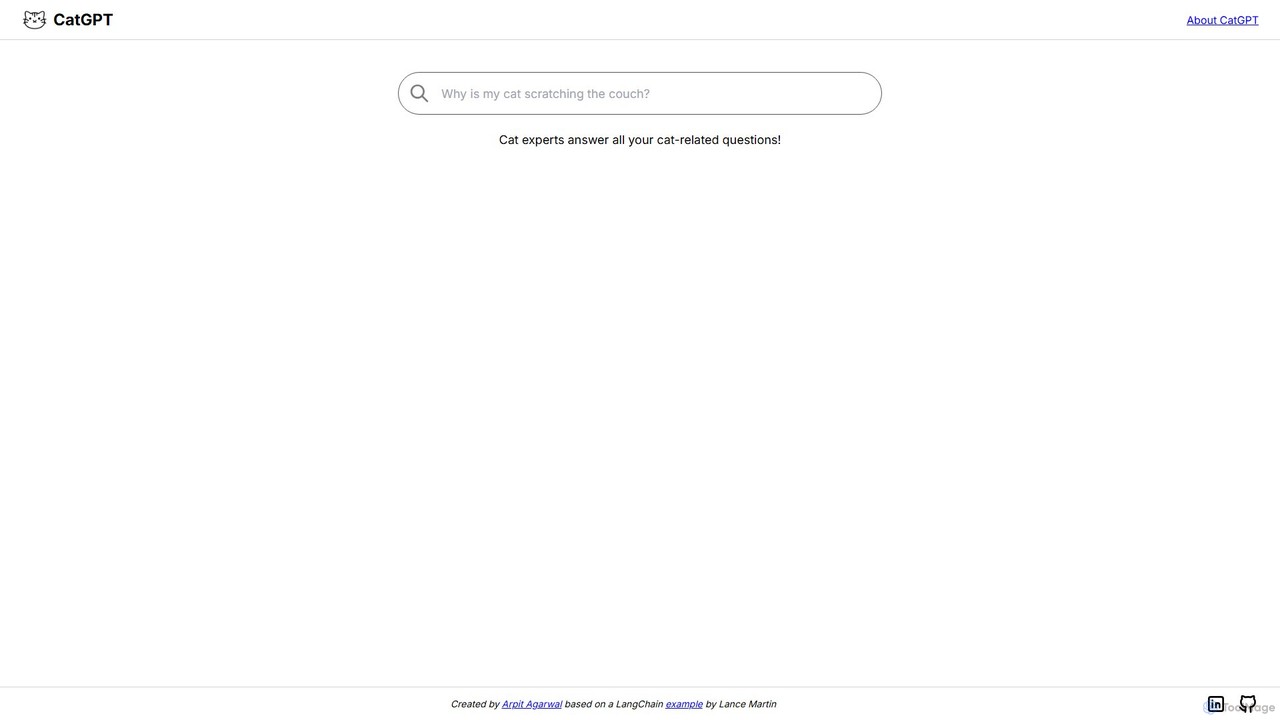
CatGPT is an AI-powered search engine for cat lovers, providing reliable answers to cat-related questions. It uses a …

2.6K

About Pets

AI Pet tools are applications and devices that use artificial intelligence to help owners understand, care for, and interact with their animal companions. These tools leverage machine learning to analyze data from sources like activity trackers, cameras, and microphones. They provide data-driven insights into a pet's health, behavior, and nutritional needs, enabling proactive and personalized care. This transforms pet ownership by empowering owners with information to detect potential issues early and enhance their pet's overall well-being.

Core Features

  • Health Monitoring: Tracks activity levels, sleep patterns, and other vital signs to detect subtle changes that may indicate health issues.
  • Behavior Analysis: Interprets sounds like barks or meows and analyzes video feeds to understand a pet's emotional state and identify behavioral patterns.
  • Personalized Nutrition: Recommends ideal food portions and feeding schedules based on breed, age, weight, and real-time activity data.
  • Smart Training Assistance: Offers customized training programs and guidance that adapt to a pet's learning pace and specific behavioral challenges.
  • Breed Identification: Uses computer vision to analyze a photo of a pet and determine its likely breed composition.

Use Cases

These tools are widely used by pet owners seeking to deepen their bond and improve care. Veterinarians may also use the data from these devices to supplement diagnoses. They are particularly valuable for owners of senior pets, puppies in training, or animals with specific health conditions that require close monitoring.

How to Choose

When selecting an AI Pet tool, consider the accuracy of its sensors and algorithms by checking independent reviews. Evaluate its suitability for your pet's specific size, breed, and lifestyle. Also, review the subscription model for any ongoing costs and examine the platform's data privacy policy to understand how your information is used.

PetsUse Cases

1

Proactive Health Monitoring for Senior Pets

An owner of an elderly cat uses an AI-powered smart collar to track daily activity. The system establishes a baseline of normal movement, sleep, and scratching habits. When the AI detects a gradual but consistent decrease in activity and an increase in sleep duration over two weeks, it sends an alert to the owner's phone. This early warning prompts a vet visit, where arthritis is diagnosed sooner than it might have been otherwise, allowing for timely pain management and improving the cat's quality of life.

2

Personalized Puppy Training Plans

A new dog owner uses an AI training app for their 10-week-old puppy. After inputting the puppy's breed, age, and specific challenges like nipping, the app generates a daily schedule of short, game-based training exercises. The AI analyzes the owner's feedback on session success rates and adjusts the difficulty of subsequent lessons. For example, if the puppy masters 'sit' quickly, the app introduces 'stay' sooner, creating an adaptive learning path that keeps the puppy engaged and accelerates training progress.

3

Understanding Pet Behavior Through AI Analysis

A user sets up an AI-powered pet camera to monitor their dog with separation anxiety. The AI analyzes audio and video, identifying patterns of distress such as whining, pacing, and destructive chewing. It provides the owner with a daily summary, highlighting the times of day when anxiety peaks. This data helps the owner and a professional trainer implement targeted interventions, like providing a puzzle toy just before the peak anxiety time, to reduce stress and improve the dog's well-being while home alone.

4

Optimizing Pet Nutrition with AI Recommendations

A cat owner uses an AI-powered smart feeder linked to their cat's activity collar. The system calculates the cat's daily caloric needs based on its actual activity level, not just a generic guideline. If the cat has a particularly active day, the feeder might dispense a slightly larger portion for its evening meal. Conversely, on a lazy day, it reduces the portion to prevent weight gain. This dynamic adjustment helps maintain the cat's ideal weight and ensures its nutritional intake matches its energy expenditure precisely.

5

Finding a Lost Pet with AI Facial Recognition

A dog slips out of its collar during a walk and gets lost. The owner immediately reports the dog as missing on an AI-powered pet recovery platform, uploading a clear photo. The AI scans thousands of new posts from local animal shelters and social media groups in real-time. Within hours, it finds a match with a 'found dog' post from a shelter 5 miles away, recognizing the dog's unique facial features despite the different lighting in the photo. The owner receives an immediate notification with the shelter's location, leading to a quick reunion.

6

Discovering a Rescue Pet's Breed Mix

Someone adopts a mixed-breed dog from a shelter and is curious about its heritage. They use an AI breed identification app, uploading several photos of the dog from different angles. The AI analyzes physical traits like ear shape, snout length, and coat texture, comparing them against a vast database of breeds. The app provides a report suggesting the dog is 45% Labrador Retriever, 30% German Shepherd, and 25% Boxer. This information helps the owner better understand potential temperament traits and be aware of breed-specific health predispositions.

PetsFrequently Asked Questions