PluginLyzer
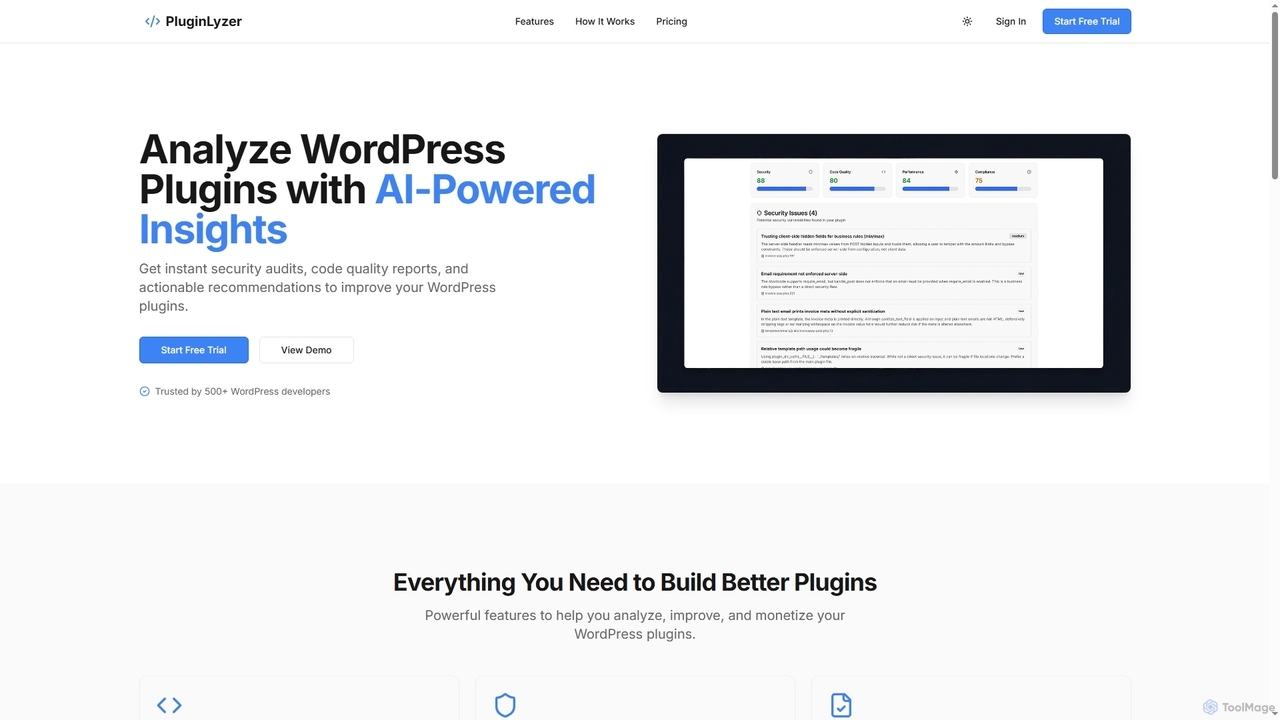
PluginLyzer is an AI-powered platform designed for WordPress developers to analyze, improve, and monetize their plugins. It provides …
PluginLyzer is an AI-powered platform designed for WordPress developers to analyze, improve, and monetize their plugins. It provides instant security audits, comprehensive code quality reports, performance optimization recommendations, and ensures compliance with WordPress coding standards, helping developers build better and more secure plugins efficiently.
CodeRabbit
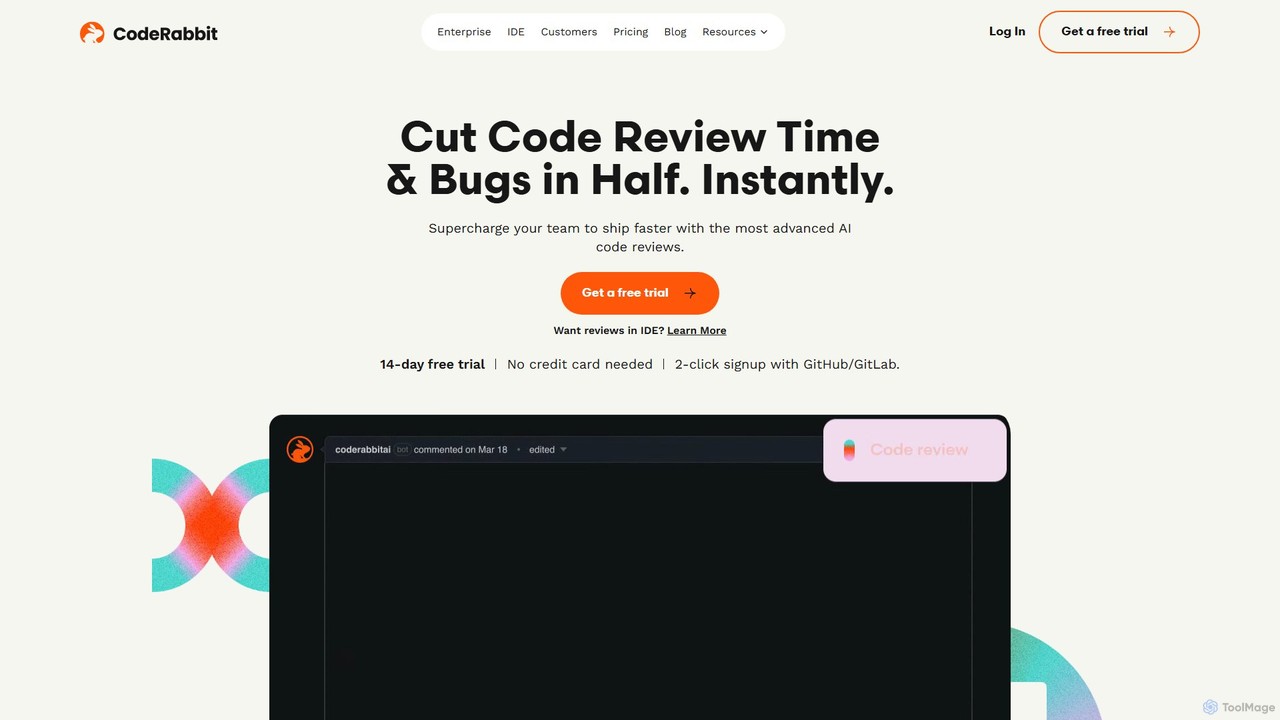
CodeRabbit is an AI-powered code review tool that supercharges development teams to ship faster and reduce bugs. It …
CodeRabbit is an AI-powered code review tool that supercharges development teams to ship faster and reduce bugs. It provides instant, context-aware reviews, pull request summaries, and security analysis directly within GitHub, GitLab, and IDEs like VS Code.
ContractReader
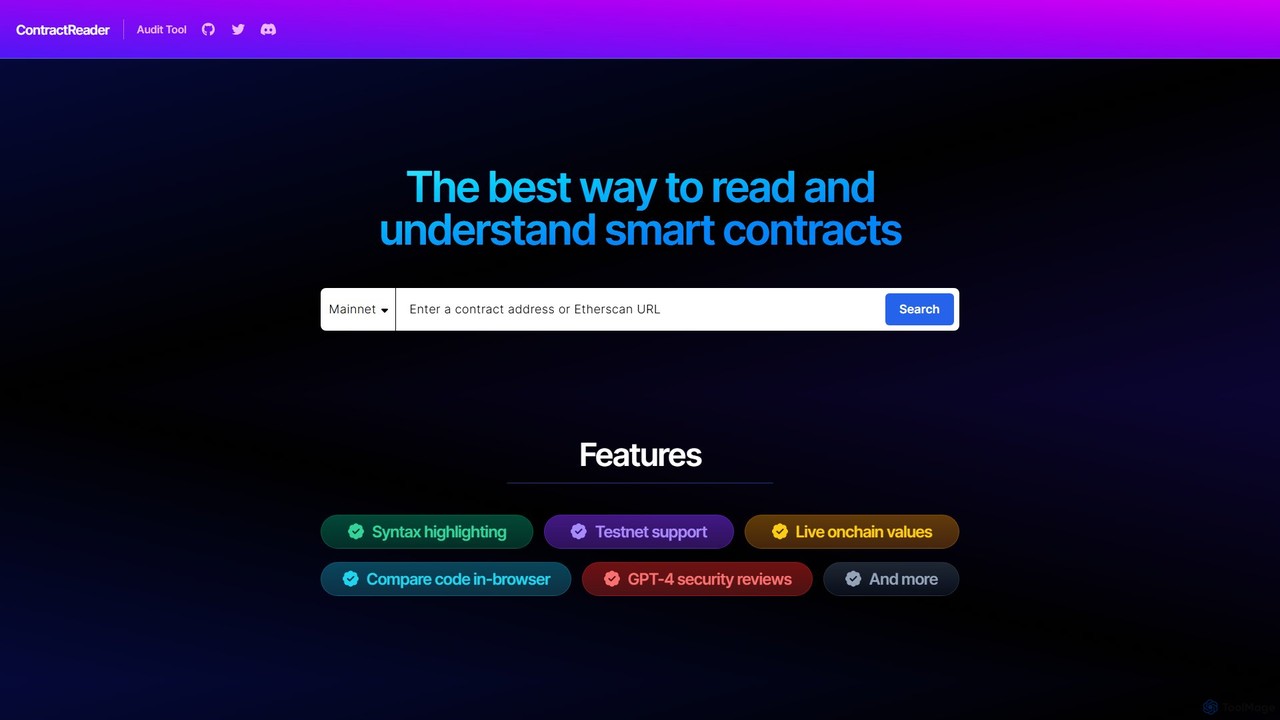
ContractReader is an AI-powered tool designed for developers, auditors, and crypto enthusiasts to read, understand, and audit blockchain …
ContractReader is an AI-powered tool designed for developers, auditors, and crypto enthusiasts to read, understand, and audit blockchain smart contracts. It enhances code readability with syntax highlighting, displays live on-chain data, and provides GPT-4 powered security reviews to identify potential vulnerabilities across multiple blockchain networks.
About Code Analysis
AI Code Analysis tools are a specialized category of security software that uses machine learning to automatically inspect source code for vulnerabilities, bugs, and quality issues. Unlike traditional static analysis tools that rely on predefined rules, these AI-powered systems can understand code context, identify novel security threats, and predict complex error patterns. Their primary value lies in shifting security left, enabling developers to find and fix potential problems early in the development lifecycle, long before code reaches production. This proactive approach significantly enhances software security and maintainability.
Core Features
- Vulnerability Detection: Identifies common security flaws such as SQL injection, cross-site scripting (XSS), and buffer overflows with high accuracy.
- Code Quality Analysis: Detects 'code smells', complex logic, and anti-patterns that can lead to future bugs and maintenance challenges.
- Automated Fix Suggestions: Provides context-aware recommendations or even generates code snippets to resolve identified issues.
- Contextual Understanding: Analyzes the entire codebase to understand data flow and logic, reducing false positives common in rule-based tools.
- CI/CD Integration: Seamlessly integrates into developer workflows, automatically scanning code during commits, pull requests, and builds.
Applicable Scenarios
These tools are essential for software development teams, DevOps engineers, and application security (AppSec) professionals. They are typically used within continuous integration/continuous delivery (CI/CD) pipelines to automate security checks for every code change. They also serve as a critical component in security audits and for maintaining compliance with standards like OWASP Top 10 or CWE.
Selection Criteria
When choosing an AI Code Analysis tool, consider its language and framework support to ensure it covers your tech stack. Evaluate its integration capabilities with your existing IDEs, version control systems, and CI/CD tools. Assess the accuracy of its analysis, particularly its rate of false positives and false negatives. Finally, review its reporting features and the clarity of its remediation guidance for developers.
Code AnalysisUse Cases
Automate Security Audits in CI/CD Pipelines
For a DevOps team, maintaining security without slowing down deployment is a constant challenge. By integrating an AI Code Analysis tool into their CI/CD pipeline (e.g., Jenkins, GitLab CI), every pull request is automatically scanned. The tool checks for new vulnerabilities, insecure coding practices, and potential bugs before the code is merged into the main branch. This process provides immediate feedback to developers, allowing them to fix issues within minutes. This automation acts as a security gatekeeper, preventing vulnerabilities from ever reaching production and ensuring a consistent security standard across all code contributions.
Refactor and Modernize Legacy Codebases
Software architects tasked with modernizing a large, aging codebase face significant risks. An AI Code Analysis tool can perform a deep scan of the entire system, identifying critical areas of technical debt. It highlights overly complex modules, risky dependencies, and architectural anti-patterns that are difficult for human reviewers to spot. The tool provides a prioritized list of refactoring targets, allowing the team to focus their efforts on changes that will have the most impact on security and maintainability. This data-driven approach reduces the guesswork in modernization projects and helps prevent the introduction of new bugs during the refactoring process.
Enhance Peer Code Reviews for Development Teams
Peer code reviews are crucial for quality, but can be time-consuming and prone to human error. An AI Code Analysis tool acts as an automated first-pass reviewer. Before a human even looks at the code, the AI has already checked for common mistakes, style guide violations, and security vulnerabilities. This allows human reviewers to bypass trivial issues and focus their cognitive energy on more complex aspects like business logic, architectural design, and user experience. By handling the routine checks, the AI tool accelerates the review cycle, improves the quality of feedback, and fosters a more efficient and collaborative development culture.
Ensure Compliance with Security Standards
For companies in regulated industries like finance or healthcare, adhering to security standards such as OWASP Top 10, CWE, or CERT is mandatory. An AI Code Analysis tool can be configured to specifically scan for violations of these standards. It generates detailed compliance reports that pinpoint non-compliant code sections and provide clear remediation steps. This automates a significant portion of the compliance auditing process, providing continuous verification that the codebase meets regulatory requirements. This not only reduces the risk of compliance penalties but also provides auditable proof of due diligence for security practices.
Accelerate Onboarding for New Developers
When a new developer joins a team, they face a steep learning curve understanding the existing codebase and its conventions. An AI Code Analysis tool integrated into their IDE provides real-time feedback as they write code. It acts as a personal mentor, immediately flagging deviations from team coding standards, potential bugs, or security misconfigurations. This instant feedback loop helps new hires learn the 'right way' to contribute from day one, reducing the amount of rework needed after code reviews. It empowers them to write better, more secure code independently, significantly shortening their ramp-up time.
Scan Third-Party Dependencies for Vulnerabilities
Modern applications rely heavily on open-source and third-party libraries, which can introduce hidden security risks. A security engineer can use an AI Code Analysis tool to perform Software Composition Analysis (SCA). The tool scans all project dependencies, cross-referencing them against databases of known vulnerabilities (like CVEs). The AI component can also analyze the library's code directly to find zero-day or unpublished vulnerabilities. This provides a comprehensive view of the supply chain risk, allowing teams to proactively update or replace vulnerable libraries before they can be exploited by attackers.