Security Best in category 1 results Compliance Automation AI Tool

Popular AI tools in the Compliance Automation field of Security include CloudSoul, etc., helping you quickly improve efficiency.

CloudSoul

CloudSoul

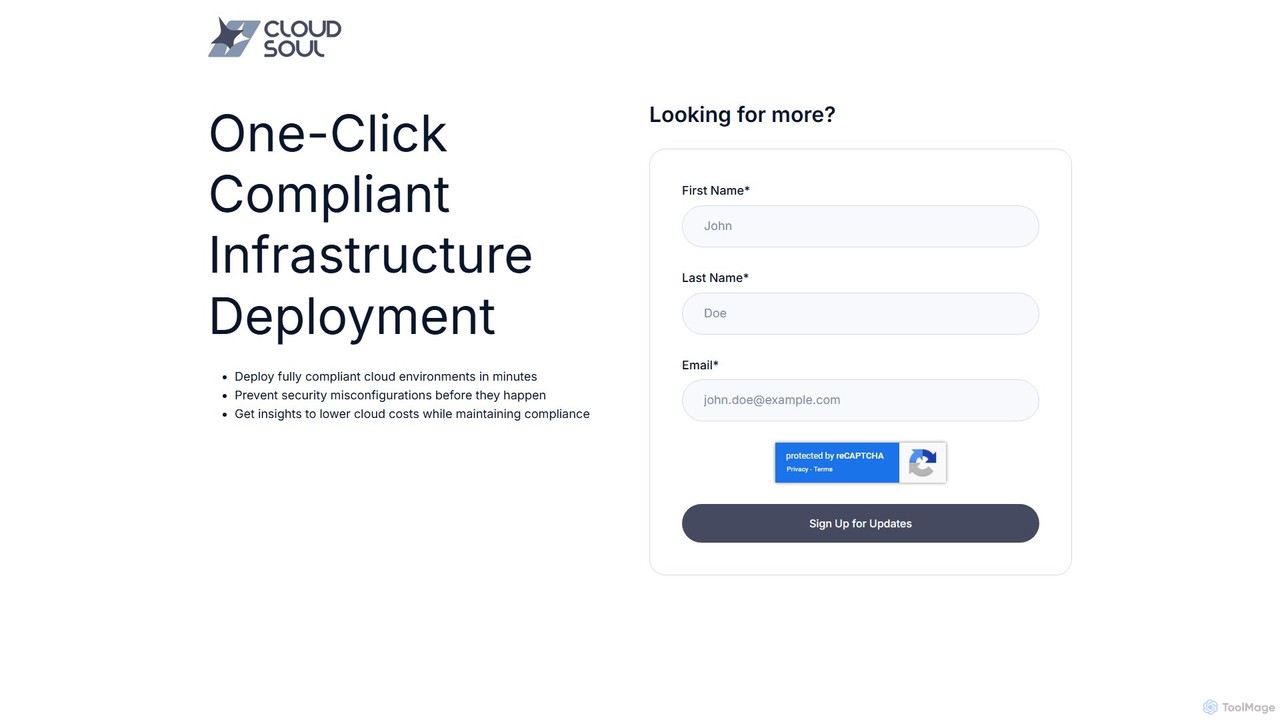
CloudSoul is an AI-powered platform for one-click compliant cloud infrastructure deployment. It automates the creation of secure, cost-optimized, …

3.3K

About Compliance Automation

Compliance Automation tools are AI-powered solutions designed to streamline and automate the process of adhering to regulatory requirements and internal policies. These tools leverage artificial intelligence, machine learning, and natural language processing to monitor, assess, and report on compliance status, significantly reducing manual effort and human error. They help organizations maintain legal and ethical standards across various operations, ensuring data privacy, financial transparency, and operational integrity within the broader context of security.

Core Features

  • Automated Policy Monitoring: Continuously scans systems and data for deviations from established compliance policies and regulations.
  • Risk Assessment & Scoring: Identifies potential compliance risks, quantifies their impact, and prioritizes remediation efforts.
  • Audit Trail Generation: Automatically logs all relevant activities and changes, creating immutable records for auditing purposes.
  • Regulatory Change Tracking: Monitors updates to laws and regulations, alerting organizations to new requirements and necessary adjustments.
  • Reporting & Dashboards: Provides real-time insights into compliance posture through customizable reports and intuitive dashboards.

Applicable Scenarios

Compliance Automation is crucial for highly regulated industries like finance, healthcare, and government, as well as any organization handling sensitive data. It supports legal teams, compliance officers, and IT security personnel in managing complex regulatory landscapes, ensuring adherence to standards like GDPR, HIPAA, SOC 2, and ISO 27001. These tools are vital for maintaining operational integrity and avoiding costly penalties.

How to Choose

When selecting a Compliance Automation tool, consider its scope of regulatory coverage, ensuring it aligns with your industry-specific needs. Evaluate its integration capabilities with existing IT infrastructure and data sources, as seamless data flow is critical. Assess the level of automation offered, from basic monitoring to advanced remediation suggestions. Finally, review the reporting features and dashboard customizability to ensure it provides actionable insights for your compliance team.

Compliance AutomationUse Cases

1

Automating GDPR Compliance Monitoring

A data privacy officer in a multinational corporation uses Compliance Automation tools to continuously monitor data processing activities across all departments. The tool automatically scans for personal data usage, consent management, and data transfer protocols, flagging any deviations from GDPR requirements. This ensures ongoing adherence to privacy regulations, significantly reducing the risk of non-compliance fines and reputational damage by providing real-time alerts and audit trails.

2

Streamlining Financial Audit Preparation

A finance department in a publicly traded company leverages Compliance Automation to prepare for annual financial audits. The tool automatically collects, categorizes, and verifies financial transactions against internal controls and accounting standards like SOX. It generates comprehensive audit trails and reports, highlighting any discrepancies or potential compliance gaps. This drastically cuts down the time and resources typically spent on manual data gathering and reconciliation, ensuring a smoother and faster audit process.

3

Ensuring Industry-Specific Regulatory Adherence

A healthcare provider utilizes Compliance Automation to manage adherence to HIPAA regulations concerning patient data privacy and security. The AI tool continuously monitors access logs, data encryption status, and information sharing practices, identifying any non-compliant activities or vulnerabilities. It provides automated alerts to security teams and generates detailed reports for regulatory bodies, helping to prevent data breaches and ensure the protection of sensitive patient health information (PHI) in real-time.

4

Managing Internal Policy Compliance for Employees

An HR department in a large enterprise uses Compliance Automation to ensure employees adhere to internal policies, such as acceptable use of company resources, data handling, and code of conduct. The tool can monitor digital communications, document access, and training completion rates, identifying potential policy violations. It automates reminders for policy reviews and training modules, fostering a culture of compliance and reducing the risk of internal breaches or misconduct by providing a clear, auditable record of employee adherence.

5

Automating Vendor Risk and Third-Party Compliance

A procurement team in a technology company uses Compliance Automation to assess and manage the compliance posture of third-party vendors and partners. The AI tool automates the collection and analysis of vendor security certifications (e.g., SOC 2, ISO 27001), financial stability reports, and data privacy policies. It identifies high-risk vendors and potential compliance gaps in the supply chain, streamlining due diligence processes and ensuring that all external partners meet the organization's security and regulatory standards, thereby mitigating supply chain risks.

6

Proactive Identification of Emerging Regulatory Changes

A legal and compliance team in a global enterprise employs Compliance Automation to proactively track and analyze emerging regulatory changes across multiple jurisdictions. The AI tool continuously scans legal databases, government publications, and news feeds for updates relevant to the organization's operations. It provides summarized insights into new laws and amendments, assessing their potential impact and suggesting necessary policy adjustments. This enables the organization to adapt quickly, maintain continuous compliance, and avoid penalties associated with late adoption of new regulations.

Compliance AutomationFrequently Asked Questions