Security Best in category 3 results Antivirus AI Tool

Popular AI tools in the Antivirus field of Security include Kaspersky、Aura、Protectstar, etc., helping you quickly improve efficiency.

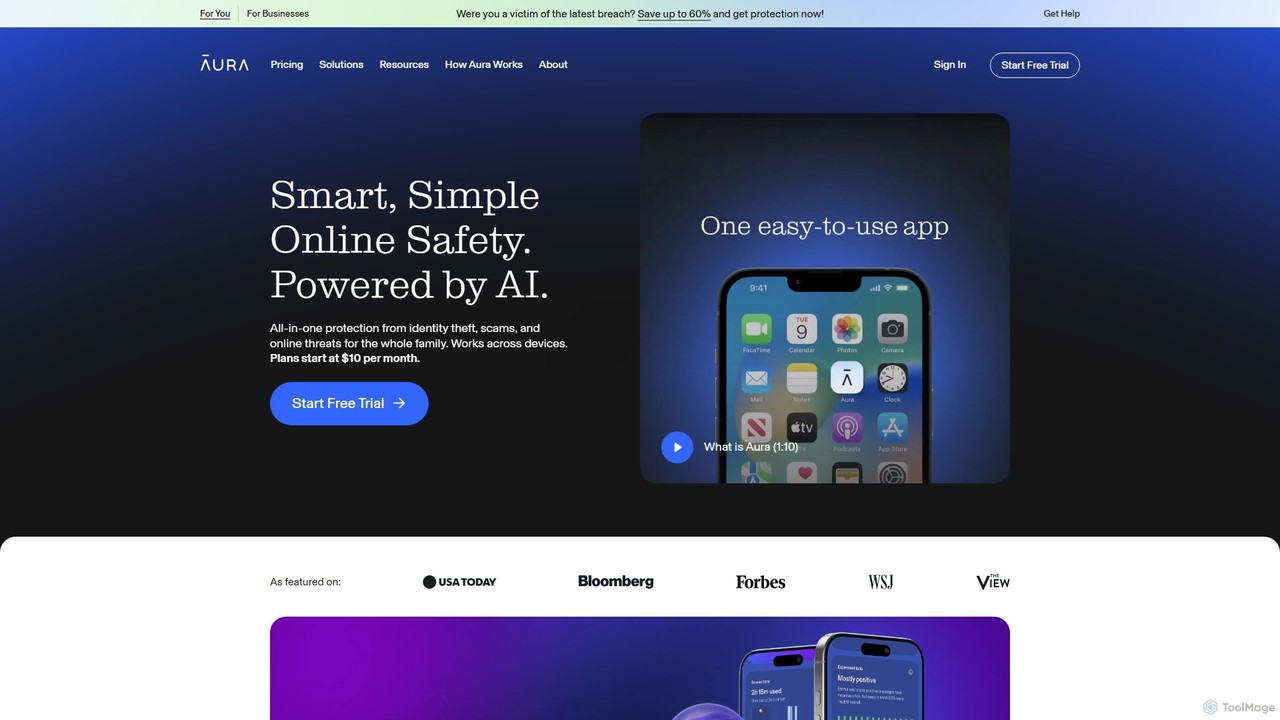
Aura

Aura

Aura is an AI-powered, all-in-one digital safety platform for individuals and families. It provides proactive protection against identity …

2.0M
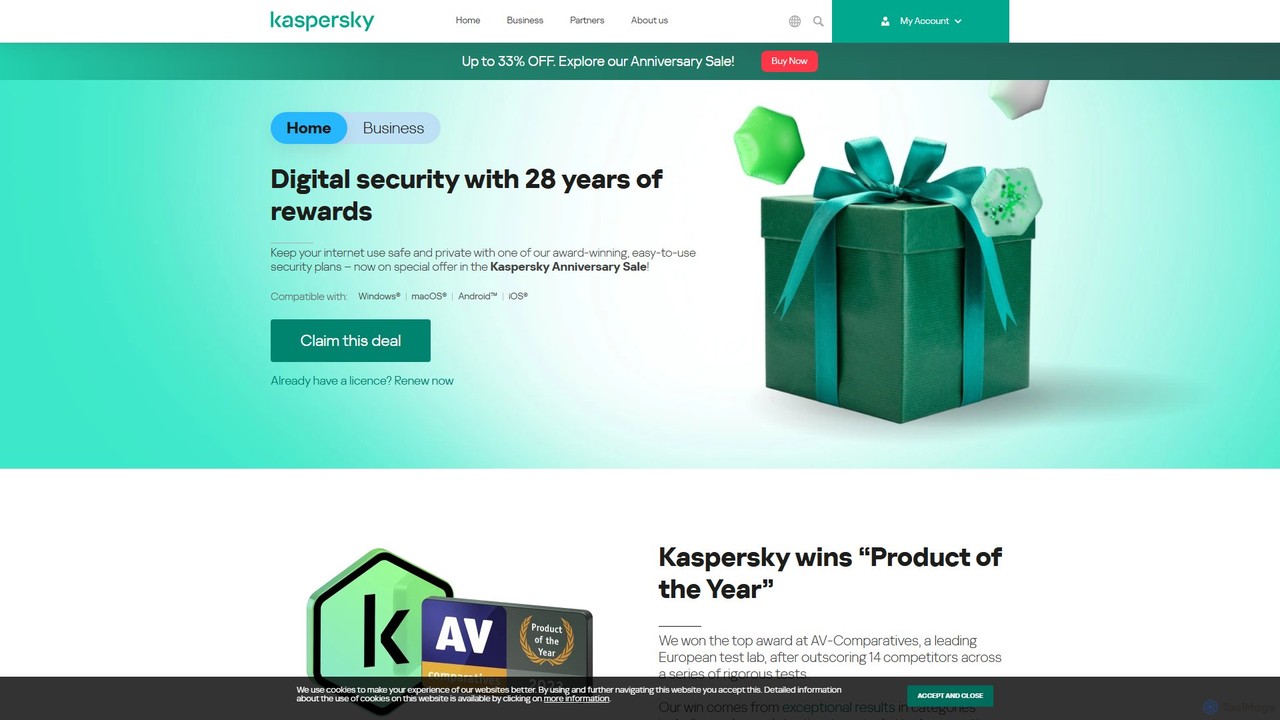
Kaspersky

Kaspersky

Kaspersky offers comprehensive, AI-powered cybersecurity solutions for individuals and businesses. It provides multi-layered protection against viruses, malware, ransomware, …

9.3M
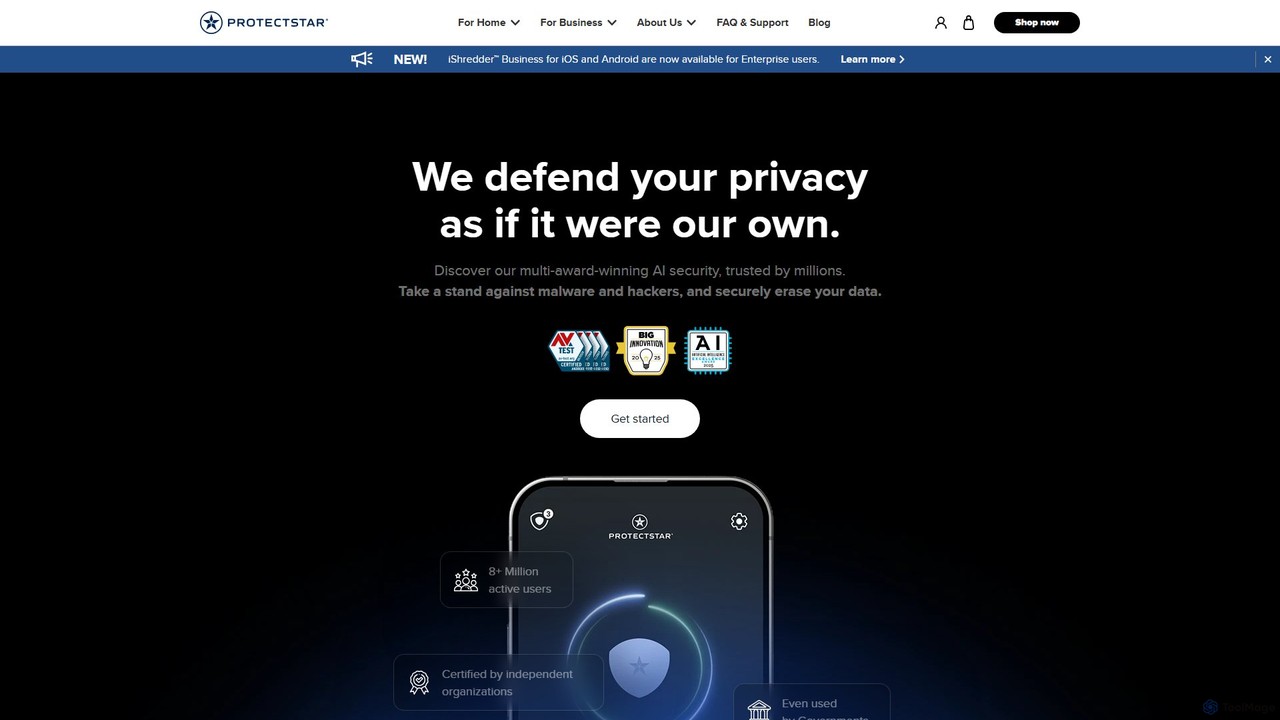
Protectstar

Protectstar

Protectstar offers a suite of AI-powered security applications for mobile devices. It provides comprehensive protection against spyware, viruses, …

158.8K

About Antivirus

AI Antivirus is a category of security software that uses artificial intelligence and machine learning to proactively detect, block, and neutralize malware. These tools analyze file behavior, network traffic, and system processes in real-time, identifying threats beyond traditional signature-based detection. This approach provides superior protection against new and evolving threats like zero-day exploits and sophisticated ransomware. AI Antivirus is essential for safeguarding personal data, corporate networks, and critical digital infrastructure from an ever-changing threat landscape.

Core Features

  • Behavioral Analysis: Monitors applications for suspicious actions, identifying malware even without a known signature.
  • Real-time Threat Intelligence: Utilizes global threat data feeds to predict and block emerging cyberattacks before they strike.
  • Zero-Day Exploit Prevention: Proactively identifies and neutralizes previously unseen vulnerabilities and attack vectors.
  • AI-Powered Ransomware Protection: Detects and halts unauthorized encryption processes to prevent data hostage situations.

Applicable Scenarios

AI Antivirus tools are crucial for a wide range of users, from individual home users protecting personal devices to large enterprises securing thousands of endpoints. They are particularly vital in sectors handling sensitive data, such as finance, healthcare, and government. Remote work environments also heavily rely on this technology to secure employee devices outside the corporate firewall.

Selection Criteria

When choosing an AI Antivirus tool, consider its detection rate for zero-day threats and ransomware, verified by independent testing labs. Evaluate its impact on system performance to ensure it doesn't slow down your devices. Also, check for platform compatibility (Windows, macOS, Android, iOS) and essential extra features like a firewall, VPN, or parental controls.

AntivirusUse Cases

1

Protecting a Small Business Network

A small business owner without a dedicated IT team uses an AI Antivirus suite to protect all company devices. The software is deployed across desktops and laptops, where its behavioral analysis engine continuously monitors for suspicious activity. When an employee accidentally clicks a phishing link, the AI immediately blocks the malicious website and quarantines a downloaded file before it can execute, preventing a potential ransomware attack and saving the business from costly downtime and data loss.

2

Securing a Remote Workforce

A large corporation equips its remote workforce with AI-powered endpoint protection. This ensures that employee laptops, operating on less secure home networks, are protected against advanced threats. The AI Antivirus uses machine learning to adapt to new attack methods, providing consistent security regardless of the user's location. Its centralized management console allows the IT security team to monitor threat activity across all remote devices and respond to incidents swiftly, maintaining the company's security posture.

3

Safeguarding Personal Financial Data

A freelancer uses AI Antivirus on their primary work computer to protect sensitive client invoices and personal banking information. The software's anti-phishing and anti-keylogger features are crucial. When they receive an email pretending to be from their bank, the AI flags the malicious link in real-time. It also detects and blocks any software attempting to secretly record keystrokes, ensuring that login credentials and financial details remain private and secure during online transactions.

4

Preventing Zero-Day Attacks on Developer Machines

A software developer relies on an AI Antivirus to protect their high-value development environment. Traditional antivirus might miss a novel malware strain designed to steal source code or inject malicious code into a project. The AI's behavioral analysis engine detects anomalous process behavior, such as a compiler attempting to make an unauthorized network connection, and blocks it instantly. This proactive defense is critical for protecting intellectual property and maintaining the integrity of the software supply chain.

5

Automated Threat Hunting for Enterprises

A Security Operations Center (SOC) team at a large enterprise uses an AI-powered Endpoint Detection and Response (EDR) platform, an advanced form of AI Antivirus. The AI continuously sifts through vast amounts of endpoint data to identify subtle indicators of compromise that human analysts might miss. It can automatically correlate events across multiple systems to piece together a complex attack chain, allowing the SOC team to visualize the threat and respond more effectively, reducing the mean time to detection and containment.

6

Protecting Family Devices from Malware

A parent installs a user-friendly AI Antivirus suite on all family computers and smartphones. The software's web protection feature, powered by AI, automatically blocks access to malicious websites and phishing scams, protecting younger family members who may not recognize online dangers. The real-time scanner works silently in the background, neutralizing any malware from downloads or USB drives without interrupting homework or gaming. This provides peace of mind and a safe online environment for the entire family.

AntivirusFrequently Asked Questions