D2
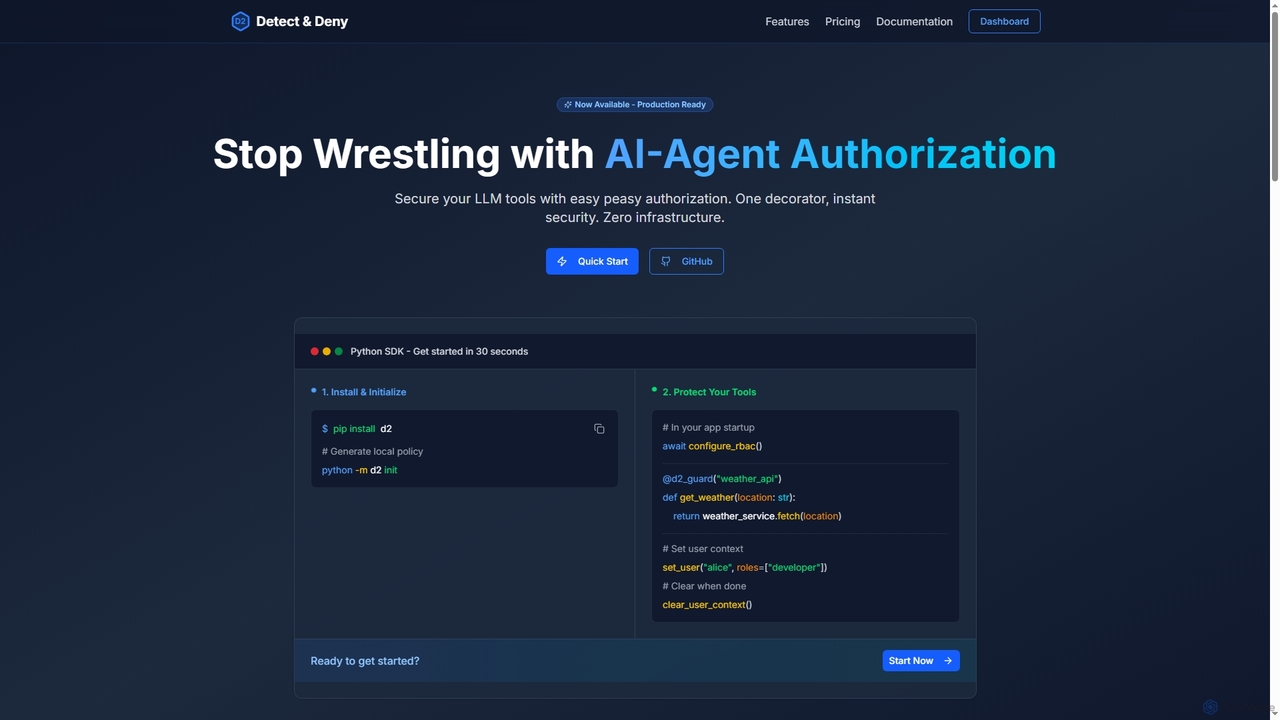
D2 is a Python SDK designed to simplify authorization for AI agents and LLM tools. It provides robust, …
D2 is a Python SDK designed to simplify authorization for AI agents and LLM tools. It provides robust, code-level security by adding a single decorator to your functions, replacing complex authorization logic with an easy-to-manage, policy-based system.
Sistem Expert
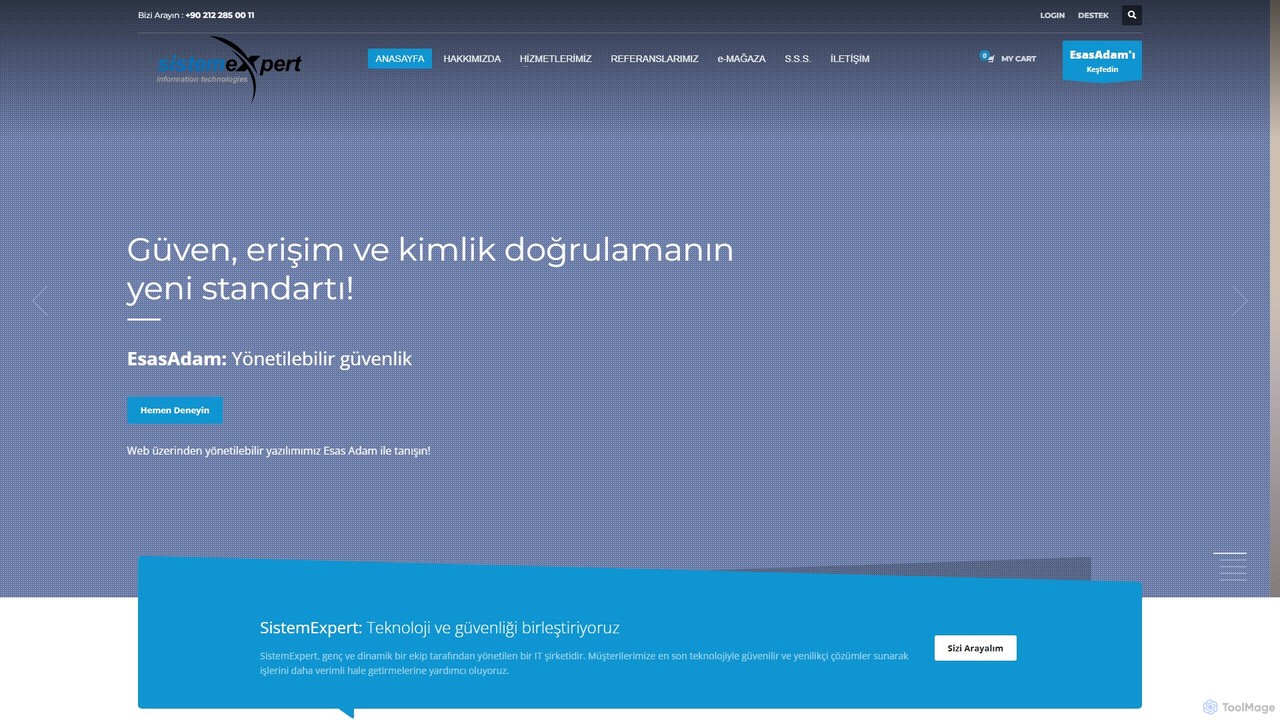
Sistem Expert provides integrated IT and security solutions, specializing in AI-powered biometric access control. They offer comprehensive systems …
Sistem Expert provides integrated IT and security solutions, specializing in AI-powered biometric access control. They offer comprehensive systems including facial recognition, fingerprint scanners, CCTV, and custom turnstiles to enhance security and efficiency for businesses, hospitals, and educational institutions.
railsguard
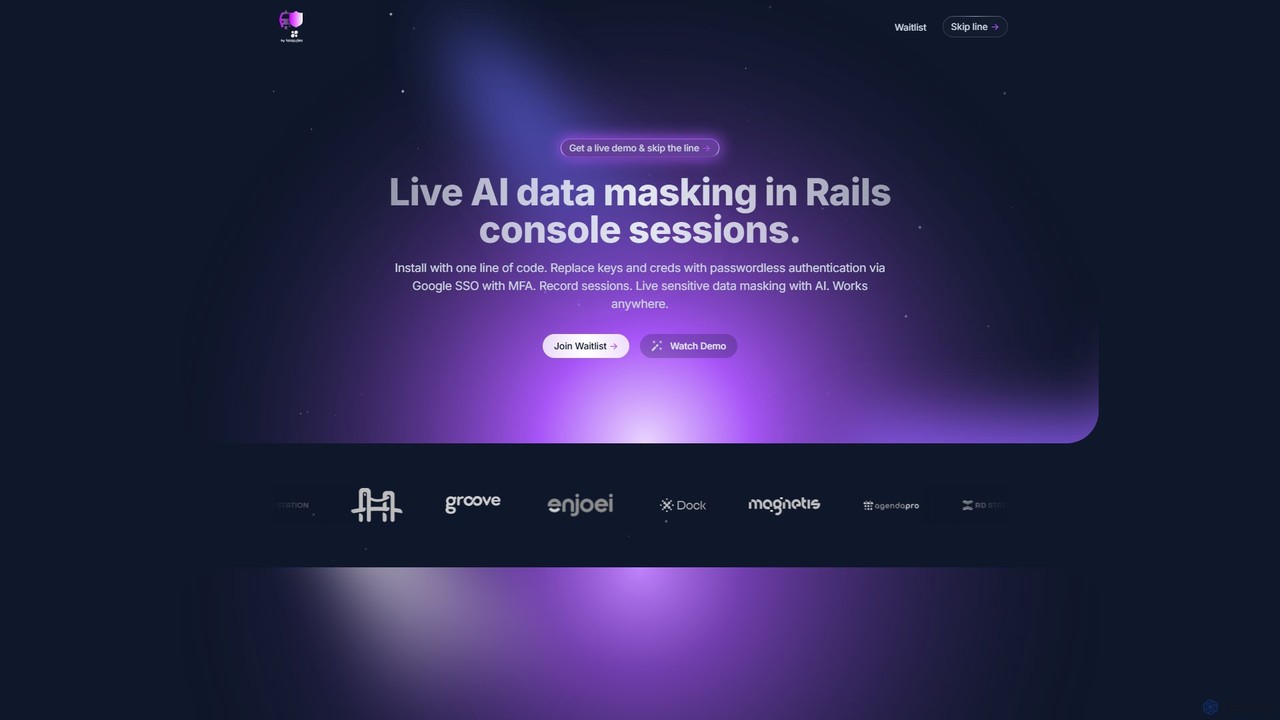
An AI-powered security tool for Ruby on Rails that provides live data masking, passwordless authentication, and comprehensive session …
An AI-powered security tool for Ruby on Rails that provides live data masking, passwordless authentication, and comprehensive session auditing for console sessions. It enhances security and compliance without disrupting developer workflows.
allowly
An AI-powered governance platform that enables businesses to securely manage and control employee access to AI and SaaS …
An AI-powered governance platform that enables businesses to securely manage and control employee access to AI and SaaS applications, preventing shadow IT and ensuring compliance.
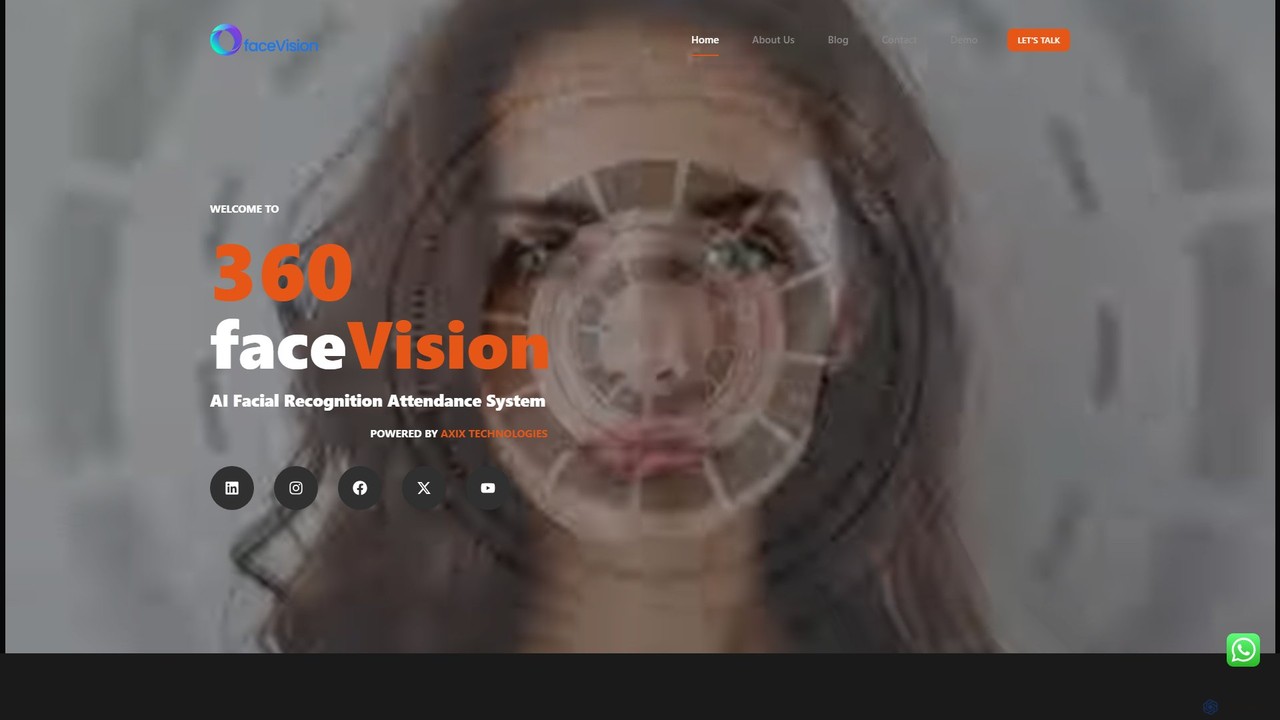
360facevision
360facevision is an advanced AI-powered facial recognition system designed for comprehensive attendance tracking, access control, and HR management. …
360facevision is an advanced AI-powered facial recognition system designed for comprehensive attendance tracking, access control, and HR management. It offers real-time data synchronization, multi-branch support, and robust security features to streamline workforce management for businesses of all sizes.
About Access Control
Access Control tools are AI-driven systems designed to manage and enforce policies on who can access specific digital resources, applications, or data. These tools utilize machine learning to analyze user behavior, context, and risk signals in real-time, moving beyond static, rule-based permissions. This intelligent approach allows for dynamic authorization, granting or denying access based on the principle of least privilege and current threat levels. Consequently, organizations can significantly enhance their security posture by automating complex access decisions and proactively identifying potential insider threats or compromised accounts.
Core Features
- Dynamic Authorization: Grants or restricts access based on real-time context like user location, device health, and time of day.
- Behavioral Analytics: Establishes baseline user behavior and detects anomalies that may indicate a security threat.
- Automated Provisioning: Automatically assigns or revokes access permissions based on user roles, responsibilities, or lifecycle events (e.g., hiring, promotion).
- Risk-Based Authentication: Adjusts authentication requirements, such as triggering multi-factor authentication (MFA), when a high-risk access attempt is detected.
Use Cases
AI Access Control is critical in regulated industries like finance, healthcare, and government, where protecting sensitive data is paramount. IT administrators and security officers use these tools to implement Zero Trust security models, secure cloud infrastructure, and manage access for a remote or hybrid workforce. They are essential for ensuring that employees, contractors, and partners only have access to the information strictly necessary for their roles.
How to Choose
When selecting an Access Control tool, consider its integration capabilities with your existing identity providers (e.g., Active Directory, Okta) and cloud platforms (AWS, Azure). Evaluate the sophistication of its policy engine and its ability to support granular, attribute-based rules. Also, assess its scalability to handle your organization's size and the quality of its reporting and auditing features for compliance purposes.

Access ControlUse Cases
Secure Cloud Infrastructure with Dynamic Access
A DevOps engineer in a tech company needs to grant temporary database access to a developer for a critical hotfix. Instead of manually creating a user with static permissions, they use an AI Access Control tool. The tool grants just-in-time (JIT) access to the specific database for a pre-defined period (e.g., 2 hours). The AI monitors the developer's activity, and if any actions deviate from the expected hotfix tasks, it automatically revokes access and alerts the security team. This minimizes the attack surface by eliminating long-standing privileges.
Prevent Insider Threats in Financial Institutions
A compliance officer at a bank uses an AI Access Control system to monitor access to sensitive customer financial records. The system's behavioral analytics engine learns the typical data access patterns for each employee. When a wealth manager suddenly starts accessing an unusually high number of client accounts outside of their portfolio, the system flags this as anomalous behavior. It automatically triggers a higher level of authentication and sends a real-time alert to the security team for investigation, helping to prevent potential fraud or data theft before it occurs.
Automate Employee Onboarding and Offboarding
An IT administrator at a fast-growing company uses an AI Access Control tool to streamline user lifecycle management. When a new marketing specialist is hired, the system, integrated with the HR software, automatically provisions access to Salesforce, Marketo, and the company's social media management platform based on the 'Marketing Specialist' role template. Conversely, when an employee resigns, their access to all corporate systems is instantly and completely revoked at the designated time, eliminating the risk of unauthorized access from former employees and reducing manual IT workload.
Implement Zero Trust Network Access (ZTNA)
A network security administrator is tasked with replacing a traditional VPN with a Zero Trust model. They deploy an AI Access Control solution that acts as a policy enforcement point. Now, when a remote employee tries to access an internal application, the system first verifies their identity, checks the security posture of their device (e.g., is the OS patched, is antivirus running?), and considers their location. Only after all conditions are met is a secure, encrypted connection established directly to that specific application, not the entire network. This significantly reduces lateral movement risk in case of a breach.
Manage Access for Third-Party Contractors
A healthcare organization needs to provide a third-party billing contractor with access to its patient records system. To ensure HIPAA compliance, the IT team uses an AI Access Control tool to create a highly restricted role. This role only allows access to specific billing information during business hours and from a whitelisted IP address. The tool's AI continuously monitors the contractor's session for any unusual activity, such as attempting to export large datasets, and can automatically terminate the session if a policy is violated, providing a detailed audit trail.
Enforce Risk-Based Authentication for Critical Applications
An e-commerce company wants to protect its administrator portal without inconveniencing users with constant MFA prompts. They implement an AI Access Control tool that calculates a real-time risk score for each login attempt. A login from a known device during business hours is low-risk and granted access with just a password. However, an attempt from an unrecognized device in a different country at 3 AM is flagged as high-risk. The system automatically challenges the user with multiple authentication factors (e.g., SMS code and biometric scan) before granting access, effectively balancing security and user experience.