Security Best in category 1 results Data Utilities AI Tool

Popular AI tools in the Data Utilities field of Security include Rune, etc., helping you quickly improve efficiency.

Rune

Rune

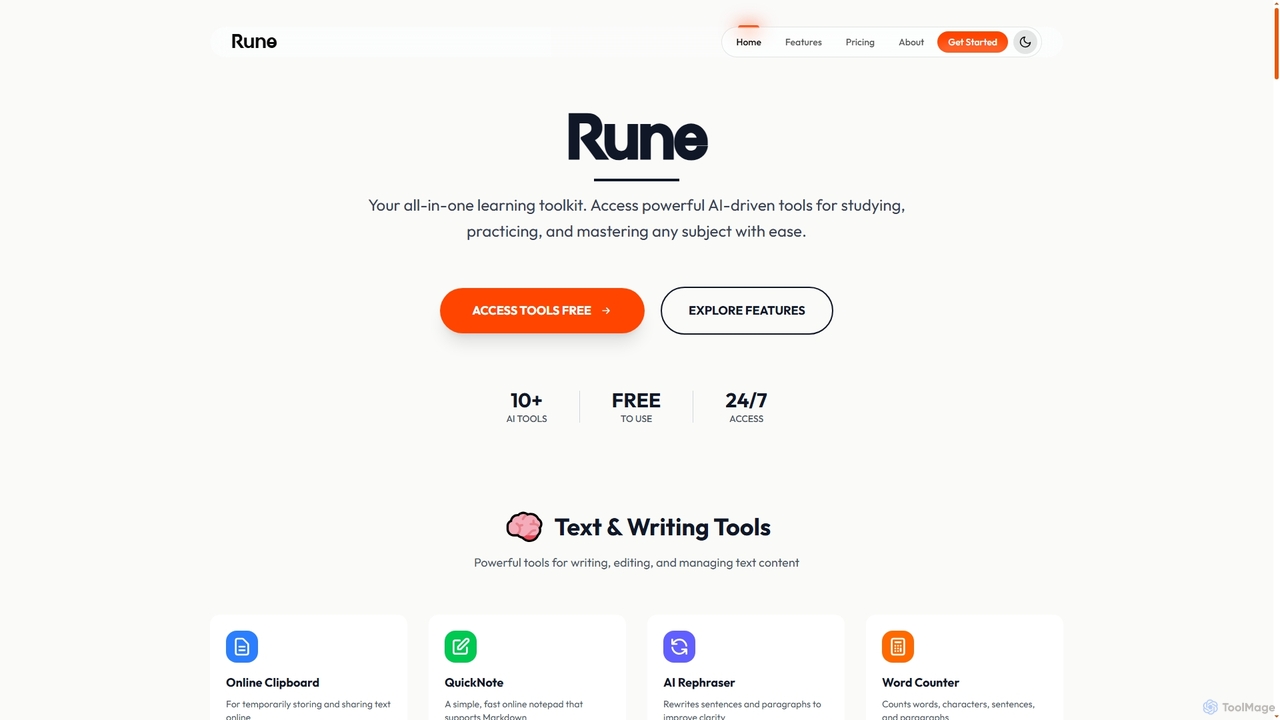
Rune is a comprehensive online toolkit offering over 80 AI-powered tools for productivity, learning, and daily tasks. It …

10.6K

About Data Utilities

Data Utilities are AI-powered tools specifically designed to enhance the security, privacy, and integrity of data across its lifecycle. Leveraging advanced machine learning algorithms, these utilities automate the identification, classification, protection, and monitoring of sensitive information. They play a crucial role within the broader security landscape by providing foundational capabilities to prevent data breaches, ensure regulatory compliance, and maintain trust in digital operations.

Core Features

  • Data Masking & Anonymization: Automatically transforms sensitive data into non-identifiable formats while preserving data utility for analysis or testing.
  • Data Loss Prevention (DLP) Scanning: Scans and monitors data in transit and at rest to detect and prevent unauthorized disclosure of sensitive information.
  • Secure Data Transfer & Sharing: Facilitates encrypted and controlled sharing of confidential files and datasets, often with audit trails and access controls.
  • Data Integrity Verification: Utilizes hashing and other cryptographic methods to ensure data has not been altered or corrupted during storage or transmission.
  • Automated Data Classification: Intelligently categorizes data based on sensitivity, content, and regulatory requirements, enabling targeted security policies.

Use Cases

Organizations across various sectors utilize AI Data Utilities to fortify their data security posture. For instance, healthcare providers employ these tools to anonymize patient records for research while complying with HIPAA. Financial institutions use them to detect and prevent the unauthorized sharing of customer financial data, adhering to PCI DSS and other regulations. Furthermore, enterprises leverage these utilities to manage and secure vast amounts of intellectual property and confidential business information.

How to Choose

When selecting AI Data Utilities, prioritize tools that offer comprehensive coverage for your data types and storage locations. Evaluate their integration capabilities with your existing security infrastructure, such as SIEM systems and identity management platforms. Ensure the tools support the specific compliance standards relevant to your industry (e.g., GDPR, CCPA, HIPAA). Finally, consider the level of automation and ease of management, as these factors significantly impact operational efficiency and effectiveness.

Data UtilitiesUse Cases

1

Anonymizing Sensitive Customer Data

A data analyst in an e-commerce company needs to perform market research on customer purchasing patterns without compromising individual privacy. Using AI Data Utilities, they can automatically anonymize customer names, addresses, and other personally identifiable information (PII) in large datasets. This allows for valuable insights to be extracted while ensuring compliance with data protection regulations like GDPR and CCPA, mitigating the risk of privacy breaches.

2

Preventing Intellectual Property Leakage

An R&D department in a technology firm handles highly confidential product designs and source code. To prevent accidental or malicious leakage, AI Data Utilities are deployed to monitor internal communication channels (email, chat, cloud storage) for sensitive keywords, file types, and patterns indicative of IP. The tools automatically flag or block unauthorized sharing attempts, safeguarding critical business assets and maintaining competitive advantage.

3

Securely Sharing Research Data with External Partners

A university research team collaborates with external institutions on a joint study involving sensitive experimental data. Instead of insecure methods, they use AI Data Utilities to encrypt, watermark, and apply granular access controls to the datasets before sharing. This ensures that only authorized partners can access the data, and any unauthorized distribution can be traced, maintaining data integrity and confidentiality throughout the collaboration.

4

Automated Data Classification for Compliance

A large enterprise manages petabytes of data across various departments, making manual classification impractical. AI Data Utilities are implemented to automatically scan, identify, and classify data based on its content, context, and sensitivity level (e.g., public, internal, confidential, restricted). This automated classification enables the enforcement of appropriate security policies, access controls, and retention schedules, streamlining compliance efforts for regulations like ISO 27001.

5

Ensuring Data Integrity in Financial Transactions

A fintech company processes millions of financial transactions daily, where data integrity is paramount. They utilize AI Data Utilities to generate cryptographic hashes for each transaction record and periodically verify these hashes. Any discrepancy immediately signals potential data tampering or corruption, allowing for rapid detection and remediation of integrity breaches, thereby building trust and preventing financial fraud.

6

Managing Cross-Border Data Transfer Compliance

A multinational corporation frequently transfers employee and customer data between different geographical regions, each with unique data residency and privacy laws. AI Data Utilities help by identifying data subject to specific regulations, applying necessary encryption or anonymization before transfer, and generating audit trails for compliance reporting. This ensures legal and secure data flow across borders, avoiding hefty fines and reputational damage.

Data UtilitiesFrequently Asked Questions