Security Best in category 1 results Detection AI Tool

Popular AI tools in the Detection field of Security include Layly, etc., helping you quickly improve efficiency.

Layly

Layly

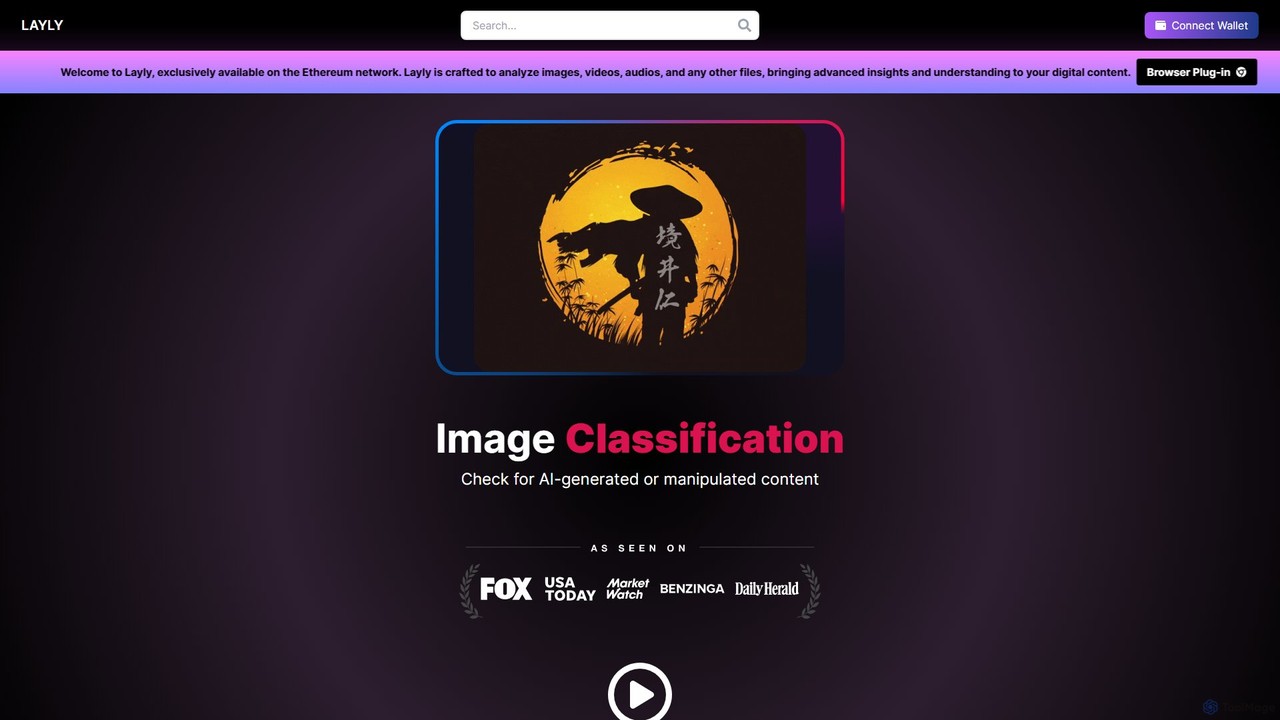
Layly is a Web3-based AI platform designed to combat misinformation by detecting AI-generated content. It analyzes images to …

2.0K

About Detection

AI Detection tools are specialized applications designed to identify content generated by artificial intelligence, detect digital manipulations like deepfakes, or spot anomalies in data sets. These tools leverage machine learning models trained to recognize the subtle patterns, statistical signatures, and artifacts characteristic of synthetic or fraudulent data. Their primary value lies in verifying authenticity, upholding academic and creative integrity, and enhancing security by flagging suspicious activities. They are crucial for distinguishing between human-created and machine-generated content in an increasingly AI-driven world.

Core Features

  • AI Content Identification: Determines the probability that a piece of text, an image, or audio was generated by an AI model.
  • Deepfake and Synthetic Media Analysis: Scans video and audio files for signs of digital manipulation and facial synthesis.
  • Anomaly Detection: Identifies unusual patterns or outliers in data that deviate from expected behavior, often used for fraud prevention.
  • Plagiarism and Originality Checking: Compares submitted content against vast databases to detect unoriginal text and potential copyright issues.
  • Source Attribution: Attempts to identify the specific AI model or family of models used to generate a piece of content.

Use Cases

These tools are widely used in academia by educators to check for AI-generated essays, in journalism and media to verify the authenticity of sources and visual content, and in financial institutions to detect fraudulent transactions. Content creators and marketing agencies also use them to ensure the originality of their work and avoid penalties from search engines.

How to Choose

When selecting an AI Detection tool, consider its accuracy rates and false positive/negative statistics. Evaluate the range of content types it supports (e.g., text, images, video, audio). Check for API access for integration into existing workflows, and assess the clarity of its reports and the evidence it provides for its conclusions. Finally, consider the tool's specialization, as some are better for academic text while others excel at deepfake detection.

DetectionUse Cases

1

Verifying Academic Integrity in Education

An educator at a university needs to ensure that student essays are their own original work and not generated by AI language models. They use an AI detection tool to analyze submissions. The tool scans the text for patterns common in AI-generated content, such as overly consistent sentence structure and unusual phrasing. It provides a probability score indicating the likelihood of AI authorship. This allows the educator to identify papers that require further scrutiny, upholding academic standards and promoting fair assessment for all students.

2

Authenticating Media Content for Journalism

A news organization receives a video clip of a public figure making a controversial statement. Before publishing, the verification team must confirm its authenticity. They use a deepfake detection tool to analyze the video frame by frame. The tool checks for subtle inconsistencies in facial movements, blinking patterns, and audio synchronization that are hallmarks of synthetic media. The analysis report confirms the video is likely authentic, allowing the news outlet to proceed with their story confidently, thereby protecting their reputation and preventing the spread of misinformation.

3

Detecting Financial Transaction Fraud

A fintech company's security team is tasked with preventing fraudulent transactions in real-time. They integrate an AI anomaly detection tool into their payment processing system. The tool analyzes thousands of transactions per second, building a baseline of normal customer behavior. When a transaction occurs that deviates significantly from this baseline—such as a large purchase from an unusual location—the system flags it as suspicious. This triggers an immediate review or an automated block, preventing financial loss for both the customer and the company.

4

Ensuring Content Originality for SEO

A digital marketing agency manages blogs for multiple clients and relies on freelance writers. To maintain high SEO rankings and avoid plagiarism penalties, the content manager uses an AI detection and plagiarism checker. Before publishing any article, they run it through the tool. It cross-references the text with a massive online database and also assesses the likelihood of AI generation. The tool flags duplicate sentences and highlights sections that seem machine-written, allowing the manager to request revisions and ensure all published content is unique, human-quality, and valuable to readers.

5

Identifying AI-Generated Art in Competitions

The organizers of a digital art competition need to enforce a "no AI-generated submissions" rule. As entries come in, they use an AI image detection tool to screen each piece. The tool analyzes the images for digital artifacts, unusual patterns in textures, and other signatures often left by generative models. It provides a report for each image, highlighting areas of concern and giving a confidence score for AI generation. This helps the judges disqualify ineligible entries efficiently and maintain a level playing field for human artists.

6

Detecting Bots and Fake Reviews on Platforms

An e-commerce platform manager notices a sudden surge in five-star reviews for a new product, which seems suspicious. They employ an AI detection tool that specializes in behavioral analysis. The tool examines review patterns, timing, language, and user account histories. It identifies that many reviews were posted from new accounts within a short time frame, using similar phrasing. The system flags these as likely bot-generated. This allows the platform to remove the fake reviews, protecting consumer trust and ensuring the integrity of its rating system.

DetectionFrequently Asked Questions