
ToolMage
Sign in

Best 1 Proctoring AI tools for Security

Popular Proctoring AI tools in Security include withsherlock, helping you work more efficiently.

withsherlock
Freemium

withsherlock

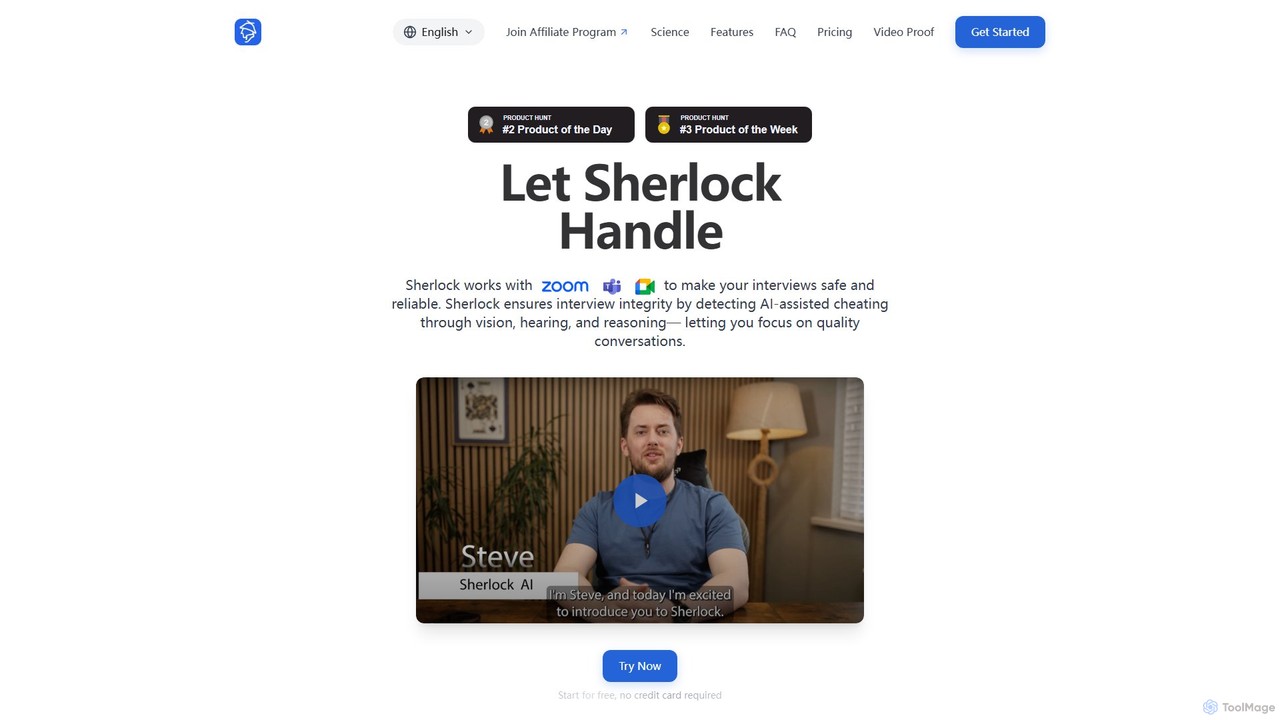
withsherlock is an AI-powered interview proctoring agent designed to ensure interview integrity. It detects and prevents AI-assisted cheating in real-time during remote interviews on platforms like Zoom, Teams, and Meet. By using advanced visual, audio, and behavioral analysis, it helps recruiters and hiring managers focus on candidate quality and make confident hiring decisions.

Recruiting
Visits 48.5KFavorites 124Likes 135

About Proctoring

AI Proctoring tools are specialized AI-powered solutions designed to monitor and verify the integrity of online assessments and examinations. These tools leverage advanced computer vision, audio analysis, and behavioral analytics to detect potential academic misconduct or unauthorized assistance during remote testing. They ensure fairness and maintain the credibility of certifications, educational degrees, and professional qualifications by providing a secure and controlled testing environment.

Core Features

  • Facial Recognition & ID Verification: Confirms the test-taker's identity and ensures the same individual remains present throughout the exam.
  • Eye Tracking & Gaze Detection: Monitors eye movements to identify suspicious behavior, such as looking away from the screen frequently or at unauthorized materials.
  • Screen Monitoring & Application Detection: Records screen activity, detects unauthorized applications, and flags attempts to access external resources.
  • Audio Analysis & Environment Monitoring: Listens for suspicious sounds, conversations, or unauthorized voices in the testing environment.
  • Behavioral Anomaly Detection: Identifies unusual patterns in typing, mouse movements, or body language that may indicate cheating.

Applicable Scenarios

AI Proctoring is crucial for institutions and organizations requiring high-stakes assessments. It is widely adopted in online universities for final exams, professional bodies for certification tests, and corporations for compliance training assessments. These tools help maintain the validity of results in remote learning and professional development programs.

How to Choose

When selecting an AI Proctoring solution, prioritize accuracy in detection to minimize false positives, robust privacy compliance (e.g., GDPR, FERPA) for data protection, and seamless integration with existing learning management systems (LMS). Also consider scalability for varying test volumes, comprehensive reporting features, and responsive technical support.

Proctoring use cases

1

Online University Final Exams

University administrators utilize AI proctoring to supervise thousands of students taking remote final exams simultaneously. The system monitors student behavior, screen activity, and audio, flagging any suspicious incidents for review, thereby upholding academic integrity and ensuring fair grading across all online courses.

2

Professional Certification Testing

Organizations offering high-stakes professional certifications (e.g., IT, finance, healthcare) deploy AI proctoring to ensure candidates adhere to strict testing protocols. This prevents cheating, verifies the authenticity of results, and maintains the industry standard and value of the earned certifications, crucial for professional credibility.

3

Corporate Compliance & Training Assessments

Companies use AI proctoring for mandatory compliance training assessments and internal skill evaluations. It ensures employees are genuinely engaging with the material and honestly completing tests, which is vital for regulatory adherence and accurate assessment of employee knowledge and skill development.

4

K-12 Remote Learning Assessments

Educators in K-12 remote learning environments employ AI proctoring for secure online quizzes and tests. The tools help create a fair testing environment for younger students, providing teachers with insights into potential misconduct while adapting to age-appropriate monitoring levels, supporting equitable learning outcomes.

5

Language Proficiency Exam Supervision

Institutions administering standardized language proficiency exams remotely use AI proctoring to ensure test-takers are not receiving unauthorized assistance. This guarantees the validity of scores, which are often critical for immigration, academic admissions, or professional employment requiring specific language skills.

6

Remote Hiring Skill Verification

Recruiting teams leverage AI proctoring during remote technical or aptitude tests for job candidates. This ensures that candidates are completing assessments independently, providing an accurate measure of their true skills and abilities, which is essential for making informed hiring decisions and maintaining a fair recruitment process.

Proctoring FAQ

What are AI Proctoring tools?

AI Proctoring tools are software solutions that use artificial intelligence, including computer vision and machine learning, to monitor and verify the integrity of online exams and assessments. They automatically detect and flag suspicious behaviors, such as unauthorized communication, accessing external resources, or identity discrepancies, to prevent cheating and ensure a fair testing environment.

How do I choose an effective AI Proctoring solution?

When selecting an AI Proctoring solution, consider its detection accuracy to minimize false positives, its compliance with privacy regulations (e.g., GDPR, FERPA), and its compatibility with your existing learning management systems. Evaluate the robustness of its reporting features, the level of human review integration, and the quality of technical support and user training provided.

What specific types of cheating can AI Proctoring detect?

AI Proctoring can detect various forms of cheating, including identity fraud (someone else taking the test), unauthorized materials (notes, books), communication with others (talking, messaging), use of unauthorized devices (phones, secondary computers), looking away from the screen, and accessing prohibited applications or websites during an exam. It flags these anomalies for review.

How do AI Proctoring tools address student privacy concerns?

AI Proctoring tools address privacy concerns by implementing strict data encryption, requiring explicit consent from test-takers, and adhering to data retention policies that limit how long data is stored. Many solutions offer options for human review only when suspicious activity is flagged, and some provide "privacy mode" features or clear guidelines on data usage and deletion, ensuring transparency and control.

How does AI Proctoring differ from general online security monitoring?

While both fall under the broader "Security" category, AI Proctoring is specifically designed for the integrity of assessments, focusing on test-taker behavior and environment to prevent academic or professional misconduct. General online security monitoring, conversely, typically focuses on protecting networks, data, and systems from cyber threats, unauthorized access, or malware. Proctoring's scope is narrower, highly specialized, and context-aware for examination settings.