Bot Butcher
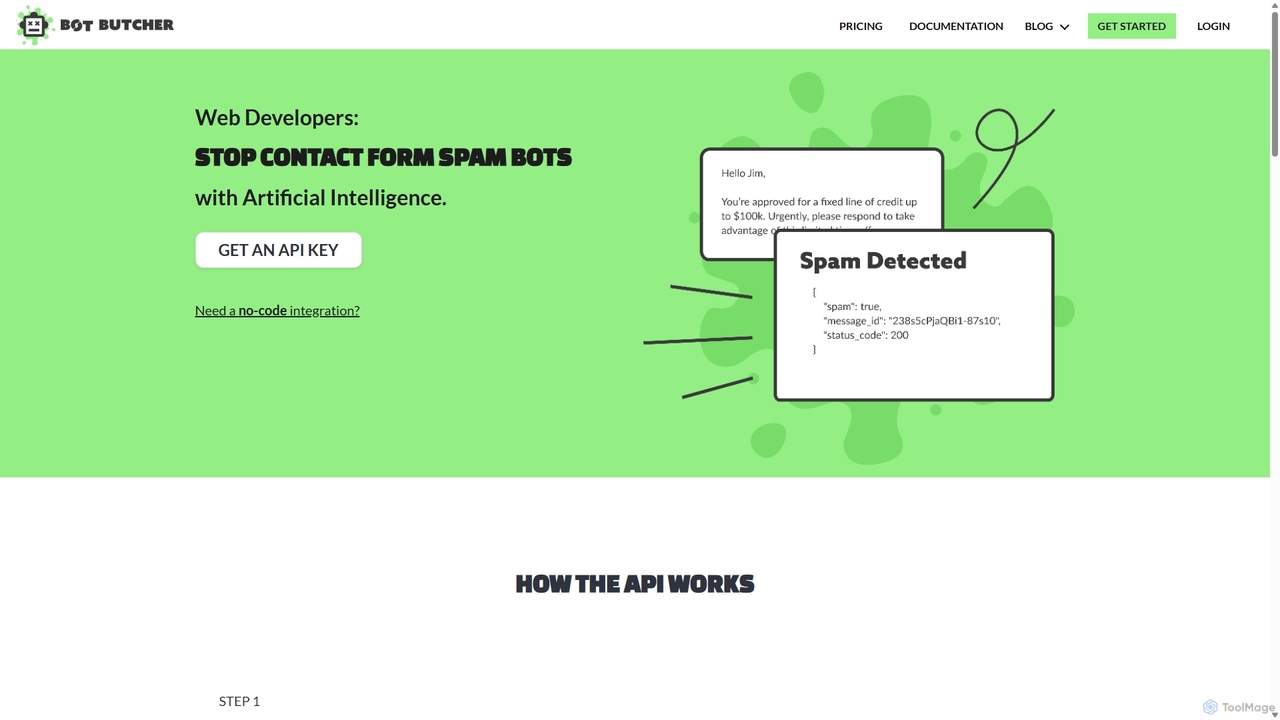
Bot Butcher is an AI-powered anti-spam API designed for websites. It uses a fine-tuned large language model to …
Bot Butcher is an AI-powered anti-spam API designed for websites. It uses a fine-tuned large language model to classify contact form submissions and other user-generated text, effectively blocking spam without requiring annoying CAPTCHAs. It serves as a developer-friendly, privacy-focused alternative to traditional solutions like reCAPTCHA.
SpamCheck.ai
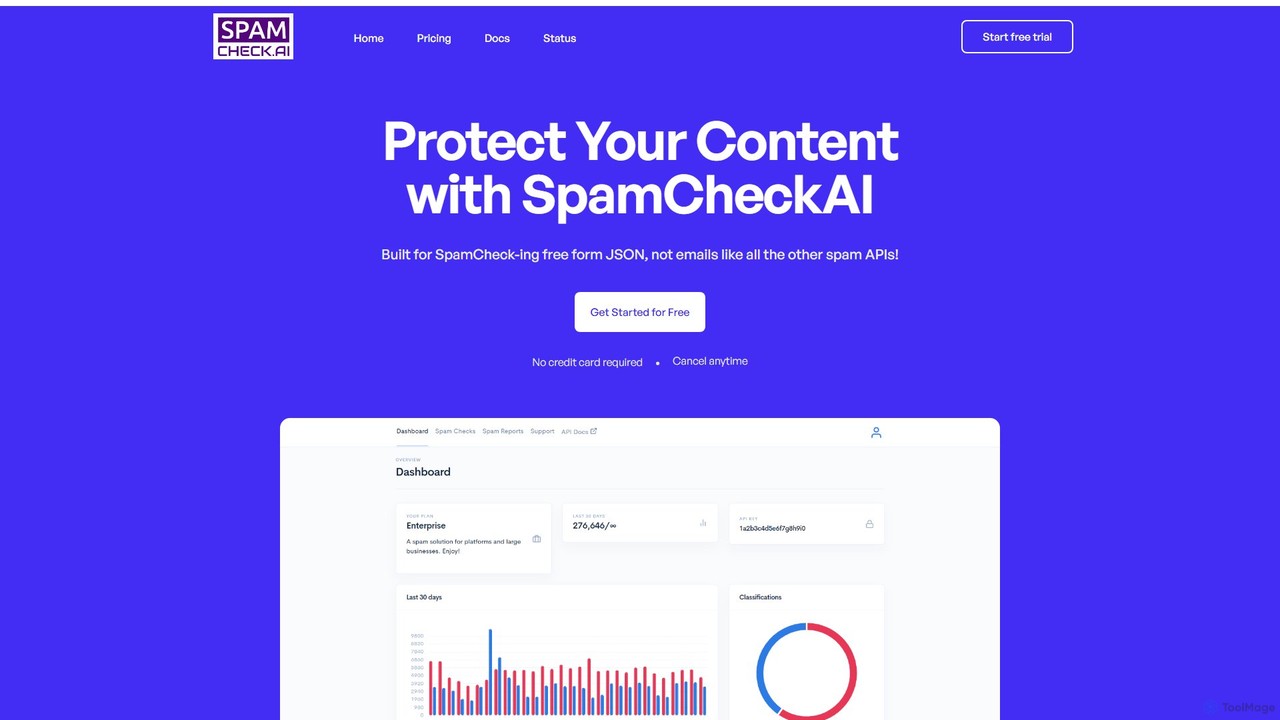
SpamCheck.ai is an AI-powered API designed for developers to detect and prevent spam in various forms of user-generated …
SpamCheck.ai is an AI-powered API designed for developers to detect and prevent spam in various forms of user-generated content. It specializes in analyzing free-form JSON data, going beyond traditional email filters. By combining modern AI with proven heuristics, it provides comprehensive protection against spam, profanity, and malicious content, helping to maintain the integrity of online platforms.
Spamdrain
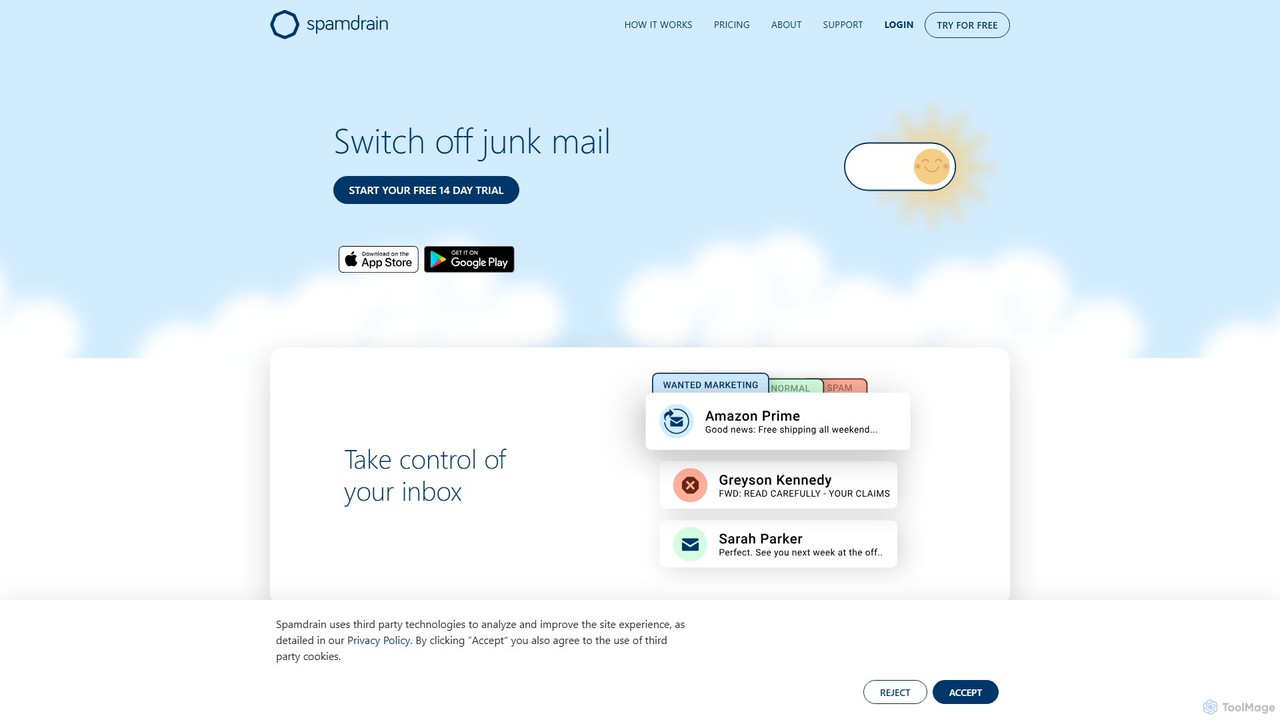
Spamdrain is an AI-powered anti-spam service that cleans your inbox by blocking spam, junk mail, and phishing attempts. …
Spamdrain is an AI-powered anti-spam service that cleans your inbox by blocking spam, junk mail, and phishing attempts. With over 16 years of experience, it combines smart technology with user feedback to create a highly effective filter. It works across all email providers and devices, giving you back control over your email and saving you precious time.
About Spam Filtering
Spam Filtering tools are AI-powered solutions designed to automatically identify, block, and quarantine unwanted or malicious digital communications, primarily emails. Leveraging advanced machine learning algorithms, these tools analyze content, sender reputation, and behavioral patterns to distinguish legitimate messages from spam, phishing attempts, and malware. They significantly enhance digital security and productivity by preventing harmful or irrelevant content from reaching inboxes, thereby protecting users and organizations from cyber threats and information overload.
Core Features
- Content Analysis: Examines email body, subject lines, and attachments for suspicious keywords, patterns, and malicious code.
- Sender Reputation Scoring: Evaluates the trustworthiness of senders based on historical data, blacklists, and domain authentication protocols (SPF, DKIM, DMARC).
- Behavioral Pattern Recognition: Identifies anomalies in email traffic, such as mass unsolicited mailings or unusual sending behaviors, indicative of spam campaigns.
- Phishing and Malware Detection: Specifically targets sophisticated phishing links, ransomware, and other malicious payloads embedded within emails.
- Customizable Rules & Whitelists/Blacklists: Allows users to define specific criteria for blocking or allowing emails, tailoring filtering to individual needs.
Use Cases
Organizations and individuals utilize spam filtering tools to maintain clean inboxes and bolster cybersecurity. This includes protecting corporate networks from email-borne threats, ensuring personal email accounts remain free of unsolicited advertisements, and safeguarding sensitive data from phishing attacks.
How to Choose
When selecting a spam filtering tool, consider its detection accuracy and false positive rate, integration capabilities with existing email systems, scalability for your user base, and the level of customization offered. Evaluate its ability to combat emerging threats and its reporting features for insights into blocked content.
Spam FilteringUse Cases
Safeguarding Enterprise Email Infrastructure
IT administrators in large corporations deploy AI spam filtering tools to protect thousands of employee inboxes from a constant barrage of phishing attempts, malware, and unsolicited commercial emails. By automatically quarantining suspicious messages before they reach users, these tools drastically reduce the risk of data breaches, ransomware infections, and employee productivity loss due to email overload, ensuring business continuity and compliance with security policies.
Securing Personal Email Accounts from Threats
Individual users leverage spam filtering services to keep their personal inboxes clean and secure. These tools automatically detect and move unwanted promotional emails, scam attempts, and potentially malicious links to a spam folder, allowing users to focus on important communications. This prevents exposure to identity theft, financial fraud, and ensures a more organized and safer digital communication experience.
Mitigating Targeted Phishing Campaigns
Cybersecurity teams use advanced spam filtering solutions to specifically identify and block sophisticated phishing emails that mimic legitimate organizations. These tools analyze email headers, sender authenticity, and embedded URLs for suspicious indicators, preventing employees from clicking malicious links or divulging sensitive information. This proactive defense is crucial for protecting corporate credentials and sensitive data from social engineering tactics.
Streamlining Customer Service Email Management
Customer support departments, often overwhelmed by high volumes of incoming emails, utilize spam filtering to automatically discard irrelevant or abusive messages. This ensures that genuine customer inquiries are prioritized and reach support agents promptly, improving response times and overall customer satisfaction. By filtering out noise, agents can focus their efforts on resolving actual customer issues more efficiently.
Filtering Spam Submissions from Website Forms
Website administrators and marketing teams integrate spam filtering mechanisms with their contact and lead generation forms. This prevents automated bots and malicious actors from submitting junk data, fake inquiries, or spam advertisements through website forms. By ensuring only legitimate submissions are received, businesses can maintain data quality, reduce manual cleanup efforts, and focus on genuine leads.
Ensuring Regulatory Compliance for Email Communications
Organizations operating under strict data protection regulations (e.g., GDPR, HIPAA) employ robust spam filtering to prevent the accidental transmission or reception of sensitive data through insecure channels, or to block emails that could lead to compliance breaches. These tools help maintain a secure email environment, reducing the risk of regulatory fines and reputational damage by enforcing strict email security policies.