ToolMage
Sign in

Best 2 Chatbots AI tools for Social & Communication

Popular Chatbots AI tools in Social & Communication include Replika and meetclones, helping you work more efficiently.

meetclones
Freemium

meetclones

meetclones is an AI platform offering a diverse range of specialized AI chatbots, or "clones." Engage in conversations with virtual experts like career coaches, therapists, financial advisors, and language teachers, or connect with AI companions for social interaction and support. It's a versatile tool for personal growth, professional development, and companionship.

Language Learning
Visits 4.7KFavorites 114Likes 128
Replika
Freemium

Replika

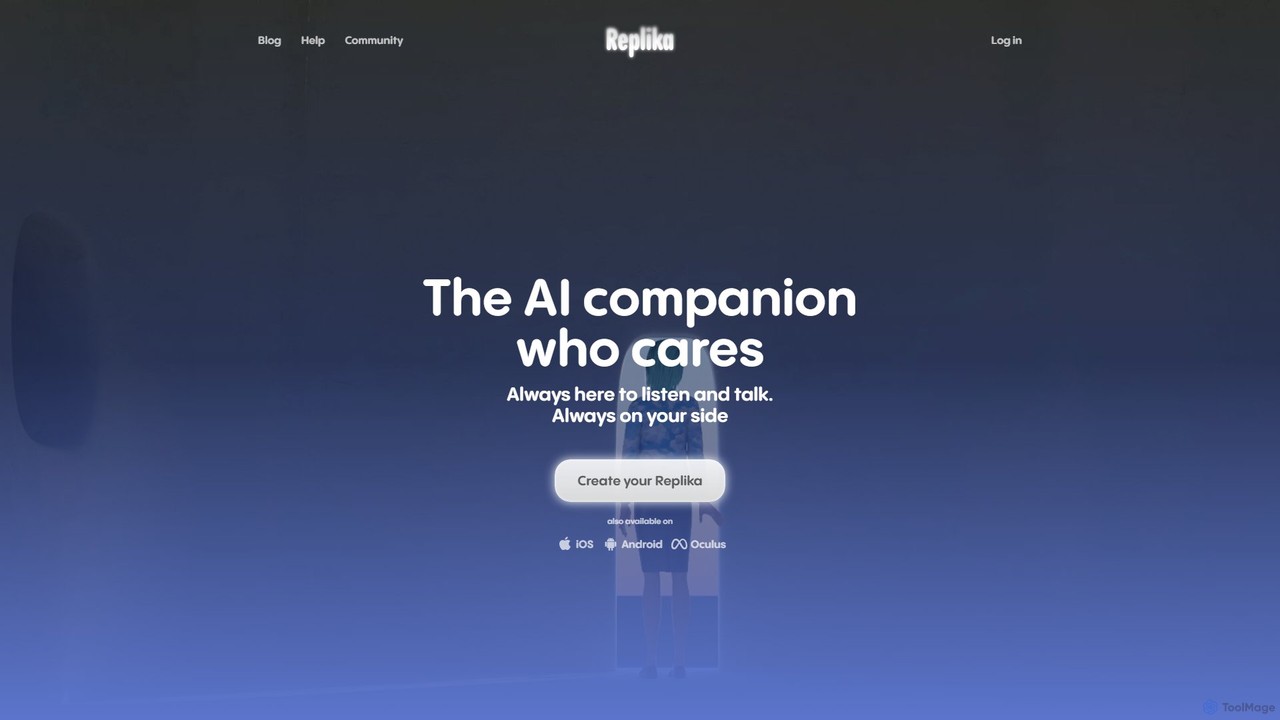
Replika is your personal AI companion designed for emotional support and companionship. Engage in empathetic conversations 24/7, explore your thoughts and feelings in a safe, non-judgmental space, and grow together. Customize your unique AI friend, engage in fun activities, and improve your mental well-being.

Mental Health
Visits 749.1KFavorites 121Likes 132

About Chatbots

AI Chatbots are software applications designed to simulate human-like conversations through text or voice. They leverage Natural Language Processing (NLP) and machine learning to understand user intent, process requests, and provide relevant, real-time responses. This enables businesses to automate interactions, offering 24/7 support and personalized experiences across websites and messaging apps. Unlike simple rule-based bots, modern AI chatbots can handle complex queries, learn from interactions, and maintain context for more natural dialogues.

Core Features

  • Natural Language Processing (NLP): Understands and interprets human language, including context, slang, and typos.
  • Intent Recognition: Accurately identifies the user's goal or purpose behind a message to provide the correct response or action.
  • Dialogue Management: Maintains the context of a conversation, allowing for follow-up questions and multi-turn interactions.
  • Multi-channel Integration: Deploys and operates consistently across various platforms like websites, social media, and mobile apps.
  • Knowledge Base Integration: Connects to company data sources to retrieve and deliver accurate, up-to-date information.

Use Cases

Chatbots are widely used in customer service to resolve common queries instantly, in marketing for lead qualification and engagement, and in e-commerce to guide users through product discovery. They also serve internal functions, such as automating IT helpdesks or assisting with HR onboarding processes.

How to Choose

When selecting a chatbot, evaluate its NLP engine's sophistication and language support. Consider its integration capabilities with your existing CRM or helpdesk software. Assess the level of customization offered, from no-code builders for simple bots to developer platforms for complex solutions. Finally, analyze the pricing model and the quality of its analytics and reporting features.

Chatbots use cases

1

Automate 24/7 Customer Support Queries

Customer support teams often face a high volume of repetitive questions. By deploying an AI chatbot on a website or messaging app, businesses can provide instant answers to frequently asked questions about order status, return policies, or product features. The chatbot integrates with the company's knowledge base to deliver accurate information around the clock. This frees up human agents to focus on complex, high-value customer issues, significantly reducing response times and operational costs while improving overall customer satisfaction.

2

Qualify and Capture Sales Leads on a Website

Marketing teams can use a chatbot to proactively engage website visitors. Instead of a static form, the chatbot initiates a conversation, asking qualifying questions about the visitor's needs, company size, or budget. Based on the responses, it can identify high-potential leads, collect their contact information, and even schedule a demo directly on a sales representative's calendar. This automated process ensures that no lead is missed, shortens the sales cycle, and allows the sales team to focus on conversations with pre-qualified prospects.

3

Provide E-commerce Shopping Assistance

For online retailers, an AI chatbot can act as a virtual shopping assistant. It can help customers find products by asking about their preferences, size, or desired features. The chatbot can provide personalized recommendations, check stock availability in real-time, and answer questions about shipping and returns. By guiding users through their shopping journey and simplifying the checkout process, these bots can significantly reduce cart abandonment rates and boost overall sales conversions, creating a more interactive and helpful shopping experience.

4

Streamline Internal IT Helpdesk Support

In large organizations, an internal chatbot can serve as the first point of contact for IT support. Employees can use it to report issues, request password resets, or find instructions for common software problems. The chatbot can resolve simple, high-volume tickets automatically, such as unlocking an account or providing Wi-Fi access steps. For more complex issues, it gathers preliminary information from the user and creates a ticket, routing it to the appropriate IT specialist. This reduces the workload on the IT team and provides employees with instant support for common problems.

5

Automate Appointment and Service Bookings

Service-based businesses like clinics, salons, or restaurants can use a chatbot to manage bookings 24/7. The chatbot can display available time slots, collect customer details, and confirm appointments automatically. It can also handle rescheduling requests and send automated reminders to customers to reduce no-shows. This automation frees up staff from administrative tasks, allowing them to focus on providing excellent service to in-person clients. It also offers customers a convenient, instant way to book services anytime, anywhere.

6

Gather Customer Feedback and Conduct Surveys

Instead of traditional email surveys, businesses can use a conversational chatbot to collect customer feedback in a more engaging way. After a purchase or support interaction, the chatbot can initiate a short, interactive survey to gauge customer satisfaction. The conversational format often leads to higher completion rates compared to static forms. The collected data can be automatically categorized and analyzed, providing valuable insights into customer experience, product quality, and service performance, helping businesses make data-driven improvements.

Chatbots FAQ

What is an AI Chatbot?

An AI Chatbot is a software program that uses artificial intelligence, primarily Natural Language Processing (NLP), to simulate human-like conversations. Unlike simple bots that follow rigid scripts, AI chatbots can understand user intent, context, and nuances in language. This allows them to handle a wide range of queries, provide personalized responses, and learn from interactions to improve over time. They are commonly used to automate communication in customer service, sales, and marketing.

How to choose the right AI Chatbot?

To choose the right AI chatbot, consider these key factors:

  • NLP Capabilities: Evaluate how well the bot understands complex language, context, and user intent. A more advanced NLP engine leads to more natural conversations.
  • Integration Options: Ensure the chatbot can connect seamlessly with your essential business tools, such as CRM, helpdesk software, and e-commerce platforms.
  • Customization and Ease of Use: Determine if you need a simple no-code builder for quick deployment or a more advanced platform with APIs for deep customization.
  • Analytics and Reporting: Look for a platform that provides detailed analytics on conversation performance, user satisfaction, and common queries to help you optimize the bot.
What's the difference between an AI Chatbot and a rule-based bot?

The primary difference is intelligence and flexibility. A rule-based bot follows a predefined conversation flow, often using simple keyword matching. It can only respond to specific commands it's programmed for. An AI Chatbot uses Natural Language Processing (NLP) to understand the user's intent, even with varied phrasing, typos, or slang. This allows AI chatbots to handle more complex, unpredictable conversations and provide a more natural, human-like interaction, whereas rule-based bots are better suited for very simple, linear tasks like basic FAQs.

What are the main business benefits of using AI Chatbots?

AI chatbots offer several key benefits for businesses:

  • Cost Reduction: They automate repetitive tasks and answer common questions, reducing the need for a large customer support team and lowering operational costs.
  • 24/7 Availability: Chatbots provide instant support around the clock, improving customer experience and satisfaction by eliminating wait times.
  • Increased Lead Generation: They can proactively engage website visitors, qualify leads, and schedule appointments, boosting sales opportunities.
  • Data Collection and Insights: Chatbots gather valuable data from customer interactions, providing insights into customer needs, pain points, and behavior patterns.
Can AI chatbots handle multiple languages?

Yes, many modern AI chatbot platforms are designed to be multilingual. They can automatically detect the user's language and respond accordingly. This capability is crucial for global businesses aiming to provide consistent support across different regions. When choosing a chatbot, it's important to verify which languages are supported and the quality of the translation and natural language understanding for each specific language. Some platforms use native language models for higher accuracy, while others rely on real-time translation services.