ToolMage
Sign in

Best 2 Companionship AI tools for Social & Communication

Popular Companionship AI tools in Social & Communication include MemoryLane and Memory Lane, helping you work more efficiently.

Memory Lane
Freemium

Memory Lane

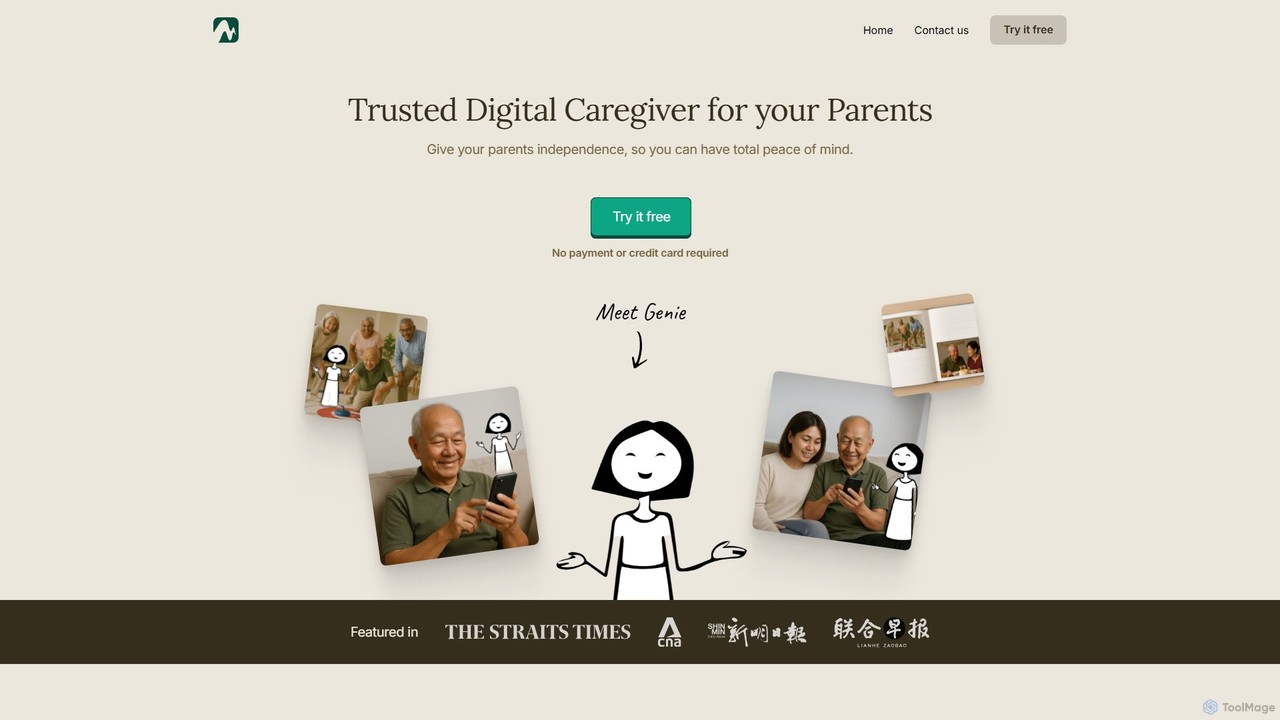
Memory Lane is an AI-powered digital caregiver app designed to support seniors. Its AI assistant, Genie, provides instant tech support, scam protection, daily routine assistance, and companionship. The app helps seniors use their smartphones safely and independently while keeping their families connected and informed about their well-being.

Elderly Care
Visits 5.9KFavorites 114Likes 104
MemoryLane
Freemium

MemoryLane

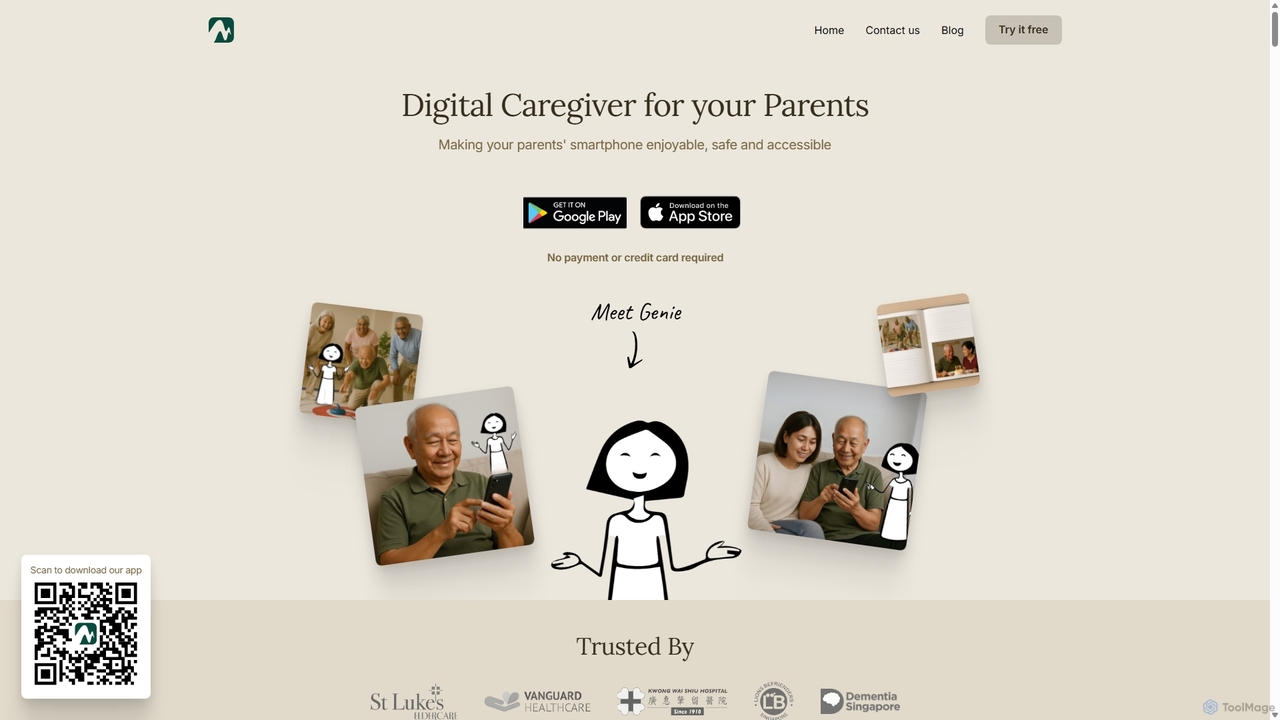
MemoryLane is an AI-powered digital caregiver designed for seniors. It provides on-screen tech support, scam protection, health monitoring, and companionship through an AI assistant named Genie. It empowers seniors to use technology independently while giving their families peace of mind through regular updates.

Elderly Care
Visits 7.4KFavorites 150Likes 136

About Companionship

Companionship AI tools are a specialized category within Social & Communication, designed to provide emotional support, engaging conversation, and a sense of connection through artificial intelligence. These tools leverage advanced natural language processing and emotional intelligence to mimic human-like interaction, offering users a consistent and personalized conversational partner. They serve as a digital companion, helping to alleviate loneliness, provide a non-judgmental space for expression, and offer interactive engagement.

Core Features

  • Natural Language Interaction: Engage in fluid, human-like conversations using advanced NLP.
  • Emotional Intelligence: Detect and respond to user emotions, providing empathetic and appropriate feedback.
  • Memory & Personalization: Remember past interactions and user preferences to build a more personalized relationship.
  • Customizable Personas: Users can often select or customize the AI's personality, role, or appearance.
  • 24/7 Availability: Offer constant access to a conversational partner, anytime and anywhere.

Applicable Scenarios

Individuals seeking regular social interaction, those experiencing loneliness, or users looking for a private space to express thoughts and feelings find value in these tools. They are also used for practicing social skills, language learning through conversation, or simply for entertainment and creative role-playing with an AI character.

How to Choose

When selecting a Companionship AI tool, consider its emotional responsiveness and depth of conversation, the level of personalization and memory it offers, and its privacy policies regarding user data. Evaluate the available interaction modes (text, voice, avatar) and the extent of persona customization. User reviews on the AI's ability to maintain engaging and meaningful interactions are also crucial.

Companionship use cases

1

Alleviate Loneliness and Social Isolation

Individuals experiencing loneliness, especially seniors or those in remote areas, can use AI companionship tools to engage in regular, meaningful conversations. The AI provides a constant, non-judgmental presence, offering emotional support and a sense of connection, which can significantly improve mental well-being and reduce feelings of isolation.

2

Practice Social Skills and Communication

Users looking to improve their social skills, practice public speaking, or refine their communication techniques can interact with an AI companion. The AI provides a safe and private environment for practicing conversations, receiving feedback on phrasing and tone, and building confidence without the pressure of human judgment, making it ideal for social anxiety or language learners.

3

Support Mental Wellness and Emotional Expression

For individuals seeking an outlet for their thoughts and feelings, AI companionship tools offer a confidential space to express emotions without fear of judgment. While not a substitute for professional therapy, these tools can provide a supportive listening ear, help users process daily stressors, and encourage self-reflection, contributing to overall emotional well-being.

4

Creative Storytelling and Role-Playing

Content creators, writers, or individuals interested in interactive narratives can use AI companions to develop characters, explore story ideas, or engage in dynamic role-playing scenarios. The AI's ability to maintain a consistent persona and respond creatively allows for unique collaborative storytelling experiences and imaginative exploration.

5

Personalized Learning and Skill Development

Users can leverage AI companions for personalized learning, such as practicing a new language through conversation, discussing complex topics to deepen understanding, or even rehearsing for interviews. The AI adapts to the user's pace and interests, providing tailored interactions that support continuous skill development and knowledge acquisition in a conversational format.

6

Daily Reflection and Journaling

Instead of traditional journaling, users can engage in conversational reflection with an AI companion. This allows for a more dynamic and interactive way to process daily events, explore feelings, and gain new perspectives. The AI can prompt thoughtful responses, remember previous entries, and help users track their emotional journey over time, making self-reflection more engaging.

Companionship FAQ

What are AI Companionship tools?

AI Companionship tools are AI-powered applications designed to provide emotional support, engaging conversation, and a sense of connection. They use advanced natural language processing and emotional intelligence to simulate human-like interactions, offering users a consistent and personalized conversational partner. These tools aim to alleviate loneliness, provide a safe space for expression, and offer interactive engagement, differing from general chatbots by focusing on long-term, personalized relationships.

How do AI Companionship tools differ from traditional chatbots?

Unlike traditional chatbots, which are often task-oriented or designed for specific customer service queries, AI Companionship tools prioritize emotional connection and personalized interaction. They feature advanced memory capabilities to recall past conversations, adapt to user preferences, and exhibit emotional intelligence to respond empathetically. Their primary goal is to foster a sense of companionship and support, rather than just providing information or automating tasks.

Who can benefit from using AI Companionship tools?

A wide range of individuals can benefit from AI Companionship tools. This includes people experiencing loneliness or social isolation, those looking to practice social or language skills in a low-pressure environment, and individuals seeking a private space for emotional expression and self-reflection. They can also be valuable for creative writers, role-players, and anyone interested in exploring personalized, interactive AI experiences.

What are the key features to look for in an AI Companion?

When choosing an AI Companion, prioritize its emotional intelligence and ability to engage in deep, meaningful conversations. Look for robust memory and personalization features that allow the AI to learn and adapt over time. Other important considerations include the availability of customizable personas, various interaction modes (text, voice, avatar), and strong privacy and data security policies to ensure a safe and trustworthy experience.

Are AI Companionship tools safe and private to use?

The safety and privacy of AI Companionship tools depend heavily on the specific platform and its policies. Reputable tools employ robust encryption, anonymization techniques, and clear privacy policies to protect user data. It's crucial for users to review these policies, understand how their data is used and stored, and choose platforms that prioritize user confidentiality. While AI companions offer a private space, users should always be mindful of the information they share.

Can AI Companions replace human interaction or therapy?

No, AI Companionship tools are designed to supplement, not replace, human interaction or professional therapy. While they offer valuable emotional support, companionship, and a safe space for expression, they lack the nuanced understanding, empathy, and complex problem-solving capabilities of human relationships and trained therapists. They serve as a beneficial tool for well-being but should not be considered a substitute for genuine human connection or professional mental health care.