
ToolMage
Sign in

Best 1 Pitch Decks AI tools for Startup Tools

Popular Pitch Decks AI tools in Startup Tools include Storydoc, helping you work more efficiently.

Storydoc
Freemium

Storydoc

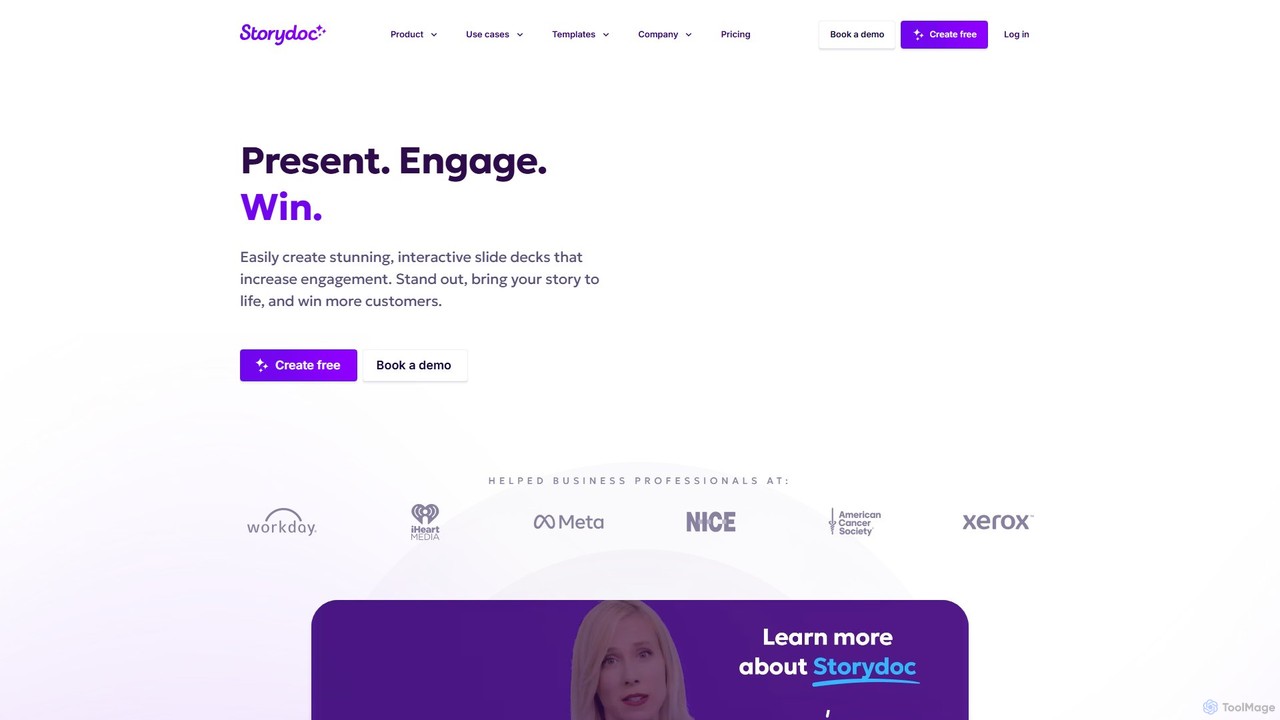
Storydoc is an AI-powered platform that transforms traditional presentations into interactive, engaging web-based experiences. It helps sales, marketing, and startup teams create stunning, data-driven decks that capture attention and drive results. With smart templates, AI assistance, and built-in analytics, Storydoc makes it easy to tell compelling stories and close more deals.

Content Creation
Visits 126.5KFavorites 140Likes 148

About Pitch Decks

AI Pitch Decks are specialized tools that use artificial intelligence to help founders generate compelling fundraising presentations. They analyze business inputs to automatically create structured content, professional designs, and a persuasive narrative flow. This enables entrepreneurs to quickly produce high-quality, data-driven decks for investors, significantly reducing the time and effort required. As a key part of Startup Tools, they focus specifically on the critical communication needed to secure capital.

Core Features

  • AI Content Generation: Automatically writes text for key slides like Problem, Solution, Market Size, and Team based on your business data.
  • Automated Design & Layout: Instantly applies professional, visually consistent templates, branding, and layouts to your entire presentation.
  • Narrative Structure Guidance: Recommends proven storytelling frameworks and slide sequences to maximize impact and clarity for investors.
  • Intelligent Data Visualization: Converts raw financial data and user metrics into easy-to-understand charts and graphs.

Use Cases

These tools are primarily used by startup founders and entrepreneurs seeking seed, Series A, or later-stage venture capital. They are also valuable for participants in accelerator programs preparing for demo days, and for internal teams at larger companies proposing new projects to secure budget approvals.

How to Choose

When selecting an AI Pitch Deck tool, evaluate the quality and coherence of the AI-generated content. Assess the level of design customization and branding control. Check for integrations with data sources like spreadsheets or analytics platforms, and consider the tool's collaboration features for team-based editing and feedback.

Pitch Decks use cases

1

Creating a Seed Round Fundraising Deck

A founder of a new SaaS startup needs to create a compelling 10-slide pitch deck for their seed funding round. Instead of starting from a blank canvas, they input their core business information—problem, solution, target market, and team bios—into an AI tool. The AI instantly generates a complete draft with a logical narrative flow, professional design, and data visualizations for their initial market research. This allows the founder to focus on refining the story and practicing their pitch, reducing deck creation time from weeks to just a few hours.

2

Preparing for an Accelerator Demo Day

A team in a competitive accelerator program has one week to prepare their pitch for Demo Day. They use an AI pitch deck tool to quickly iterate on their presentation. The tool helps them structure a concise 3-minute narrative, automatically generates compelling charts to showcase their user growth and traction, and ensures the branding is consistent across all slides. This efficiency allows the team to spend more time on pitch delivery coaching and networking with potential investors, rather than being bogged down by slide design.

3

Securing an Internal Project Budget

A product manager in a large corporation needs to pitch a new product initiative to the executive board to secure funding. They use an AI presentation tool to translate complex market data and financial projections into a clear and persuasive business case. The AI helps structure the argument, suggesting slides for ROI analysis, resource requirements, and project timelines. The result is a polished, professional deck that clearly communicates the value proposition to stakeholders, increasing the chances of budget approval.

4

Updating a Deck for a Series A Round

A startup that has successfully raised a seed round now needs to create a more detailed deck for its Series A. The team uses an AI tool to update their original presentation. They input new traction data, customer testimonials, and detailed financial models. The AI tool intelligently integrates this new information, generates updated charts showing month-over-month growth, and suggests a more sophisticated narrative structure appropriate for Series A investors, focusing on scalability and market dominance.

5

Creating a Pitch for a Non-Profit Grant

A non-profit organization is applying for a competitive grant. The grant manager uses an AI pitch deck tool to structure their proposal. The tool helps them clearly articulate the social problem, their proposed solution, and the expected impact, using a narrative framework that resonates with grant committees. It also helps visualize their budget allocation and impact metrics, creating a professional and compelling case for funding that stands out from other text-heavy applications.

6

Crafting a Presentation for a Business Plan Competition

A team of university students is entering a business plan competition. They have a detailed written plan but need to convert it into a dynamic presentation. Using an AI pitch deck generator, they input the key sections of their plan. The AI summarizes the content into concise bullet points, suggests powerful visuals to represent their market analysis, and organizes it all into a standard competition format. This allows the students, who may lack design experience, to produce a polished, professional-looking deck that effectively communicates their idea to the judges.

Pitch Decks FAQ

What are AI Pitch Deck tools?

AI Pitch Deck tools are software applications that use artificial intelligence to automate and enhance the creation of fundraising presentations. They go beyond traditional presentation software by generating content, suggesting narrative structures, and creating professional designs based on a user's business inputs. The primary goal is to help founders build compelling, investor-ready decks faster and more effectively.

How do AI Pitch Deck tools differ from PowerPoint or Google Slides?

The key difference lies in content generation and structure. PowerPoint and Google Slides are blank canvas tools that require you to manually write all content and create every design element. In contrast, AI Pitch Deck tools are content-aware. They actively help you build the presentation by:

  • Generating text: They write drafts for your slides based on prompts.
  • Suggesting structure: They recommend proven slide orders and narrative flows.
  • Automating design: They apply consistent, professional branding and layouts instantly.

Essentially, they act as a co-pilot for creation, not just a tool for formatting.

What information do I need to provide to an AI Pitch Deck generator?

To get the best results, you should provide the core components of your business plan. This typically includes:

  • Company Vision: A brief statement about your mission.
  • Problem: The pain point your customers face.
  • Solution: How your product or service solves that problem.
  • Market Size: Data on your target market (TAM, SAM, SOM).
  • Business Model: How you make money.
  • Team: Brief bios of the founding team.
  • Traction: Any key metrics like revenue, user growth, or major partnerships.

The more detailed and clear your input, the more relevant and compelling the AI-generated output will be.

Who should use AI Pitch Deck tools?

AI Pitch Deck tools are most beneficial for:

  • Early-Stage Startup Founders: Especially those who may lack design skills or the budget to hire a professional designer. They can quickly create a polished deck to start investor conversations.
  • Busy Entrepreneurs: Founders who need to save time and focus on product development and strategy rather than presentation design.
  • Teams in Accelerators: Participants who need to rapidly iterate on their pitch for demo days and investor meetings.
  • Corporate Innovators: Product managers or internal teams who need to create professional proposals for new projects to secure internal funding.
How to choose the best AI Pitch Deck tool?

When selecting an AI Pitch Deck tool, consider these factors:

  • Quality of AI Content: Does the generated text sound natural, professional, and relevant to your industry? Request a demo or use a trial to test its output.
  • Design Flexibility: How much control do you have over templates, colors, fonts, and branding? Ensure it can match your company's visual identity.
  • Data Integration: Can the tool connect to your data sources (like Google Sheets or analytics platforms) to automatically create and update charts?
  • Collaboration Features: Does it allow for real-time team editing, commenting, and sharing, which is crucial for collaborative deck building?
  • Pricing Model: Compare subscription costs and features to find a plan that fits your budget and needs, whether for a one-time project or ongoing use.