Storytelling Best in category 2 results Writing Assistant AI Tool

Popular AI tools in the Writing Assistant field of Storytelling include Story Diffusion Gen、Storynest.ai, etc., helping you quickly improve efficiency.

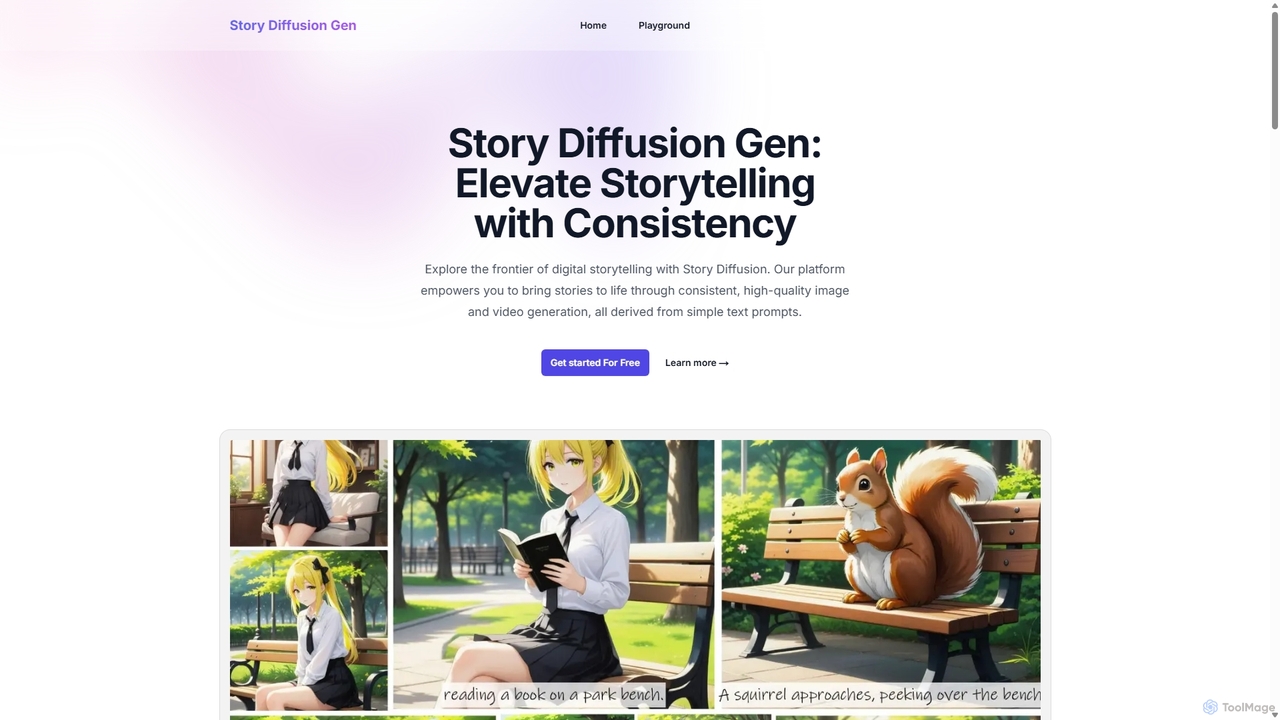
Story Diffusion Gen

Story Diffusion Gen

Story Diffusion Gen is an advanced AI platform for creating visually consistent narratives. It transforms text prompts into …

3.4K
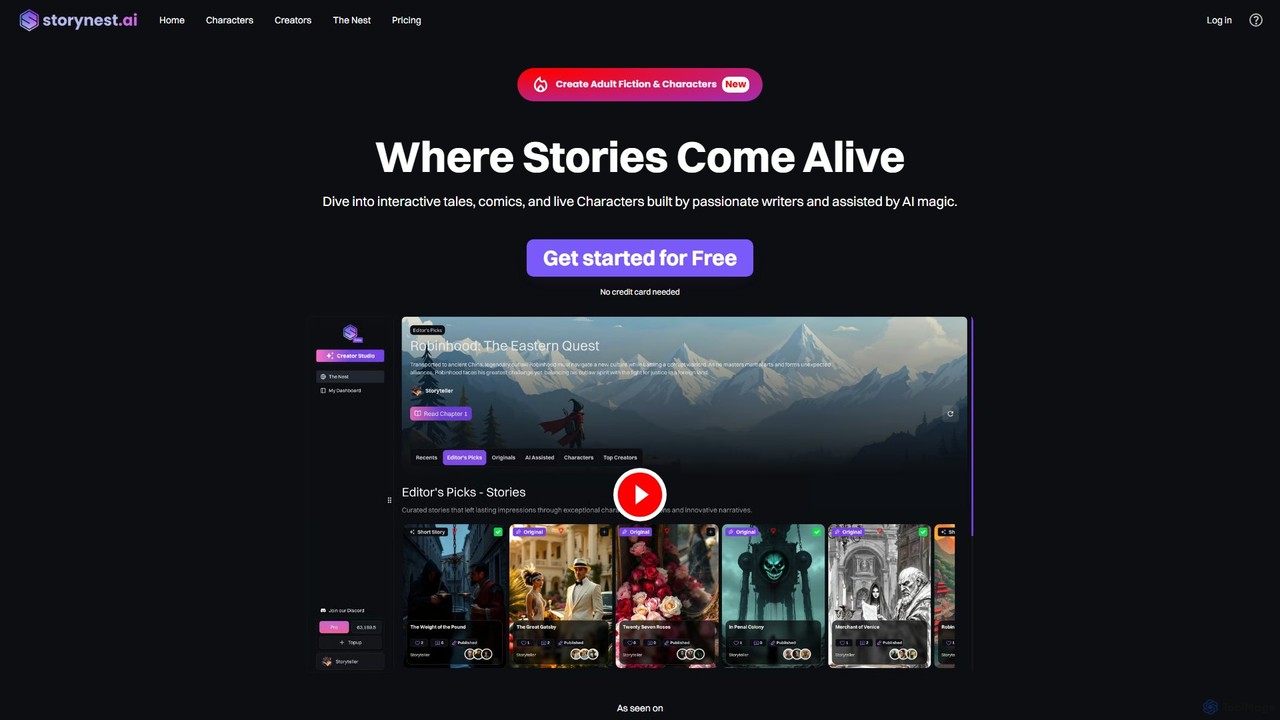
Storynest.ai

Storynest.ai

Storynest.ai is an AI-powered platform for creating and experiencing interactive stories, comics, and AI characters. It empowers writers …

65

About Writing Assistant

A Writing Assistant is a type of AI-powered software designed to improve the quality, clarity, and efficiency of written text. These tools leverage natural language processing (NLP) models to analyze grammar, style, tone, and structure in real-time. They help users correct errors, refine sentence construction, and enhance overall readability. Within the context of storytelling, a Writing Assistant acts as a digital proofreader and style coach, polishing dialogue, descriptions, and narrative for greater impact.

Core Features

  • Advanced Grammar & Spell Check: Identifies and corrects complex grammatical errors, punctuation mistakes, and spelling issues beyond standard checkers.
  • Style & Tone Enhancement: Provides suggestions to adjust the writing's tone (e.g., formal, confident, friendly) and improve stylistic elements like word choice and sentence variety.
  • Clarity & Conciseness Analysis: Rephrases convoluted sentences, removes jargon, and suggests more direct wording to make the text easier to understand.
  • Plagiarism Detection: Scans text against a vast database of online content and academic papers to ensure originality.
  • Sentence Rephrasing & Expansion: Offers alternative ways to phrase sentences or helps expand on short ideas to develop more complete paragraphs.

Use Cases

Writing Assistants are widely used by professionals, students, content creators, and authors. They are integral for drafting error-free business emails and reports, optimizing blog posts for readability, ensuring academic integrity in papers, and refining manuscripts. For non-native speakers, these tools are invaluable for producing natural and accurate text.

How to Choose

When selecting a Writing Assistant, consider the depth of its features—does it offer basic grammar checks or advanced stylistic analysis? Evaluate its integration capabilities, such as browser extensions or API access. Check the range of languages it supports and consider the pricing model, whether it's a free version with limitations or a subscription-based service that fits your usage volume.

Writing AssistantUse Cases

1

Polishing Business Emails and Reports

For business professionals, maintaining a clear and professional tone is crucial. A Writing Assistant helps draft and refine emails, proposals, and reports. It automatically corrects grammatical errors and suggests alternative phrasing to enhance clarity and impact. For example, a project manager can use it to review a weekly status report, ensuring the language is concise, formal, and free of ambiguity before sending it to stakeholders, thereby improving communication efficiency and professional image.

2

Optimizing Blog Posts and Marketing Copy

Content creators and marketers use Writing Assistants to enhance the quality and effectiveness of their copy. The tool can suggest stronger verbs, improve sentence flow, and ensure the tone aligns with the brand's voice. It helps optimize content for readability, which can improve user engagement and SEO performance. A marketer can quickly rephrase a paragraph to be more persuasive or check a blog post for originality, saving significant editing time and producing higher-quality content faster.

3

Assisting Academic Writing and Research

Students and researchers rely on Writing Assistants to uphold academic standards. These tools are crucial for proofreading essays, theses, and research papers for grammatical accuracy and clarity. The plagiarism checker is an essential feature for ensuring academic integrity. A student can use the assistant to rephrase complex sentences for better readability or check their bibliography for formatting consistency, helping them submit polished, credible, and original work.

4

Refining Creative Writing and Dialogue

Authors and screenwriters use Writing Assistants to polish their creative work. While not a substitute for creativity, these tools help refine prose by suggesting more evocative vocabulary or improving sentence rhythm. They can be particularly useful for checking dialogue consistency and ensuring it sounds natural. An author can analyze a chapter to eliminate repetitive phrasing or adjust the tone of a character's speech, which directly contributes to a more immersive storytelling experience.

5

Accelerating Social Media Content Creation

Social media managers often need to produce high volumes of short-form content quickly. A Writing Assistant can accelerate this process by helping to draft and rephrase posts for different platforms. For instance, it can help shorten a sentence for Twitter or adjust the tone to be more engaging for Instagram. This allows managers to maintain a consistent and high-quality presence across multiple channels without spending excessive time on manual proofreading and editing for each post.

6

Supporting Multilingual Communication

For non-native speakers or professionals working in a global context, a Writing Assistant is an indispensable tool. It helps ensure that their writing in a second language is grammatically correct, natural, and idiomatically appropriate. A user can draft an email in English and have the tool suggest corrections that go beyond simple grammar, improving word choice and sentence structure to sound more like a native speaker. This builds confidence and facilitates clearer, more effective cross-cultural communication.

Writing AssistantFrequently Asked Questions