Summarizer Best in category 5 results Document AI Tool

Popular AI tools in the Document field of Summarizer include Mapify、myaidrive、huixie、aiPDF、Converse, etc., helping you quickly improve efficiency.

Converse

Converse

Converse is an AI reading companion that saves and summarizes web articles, PDFs, and YouTube videos. It allows …

4.0K
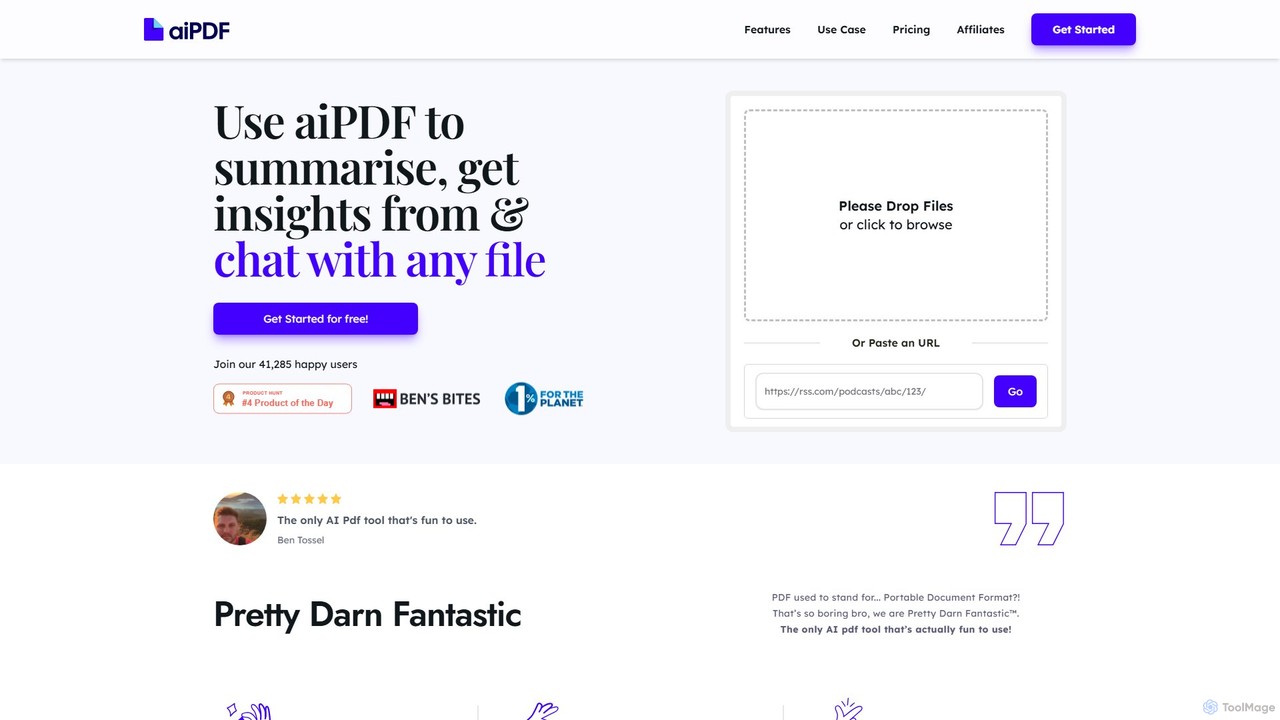
aiPDF

aiPDF

aiPDF is an AI-powered chat application that transforms static PDF documents into interactive conversations. Users can upload files, …

7.5K
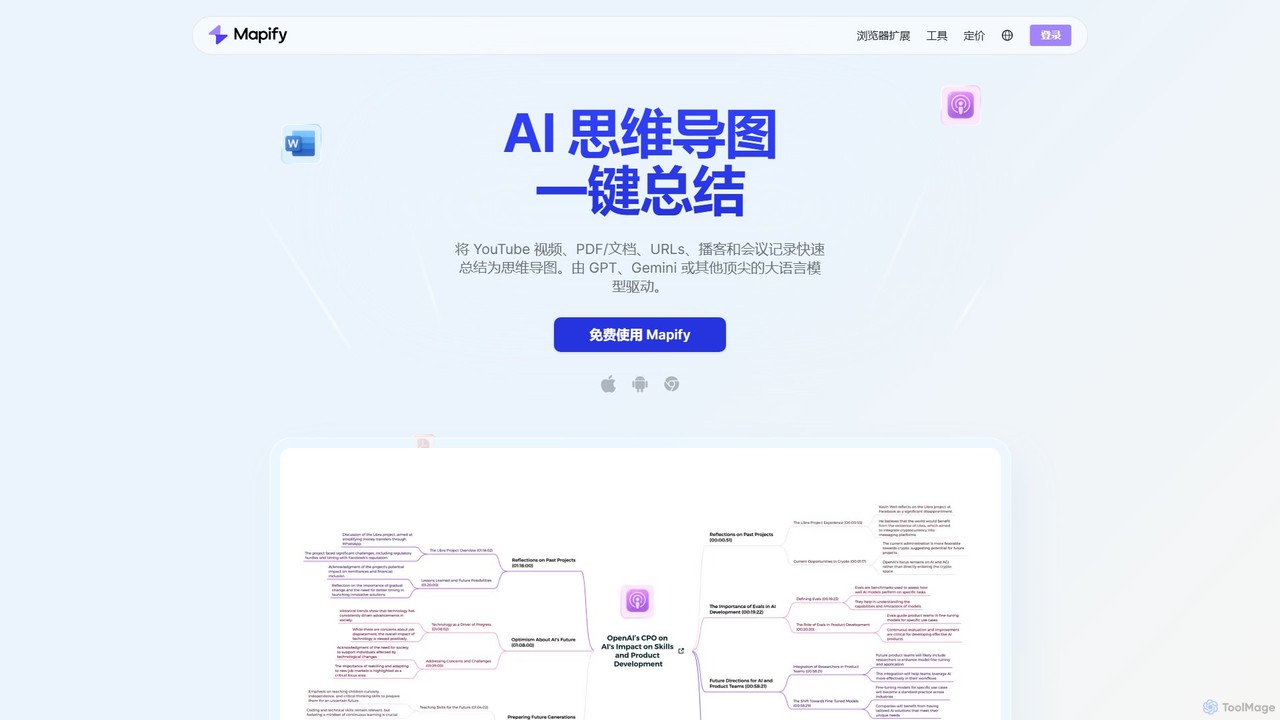
Mapify

Mapify

Mapify is an AI-powered tool that instantly transforms YouTube videos, PDFs, web pages, audio, and text into structured, …

879.6K
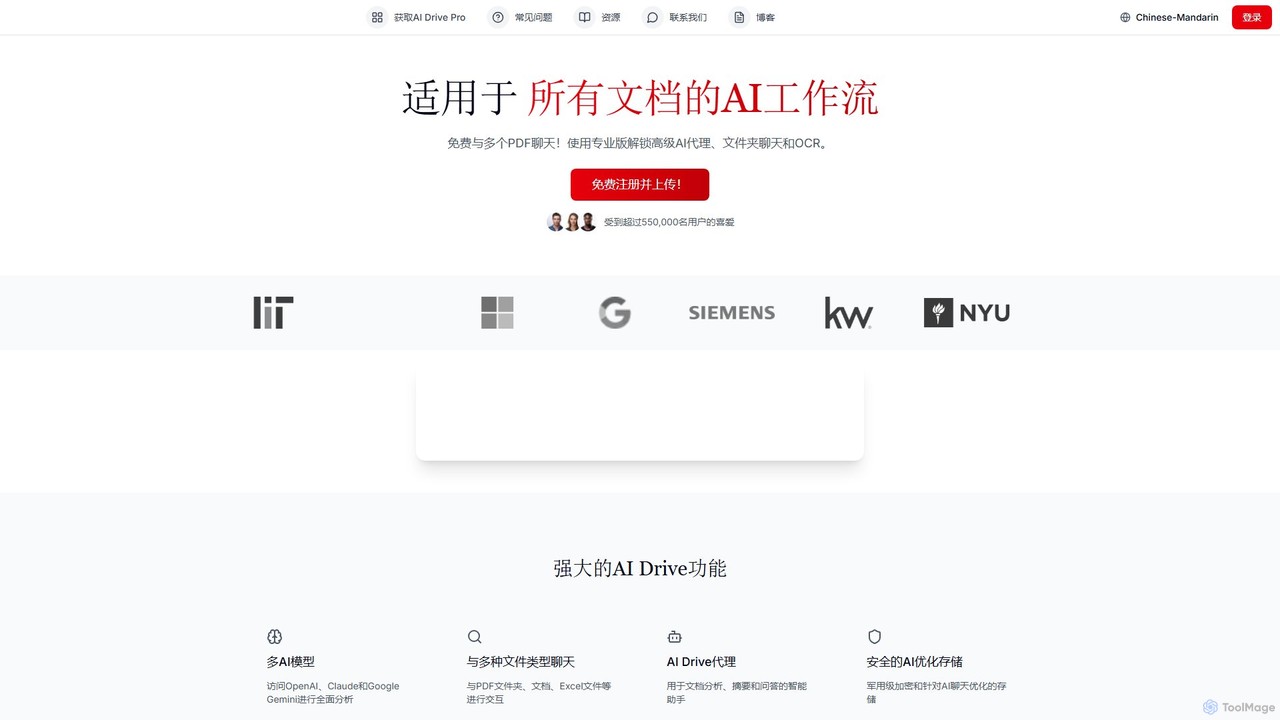
myaidrive

myaidrive

myaidrive is an AI-powered cloud storage platform that allows you to summarize, chat with, and organize your files. …

34.9K
huixie

huixie

huixie is an intelligent AI writing assistant from iFlytek, designed to enhance writing efficiency and quality. It supports …

9.2K

About Document

AI Document tools are a category of AI-powered solutions designed to process, analyze, and extract insights from various document formats. Leveraging advanced natural language processing (NLP) and machine learning, these tools go beyond simple text understanding to identify key information, structure data, and generate actionable intelligence. While often integrating sophisticated summarization capabilities, their primary focus is on comprehensive document interaction, enabling users to efficiently manage vast amounts of unstructured information. They are invaluable for transforming raw documents into structured, searchable, and understandable knowledge.

Core Features

  • Information Extraction: Automatically identifies and extracts specific data points, entities, and relationships from documents.
  • Semantic Search & Q&A: Allows users to query documents using natural language and receive precise answers or relevant passages.
  • Document Structuring & Classification: Organizes unstructured text into logical sections or categorizes documents based on content.
  • Content Generation from Documents: Can generate reports, outlines, or summaries based on the analyzed document content.
  • Anomaly Detection: Identifies unusual patterns or discrepancies within document sets, useful for compliance or fraud detection.

Use Cases

These tools are widely adopted across industries for tasks requiring deep document understanding. Legal professionals use them for contract review and e-discovery, while researchers leverage them to analyze academic papers and synthesize findings. Businesses apply them to process financial reports, customer feedback, and internal knowledge bases, transforming raw data into strategic insights and improving operational efficiency.

How to Choose

When selecting an AI Document tool, consider the types of documents it supports (e.g., PDF, Word, scanned images), its accuracy in information extraction, and the depth of its analytical capabilities. Evaluate integration options with existing workflows, data security protocols, and scalability for your document volume. User-friendliness and the ability to customize extraction rules are also crucial for optimal performance.


DocumentUse Cases

1

Automated Legal Contract Review

Legal teams utilize AI Document tools to rapidly review thousands of contracts, identifying critical clauses, compliance risks, and key terms. This significantly reduces manual review time, enhances accuracy, and ensures adherence to regulatory standards, allowing legal professionals to focus on strategic analysis rather than tedious document parsing.

2

Research Paper Analysis and Synthesis

Academic researchers and analysts employ these tools to process large volumes of scientific papers, extracting methodologies, results, and conclusions. The AI can then synthesize this information, helping to identify trends, gaps in literature, and generate comprehensive literature reviews much faster than traditional methods.

3

Customer Feedback Document Analysis

Businesses leverage AI Document tools to analyze customer feedback from various sources like support tickets, survey responses, and product reviews. The AI identifies recurring themes, sentiment, and pain points, providing actionable insights for product development, service improvement, and enhancing overall customer satisfaction.

4

Financial Report Data Extraction

Financial analysts use AI to automatically extract key financial metrics, such as revenue, profit margins, and growth rates, from quarterly and annual reports. This automation streamlines data collection, reduces errors, and enables quicker comparative analysis across companies or over time, supporting informed investment decisions.

5

Internal Knowledge Base Creation

Organizations deploy AI Document tools to process internal documents like manuals, FAQs, and policy guides, automatically structuring and indexing the content. This facilitates the creation and maintenance of a searchable knowledge base, empowering employees with instant access to information and reducing reliance on support staff.

6

Technical Documentation Q&A

Engineers and technical support personnel use AI Document tools to query complex technical manuals, specifications, or product guides. Instead of manually sifting through lengthy documents, they can ask natural language questions and receive precise, context-aware answers, accelerating troubleshooting and problem resolution.

DocumentFrequently Asked Questions