Summarizer Best in category 3 results Text Analysis AI Tool

Popular AI tools in the Text Analysis field of Summarizer include ChatPDF、mysolace、WisdomRead, etc., helping you quickly improve efficiency.

ChatPDF

ChatPDF

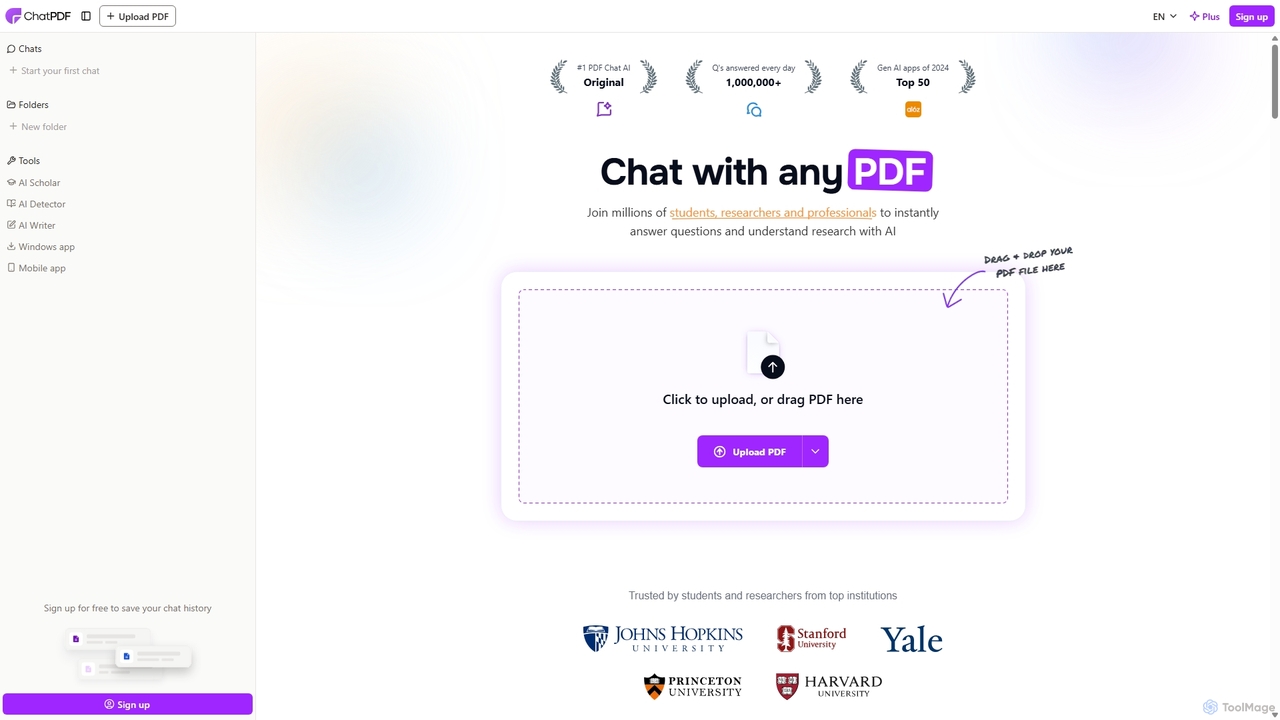
ChatPDF is an AI-powered platform that allows you to interact with your documents as if you were having …

1.9M
WisdomRead

WisdomRead

WisdomRead is an AI-powered reading assistant designed to help users comprehend complex texts faster. It intelligently summarizes articles, …

2.2K
mysolace

mysolace

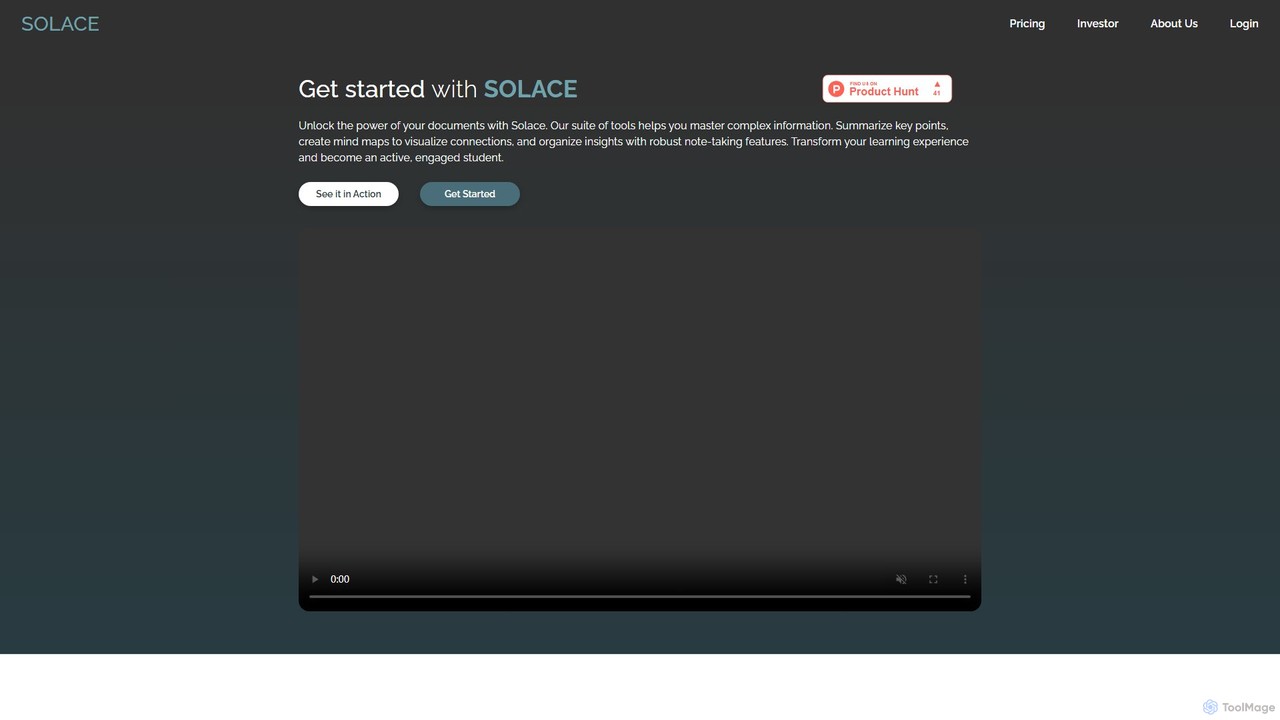
Solace is an AI-powered platform that revolutionizes document interaction. Chat with your PDFs and Word documents, get instant …

3.6K

About Text Analysis

Text Analysis tools are a class of AI applications that extract structured, meaningful information from unstructured text. They utilize Natural Language Processing (NLP) to go beyond simple summarization, identifying elements like sentiment, key entities, and topics. This allows users to transform large volumes of text, such as customer reviews or articles, into quantifiable data for deeper insights. These tools are essential for understanding not just what a text is about, but also the context, emotion, and specific details within it.

Core Features

  • Sentiment Analysis: Determines the emotional tone (positive, negative, neutral) of a piece of text.
  • Named Entity Recognition (NER): Identifies and categorizes key entities like names, organizations, locations, and dates.
  • Keyword Extraction: Automatically pulls out the most relevant terms and phrases from a document.
  • Topic Modeling & Classification: Sorts text into predefined categories or discovers abstract topics within a collection of documents.
  • Language Detection: Identifies the language of a given text, often as a first step for further analysis.

Use Cases

Text Analysis tools are widely used in market research for analyzing survey responses and social media comments. Customer support teams use them to categorize feedback and identify urgent issues from support tickets. Financial analysts also leverage these tools to monitor news and reports for market sentiment shifts and key events that could impact investments.

How to Choose

When selecting a Text Analysis tool, consider the accuracy of its models for your specific domain and language. Evaluate its integration capabilities, particularly API access for automating workflows. Also, assess its scalability for handling your data volume and the range of analysis types it offers, ensuring it meets your specific needs beyond basic keyword counting.

Text AnalysisUse Cases

1

Analyze Customer Feedback from App Reviews

A product manager for a mobile app needs to understand user satisfaction after a major update. Instead of manually reading thousands of reviews, they use a Text Analysis tool. The tool processes all new reviews from the App Store and Google Play, automatically performing sentiment analysis to classify them as positive, negative, or neutral. It also extracts keywords and topics, revealing that users frequently mention 'slow loading times' and 'confusing navigation' in negative reviews, while positive reviews praise the 'new dark mode'. This provides actionable, data-driven insights to prioritize bug fixes and future improvements.

2

Monitor Brand Mentions on Social Media

A marketing team launches a new campaign and wants to track public perception in real-time. They configure a Text Analysis tool to monitor Twitter for mentions of their brand and campaign hashtag. The tool's dashboard displays a live sentiment score, showing whether the overall conversation is positive or negative. It uses Named Entity Recognition (NER) to identify key influencers, media outlets, or competing brands mentioned in the same context. This allows the team to quickly respond to negative comments, amplify positive feedback, and measure the campaign's overall impact on brand sentiment.

3

Automate Support Ticket Categorization

A customer service department receives hundreds of support tickets daily. To improve efficiency, they integrate a Text Analysis API into their helpdesk system. As each ticket arrives, the API analyzes its content. It uses topic classification to automatically tag the ticket with relevant categories like 'Billing Issue', 'Technical Problem', or 'Feature Request'. It also performs sentiment analysis to flag tickets with highly negative language for urgent attention. This automation routes tickets to the correct agent faster, reduces manual sorting time, and helps managers identify recurring problem areas.

4

Extract Insights from Financial News

A financial analyst needs to track developments for a specific company. They use a Text Analysis tool to process a stream of news articles, press releases, and earnings call transcripts. The tool performs Named Entity Recognition (NER) to extract mentions of key executives, competitors, and product names. It also analyzes sentiment to gauge the market's reaction to events like a product launch or an acquisition. This provides the analyst with a structured overview of crucial information, helping them identify trends and make more informed investment decisions without having to read every single document in full.

5

Screen Resumes for Relevant Skills

An HR recruiter is hiring for a 'Senior Python Developer' and receives hundreds of applications. Manually reviewing each resume is time-consuming. They use a Text Analysis tool to parse all submitted resumes. The tool is configured to perform keyword extraction for specific skills like 'Django', 'Flask', 'AWS', and 'SQL'. It also uses Named Entity Recognition to identify previous employers and educational institutions. The system then scores and ranks candidates based on the presence and frequency of these key terms, allowing the recruiter to quickly focus on the most qualified applicants and significantly speed up the initial screening process.

6

Conduct Academic Literature Reviews

A researcher is working on a paper about climate change and needs to review hundreds of existing studies. Using a Text Analysis tool, they can upload a large collection of research papers. The tool performs topic modeling to identify the main themes and sub-fields within the literature, such as 'ocean acidification', 'carbon capture', and 'renewable energy policy'. It also extracts keywords and named entities (like specific research institutions or authors), helping the researcher quickly identify the most relevant papers and influential figures in the field. This process drastically reduces the time required to map out the existing body of research.

Text AnalysisFrequently Asked Questions