Best of the Year 2 results Text Analysis AI Tools

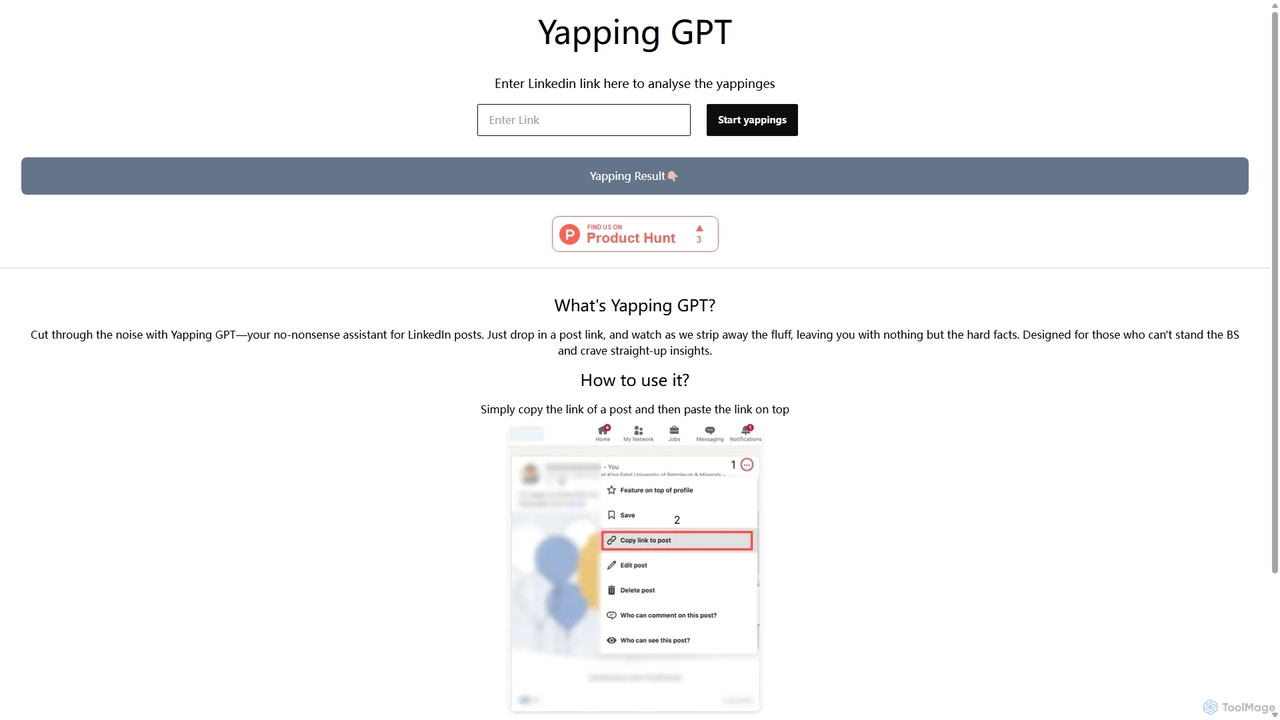
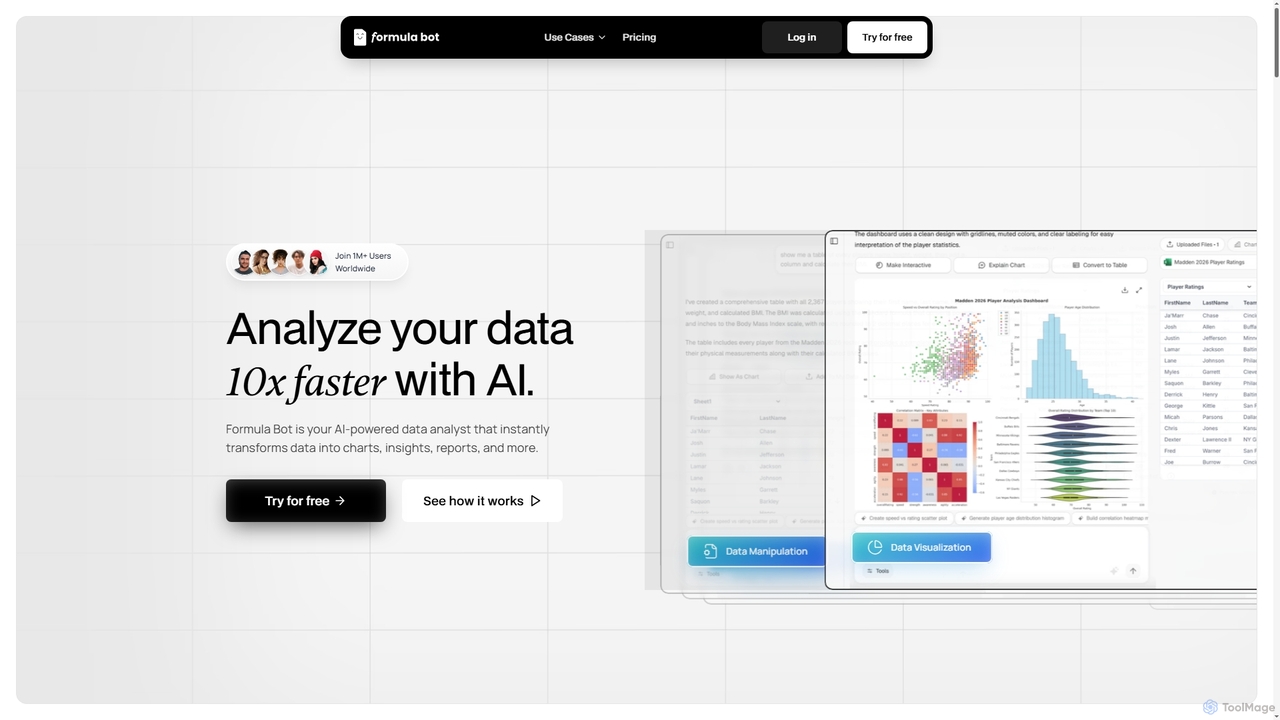
Popular AI tools in the Text Analysis field include Formula Bot、YappingGPT, etc., helping you quickly improve efficiency.

Formula Bot

Formula Bot

Formula Bot is an AI-powered data analyst that instantly transforms raw data into actionable insights, stunning charts, and …

4.0K
Free
YappingGPT

YappingGPT

YappingGPT is an AI-powered tool that instantly summarizes verbose LinkedIn posts. Simply paste a post's link to cut …

2.0K

About Text Analysis

Text Analysis tools are AI-powered solutions that process and interpret human language to extract valuable insights, patterns, and meaning from unstructured text data. Leveraging advanced Natural Language Processing (NLP) and machine learning techniques, these tools can automatically identify key information, sentiments, and topics within vast amounts of textual content, far beyond what manual review can achieve. They provide businesses and individuals with a deeper understanding of customer feedback, market trends, and internal communications, transforming raw text into actionable intelligence for informed decision-making and strategic planning.

Core Features

  • Sentiment Analysis: Automatically determines the emotional tone (positive, negative, neutral) of text, crucial for understanding public opinion.
  • Entity Recognition: Identifies and classifies named entities like people, organizations, locations, products, and dates within text.
  • Topic Modeling: Discovers abstract "topics" that occur in a collection of documents, helping to categorize and organize large datasets.
  • Text Summarization: Generates concise summaries of longer texts while retaining key information, saving time in content review.
  • Keyword Extraction: Identifies the most important words and phrases in a document, aiding in SEO and content tagging.
  • Language Detection: Automatically identifies the language of a given text, useful for multilingual content processing.

Applicable Scenarios

Text Analysis tools are indispensable for various applications, from understanding customer reviews to monitoring social media and optimizing content. Marketing teams use them to gauge brand perception and identify emerging trends from online conversations. Customer service departments analyze feedback from support tickets and surveys to improve service quality and identify common pain points. Researchers leverage these tools to efficiently process academic papers, extracting key information and identifying overarching themes across large datasets for literature reviews.

How to Choose

When selecting a Text Analysis tool, consider its accuracy and comprehensive language support, especially if dealing with multilingual data or specific dialects. Evaluate the range of specific features offered, such as advanced sentiment detection, custom entity recognition, or robust topic modeling, to ensure they align with your project's precise needs. Assess its scalability for handling large volumes of text efficiently, its integration capabilities with existing CRM, BI, or content management systems, and the level of customization available for domain-specific analysis. Finally, compare pricing models, ease of use, and the availability of API access to ensure it aligns with your budget, team's technical expertise, and development requirements.

Text AnalysisUse Cases

1

Analyzing Customer Feedback for Product Improvement

Product managers and customer service teams utilize text analysis to process vast amounts of unstructured customer feedback from reviews, surveys, and support tickets. By applying sentiment analysis and topic modeling, they can quickly identify common pain points, emerging feature requests, and overall customer satisfaction trends. This enables data-driven decisions for product development, prioritizing improvements that directly address user needs and enhance the customer experience.

2

Market Research and Competitive Intelligence

Marketing analysts and business strategists employ text analysis to monitor public discourse across social media, news articles, and forums. Tools can extract mentions of brands, products, and competitors, performing sentiment analysis to gauge public perception and identify market trends. This provides crucial competitive intelligence, helping businesses understand their position in the market, identify opportunities, and mitigate potential PR crises by tracking brand health in real-time.

3

Content Optimization for SEO and Engagement

Content creators and SEO specialists use text analysis to refine their content strategy. By analyzing existing high-ranking content, they can extract relevant keywords, identify popular topics, and assess readability scores. This helps in crafting new content that is not only optimized for search engines but also highly engaging and relevant to the target audience, leading to improved search rankings and increased organic traffic.

4

Automated Document Classification and Management

Legal, HR, and administrative departments leverage text analysis for efficient document management. Tools can automatically classify documents such as contracts, resumes, emails, or reports based on their content, assigning them to appropriate categories or workflows. This significantly reduces manual sorting time, improves searchability, ensures compliance, and streamlines internal processes, making large document archives more manageable.

5

Social Media Monitoring and Brand Reputation Management

PR professionals and brand managers use text analysis to continuously monitor social media platforms for mentions of their brand, products, and key personnel. Sentiment analysis helps in quickly identifying positive or negative conversations, allowing for rapid response to customer issues or public relations opportunities. This proactive approach helps protect and enhance brand reputation, turning potential crises into opportunities for engagement.

6

Academic Research and Literature Review Automation

Researchers and academics utilize text analysis to process extensive bodies of scientific literature, journal articles, and research papers. Tools can perform entity recognition to extract key authors, methodologies, and findings, or apply topic modeling to identify prevalent themes across disciplines. This accelerates the literature review process, helps in identifying research gaps, and synthesizes information from thousands of documents more efficiently than manual reading.

Text AnalysisFrequently Asked Questions