Best of the Year 3 results Venture Capital AI Tools

Popular AI tools in the Venture Capital field include Antler、Gohorto、SparringVest, etc., helping you quickly improve efficiency.

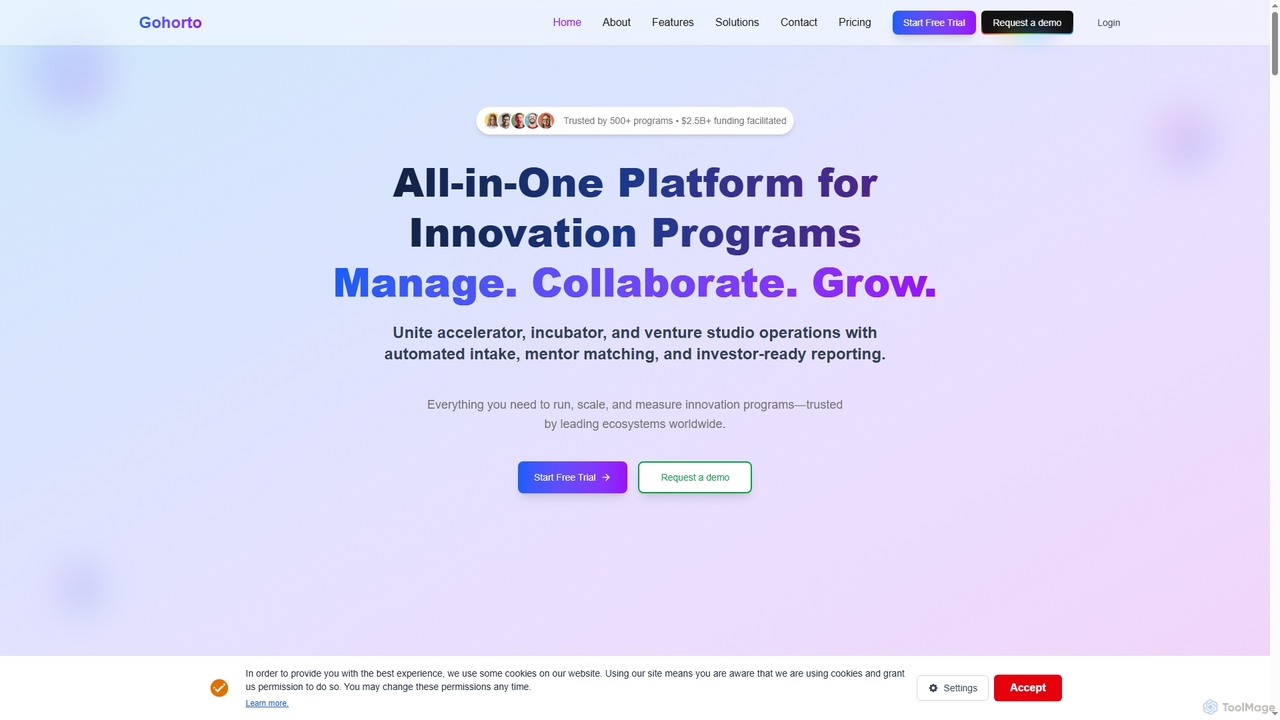
Gohorto

Gohorto

Gohorto is an AI-powered innovation program management platform designed for startup ecosystems. It unifies operations for accelerators, incubators, …

2.8K
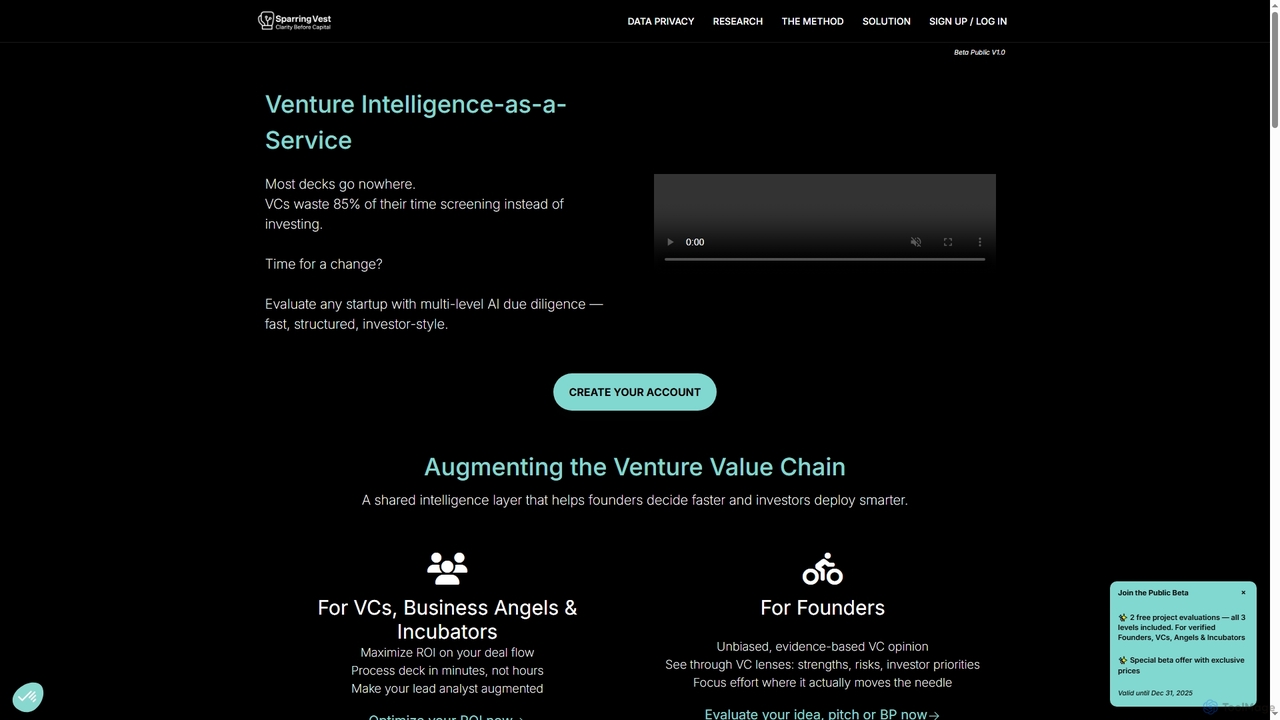
SparringVest

SparringVest

SparringVest is an AI-powered startup evaluation platform designed for founders and investors. It provides unbiased, evidence-based venture capital …

2.7K
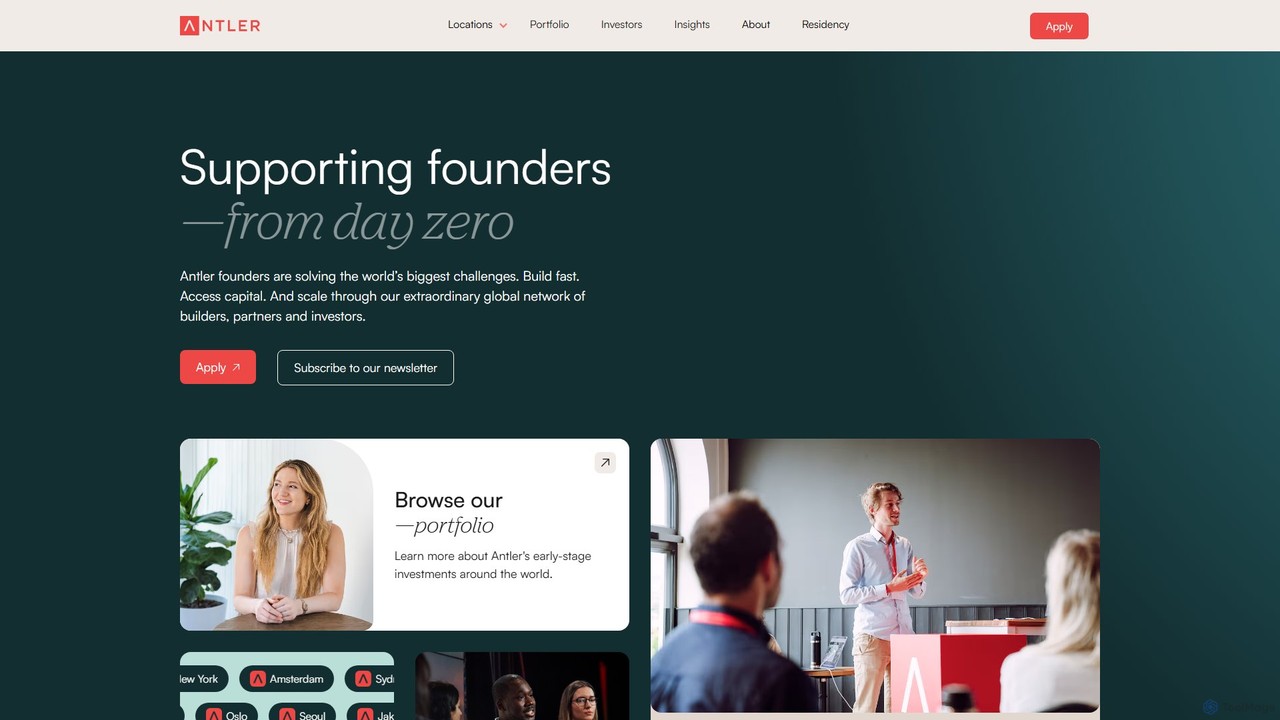
Antler

Antler

Antler is a global 'Day Zero' venture capital firm that invests in exceptional founders from the very beginning, …

373.2K

About Venture Capital

Venture Capital AI tools are specialized platforms that leverage artificial intelligence to streamline and enhance the investment lifecycle. These tools utilize machine learning, natural language processing (NLP), and predictive analytics to process vast amounts of data from diverse sources, including company filings, news articles, and market reports. They empower investors and founders to identify promising startups, conduct faster due to diligence, analyze market trends, and manage portfolios more effectively. This data-driven approach helps uncover opportunities that manual research might miss and provides a competitive edge in the fast-paced world of venture capital.

Core Features

  • AI-Powered Deal Sourcing: Automatically identifies and scores potential investment opportunities based on predefined criteria and growth signals.
  • Automated Due Diligence: Analyzes financials, team backgrounds, market positioning, and technology to generate comprehensive risk and opportunity reports.
  • Predictive Market Analysis: Uses AI models to forecast industry trends, identify emerging sectors, and map competitive landscapes.
  • Portfolio Monitoring: Tracks the performance and key metrics of portfolio companies in real-time to flag risks and opportunities.
  • Pitch Deck Analysis: Employs NLP to evaluate pitch decks for clarity, completeness, and alignment with investment theses.

Use Cases

These tools are primarily used by venture capital firms, from analysts to partners, to improve decision-making speed and accuracy. Corporate venture capital (CVC) arms and M&A teams also use them for scouting acquisition targets. Additionally, startup founders leverage these platforms to identify the most relevant investors for their industry and stage, increasing their fundraising efficiency.

How to Choose

When selecting a Venture Capital AI tool, consider the breadth and quality of its data sources. Evaluate the sophistication of its AI models for sourcing and analysis. Assess its integration capabilities with your existing CRM and workflow tools. Finally, review the platform's security protocols and data confidentiality policies, as you will be handling sensitive information.

Venture CapitalUse Cases

1

Automating Deal Sourcing for VC Analysts

A venture capital analyst is tasked with identifying early-stage FinTech startups. Instead of spending weeks manually scouring news, databases, and networks, they use an AI platform. The analyst sets specific criteria such as funding stage, team experience, and technology stack. The AI continuously scans millions of data points, surfacing a prioritized list of 20 qualified startups that show strong growth signals. This process reduces research time from over 40 hours per week to just a few, allowing the analyst to focus on building relationships and deeper evaluation.

2

Identifying Relevant Investors for Founders

A startup founder building a B2B SaaS platform needs to find investors with a specific thesis in their sector. Using an AI tool, they upload their pitch deck and business model. The platform's NLP analyzes the content and matches it against a database of thousands of VC firms and their investment portfolios. It generates a prioritized list of 50 investors who have previously invested in similar companies and whose stated interests align perfectly. This targeted approach significantly increases the chances of securing a meeting and receiving a term sheet compared to mass emailing.

3

Accelerating Due Diligence for VC Partners

A VC partner needs to quickly evaluate a potential investment before a crucial meeting. Traditionally, this involves days of work from their team. By using an AI due diligence tool, the partner inputs the target company's name. The AI instantly aggregates and analyzes public and proprietary data on the company's financials, team background, market size, and competitive landscape. Within an hour, it generates a comprehensive report highlighting key strengths, weaknesses, and red flags. This allows the partner to enter the meeting fully prepared, asking more insightful questions and making faster, more informed decisions.

4

Scouting Acquisition Targets for Corporate M&A

A corporate M&A team is looking to acquire innovative startups in the AI healthcare space. They use an AI platform to monitor the market for companies that meet specific technological and financial milestones. The team sets up alerts for startups that file key patents, reach a certain revenue run rate, or hire senior talent from major tech companies. The AI proactively surfaces these companies, often before they are widely known or actively seeking acquisition. This gives the M&A team a significant first-mover advantage in initiating conversations with high-potential acquisition targets.

5

Monitoring Portfolio Health for Fund Managers

A fund manager needs to track the performance of 30+ companies in their portfolio. An AI portfolio monitoring tool automates this process. It integrates with each company's financial systems and other data sources to provide a real-time dashboard of key metrics like revenue growth, cash burn, and customer acquisition cost. The AI also flags anomalies or predicts potential issues, such as a sudden increase in customer churn, allowing the fund manager to proactively engage with the startup's leadership to offer support or guidance before the problem escalates.

6

Developing Data-Driven Investment Theses

An investment strategist at a VC firm wants to develop a new thesis on the future of generative AI in education. They use an AI market analysis tool to process thousands of academic papers, funding announcements, and industry news reports. The tool identifies emerging sub-sectors, maps the key players, and visualizes technology trends. Based on this comprehensive, data-backed analysis, the strategist can formulate a robust investment thesis, identifying specific white spaces and opportunities that the firm should target, presenting a compelling case to the investment committee.

Venture CapitalFrequently Asked Questions