Video Best in category 3 results 3D AI Tool

Popular AI tools in the 3D field of Video include Intangible、PixelVibe、DigitalCarbon, etc., helping you quickly improve efficiency.

DigitalCarbon

DigitalCarbon

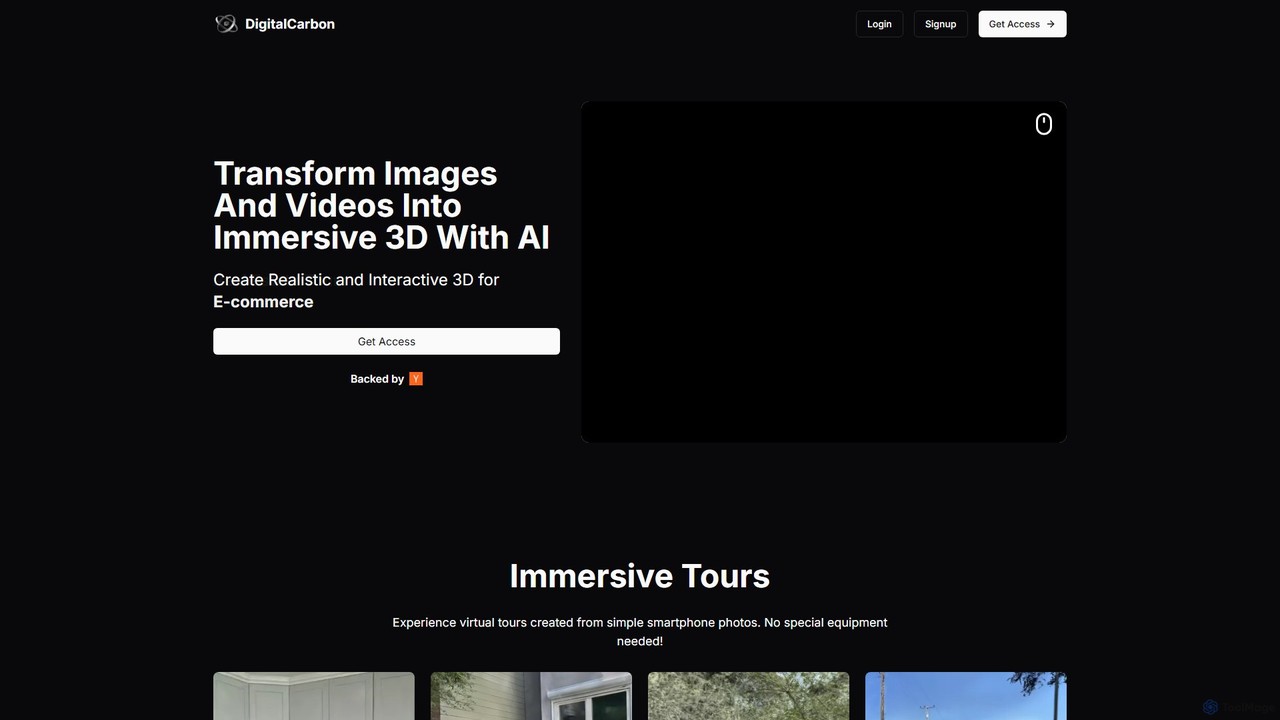
DigitalCarbon is an AI-powered platform that transforms standard 2D images and videos into realistic, interactive 3D models and …

2.3K
PixelVibe

PixelVibe

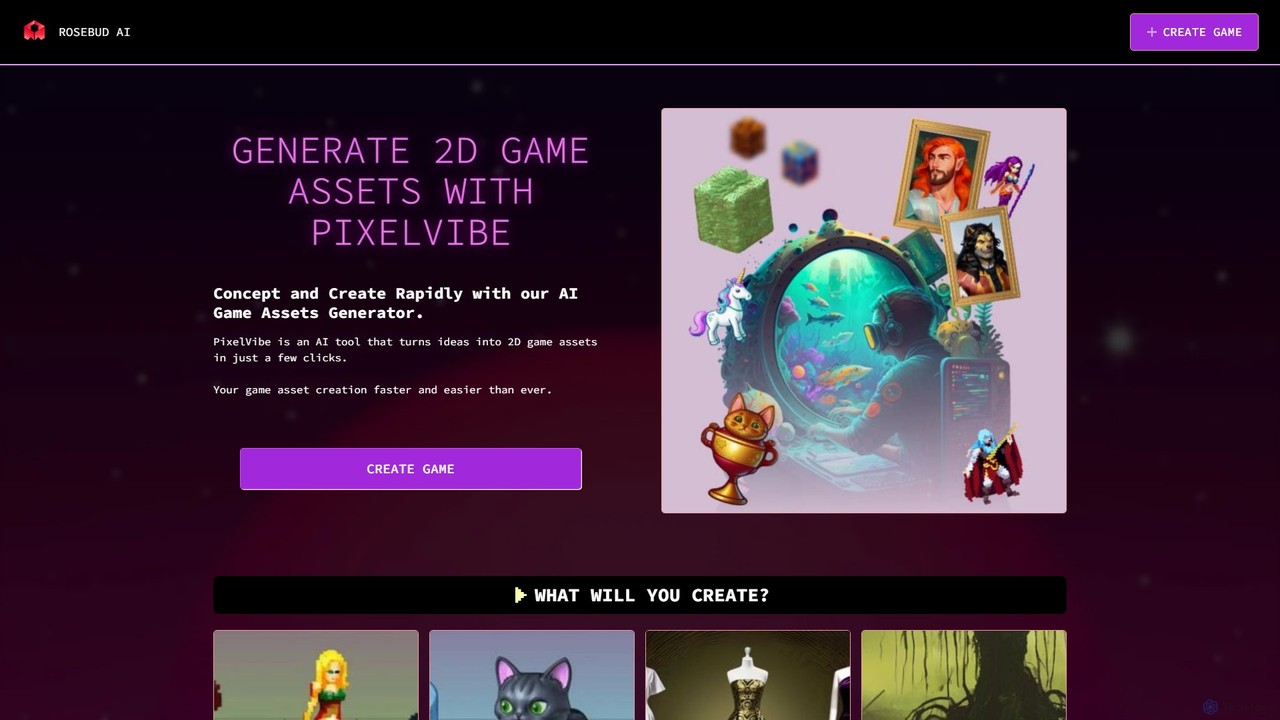
PixelVibe by Rosebud AI is an advanced AI-powered platform for generating high-quality 2D and 3D game assets. It …

166.0K
Intangible

Intangible

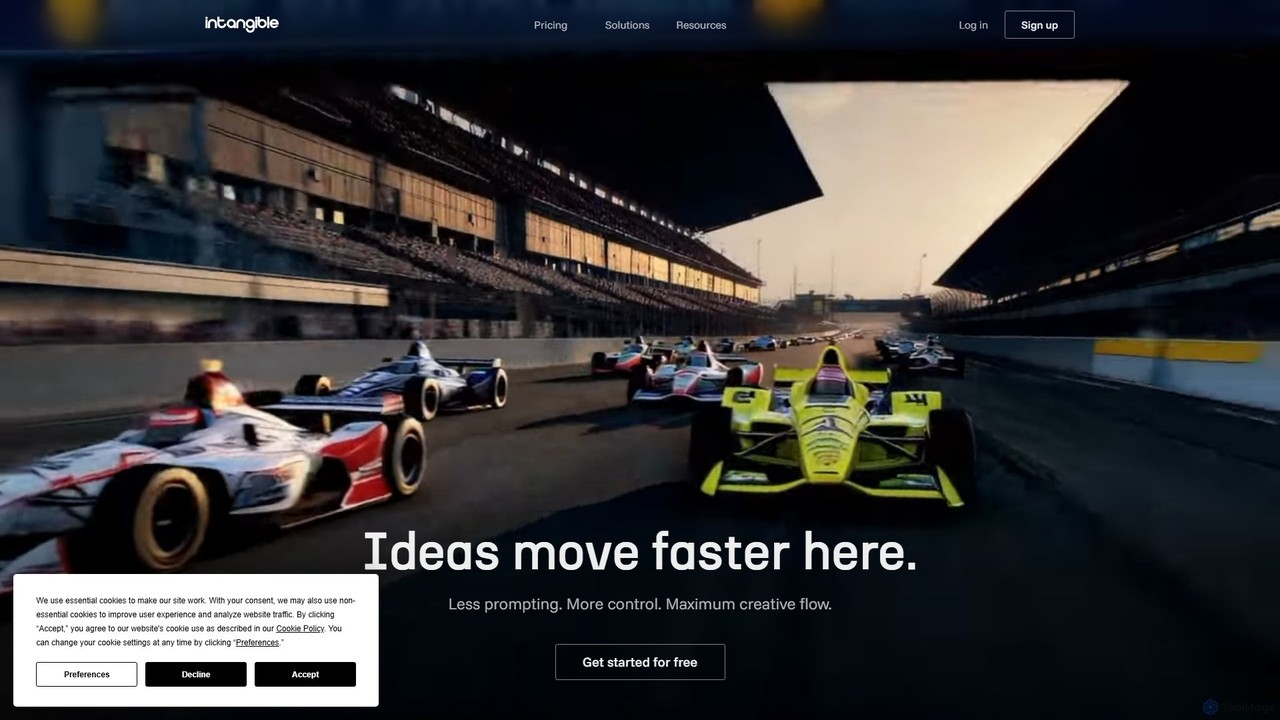
Intangible is an advanced AI spatial intelligence platform for creative industries. It enables users to create, visualize, and …

217.3K

About 3D

AI 3D tools are a class of software that uses artificial intelligence to generate, texture, and animate three-dimensional models and scenes. These tools leverage generative models and neural radiance fields (NeRFs) to create complex 3D assets from inputs like text, images, or videos. They dramatically accelerate workflows in game development, product visualization, and visual effects, making 3D content creation more accessible. This technology lowers the technical barrier, enabling creators without extensive modeling experience to produce high-quality assets efficiently.

Core Features

  • Text-to-3D Generation: Creates 3D models and objects directly from descriptive text prompts.
  • Image/Video-to-3D Conversion: Generates 3D models or entire scenes by analyzing 2D images or video footage.
  • AI-Powered Texturing: Automatically applies realistic materials and textures to 3D models based on prompts or style references.
  • Procedural Asset Generation: Creates variations of complex objects like buildings or natural landscapes based on defined rules.
  • AI Motion Generation: Animates 3D characters or objects using video input or textual descriptions of actions.

Use Cases

AI 3D tools are widely used in industries such as game development for rapid asset prototyping, e-commerce for creating interactive product showcases, and film production for virtual set extensions and special effects. Architects and real estate professionals also use them for quick conceptual visualizations and immersive property tours.

How to Choose

When selecting an AI 3D tool, consider the required input type (text, image, video), desired output formats (.obj, .fbx, .gltf), and the level of detail and realism needed. Also evaluate its integration capabilities with existing software like Blender or Unreal Engine, rendering speed, and the pricing model (e.g., per-generation credits vs. a monthly subscription).

3DUse Cases

1

Rapid Prototyping for Game Developers

An indie game developer needs to create numerous unique assets for a new fantasy world. Instead of spending weeks manually modeling each prop, they use a text-to-3D tool. By inputting prompts like 'glowing magical sword with ancient runes' or 'moss-covered stone altar', they generate dozens of concept models in a single afternoon. This allows for rapid iteration on the game's visual style and level design, significantly reducing pre-production time and enabling them to test gameplay ideas with functional assets almost immediately.

2

Creating 3D Product Visualizations for E-commerce

An online furniture store wants to offer an interactive shopping experience. They use an image-to-3D tool to convert their standard product photos into high-quality 3D models. Customers can then rotate, zoom, and view the furniture from any angle on the product page. This process avoids expensive and time-consuming professional 3D scanning services. The resulting interactive models lead to higher customer engagement, better understanding of the product, and a reduction in returns, as buyers have a more accurate impression of the item before purchasing.

3

Virtual Set Extension for Filmmakers

A visual effects artist is working on a short film with a limited budget, unable to shoot on location. They use a video-to-3D tool (NeRF technology) to capture a public park with a smartphone. The AI processes the video into a navigable 3D scene. In post-production, the artist can place digital characters within this realistic virtual set, change the lighting, and add new elements. This technique provides high-fidelity virtual backgrounds without the cost of travel or complex set construction, democratizing high-quality VFX for independent creators.

4

Conceptual Architectural Visualization

An architect needs to quickly present a new building concept to a client. Instead of building a detailed model in traditional CAD software, which can take days, they use an AI 3D tool. They input a simple sketch and a text prompt like 'modernist office building with glass facade and rooftop garden'. The AI generates a textured, lit 3D model in minutes. This allows the client to visualize the final look and feel instantly, facilitating faster feedback and decision-making early in the design process.

5

Personalized Avatar Creation for the Metaverse

A user wants to create a unique, personalized avatar for a virtual reality platform. They use an AI tool that generates a 3D avatar from a single selfie. The AI analyzes facial features to create a realistic or stylized 3D head, which is then attached to a customizable body. The tool also automatically rigs the model, making it ready for animation and use in various metaverse applications. This provides a fast and intuitive way for non-technical users to represent themselves in digital worlds without needing any 3D modeling skills.

6

AI-Generated Textures for 3D Artists

A 3D artist is texturing a complex character model and needs a specific material: 'ornate, damascus steel armor with glowing magical engravings'. Creating this texture manually in software like Substance Painter would be intricate and time-consuming. Instead, they use an AI texturing tool. They input the prompt, and the AI generates a set of high-resolution, seamless PBR (Physically Based Rendering) texture maps (color, roughness, metallic, normal). The artist can then apply these maps directly to their model, achieving a highly detailed and unique look in a fraction of the time.

3DFrequently Asked Questions