ToolMage
Sign in

Best 4 Avatar Generation AI tools for Video

Popular Avatar Generation AI tools in Video include D-ID Agents, Humva, digiface, and X-Me, helping you work more efficiently.

X-Me
Freemium

X-Me

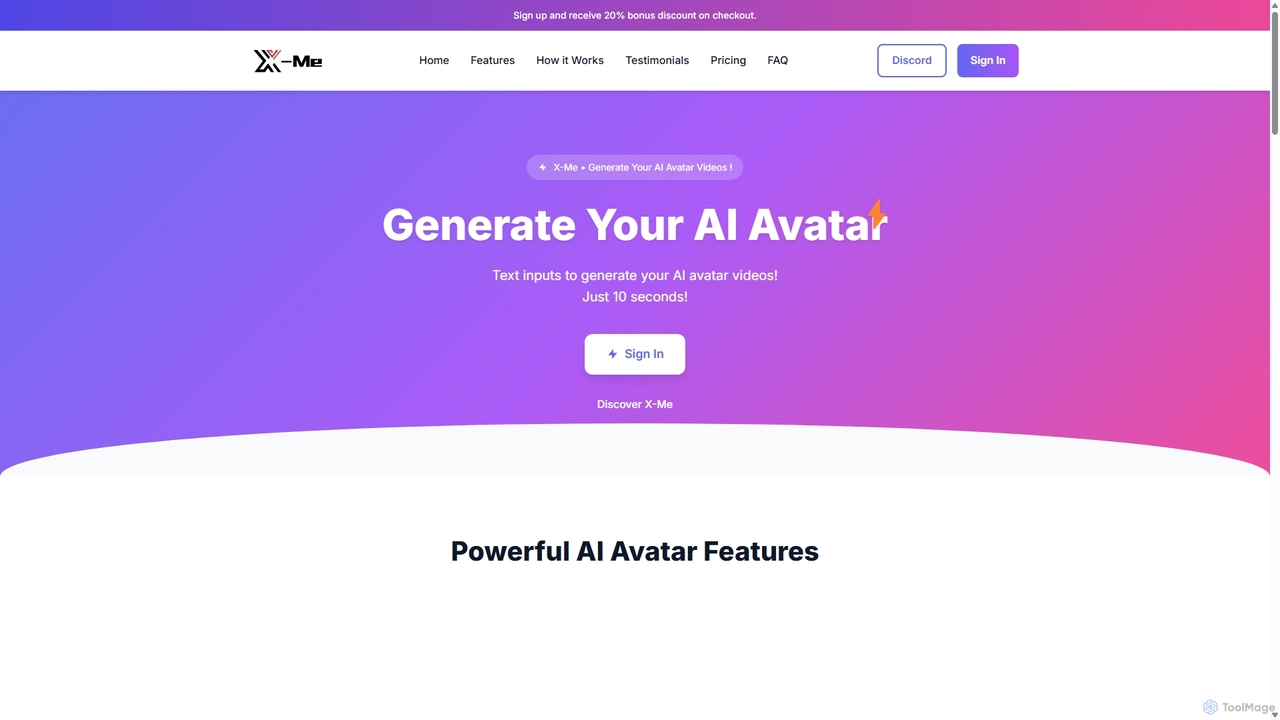
X-Me is an AI-powered video creation platform that generates stunning, realistic AI avatar videos from text in just 10 seconds. It supports over 20 languages with natural lip-syncing, offers customizable avatars, and provides HD video output. Ideal for marketing, education, and business communications, X-Me streamlines video production, enabling users to create engaging content quickly and efficiently without needing cameras or actors.

E Learning
Visits 5.6KFavorites 153Likes 136
D-ID Agents
Freemium

D-ID Agents

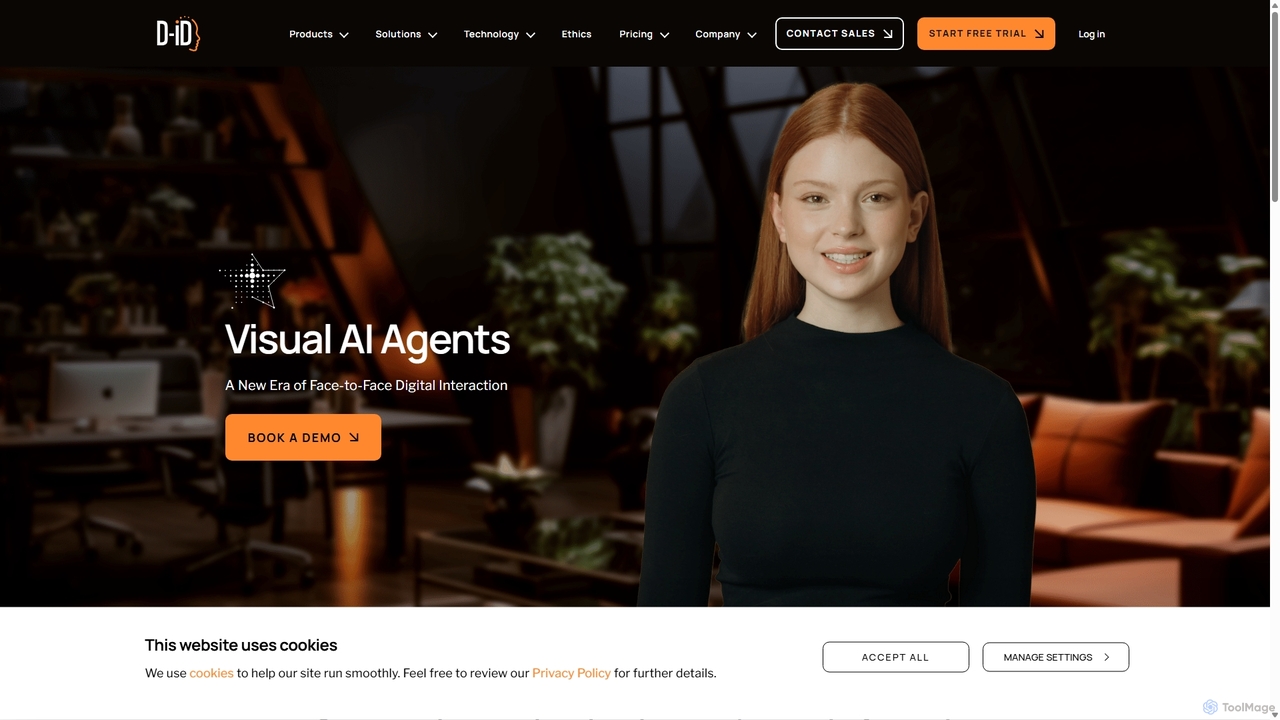
D-ID Agents is a platform for creating and interacting with lifelike digital humans. Powered by generative AI, it enables real-time, face-to-face conversations with AI avatars, transforming user engagement for customer service, sales, and training. Users can easily design, manage, and deploy AI agents that offer a more personal and intuitive interface for digital interactions.

Chatbots
Visits 688.7KFavorites 156Likes 160
Humva
Freemium

Humva

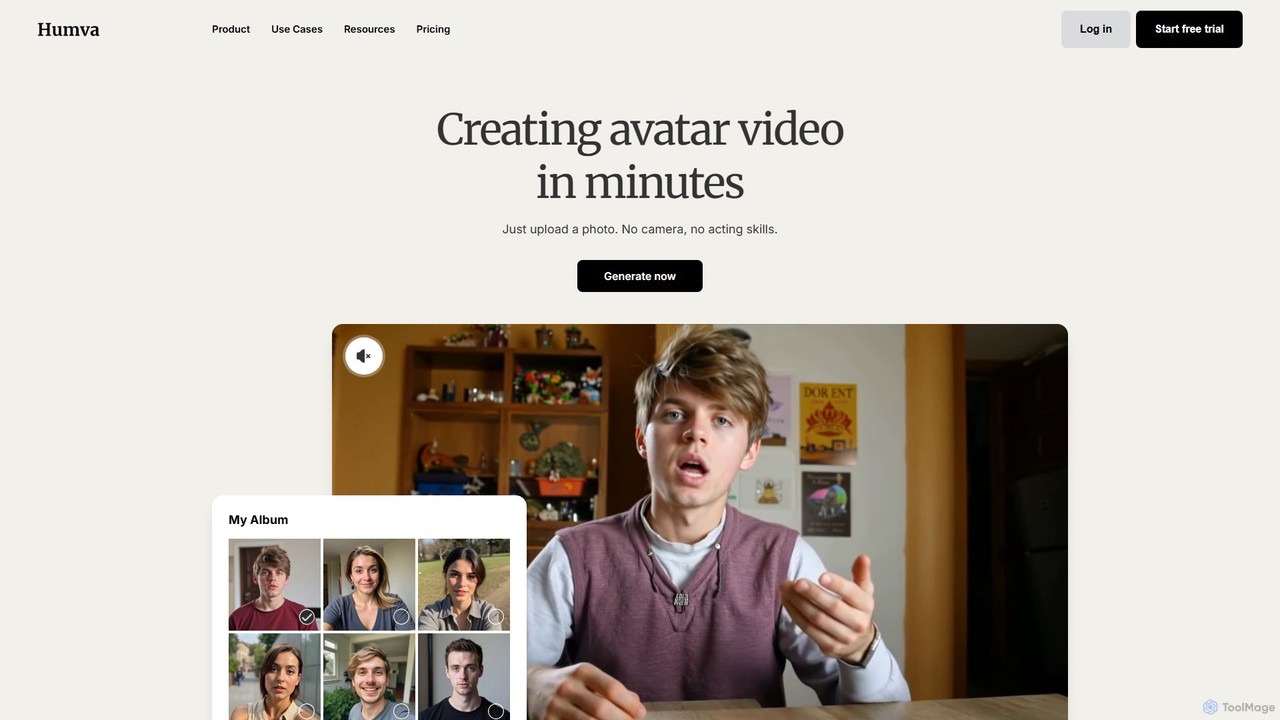
Humva is an AI-powered platform that creates professional avatar videos in minutes. Simply upload a photo to generate a custom digital avatar or choose from a vast library. Ideal for marketing, education, and explainer videos without needing cameras or acting skills.

E Learning
Visits 13.2KFavorites 112Likes 118

About Avatar Generation

Avatar Generation tools are AI-powered platforms designed to create digital representations, or avatars, of individuals or characters. Leveraging advanced machine learning and deep learning algorithms, these tools can synthesize highly realistic or uniquely stylized virtual personas. They enable users to establish distinct digital identities, enhance online presence, and produce engaging visual content, serving as a crucial component within the broader video creation and virtual interaction ecosystem.

Core Features

  • Customization: Adjust facial features, body, hair, clothing, and accessories to create unique avatars.
  • Style Transfer: Apply diverse artistic styles, from photorealistic to cartoon, anime, or abstract.
  • Expression & Animation: Generate avatars capable of displaying a wide range of emotions and performing dynamic movements.
  • 2D/3D Output: Support for creating both two-dimensional and three-dimensional avatar models for various platforms.
  • Source Input: Create avatars from text descriptions, existing photos, or even video clips.

Use Cases

These tools are widely adopted in social media for personalized profiles, in gaming for character creation, in virtual reality for immersive experiences, and by content creators for producing unique video narrators or presenters. They streamline the process of developing digital identities for marketing, education, and entertainment.

How to Choose

When selecting an AI avatar generator, consider the depth of customization options, the quality and realism of the output, the range of available animation and expression features, and its compatibility with your target platforms or software. Evaluate the ease of use, pricing models, and the ability to generate avatars from various input sources like text or photos to match your specific project requirements.

Avatar Generation use cases

1

Creating Personalized Virtual Assistants

Businesses leverage avatar generation tools to design unique, branded virtual assistants for customer service or interactive guides. By customizing the avatar's appearance, voice, and expressions, companies can enhance user engagement and provide a more human-like interaction experience, making support or information delivery more approachable and memorable for customers.

2

Creating Personalized Virtual Presenters for E-learning

E-learning developers utilize AI avatar generators to create diverse and engaging virtual instructors. By inputting scripts and desired appearances, they can quickly generate animated avatars that deliver course content, enhancing student engagement and making educational materials more accessible and visually appealing without needing human presenters on camera.

3

Designing Unique Gaming Characters and NPCs

Game developers leverage these tools to rapidly prototype and generate a vast array of customizable avatars for player characters and non-player characters (NPCs). This significantly accelerates the character design process, allowing for quick iterations on appearance, style, and even basic animations, saving substantial artistic development time and resources.

4

Developing Game Characters & NPCs

Game designers and developers can rapidly generate diverse character models and non-player characters (NPCs) with varied appearances, expressions, and even basic animations. This significantly accelerates the prototyping and asset creation phases of game development, allowing for quicker iteration and a richer, more diverse cast of in-game personalities without extensive manual modeling.

5

Producing Engaging Social Media Content

Influencers, marketers, and content creators can generate consistent, animated digital personas for short-form video content across platforms like TikTok, Instagram Reels, and YouTube Shorts. These avatars can deliver messages, react to trends, or tell stories, increasing brand recognition and audience interaction by offering a fresh and scalable way to produce engaging visual narratives without needing a human on camera.

6

Developing Branded Virtual Influencers for Marketing

Marketing teams employ AI avatar generation to create consistent, branded digital personas that represent their company or product. These virtual influencers can be animated to deliver marketing messages, participate in virtual events, or interact with audiences on social media, building a unique and scalable digital brand presence.

7

Generating Professional Digital Personas for Virtual Meetings

Business professionals use AI avatar tools to create realistic or stylized digital representations of themselves for online conferences, webinars, and virtual meetings. This allows them to maintain a professional appearance and presence without needing to be physically on camera, offering privacy and flexibility while still engaging effectively with colleagues and clients.

8

Enhancing Virtual Event & Metaverse Experiences

Event organizers and metaverse platforms enable users to generate personalized avatars for immersive participation in online conferences, virtual concerts, or digital worlds. This fosters a stronger sense of presence and community among attendees, allowing them to express their individuality and interact more naturally within virtual environments, significantly enriching the overall experience.

9

Producing Animated Avatars for Social Media Content

Content creators and social media managers generate expressive, animated avatars to narrate short videos, create engaging skits, or deliver news updates on platforms like TikTok, Instagram, and YouTube. This method offers a fresh, creative way to produce high-volume content, boosting audience interaction and brand visibility.

10

Streamlining E-learning & Training Modules

Educators and corporate trainers utilize avatar generation to create engaging digital instructors or characters for e-learning courses and training modules. These avatars can deliver lessons, provide feedback, and guide learners through interactive content, making educational materials more dynamic, relatable, and accessible, especially for remote or self-paced learning environments.

11

Crafting Diverse Characters for Storytelling and Animation

Independent animators, authors, and storytellers use AI avatar generators to quickly populate their narratives with unique and diverse characters. From concept art to basic animated sequences, these tools accelerate the pre-production phase, allowing creators to visualize and iterate on their character designs more efficiently for various media projects.

12

Building Digital Doubles for Personal Branding

Professionals and individuals create realistic or stylized digital twins for online profiles, virtual meetings, and personal branding across various digital platforms. This allows for a consistent and professional online presence without always needing to be physically present, offering flexibility for content creation, virtual presentations, and maintaining a distinct digital identity that resonates with their personal brand.

Avatar Generation FAQ

What is AI Avatar Generation?

AI Avatar Generation refers to the process of creating digital representations of individuals or characters using artificial intelligence. These tools employ machine learning algorithms to analyze input data, such as text descriptions or photos, and synthesize unique virtual personas. They are widely used for personalizing online identities, enhancing digital content, and creating virtual presenters or characters for various applications, often integrating into video production workflows.

What are Avatar Generation tools?

Avatar Generation tools are AI-powered platforms that create digital representations of people or characters, ranging from realistic to stylized. They typically use machine learning to process inputs like photos, text, or voice, generating static images, 3D models, or animated videos of avatars. These tools are widely used in content creation, gaming, virtual communication, and personal branding.

How do AI Avatar Generators work?

AI Avatar Generators typically work by employing deep learning models, such as Generative Adversarial Networks (GANs) or diffusion models. Users provide input (e.g., a photo, text description, or voice recording), and the AI analyzes these inputs to synthesize a new digital avatar. For animation, they often use facial landmark detection and motion transfer techniques to bring the avatar to life with expressions and lip-sync.

How do I choose the best AI avatar generator for my needs?

To select the best AI avatar generator, consider several key factors. Evaluate the level of customization offered, including facial features, clothing, and accessories. Assess the output quality and realism, as well as the range of artistic styles available. Look for robust animation and expression capabilities, compatibility with your existing platforms, and the types of input it supports (e.g., text, photo, video). Finally, compare pricing models and ease of use to ensure it fits your budget and technical comfort level.

What's the difference between Avatar Generation and general Video Editing tools?

Avatar Generation specifically focuses on creating digital characters, often from scratch or based on minimal input, and can animate them. General Video Editing tools, while capable of integrating avatars, primarily focus on manipulating existing video footage, adding effects, cutting, and compositing. Avatar generation is a specialized creative process that feeds into broader video production workflows, providing unique digital assets.

What features should I look for in an AI avatar generator?

When choosing an AI avatar generator, prioritize features like extensive customization options for appearance and attire, diverse style transfer capabilities (e.g., realistic, cartoon, anime), and advanced expression and animation controls for lifelike movements and emotions. Support for both 2D and 3D avatar output is crucial for versatility. Additionally, consider tools that allow avatar creation from various sources, such as text prompts, existing photographs, or even video clips, to maximize flexibility.

What features should I look for in an Avatar Generation tool?

When choosing an avatar generation tool, consider the quality and realism of the output, the range of customization options (e.g., clothing, hairstyles, expressions), and support for 2D or 3D outputs. Look for animation capabilities (lip-sync, gestures), ease of use, and integration with other platforms. Also, evaluate the cost, the licensing terms for commercial use, and the variety of available styles.

How does AI Avatar Generation differ from general AI Video Generation?

AI Avatar Generation specifically focuses on creating and animating digital characters or personas, often for integration into video content. It deals with the appearance, expressions, and movements of a virtual individual. In contrast, general AI Video Generation encompasses a broader range of tasks, including creating entire video scenes, editing existing footage, synthesizing speech for any video, or generating full video narratives. Avatar generation is a specialized subset that provides the "actors" for many AI-generated video projects.

Can I use generated avatars for commercial purposes?

Most AI avatar generation tools offer commercial licenses, but it's crucial to check the specific terms of service for each platform. Some tools may require a paid subscription for commercial use, while others might have restrictions on how the generated content can be used or distributed. Always review the licensing agreement to ensure compliance and avoid potential legal issues.

Who can benefit from using AI avatar generation tools?

A wide range of users can benefit from AI avatar generation tools. Content creators can use them to produce unique video narrators or social media personalities. Marketers can develop branded virtual influencers for campaigns. E-learning developers can create engaging virtual instructors. Game designers can rapidly prototype characters. Businesses can use them for professional digital personas in virtual meetings, and individuals can personalize their online identities across various platforms.