ToolMage
Sign in

Best 4 Hosting AI tools for Video

Popular Hosting AI tools in Video include Vimeo, Panda Video, Gumlet, and Muse.ai, helping you work more efficiently.

Freemium

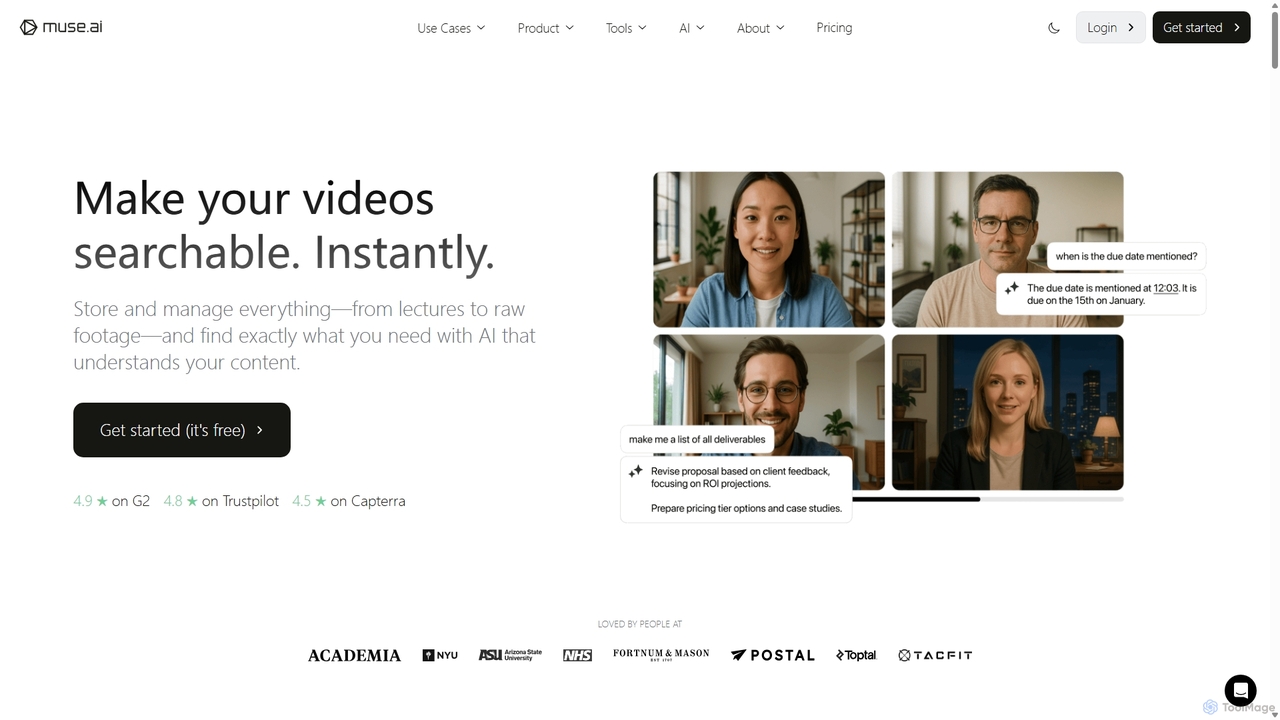
Muse.ai

Muse.ai is an intelligent AI-powered video platform that simplifies video hosting, management, and monetization. It offers a unique in-video search capability, allowing users to find specific moments by searching for speech, text, people, objects, and actions. With automatic transcription, a customizable player, and powerful analytics, it's designed for educators, creators, teams, and marketers to unlock the full potential of their video content.

E Learning
Visits 75.6KFavorites 114Likes 117
Freemium

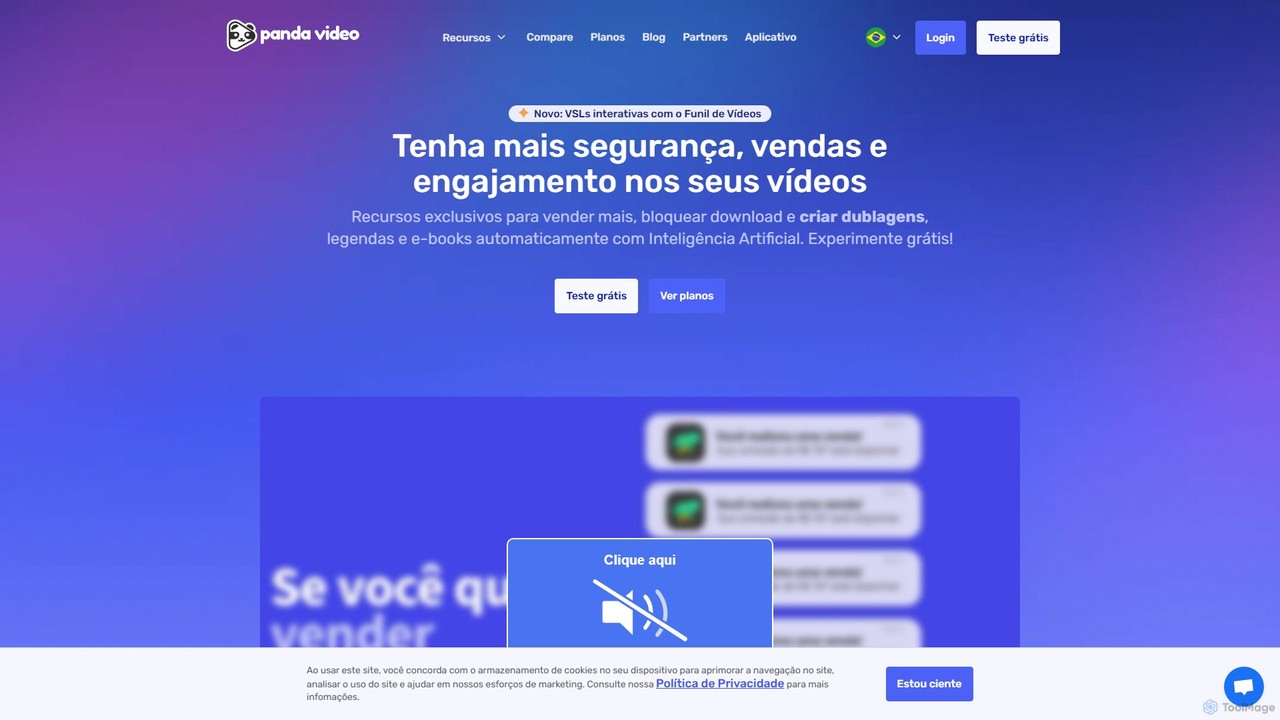
Panda Video

Panda Video is a secure video hosting platform designed for digital producers, marketers, and educators. It leverages AI to enhance engagement and sales with features like automatic dubbing and subtitles in 33 languages, an AI tutor chatbot, and robust DRM security to prevent piracy. It's a comprehensive solution for hosting, protecting, and monetizing video content.

E Learning
Visits 380.7KFavorites 93Likes 104
Freemium

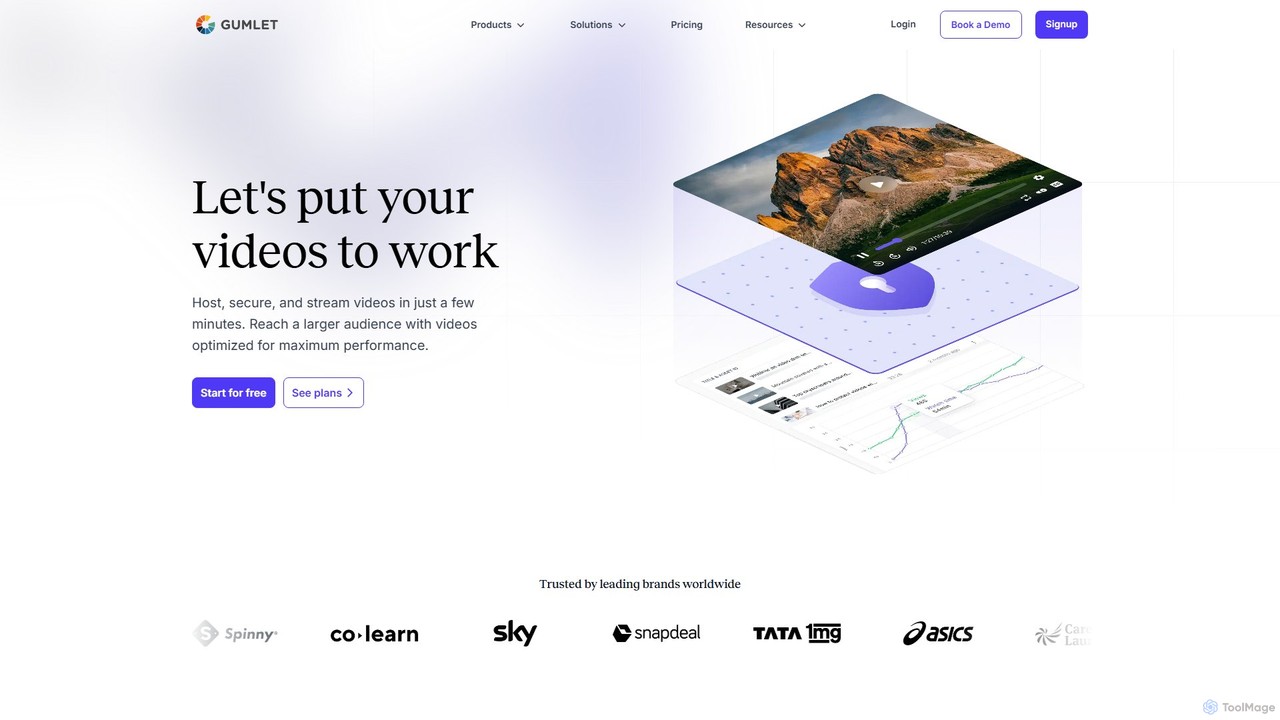
Gumlet

Gumlet is an all-in-one media delivery platform that provides AI-powered video and image optimization, hosting, and streaming services. It helps businesses deliver high-quality, fast-loading media content to a global audience, improving user engagement, SEO, and reducing bandwidth costs. With features like one-click DRM, a customizable player, and robust developer APIs, Gumlet simplifies complex media workflows for creators, developers, and enterprises.

Api
Visits 296KFavorites 143Likes 128
Freemium

Vimeo

Vimeo is an all-in-one, AI-powered video platform for professionals, businesses, and creators. It offers high-quality, ad-free video hosting, advanced creation and editing tools, live streaming, and monetization solutions. New AI features like text-based editing, automatic translation, and SEO optimization streamline workflows and enhance video impact.

Video Marketing
Visits 57.1MFavorites 88Likes 85

About Hosting

AI-powered Video Hosting platforms are specialized services for storing, encoding, delivering, and managing video content online. These tools leverage AI to automate tasks like generating transcripts, adding smart tags, and optimizing video quality for delivery across global CDNs. They provide a robust infrastructure for high-quality, buffer-free streaming, ensuring a superior viewing experience compared to self-hosting. This enables creators and businesses to focus on content, not technical complexities.

Core Features

  • Adaptive Bitrate Streaming: Automatically adjusts video quality in real-time based on the viewer's internet speed to prevent buffering.
  • Video Content Management System (CMS): A centralized library to organize, search, and manage large volumes of video assets.
  • AI-Powered Analytics & Insights: Uses AI to analyze viewer engagement, track performance metrics, and provide actionable data.
  • Advanced Security & DRM: Offers features like domain restriction, password protection, and Digital Rights Management (DRM) to prevent piracy.
  • Player Customization & Branding: Allows for full customization of the video player's appearance and branding to match a company's identity.

Use Cases

Video hosting platforms are essential for industries like e-learning for delivering online courses, corporate communications for internal training, and marketing for embedding promotional videos on websites. Media companies use them to power Over-The-Top (OTT) streaming services, while e-commerce businesses use them for product demonstration videos.

How to Choose

When selecting a video hosting tool, consider its scalability and CDN performance for handling traffic spikes. Evaluate security features, especially if you have sensitive or premium content. Assess the level of player customization and API access for integration with your existing systems. Finally, compare pricing models based on your expected bandwidth and storage needs.

Featured tool rankings

Hosting use cases

1

Hosting Online Courses for E-Learning Platforms

An instructional designer for an e-learning company needs to deliver high-definition course videos to thousands of students globally without buffering. They use a video hosting platform to upload course modules, which are automatically encoded for adaptive streaming. AI features generate searchable transcripts and chapters, improving accessibility and navigation. The platform's analytics provide insights into which parts of a video students re-watch most, helping to identify complex topics and improve future content.

2

Secure Internal Corporate Training and Communication

A human resources manager at a large corporation needs to distribute confidential training videos and CEO announcements to employees across different locations. They use a secure video hosting service with features like SSO (Single Sign-On) integration, domain restriction, and password protection. This ensures that only authorized employees can access the content. The platform's detailed analytics help track completion rates for mandatory training, ensuring compliance across the organization.

3

Embedding Marketing Videos on Landing Pages

A digital marketer wants to increase conversion rates on a product landing page by adding a high-quality demo video. They use a video hosting platform to embed a fast-loading, ad-free video player. They customize the player with their brand colors and add a call-to-action (CTA) button at the end of the video. The platform's A/B testing feature for thumbnails and its detailed engagement analytics help them optimize the video's performance to maximize leads and sales.

4

Powering an On-Demand Video Streaming (OTT) Service

A media startup is launching a subscription-based video-on-demand (SVOD) service. They rely on a video hosting platform with robust APIs to build their custom application. The platform handles all the backend complexity, including transcoding videos into multiple formats, global delivery via CDN, and securing content with studio-grade DRM. This allows the startup to focus on acquiring content and marketing their service, rather than building and maintaining expensive video infrastructure.

5

Live Streaming Virtual Events and Webinars

An event organizer is hosting a hybrid conference with both in-person and virtual attendees. They use a video hosting platform's live streaming feature to broadcast keynotes and sessions in real-time. The platform provides a reliable, low-latency stream and includes interactive features like live chat and Q&A. After the event, the live recordings are automatically converted into on-demand videos, allowing attendees to re-watch sessions or for the organizer to sell access to the recordings.

6

Managing User-Generated Video Content at Scale

A social media platform developer needs a solution to handle thousands of daily video uploads from users. They integrate a video hosting platform's API for seamless uploading, processing, and storage. The platform's AI-powered content moderation tools automatically scan for and flag inappropriate content, reducing the burden on human moderators. The robust infrastructure ensures that all user videos are processed quickly and are available for playback across the platform without delay.

Hosting FAQ

What is AI-powered video hosting?

AI-powered video hosting is a specialized online service for storing, managing, and delivering video content that uses artificial intelligence to enhance its functionality. Beyond standard features like storage and streaming, it employs AI for tasks such as automatic transcription, content tagging, video quality optimization, and intelligent analytics. This helps creators and businesses save time, improve accessibility, and gain deeper insights into viewer behavior.

What's the difference between a video hosting platform and YouTube?

The main difference lies in control, branding, and purpose. YouTube is a social platform designed for public discovery and is ad-supported, meaning you have little control over ads or recommended content. A dedicated video hosting platform offers a professional, ad-free environment. It provides advanced features like player customization, detailed analytics, robust security (DRM), and monetization tools (paywalls, subscriptions), making it ideal for businesses, educators, and premium content creators.

How to choose the right video hosting platform?

To choose the right platform, evaluate your specific needs against these key factors:

  • Audience & Scale: How many viewers do you expect? Ensure the platform's CDN can handle your traffic without performance issues.
  • Security Needs: Is your content confidential or for sale? Look for features like DRM, password protection, and domain restrictions.
  • Customization & Branding: How important is it for the video player to match your brand? Check for white-label player options and customization controls.
  • Monetization Goals: Do you plan to sell access to your videos? Verify that the platform supports subscriptions (SVOD) or pay-per-view (TVOD).
  • Budget: Compare pricing models, which are often based on storage, bandwidth, or number of videos. Choose one that aligns with your usage patterns.
What is adaptive bitrate streaming and why is it important?

Adaptive bitrate streaming is a technology that detects a viewer's bandwidth and CPU capacity in real-time and adjusts the quality of the video stream accordingly. The hosting platform stores multiple versions (renditions) of a video at different quality levels. The player then intelligently switches between these versions to ensure smooth, buffer-free playback. It's crucial for providing a consistent, high-quality viewing experience to a diverse audience with varying internet speeds and devices.

Who needs a dedicated video hosting solution?

A dedicated video hosting solution is beneficial for any individual or organization where video is a core part of their business or communication strategy. This includes:

  • Businesses & Marketers: For embedding high-quality, branded videos on websites and landing pages.
  • Educators & Course Creators: To deliver secure, organized, and interactive online learning experiences.
  • Media Companies: To power professional streaming services (OTT/VOD) with robust security and monetization.
  • Corporations: For secure internal communications, training, and virtual events.

Essentially, if you need control over the viewing experience, advanced security, and detailed analytics, a dedicated hosting platform is a suitable choice.