Video & Image Best in category 1 results Image Generation AI Tool

Popular AI tools in the Image Generation field of Video & Image include Mangaka.app, etc., helping you quickly improve efficiency.

Mangaka.app

Mangaka.app

Mangaka.app is an AI-powered platform that transforms written stories into high-quality manga. Designed for authors, indie creators, and …

27.8K

About Image Generation

Image Generation tools are AI-powered platforms that leverage advanced machine learning models, such as Diffusion Models, to create novel visual content from textual descriptions or existing images. These tools transform abstract ideas or specific prompts into diverse visual outputs, ranging from photorealistic images to stylized artwork. They empower creators, marketers, and designers to rapidly prototype visuals, explore creative concepts, and produce unique assets without traditional artistic skills, significantly accelerating content production within the broader Video & Image AI landscape.

Core Features

  • Text-to-Image Generation: Create images from descriptive text prompts, offering unparalleled creative freedom.
  • Image-to-Image Transformation: Modify existing images or transfer styles using AI, maintaining structural integrity.
  • Inpainting & Outpainting: Seamlessly fill missing parts of an image or extend its boundaries with AI-generated content.
  • Style Transfer: Apply the artistic style of one image to the content of another, generating unique visual aesthetics.
  • ControlNet Integration: Provide precise control over generated image composition, pose, and structure using reference inputs.

Use Cases

Image Generation tools are invaluable across various sectors. Marketing teams use them to quickly produce diverse ad creatives and social media visuals, testing different concepts without extensive photoshoots. Game developers leverage them for rapid concept art iteration, generating character designs, environmental elements, and textures. Architects and interior designers utilize these tools to visualize conceptual designs and mood boards, presenting clients with multiple aesthetic options efficiently. Content creators can generate unique illustrations for blogs, articles, and presentations, enhancing engagement and brand identity.

How to Choose

When selecting an AI Image Generation tool, consider the quality and fidelity of its output, which varies significantly between models. Evaluate the range of customization options, such as prompt engineering capabilities, style controls, and advanced features like ControlNet. Assess the tool's speed of generation and its pricing model, including credit systems or subscription tiers. Finally, consider the ease of use and integration with your existing workflows, ensuring it aligns with your technical proficiency and project requirements.

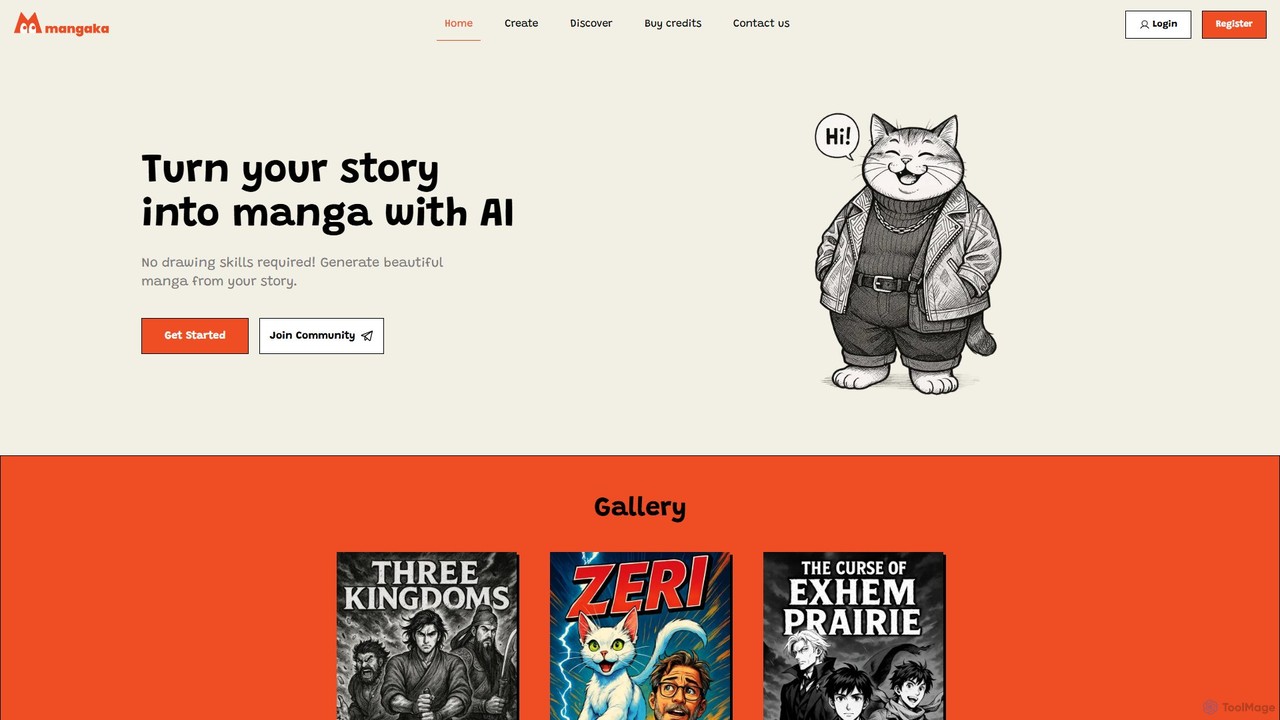
Image GenerationUse Cases

1

Generating Diverse Marketing Ad Creatives

Marketing professionals can utilize AI image generators to rapidly produce a multitude of ad creatives for campaigns. By inputting text prompts describing target audiences, product features, and desired aesthetics, they can generate hundreds of visual variations in minutes. This allows for extensive A/B testing, identifying the most effective visuals that resonate with consumers, significantly reducing the time and cost associated with traditional graphic design and photography.

2

Designing Game Concept Art and Assets

Game developers and concept artists employ image generation AI to accelerate the ideation phase for new games. They can input descriptions of characters, environments, props, or textures, receiving instant visual interpretations. This enables quick iteration on design concepts, exploring various art styles, character poses, and environmental moods without manual sketching, streamlining the pre-production pipeline and fostering creative exploration.

3

Creating Unique Blog Post Illustrations

Content creators and bloggers often struggle to find unique, high-quality images for their articles that aren't stock photos. AI image generators provide a solution by allowing them to create bespoke illustrations directly from their article's content. By feeding key themes or sentences as prompts, they can generate relevant, original visuals that enhance reader engagement, improve SEO, and maintain a consistent brand aesthetic across their publications.

4

Visualizing Fashion and Product Designs

Fashion designers and product developers can use AI image generation to visualize new collections or product variations before physical prototyping. Inputting descriptions of garments, materials, patterns, or product features allows them to see instant renders of potential designs. This capability helps in rapid design iteration, exploring different color palettes, textures, and forms, thereby saving significant resources on sample production and accelerating the design cycle.

5

Developing Architectural and Interior Design Concepts

Architects and interior designers leverage image generation tools to quickly create conceptual renders and mood boards for client presentations. By describing spatial layouts, material palettes, lighting conditions, and desired atmospheres, they can generate diverse visual interpretations of a project. This facilitates early-stage client feedback, helps in refining design directions, and allows for a more dynamic and collaborative design process without extensive 3D modeling.

6

Personalizing Digital Art and Avatars

Individual artists and enthusiasts use AI image generators to explore new artistic styles, create unique digital artworks, or personalize avatars and profile pictures. By experimenting with various prompts, styles, and parameters, they can generate highly customized visuals that reflect their personal aesthetic or specific creative vision. This democratizes art creation, allowing anyone to produce high-quality, unique digital assets for personal use or creative projects.

Image GenerationFrequently Asked Questions