
ToolMage
Sign in

Best 1 Video Analytics AI tools for Video & Image

Popular Video Analytics AI tools in Video & Image include Hellometer, helping you work more efficiently.

Hellometer
Paid

Hellometer

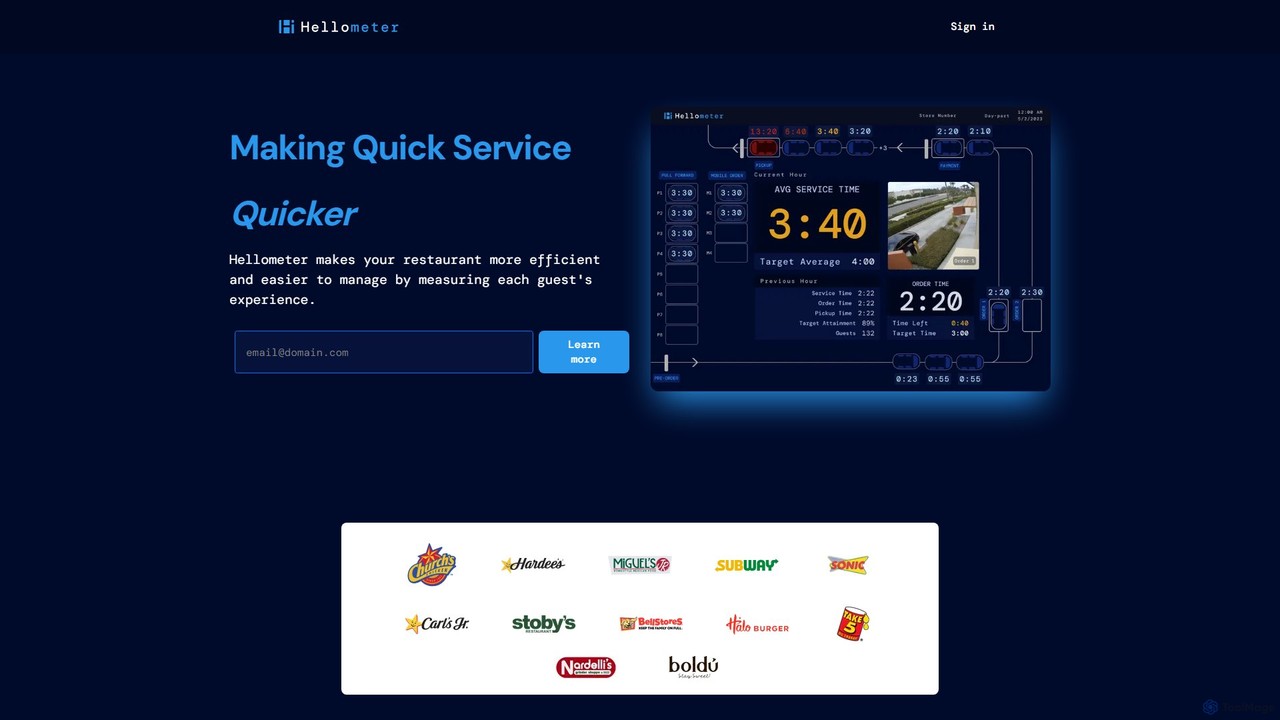
Hellometer is an AI-powered platform that uses computer vision to analyze camera feeds in quick-service restaurants (QSRs). It provides a drive-thru and dining room timer, helping businesses improve service speed, enhance guest experience, and increase revenue by optimizing operations.

Restaurant Management
Visits 9.3KFavorites 137Likes 138

About Video Analytics

Video Analytics tools are AI-powered solutions that automatically extract actionable insights from video content. These tools leverage computer vision, machine learning, and deep learning algorithms to detect objects, track movements, analyze behaviors, and identify patterns within live or recorded footage. They transform raw visual data into structured, quantifiable information, providing critical intelligence for various applications.

Core Features

  • Object Detection & Tracking: Automatically identifies and follows specific objects, people, or vehicles across video frames.
  • Behavioral Analysis: Detects and interprets human or object behaviors, such as loitering, crowd formation, or unusual movements.
  • Facial & Emotion Recognition: Identifies individuals or analyzes emotional states from facial expressions in video streams.
  • Anomaly Detection: Flags unusual or suspicious activities that deviate from learned normal patterns.
  • Demographic Analysis: Estimates age, gender, and other demographic attributes of individuals appearing in video.

Applicable Scenarios

Video Analytics is crucial for industries requiring deep understanding and automation from visual data. Security professionals use it for real-time threat detection and forensic analysis, while retail businesses apply it to understand customer behavior and optimize store layouts. Urban planners utilize it for traffic management and pedestrian flow analysis.

How to Choose

When selecting a Video Analytics tool, consider its accuracy in object detection and tracking, the range of behavioral analysis capabilities it offers, and its integration with existing camera systems or data platforms. Evaluate its scalability for your volume of video data, real-time processing capabilities, and compliance with privacy regulations, especially for facial recognition features.

Video Analytics use cases

1

Enhancing Security Surveillance

Security personnel in commercial buildings or public spaces utilize video analytics to monitor large areas efficiently. The tools automatically detect suspicious activities like unauthorized access, loitering in restricted zones, or abandoned packages, triggering real-time alerts. This allows security teams to respond proactively to potential threats, reducing manual monitoring efforts and improving overall safety.

2

Optimizing Retail Store Layouts

Retail store managers leverage video analytics to understand customer behavior within their stores. By tracking customer paths, dwell times in specific aisles, and interactions with product displays, they gain insights into popular areas and bottlenecks. This data helps optimize store layouts, product placement, and promotional strategies, leading to improved customer experience and increased sales conversion rates.

3

Improving Traffic Management in Smart Cities

City planners and traffic authorities deploy video analytics systems at intersections and major roadways. These systems analyze vehicle counts, speeds, and congestion patterns in real-time, identifying traffic bottlenecks and predicting peak hours. The insights enable dynamic adjustment of traffic signals, rerouting suggestions, and proactive planning for infrastructure improvements, significantly enhancing urban mobility and reducing commute times.

4

Monitoring Industrial Safety and Compliance

In industrial settings, safety managers use video analytics to ensure compliance with safety protocols and prevent accidents. The tools can detect if workers are wearing required personal protective equipment (PPE), identify unauthorized personnel in hazardous areas, or flag unsafe operating procedures. This proactive monitoring helps enforce safety standards, reduce workplace incidents, and streamline compliance audits.

5

Analyzing Sports Performance

Sports coaches and analysts employ video analytics to gain a competitive edge. By analyzing athlete movements, game strategies, and opponent behaviors from recorded matches, they can identify strengths, weaknesses, and areas for improvement. This detailed breakdown helps in refining training programs, developing new tactics, and providing objective feedback to athletes, leading to enhanced performance.

6

Enhancing Customer Experience in Hospitality

Hotels and resorts utilize video analytics to understand guest flow and service efficiency. By analyzing foot traffic in lobbies, restaurants, and common areas, they can identify peak times, optimize staffing levels, and improve queue management. This data-driven approach helps enhance guest satisfaction by reducing wait times, personalizing services, and ensuring a smoother overall experience.

Video Analytics FAQ

What are Video Analytics tools?

Video Analytics tools are AI-powered systems that automatically extract meaningful information from video footage. They use computer vision to detect, track, and analyze objects, people, and behaviors. These tools are crucial for transforming raw video into actionable data for applications like security, retail optimization, and traffic management, providing insights far beyond simple recording.

How do Video Analytics tools work?

Video Analytics tools typically work by processing video streams through a series of AI algorithms. First, they use computer vision to identify and segment objects or regions of interest. Then, machine learning models analyze these segments for patterns, movements, or specific attributes (e.g., facial features, clothing color). Deep learning further refines this analysis, enabling more accurate detection and complex behavioral interpretation, often in real-time.

What are the main benefits of using Video Analytics?

The main benefits of Video Analytics include enhanced security through proactive threat detection and rapid response, improved operational efficiency by automating monitoring tasks, and valuable business intelligence from understanding customer behavior or traffic patterns. It also helps in ensuring compliance with safety regulations, optimizing resource allocation, and making data-driven decisions across various sectors, leading to significant cost savings and better outcomes.

How does Video Analytics differ from general video editing software?

Video Analytics focuses on extracting data and insights from video content, using AI to identify patterns, objects, and behaviors for analysis. In contrast, general video editing software is designed for manipulating, cutting, and enhancing video footage for creative or presentation purposes. While both deal with video, analytics tools are about understanding the content's meaning and data, whereas editing tools are about modifying its appearance and structure.

What are the privacy concerns with Video Analytics and how are they addressed?

Privacy concerns with Video Analytics primarily revolve around the collection and use of personal data, especially with facial recognition. These are addressed through several measures: anonymization of data, blurring faces or sensitive information, strict data retention policies, and adherence to regulations like GDPR or CCPA. Ethical guidelines and transparent usage policies are also crucial, ensuring that the technology is deployed responsibly and with respect for individual privacy rights.