Video & Image Best in category 4 results Video Analysis AI Tool

Popular AI tools in the Video Analysis field of Video & Image include myvelofit、Yogger、PCSports、Forma, etc., helping you quickly improve efficiency.

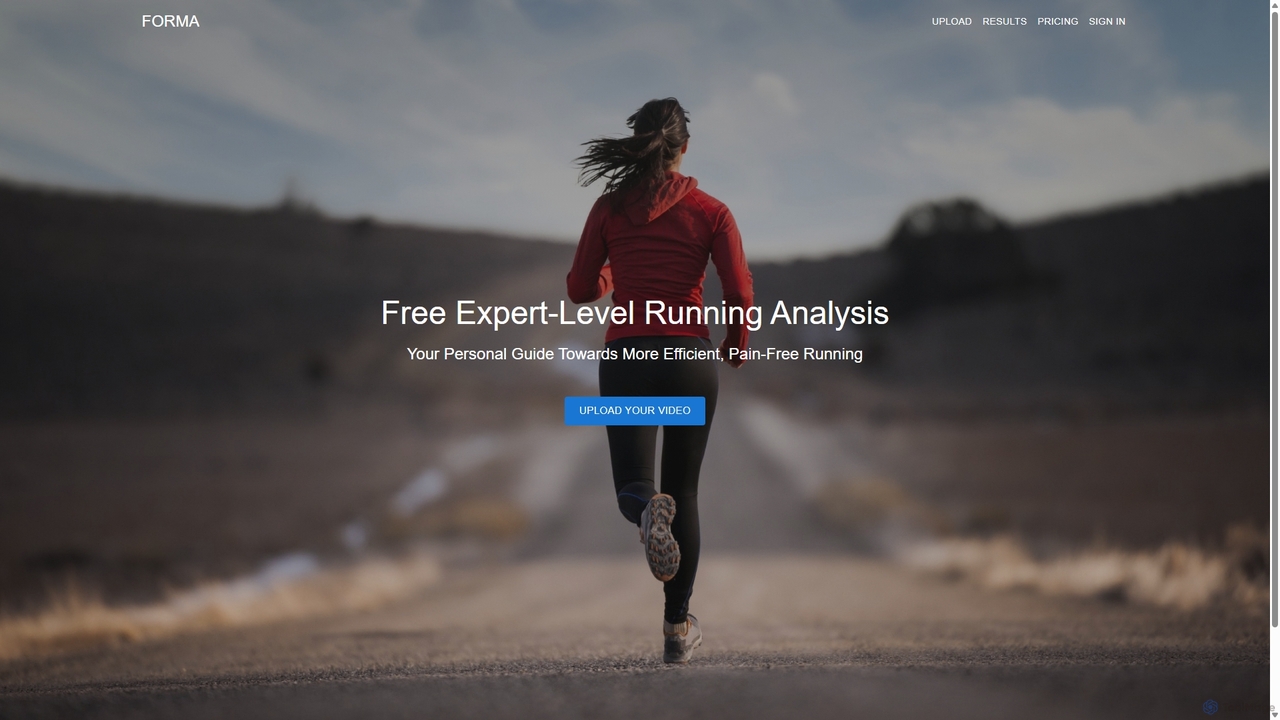
Forma

Forma

Forma is an AI-powered platform offering expert-level running form analysis. By uploading a video of your run, you …

4.9K
myvelofit

myvelofit

MyVeloFit is an AI-powered online platform that provides professional-grade bike fitting and sizing recommendations. By analyzing a simple …

133.6K
Yogger

Yogger

Yogger is an AI-powered movement analysis platform designed for coaches, physical therapists, and athletes. Using video from any …

5.8K
PCSports

PCSports

PCSports is an AI-powered sports coaching platform, also known as Pocket Coach. Its flagship app, Playi, uses computer …

5.2K

About Video Analysis

Video Analysis tools are AI-powered solutions designed to automatically process, interpret, and extract meaningful insights from video content. Leveraging advanced computer vision and machine learning algorithms, these tools can identify objects, recognize faces, detect activities, and analyze patterns within vast amounts of visual data. They transform raw video footage into structured, actionable information, enabling deeper understanding and more efficient decision-making across various industries.

Core Features

  • Object Detection & Tracking: Automatically identifies and follows specific objects, people, or vehicles throughout a video sequence.
  • Facial Recognition & Emotion Analysis: Detects and identifies individuals, and can infer emotional states from facial expressions.
  • Activity & Behavior Recognition: Identifies specific actions, events, or abnormal behaviors, such as falls, intrusions, or queueing.
  • Scene Understanding & Contextual Analysis: Analyzes the overall environment and context of a video to provide richer descriptive metadata.
  • Metadata Extraction & Indexing: Automatically generates searchable tags, timestamps, and summaries for efficient content organization and retrieval.

Use Cases

Video Analysis tools are indispensable for organizations dealing with large volumes of video data. They are widely adopted in security and surveillance for anomaly detection, in retail for customer behavior analysis, and in media for content indexing and compliance monitoring. These tools help automate tedious manual review processes, providing rapid insights into complex visual information.

How to Choose

When selecting a Video Analysis tool, consider the specific types of insights you need to extract (e.g., object tracking vs. sentiment analysis), the accuracy and robustness of its AI models, and its ability to integrate with existing video management systems. Evaluate its scalability for processing large datasets, the ease of customization for your unique requirements, and the clarity of its reporting and visualization features.

Video AnalysisUse Cases

1

Enhancing Security Surveillance

Security personnel in large facilities or public spaces utilize video analysis tools to automatically detect suspicious activities, unauthorized access, or abandoned objects in real-time. By setting up alerts for specific behaviors like loitering or unusual crowd movements, they can significantly reduce response times and improve overall safety without constant manual monitoring of countless camera feeds.

2

Analyzing Retail Customer Behavior

Retail managers deploy video analysis to understand customer flow, popular product areas, and queue lengths within their stores. The tools track anonymous customer paths and dwell times, providing data-driven insights into store layout effectiveness, promotional display impact, and staffing needs during peak hours, ultimately optimizing sales strategies and customer experience.

3

Automating Sports Performance Analysis

Sports coaches and analysts use video analysis to break down athlete movements, tactics, and game strategies. The AI can track player positions, ball trajectories, and identify specific actions like passes or shots, generating detailed statistical reports. This allows for objective performance evaluation, identifying areas for improvement, and developing targeted training programs.

4

Streamlining Media Content Indexing

Broadcasters and media archives leverage video analysis to automatically tag, categorize, and index vast libraries of video content. Tools can identify speakers, detect specific events, transcribe spoken words, and recognize logos, making it much faster to search for specific clips, repurpose content, and ensure compliance with broadcasting standards.

5

Improving Industrial Quality Control

Manufacturers integrate video analysis into production lines to automatically inspect products for defects, assembly errors, or inconsistencies. High-speed cameras capture footage, and AI algorithms instantly compare products against quality standards, flagging anomalies. This ensures consistent product quality, reduces waste, and minimizes the need for manual inspection.

6

Optimizing Traffic Management & Urban Planning

City planners and transportation authorities use video analysis from roadside cameras to monitor traffic flow, count vehicles, and detect incidents like accidents or congestion. This data helps in optimizing traffic light timings, identifying bottlenecks, and planning infrastructure improvements, leading to smoother urban mobility and reduced commute times.

Video AnalysisFrequently Asked Questions