Health & Fitness Best in category 5 results Sports AI Tool

Popular AI tools in the Sports field of Health & Fitness include myvelofit、Best Bike Split、Posturise、Forma、Calibrated Athlete, etc., helping you quickly improve efficiency.

Forma

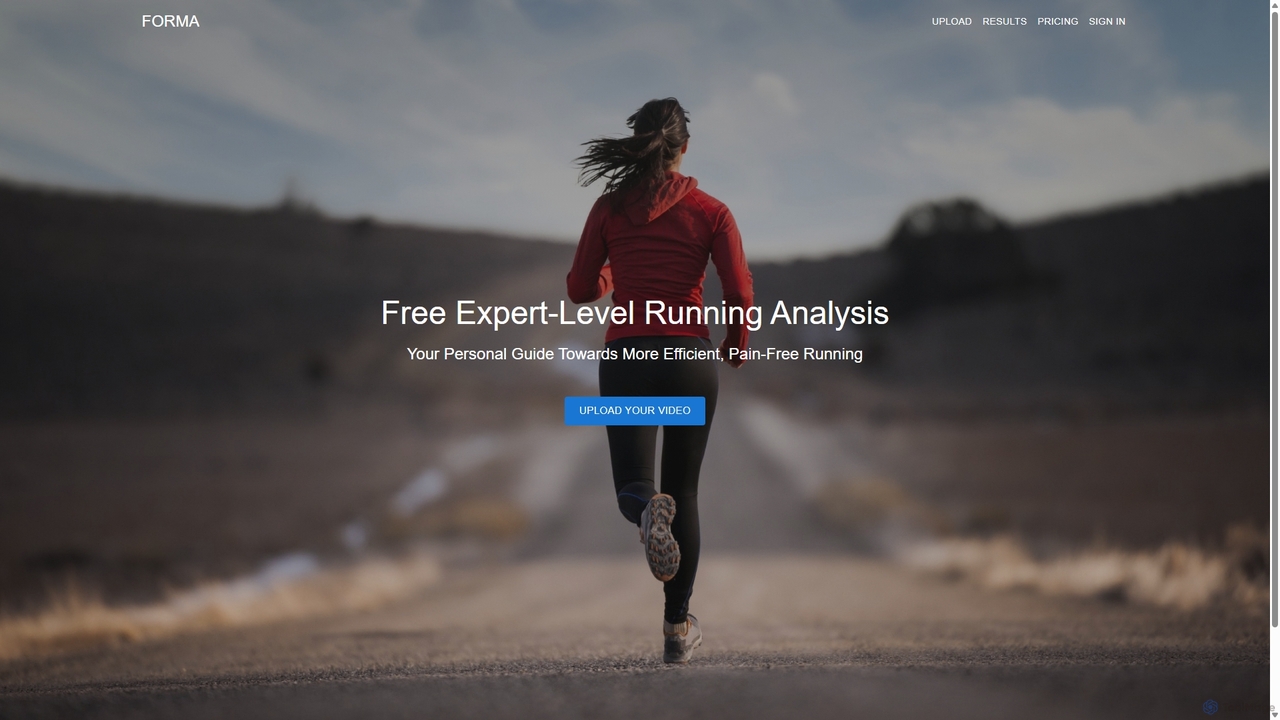
Forma

Forma is an AI-powered platform offering expert-level running form analysis. By uploading a video of your run, you …

5.5K
Posturise

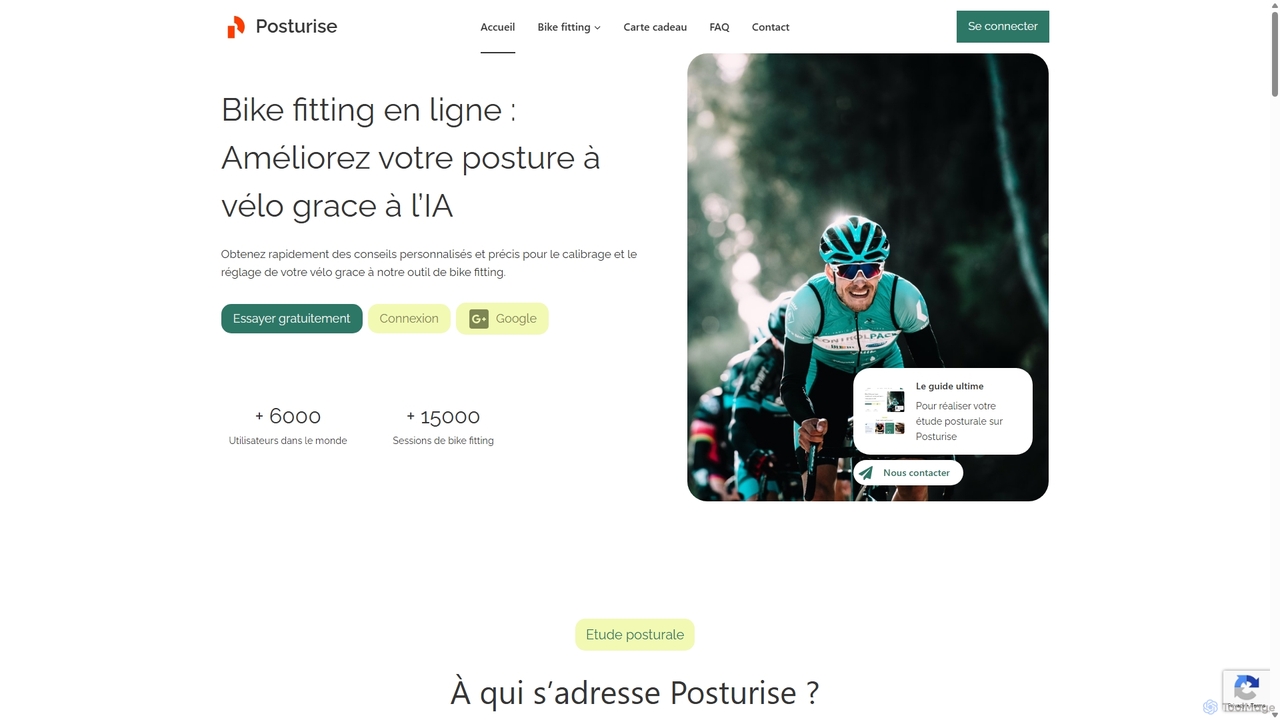
Posturise

Posturise is an AI-powered online bike fitting tool that analyzes your cycling posture through video. It provides personalized, …

6.9K
Calibrated Athlete

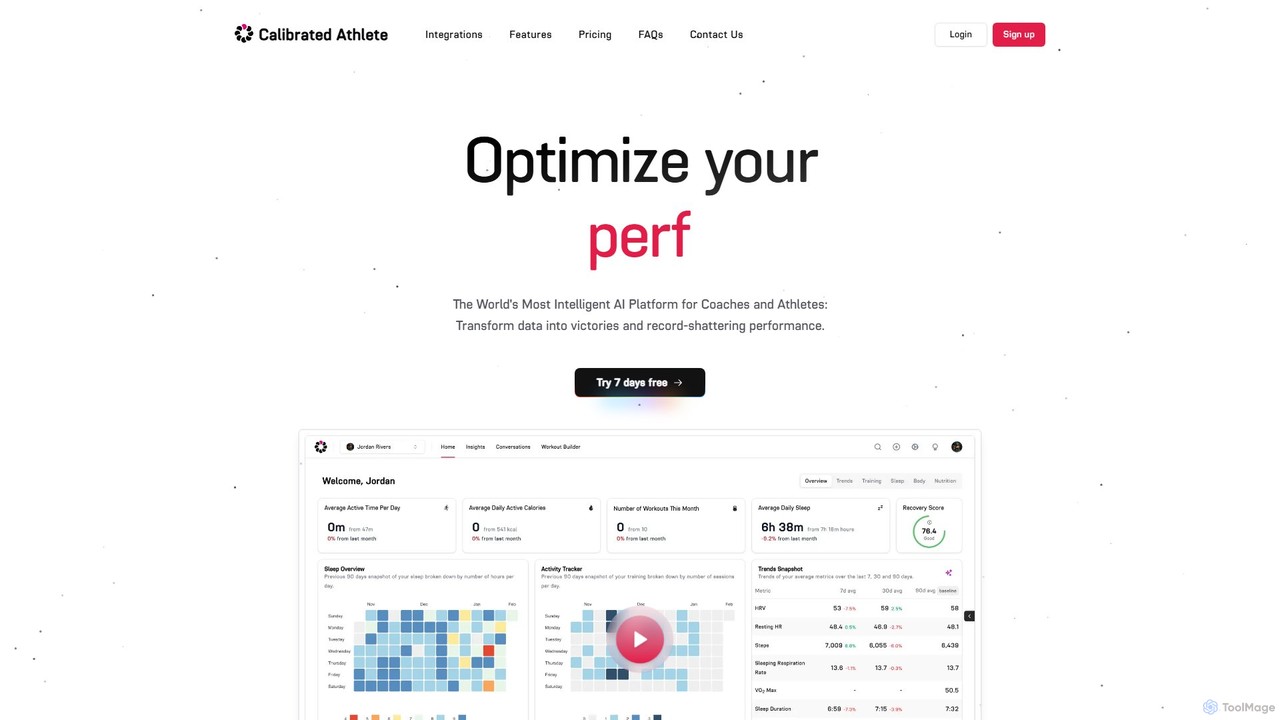
Calibrated Athlete

Calibrated Athlete is an AI-powered platform for athletes and coaches to optimize performance. It integrates data from workouts, …

3.4K
myvelofit

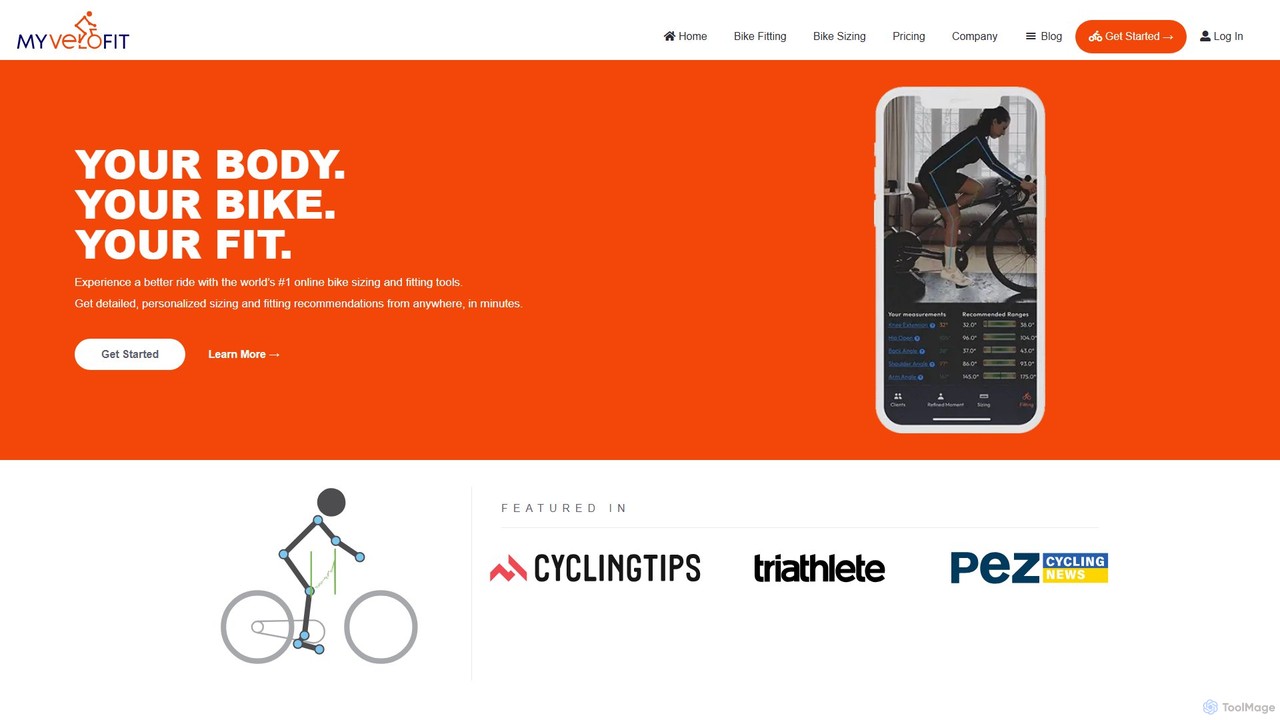
myvelofit

MyVeloFit is an AI-powered online platform that provides professional-grade bike fitting and sizing recommendations. By analyzing a simple …

134.2K
Best Bike Split

Best Bike Split

Best Bike Split is an AI-powered web application for cyclists and triathletes that creates optimal race pacing and …

40.4K

About Sports

AI Sports tools are a specialized category of applications using machine learning and computer vision to analyze and enhance athletic performance, strategy, and operations. These tools process vast amounts of data from videos, wearables, and statistical logs to identify patterns, predict outcomes, and provide actionable insights. They are used by athletes, coaches, and organizations to gain a competitive edge, prevent injuries, and deepen fan engagement. Unlike general fitness trackers, AI sports tools focus on sport-specific metrics and complex tactical analysis.

Core Features

  • Performance & Biomechanical Analysis: Analyzes movement, form, and efficiency from video or sensor data to provide corrective feedback.
  • Tactical & Strategic Planning: Identifies opponent weaknesses and suggests optimal game plans by processing historical game data.
  • Automated Video Tagging & Highlights: Automatically clips key moments, such as goals, fouls, or specific plays, from hours of game footage.
  • Player Scouting & Recruitment: Evaluates performance data to identify promising talent and predict future potential, streamlining the scouting process.
  • Injury Risk Prediction: Uses workload and biomechanical data to forecast the likelihood of player injuries, enabling preventative measures.

Use Cases

AI Sports tools are widely adopted across professional and amateur sports. Coaches use them to automate the breakdown of game film, saving hours of manual work. Athletes leverage them for personalized training feedback to refine their technique. Sports analysts and scouts utilize these platforms to discover undervalued talent globally, while medical staff implement them to create data-driven injury prevention programs.

How to Choose

When selecting an AI sports tool, first consider the specific sport it supports, as models are often highly specialized. Evaluate its data integration capabilities, such as compatibility with wearable sensors or specific video formats. Assess the depth and accuracy of its analytical models for your needs. Finally, consider whether the tool is designed for individual athletes, teams, or media organizations, as features and pricing will vary significantly.

SportsUse Cases

1

Automated Tactical Analysis for a Soccer Team

A soccer coach uploads footage from the team's last match to an AI analysis platform. The tool automatically tracks every player, identifies formations, and analyzes passing networks. Within an hour, it generates a visual report highlighting the opponent's defensive vulnerabilities and most frequent attacking patterns. The coach uses these data-driven insights to design specific training drills and adjust the team's strategy for the next game, focusing on exploiting the identified weaknesses instead of spending hours manually reviewing the video.

2

Improving Golf Swing with Biomechanical Analysis

An amateur golfer uses a smartphone app powered by AI to analyze their swing. They record a short video of their practice swing, and the AI uses computer vision to map 17 key points on their body. It then compares their movement to a database of professional golfers, providing instant feedback on hip rotation, club head speed, and swing plane. The app visualizes the data, showing the golfer exactly where their form breaks down and offers personalized drills to correct the specific flaw, accelerating their skill improvement.

3

Data-Driven Player Scouting in Basketball

A basketball scout for a professional team uses an AI platform to identify undervalued college players. Instead of just relying on traditional stats, the system analyzes game footage to evaluate decision-making, defensive positioning, and shot quality. The scout filters for players who fit the team's specific offensive system and have a high predicted potential for improvement. The AI generates a shortlist of five players who were overlooked by traditional scouting methods, providing the team with a significant competitive advantage in the draft.

4

Generating Automated Game Highlights for Media

A sports broadcasting network uses an AI tool to create highlight reels for social media instantly. The AI analyzes the live broadcast feed, using audio and visual cues to identify exciting moments like goals, dramatic saves, or crowd reactions. It automatically clips these moments, adds broadcast graphics, and publishes a complete highlight package to Twitter and YouTube within minutes of the event's conclusion. This process allows the network to engage fans in real-time and capture audience attention immediately after the game, a task that would typically require a team of human editors hours to complete.

5

Predicting Injury Risk for a Professional Football Team

A team's sports scientist inputs data from player GPS trackers and training load software into an AI platform. The system analyzes metrics like total distance covered, number of sprints, and acceleration changes. It cross-references this with each player's historical injury data to build a personalized risk model. At the start of the week, the AI flags two players as being in a 'high-risk zone' for hamstring injuries. The medical staff then modifies their training schedules, replacing an intense sprinting session with recovery work, proactively preventing potential injuries that could sideline key players.

6

Creating Personalized Fan Engagement Content

A major sports league uses an AI platform to enhance its fan app. Based on a fan's favorite team and players, the AI generates a personalized news feed with relevant articles, video clips, and stats. During a live game, it can send push notifications like, 'Your favorite player just scored a 3-pointer!' with an instant replay clip. This level of personalization makes each fan feel uniquely connected to the action, increasing app usage and strengthening their loyalty to the league and its teams.

SportsFrequently Asked Questions