Video & Image Best in category 1 results Analysis AI Tool

Popular AI tools in the Analysis field of Video & Image include Posturise, etc., helping you quickly improve efficiency.

Posturise

Posturise

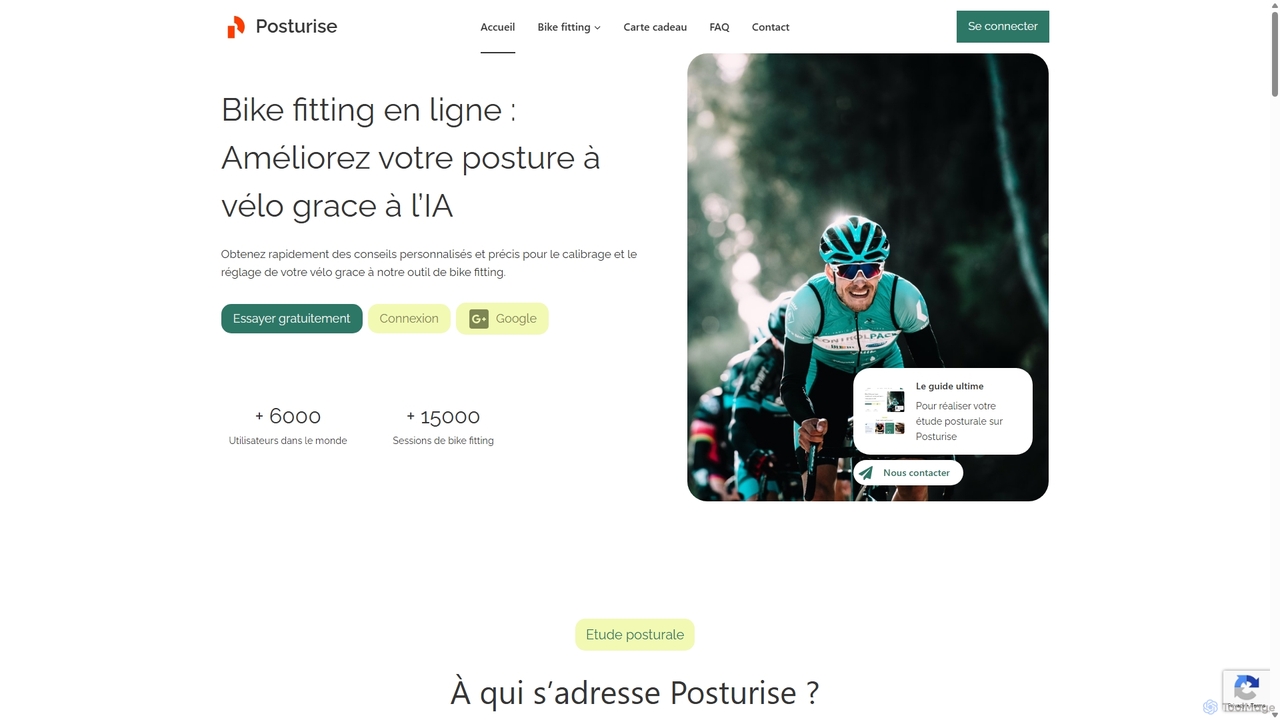
Posturise is an AI-powered online bike fitting tool that analyzes your cycling posture through video. It provides personalized, …

6.0K

About Analysis

Analysis tools are AI-powered solutions specifically designed to extract meaningful insights and structured data from video and image content. Leveraging advanced computer vision and machine learning algorithms, these tools can automatically identify objects, faces, activities, and patterns within visual media. They transform raw visual data into actionable intelligence, enabling automated monitoring, content understanding, and data-driven decision-making across various industries.

Core Features

  • Object & Scene Recognition: Automatically identifies and categorizes specific objects, people, or entire scenes within images and video frames.
  • Behavioral & Activity Analysis: Detects and interprets human or object movements, actions, and interactions to understand patterns or anomalies.
  • Facial & Emotion Recognition: Identifies individuals and analyzes facial expressions to infer emotions or demographic information.
  • Content Moderation: Scans visual content for inappropriate, harmful, or policy-violating elements, ensuring compliance and safety.
  • Metadata Extraction: Automatically generates descriptive tags, timestamps, and other contextual information from visual assets for better organization and searchability.

Applicable Scenarios

These tools are crucial for sectors like security, retail, media, and manufacturing. Security teams use them for real-time anomaly detection in surveillance footage, while retailers gain insights into customer behavior. Media companies automate content tagging, and manufacturers employ them for quality control and defect detection on production lines.

How to Choose

When selecting an AI analysis tool, consider its accuracy in object/activity detection, the breadth of its recognition capabilities, and its integration with existing systems. Evaluate its scalability for processing large volumes of data, the level of customization offered for specific analysis tasks, and its compliance with privacy regulations, especially for facial recognition features.

AnalysisUse Cases

1

Real-time Anomaly Detection in Surveillance

Security personnel in public spaces or industrial facilities utilize AI analysis tools to monitor live camera feeds. The tools automatically detect unusual activities, unauthorized access, or suspicious objects, triggering alerts for immediate human review. This significantly enhances security response times and reduces the need for constant manual monitoring, improving overall safety and operational efficiency.

2

Customer Behavior Analysis in Retail Stores

Retail managers deploy AI video analysis to understand customer movement patterns, dwell times in specific aisles, and product interaction. By analyzing anonymous video data, they can optimize store layouts, product placements, and staffing levels. This leads to improved customer experience, increased sales conversions, and more efficient store operations without compromising individual privacy.

3

Automated Content Tagging for Media Archives

Media companies and content creators use AI analysis tools to automatically tag and categorize vast libraries of video and image assets. These tools can identify key subjects, locations, emotions, and actions within the content, generating rich metadata. This significantly streamlines content management, making assets easily searchable and retrievable for editing, licensing, or distribution, saving countless hours of manual labor.

4

Automated Quality Control in Manufacturing

Manufacturers integrate AI image analysis into their production lines to perform automated quality inspections. Cameras capture images of products, and AI tools instantly detect defects, anomalies, or deviations from specifications that might be missed by the human eye or traditional methods. This ensures consistent product quality, reduces waste, and significantly speeds up the inspection process, leading to higher production efficiency and cost savings.

5

Sports Performance and Strategy Analysis

Sports analysts and coaches leverage AI video analysis to gain deep insights into player performance, team strategies, and opponent tactics. Tools can track player movements, analyze shot accuracy, identify defensive formations, and even assess fatigue levels from video footage. This data-driven approach helps teams refine training programs, optimize game strategies, and make informed decisions to enhance competitive advantage.

6

Environmental Monitoring and Wildlife Tracking

Researchers and conservationists employ AI image and video analysis for environmental monitoring, such as tracking deforestation from satellite imagery or identifying wildlife in camera trap footage. These tools can automatically count animal populations, detect illegal logging activities, or monitor changes in ecosystems over time. This provides critical data for conservation efforts, policy-making, and understanding ecological impacts with greater efficiency and accuracy.

AnalysisFrequently Asked Questions