
dg1
dg1 is an all-in-one AI-powered platform for building and managing websites, e-commerce stores, and marketing campaigns. It integrates …
dg1 is an all-in-one AI-powered platform for building and managing websites, e-commerce stores, and marketing campaigns. It integrates a voice-controlled AI assistant, GPT-4 for content creation, advanced e-commerce tools, a booking system, and a mobile app, all designed to help SMEs automate operations, reduce costs, and accelerate digital growth.
SpreadSimple
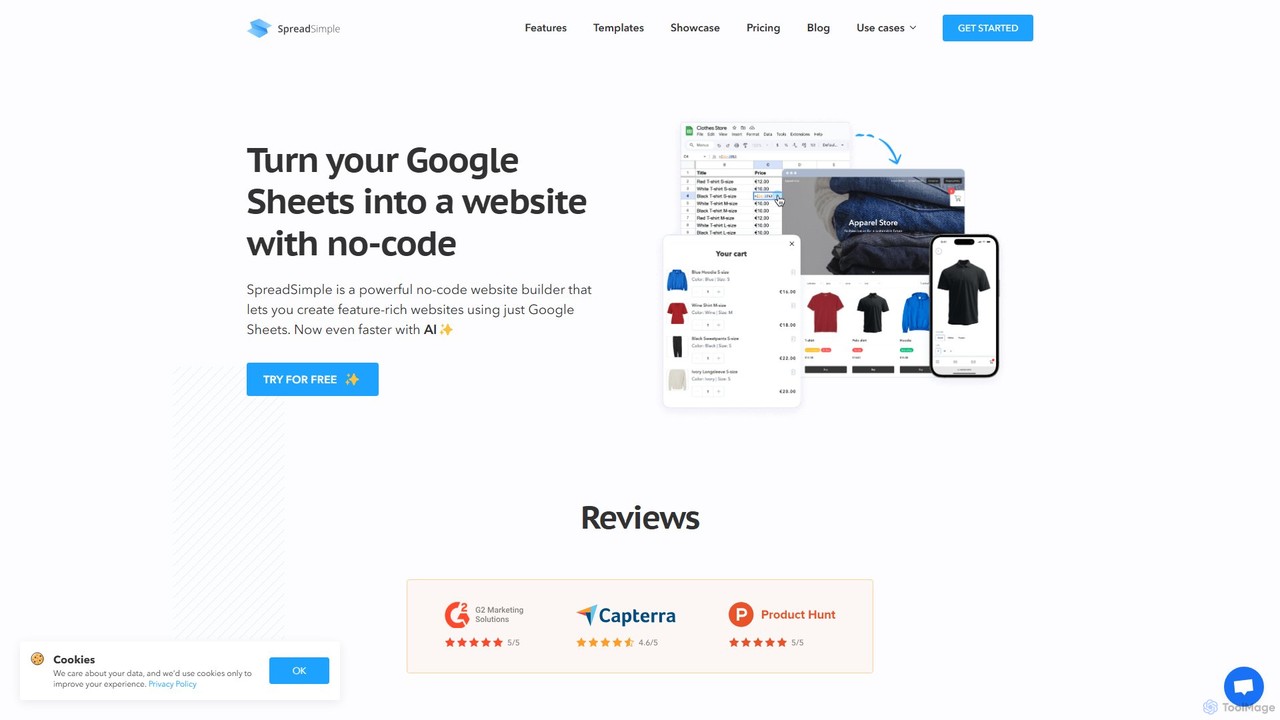
SpreadSimple is a powerful no-code website builder that transforms Google Sheets into modern, feature-rich websites. With its AI …
SpreadSimple is a powerful no-code website builder that transforms Google Sheets into modern, feature-rich websites. With its AI Creator, you can generate a complete website structure, logo, and color scheme just by describing your idea. It's perfect for e-commerce, directories, and real estate listings, allowing you to manage all content effortlessly from a familiar spreadsheet interface.
HelpKit
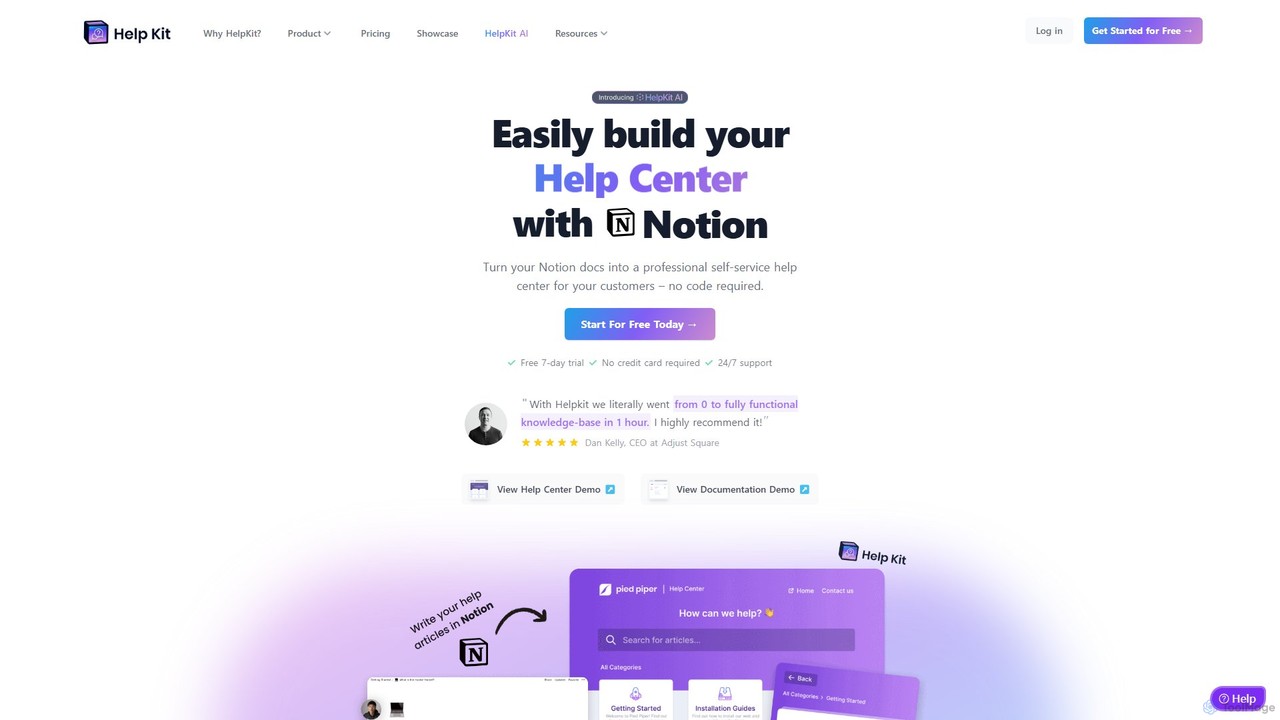
HelpKit is a no-code platform that transforms your Notion documents into a professional, fast, and SEO-optimized knowledge base, …
HelpKit is a no-code platform that transforms your Notion documents into a professional, fast, and SEO-optimized knowledge base, help center, or documentation site. It helps reduce support tickets by enabling customers to find answers themselves, 24/7.
About Website & App Building
Website & App Building tools are AI-powered solutions that streamline and automate various stages of creating and maintaining digital platforms. Leveraging machine learning and generative AI, these tools can assist with everything from initial design and code generation to content creation and deployment. They empower both seasoned developers and non-technical users to build sophisticated websites and applications more efficiently, reducing development time and enhancing overall quality.
Core Features
- AI Code Generation: Automatically generates code snippets, functions, or entire components from natural language descriptions or visual inputs.
- Automated UI/UX Design: Suggests optimal layouts, generates design elements, and creates responsive interfaces based on user preferences and best practices.
- Content Creation & Optimization: Produces website copy, product descriptions, blog posts, and SEO-friendly metadata, often tailored to specific audiences.
- Intelligent Testing & Debugging: Identifies potential bugs, suggests fixes, and automates testing processes to ensure application stability and performance.
- No-Code/Low-Code Enhancement: Integrates AI capabilities into visual development platforms, allowing users to add advanced features without extensive coding.
Use Cases
These tools are invaluable for a wide range of professionals, from individual entrepreneurs to large development teams. They are used to accelerate prototyping, build custom business applications, or quickly launch marketing landing pages. For instance, a small business owner can use AI to generate a complete e-commerce site, while a developer might leverage it to automate repetitive coding tasks or generate complex API integrations.
How to Choose
When selecting an AI tool for Website & App Building, consider its core functionalities, such as code generation accuracy or design flexibility, and ensure it aligns with your specific project needs. Evaluate its integration capabilities with existing development workflows and platforms, as well as its scalability to support future growth. Additionally, assess the learning curve, community support, and pricing model to find a solution that offers the best balance of features, ease of use, and cost-effectiveness for your team.
Website & App BuildingUse Cases
Rapid Website Prototyping
A startup founder needs to quickly validate a new business idea with a functional website. Using AI website building tools, they can input their concept and desired features in natural language, generating a basic site structure, design, and initial content within hours. This significantly accelerates the MVP development process, allowing for faster market testing and iteration without extensive coding resources.
Automated E-commerce Store Creation
An aspiring online retailer wants to launch an e-commerce store but lacks coding skills. AI tools can guide them through selecting templates, generating product descriptions from images or brief inputs, and even suggesting optimal layouts for conversion. The AI can also help integrate payment gateways and basic SEO, enabling the retailer to go live quickly and efficiently.
Accelerated Front-end Development
Experienced web developers often face repetitive coding tasks for UI components or boilerplate code. AI code generation tools allow them to describe desired components (e.g., "a responsive navigation bar with a dropdown menu") and receive ready-to-use code snippets in their preferred framework. This drastically reduces manual coding time, freeing developers to focus on complex logic and unique features.
Personalized Landing Page Generation
Marketing teams need to create numerous targeted landing pages for different campaigns. AI tools can generate variations of landing page layouts, headlines, and calls-to-action based on audience segments and campaign goals. By analyzing conversion data, the AI can even suggest optimizations, ensuring each page is highly relevant and effective without manual design and content creation for every iteration.
Mobile App UI Design & Code Generation
A mobile app designer wants to quickly visualize and implement UI concepts. AI tools can take wireframes or textual descriptions and generate high-fidelity UI designs, complete with interactive elements. Some advanced tools can even translate these designs directly into platform-specific code (e.g., Swift for iOS, Kotlin for Android), bridging the gap between design and development and speeding up the handoff process.
Intelligent Content & SEO Optimization
Content managers struggle to consistently produce fresh, SEO-optimized content for their websites. AI tools can analyze trending topics, competitor content, and search engine algorithms to generate blog post ideas, article outlines, and even full drafts. They can also optimize existing content for keywords, readability, and structure, ensuring higher search engine rankings and increased organic traffic with minimal manual effort.