Noaiseo
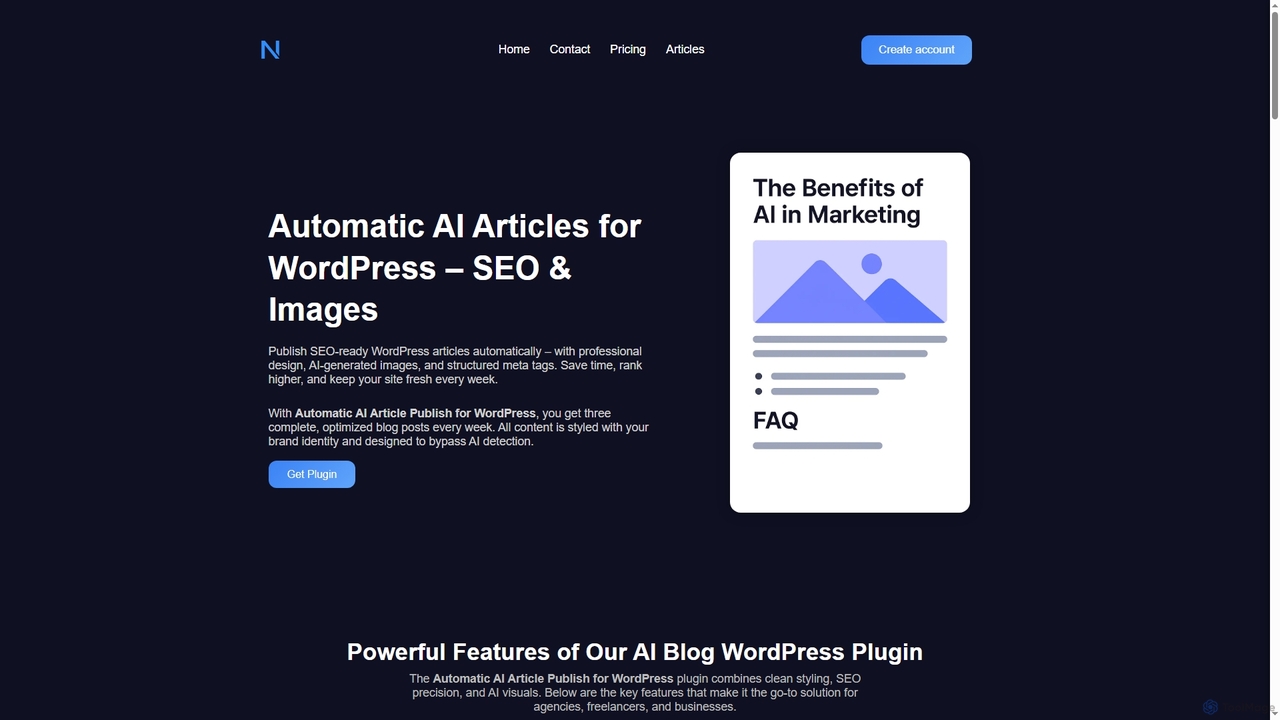
Noaiseo is an automatic AI article publishing WordPress plugin designed to generate SEO-optimized, human-like content with unique AI-generated …
Noaiseo is an automatic AI article publishing WordPress plugin designed to generate SEO-optimized, human-like content with unique AI-generated images. It helps bloggers, marketers, and agencies consistently produce high-quality, long-form articles without manual editing, ensuring content passes AI detectors and ranks well on search engines.
Phare
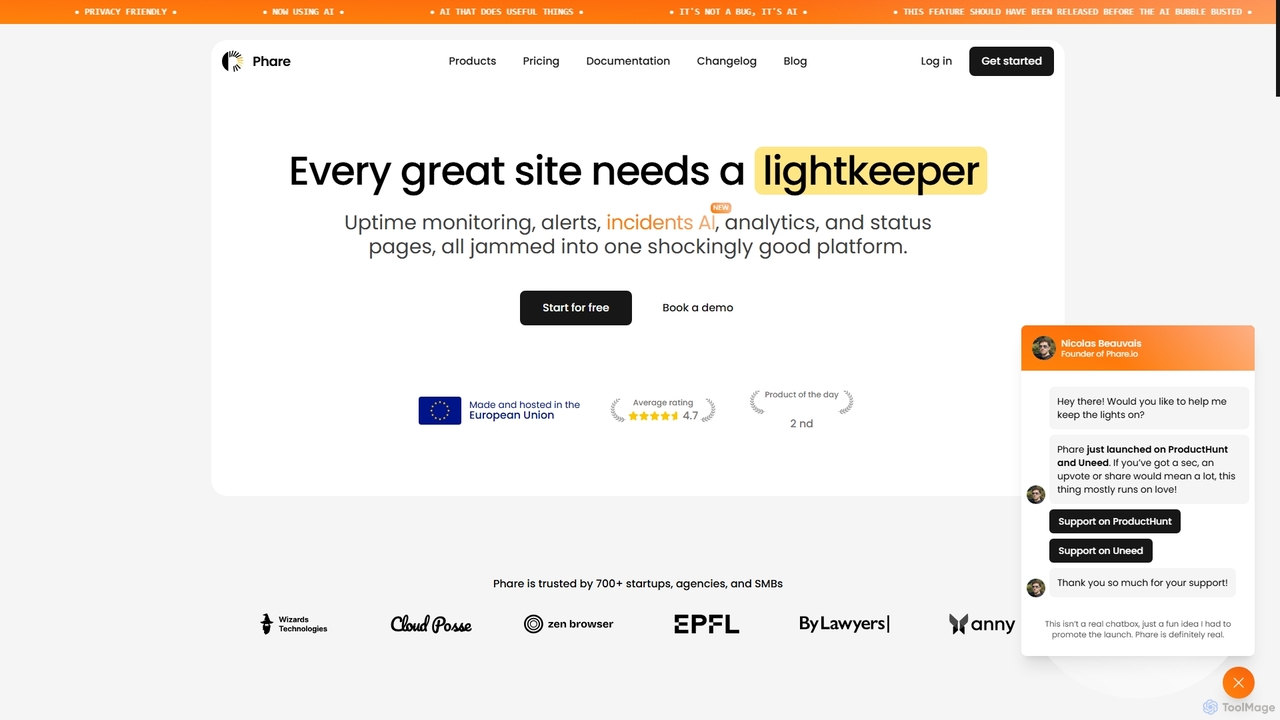
Phare is a comprehensive platform for website uptime monitoring, incident management, and custom status pages. It offers real-time …
Phare is a comprehensive platform for website uptime monitoring, incident management, and custom status pages. It offers real-time alerts, AI-powered incident summaries, and a flexible pricing model to ensure your online services run successfully and reliably.
AEOptimer
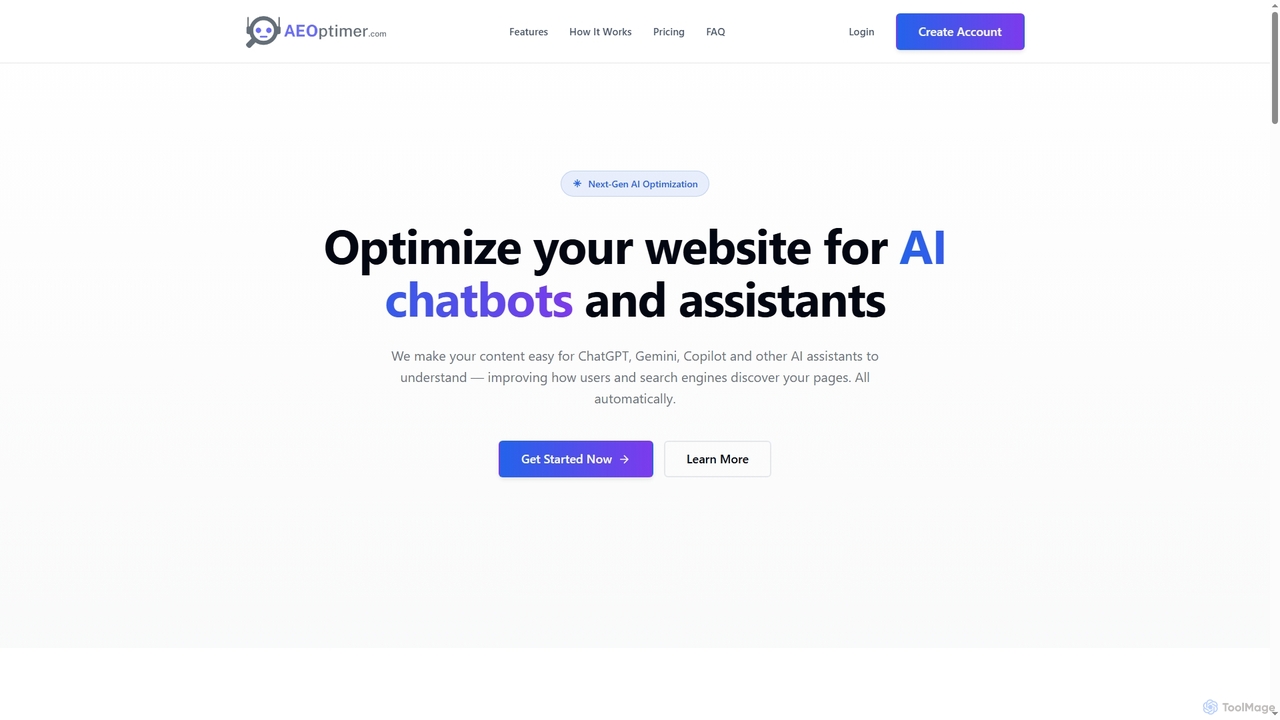
AEOptimer is a SaaS platform that automates website content optimization for enhanced visibility in both traditional search engines …
AEOptimer is a SaaS platform that automates website content optimization for enhanced visibility in both traditional search engines and modern AI assistants like ChatGPT, Gemini, and Copilot. It adds AI-friendly enhancements and structured data without requiring any code changes, ensuring your site remains discoverable and relevant in the evolving digital landscape.
About Website Management
AI Website Management tools are applications that use artificial intelligence to automate and optimize the creation, maintenance, and performance of websites. These tools leverage machine learning and natural language processing to handle tasks like SEO analysis, content generation, user experience personalization, and security monitoring. They empower businesses and individuals to build more effective online presences, improve user engagement, and drive conversions with significantly less manual effort. The primary advantage lies in their ability to process vast amounts of data to provide actionable insights and automate complex decisions in real-time.
Core Features
- AI-Powered SEO Optimization: Automatically analyzes keyword performance, suggests on-page improvements, and monitors search engine rankings.
- Automated Content Generation: Creates drafts for blog posts, product descriptions, and landing page copy based on simple prompts.
- Predictive A/B Testing: Uses AI to forecast winning variations of web pages more quickly than traditional testing methods.
- Dynamic Personalization: Adapts website content, product recommendations, and layouts for individual visitors to increase relevance.
- Intelligent Security Monitoring: Proactively detects and mitigates security threats like malware and suspicious activity using anomaly detection.
Use Cases
These tools are widely used across various sectors. E-commerce businesses utilize them to personalize shopping experiences and optimize product pages. Digital marketing agencies automate SEO audits and content strategy for clients, while corporate teams use them to maintain brand consistency and improve landing page conversion rates for campaigns.
How to Choose
When selecting a tool, consider its integration capabilities with your existing CMS (e.g., WordPress, Shopify) and analytics platforms. Evaluate the scope of features—whether you need an all-in-one platform or a specialized tool for SEO or security. Also, assess the level of automation versus manual control and the quality of the data analytics and reporting provided.
Website ManagementUse Cases
Automating SEO Content Strategy for a Blog
A content marketer managing a corporate blog aims to increase organic traffic. Using an AI website management tool, they perform keyword research, identify content gaps, and generate topic clusters. The AI analyzes top-ranking competitor articles to suggest optimized headlines, subheadings, and internal linking opportunities. This process automates the most time-consuming aspects of SEO strategy, allowing the marketer to focus on creating high-quality, insightful content. The result is a 60% reduction in research time and a measurable increase in search engine visibility for targeted keywords.
Personalizing E-commerce Shopping Experiences
An e-commerce manager wants to increase conversion rates on their online store. They implement an AI tool that analyzes visitor behavior in real-time, including clicks, time on page, and past purchases. Based on this data, the AI dynamically adjusts the homepage to display personalized product recommendations, tailored promotional banners, and recently viewed items. This creates a unique shopping journey for each user, making product discovery more relevant and intuitive. This level of personalization often leads to a 15-25% increase in conversion rates and a higher average order value.
Rapidly Building and Optimizing Landing Pages
A digital marketer needs to launch multiple landing pages for various ad campaigns quickly. Instead of manual design, they use an AI website builder. The marketer provides a prompt describing the product, target audience, and campaign goal. The AI generates several complete landing page variations, including compelling headlines, benefit-oriented copy, and calls-to-action. It then uses predictive analytics to identify the design most likely to convert, saving significant time on A/B testing. This approach reduces page creation time from days to hours and improves campaign ROI by launching with an already optimized page.
Proactive Website Security and Threat Detection
A small business owner, lacking a dedicated IT security team, needs to protect their website from cyber threats. They deploy an AI-powered security tool that continuously monitors website traffic and file integrity. The AI is trained to recognize patterns of malicious activity, such as brute-force login attempts or SQL injection attacks. When it detects an anomaly, it can automatically block the malicious IP address, patch the vulnerability, and alert the owner. This provides 24/7 automated protection, significantly reducing the risk of a security breach and data loss without requiring constant manual oversight.
Automating Website Accessibility (A11y) Compliance
A web developer for a public institution must ensure their website complies with accessibility standards like WCAG. Manually auditing and fixing every element is a daunting task. They integrate an AI accessibility tool that scans the entire site, identifying issues such as missing alt text for images, poor color contrast, and incorrect heading structures. The tool not only generates a detailed report but can also automatically apply fixes for common problems, like generating descriptive alt text for images. This streamlines the compliance process, helps avoid legal risks, and makes the website usable for a wider audience.
Intelligent Website Performance Monitoring
A DevOps engineer is responsible for maintaining fast load times for a high-traffic website. They use an AI monitoring tool that goes beyond simple alerts. The tool analyzes Core Web Vitals, server response times, and resource loading patterns. Instead of just reporting a slow page, the AI diagnoses the root cause, such as unoptimized images, render-blocking JavaScript, or inefficient database queries. It then provides specific, prioritized recommendations for fixes. This predictive approach helps the engineer prevent performance degradation before it affects a large number of users, ensuring a smooth experience and protecting SEO rankings.