ToolMage
Sign in

Best 1 Personalized Coaching AI tools for Wellness

Popular Personalized Coaching AI tools in Wellness include Fitwoody, helping you work more efficiently.

Fitwoody

Fitwoody

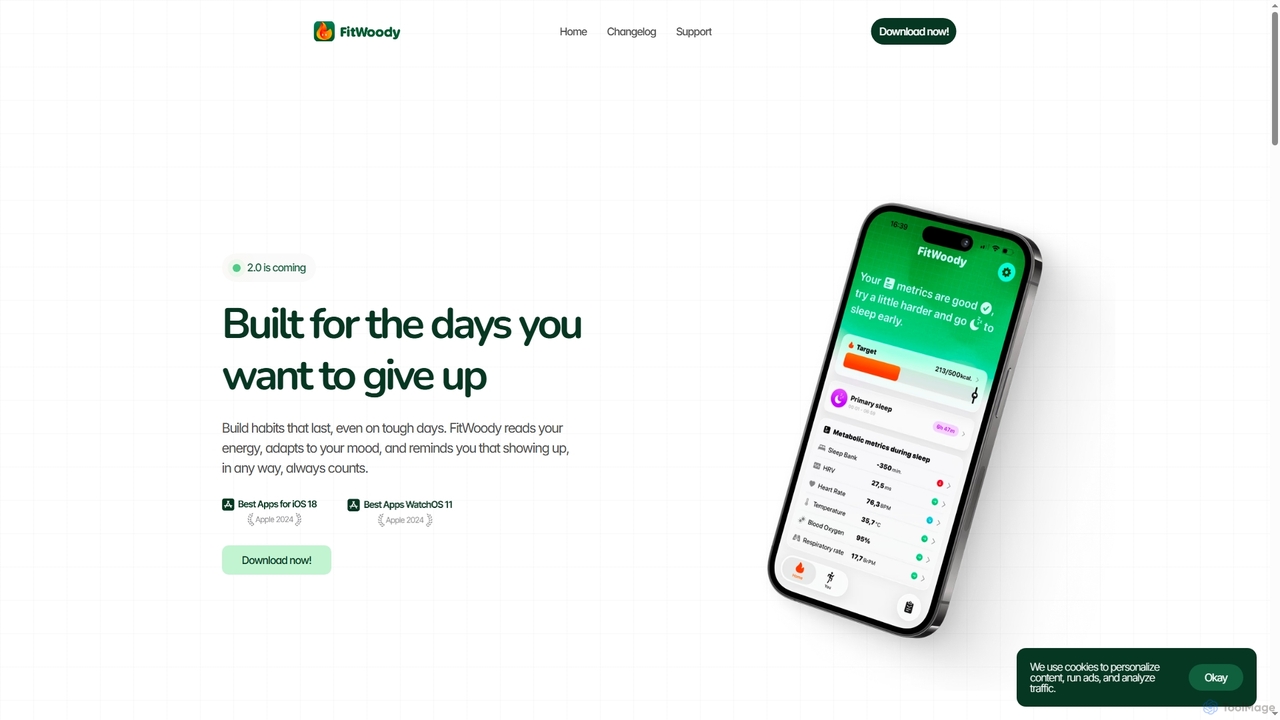
Fitwoody is an intelligent fitness app that builds lasting habits by adapting to your unique energy and mood. It translates complex health data from wearables into simple, actionable guidance, helping you train smarter, recover better, and achieve your goals without guilt.

Health Metrics
Visits 5.3KFavorites 114Likes 111

About Personalized Coaching

Personalized Coaching tools are AI-powered platforms designed to provide tailored guidance and support for individual growth and well-being. These tools leverage advanced machine learning, natural language processing, and behavioral science to offer customized advice, motivation, and progress tracking across various life domains. As a specialized segment within the broader Wellness category, they adapt to individual needs, preferences, and goals, fostering sustained personal and professional development.

Core Features

  • Goal Setting & Tracking: Facilitate defining objectives and monitoring progress with data-driven insights.
  • Customized Action Plans: Generate personalized steps and strategies based on user input and AI analysis.
  • Behavioral Nudging: Offer timely reminders, motivational messages, and habit-building prompts.
  • Emotional Intelligence Integration: Analyze user sentiment to provide empathetic and context-aware responses.
  • Progress Analytics: Visualize achievements and identify areas for improvement through detailed reports.

Use Cases

Individuals seeking to improve specific skills or habits, such as public speaking or time management, can benefit greatly. Professionals aiming for career advancement or leadership development also utilize these tools. Furthermore, anyone looking for structured support in achieving personal wellness goals, like stress reduction or mindfulness, finds value in AI-driven personalized coaching.

How to Choose

When selecting a personalized coaching AI tool, consider its underlying coaching methodology and the depth of its personalization capabilities. Evaluate its integration potential with other health or productivity applications and wearables. Finally, prioritize platforms with robust privacy and data security measures to protect sensitive personal information.

Personalized Coaching use cases

1

Enhance Professional Skills & Leadership

Professionals utilize AI personalized coaching tools to set career development goals, such as improving communication or project management skills. The AI analyzes their current performance and learning style, recommending customized learning resources, practice tasks, and simulated scenarios, while providing real-time feedback to systematically address weaknesses and accelerate career growth.

2

Optimize Time Management & Productivity

Freelancers or students use AI coaches to overcome procrastination and streamline daily workflows. The tool analyzes user work habits and schedules, intelligently prioritizing tasks, offering Pomodoro Technique or time-blocking suggestions, and sending timely reminders. This helps users establish efficient work habits, significantly boosting productivity.

3

Cultivate Healthy Habits & Lifestyle

Individuals aiming to establish regular exercise, healthy eating, or mindfulness habits can benefit. AI personalized coaching applications create progressive plans based on user health data, preferences, and progress. They provide nutritional advice, exercise guidance, and mindfulness practices, using encouraging messages and progress visualization to help users adhere to and internalize a healthy lifestyle.

4

Improve Interpersonal Relationships & Communication

Users with social anxiety or those looking to enhance emotional intelligence engage with AI coaches for role-playing exercises and scenario analysis. The tool offers simulated conversation scenarios, analyzes user language patterns and emotional expression, and provides specific improvement suggestions, such as how to listen, express empathy, or handle conflict, thereby boosting confidence in social and professional interactions.

5

Manage Stress & Emotional Well-being

Individuals facing high-pressure work or life challenges use AI coaching tools to learn stress coping strategies. The AI guides users through emotional journaling, cognitive behavioral therapy (CBT) exercises, or relaxation meditations. By identifying stressors and providing personalized coping techniques, it helps users better manage emotions and enhance psychological resilience.

6

Achieve Personal Goals & Self-Improvement

Any user with clear personal development goals, such as learning a new language, writing, or artistic creation, can leverage these tools. The AI coach helps break down large goals into actionable steps, recommends learning resources, and regularly checks progress. Through smart reminders and achievement incentives, it ensures users stay motivated and gradually realize their long-term self-improvement visions.

Personalized Coaching FAQ

What are AI Personalized Coaching tools?

AI Personalized Coaching tools are platforms that leverage artificial intelligence to provide customized guidance, advice, and support to users. By analyzing user goals, behavioral patterns, preferences, and progress data, they generate highly personalized learning plans, action strategies, and feedback, aiming to help users achieve objectives in areas like career, health, skills, or personal development.

How do AI Personalized Coaching tools differ from traditional human coaching?

The main differences lie in AI coaching's automation, data-driven approach, and 24/7 accessibility. It can process vast amounts of data, provide instant and consistent feedback, and is generally more cost-effective. Traditional human coaching offers deeper interpersonal interaction, emotional support, and flexible judgment in complex situations, but is limited by time and cost. AI coaching focuses more on structured, data-driven guidance, while human coaching emphasizes emotional connection and deep insights.

How do I choose the right AI Personalized Coaching tool for me?

When choosing, consider these points: First, clarify your specific coaching goals (e.g., career development, health management, skill learning). Second, evaluate the tool's personalization depth and adaptability to truly adjust based on your data. Third, examine the professionalism and reliability of its underlying coaching methodology and technical principles. Finally, consider the user interface, ease of use, data privacy protection, and pricing model to ensure they align with your needs and budget.

What specific features do AI Personalized Coaching tools offer?

These tools typically offer several core features. For example, smart goal setting helps users define and break down objectives; customized action plans generate specific steps based on user circumstances; progress tracking and feedback monitors real-time progress and provides data analysis; behavioral motivation and reminders maintain user engagement through notifications and encouragement; emotional recognition and support (in some advanced tools) understands user emotions and offers relevant advice; and resource recommendations like articles, videos, or exercises.

Who is most suitable for using AI Personalized Coaching tools?

AI Personalized Coaching tools are suitable for individuals seeking structured, continuous support to achieve specific goals. This includes professionals aiming for career or skill enhancement; individuals wanting to adopt healthy lifestyle habits; students or freelancers needing time management or productivity optimization; and anyone looking for a data-driven, systematic approach to self-improvement and personal growth. They are particularly beneficial for those who are self-motivated but benefit from external structure and feedback to maintain momentum.

How do AI Personalized Coaching tools help with emotional well-being?

AI Personalized Coaching tools contribute to emotional well-being by offering features like mood tracking, guided meditation, and cognitive behavioral therapy (CBT) exercises. They can analyze user input to identify emotional patterns, provide empathetic responses, and suggest coping mechanisms for stress, anxiety, or low mood. By offering accessible and consistent support, these tools empower users to develop emotional resilience and self-awareness, fostering a healthier mental state.