Best of the Year 1 results Wellness AI Tools

Popular AI tools in the Wellness field include Symplify, etc., helping you quickly improve efficiency.

Symplify

Symplify

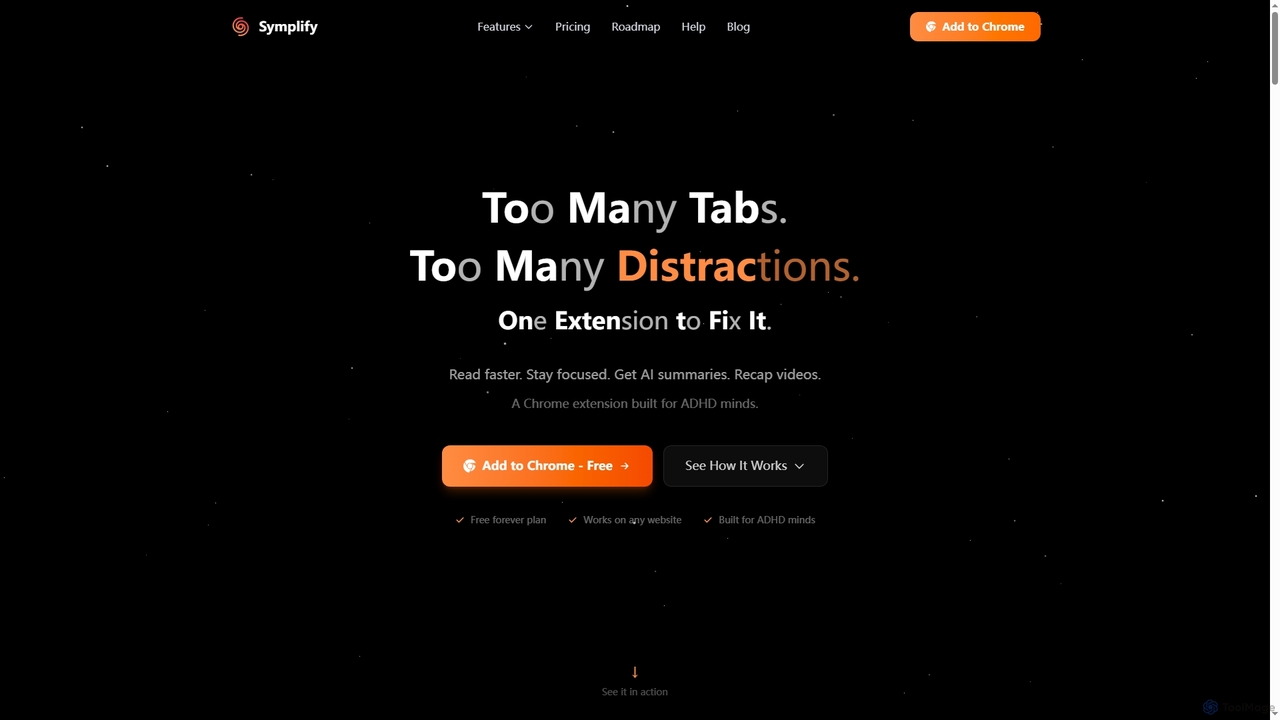
Symplify is an AI-powered Chrome extension designed to enhance focus and productivity by eliminating digital distractions. It offers …

4.4K

About Wellness

AI Wellness tools are applications that leverage artificial intelligence to support and enhance mental, physical, and emotional well-being. These tools utilize machine learning and data analysis to process user inputs like mood, activity levels, and sleep patterns, delivering personalized guidance and actionable insights. Their primary value lies in making health monitoring and wellness coaching more accessible, data-driven, and tailored to individual needs. They empower users to proactively manage their health with intelligent support.

Core Features

  • Personalized Coaching: AI algorithms create customized fitness routines, meditation plans, or nutritional advice based on user goals and real-time data.
  • Mental Health Support: AI-powered chatbots provide conversational support, mood tracking, and guided exercises based on principles like Cognitive Behavioral Therapy (CBT).
  • Intelligent Health Tracking: Analyzes data from wearables and manual logs to identify trends in sleep quality, stress levels, and physical activity, offering predictive insights.
  • Nutritional Analysis: Scans food items or logs meals to track macronutrients, vitamins, and calories, generating meal plans that align with dietary goals.

Use Cases

These tools are widely used by individuals seeking to manage stress, improve sleep, maintain a consistent fitness regimen, or achieve dietary goals. In a corporate setting, they are integrated into employee wellness programs to provide scalable and confidential health support, helping to reduce burnout and improve overall workforce well-being.

How to Choose

When selecting an AI Wellness tool, consider its specific focus—whether it's mental health, fitness, nutrition, or sleep. Evaluate its data privacy policy to ensure your sensitive information is secure. Check if its methodologies are backed by scientific evidence or expert input. Finally, assess its compatibility with your existing devices, such as smartwatches or other health apps, for seamless data integration.

WellnessUse Cases

1

Personalized Mental Health Support via AI Chatbot

An individual experiencing symptoms of anxiety uses an AI wellness chatbot for daily check-ins. The user describes their feelings, and the AI, using Natural Language Processing, identifies key concerns. It then guides them through a 5-minute guided breathing exercise tailored to reduce acute stress. Over time, the app tracks mood patterns and provides weekly summaries, helping the user recognize triggers and progress, offering a confidential and accessible first line of mental wellness support.

2

AI-Generated Personal Fitness Plans

A user aiming to improve their cardiovascular health inputs their current fitness level, available time per week, and preferred activities (e.g., running, cycling) into an AI fitness app. The AI generates a dynamic 4-week training plan that progressively increases in intensity. After each workout, the user logs their perceived exertion. The AI uses this feedback to adjust the duration and difficulty of future sessions, ensuring the plan remains challenging but achievable, preventing plateaus and reducing injury risk.

3

Smart Sleep Cycle Analysis and Improvement

A user struggling with daytime fatigue syncs their smartwatch with an AI sleep analysis tool. The AI analyzes sleep data, identifying patterns such as frequent awakenings or a lack of deep sleep. Based on this analysis and user-logged daily habits (like caffeine intake and screen time before bed), the tool provides actionable advice. For example, it might suggest a 'digital detox' an hour before sleep or recommend a specific relaxation soundscape, helping the user make targeted changes to improve their sleep quality.

4

AI-Powered Nutrition and Meal Planning

A person with specific dietary goals, such as increasing protein intake while managing calorie consumption, uses an AI nutrition app. They log their meals by taking photos, and the AI's image recognition technology identifies the food items and estimates a nutritional breakdown. The app tracks daily totals against their goals and suggests recipes for upcoming meals to fill nutritional gaps. For instance, if they are low on protein, it might recommend a chicken and quinoa salad for dinner, simplifying healthy eating decisions.

5

Guided Meditation with AI Personalization

A user new to meditation opens an AI wellness app to reduce work-related stress. Based on their initial input of 'high stress' and 'beginner', the AI recommends a 10-minute guided body scan meditation. After the session, the user provides feedback that their mind was still racing. The AI adapts and suggests a 'noting' meditation for the next session, a technique better suited for managing active thoughts. This personalization helps the user find the most effective technique for their needs, increasing engagement and the likelihood of building a consistent practice.

6

Corporate Wellness Program Engagement

An HR manager implements an AI wellness platform to support employee well-being. The platform offers confidential access to resources like stress management courses and AI coaching. The AI sends personalized, gentle reminders to employees to take short breaks or practice mindfulness, based on their calendar or computer usage patterns. For management, the AI provides anonymized, aggregated reports on workforce stress levels and engagement with wellness resources, allowing the company to identify trends and proactively adjust its support strategies without compromising individual privacy.

WellnessFrequently Asked Questions