Exdera
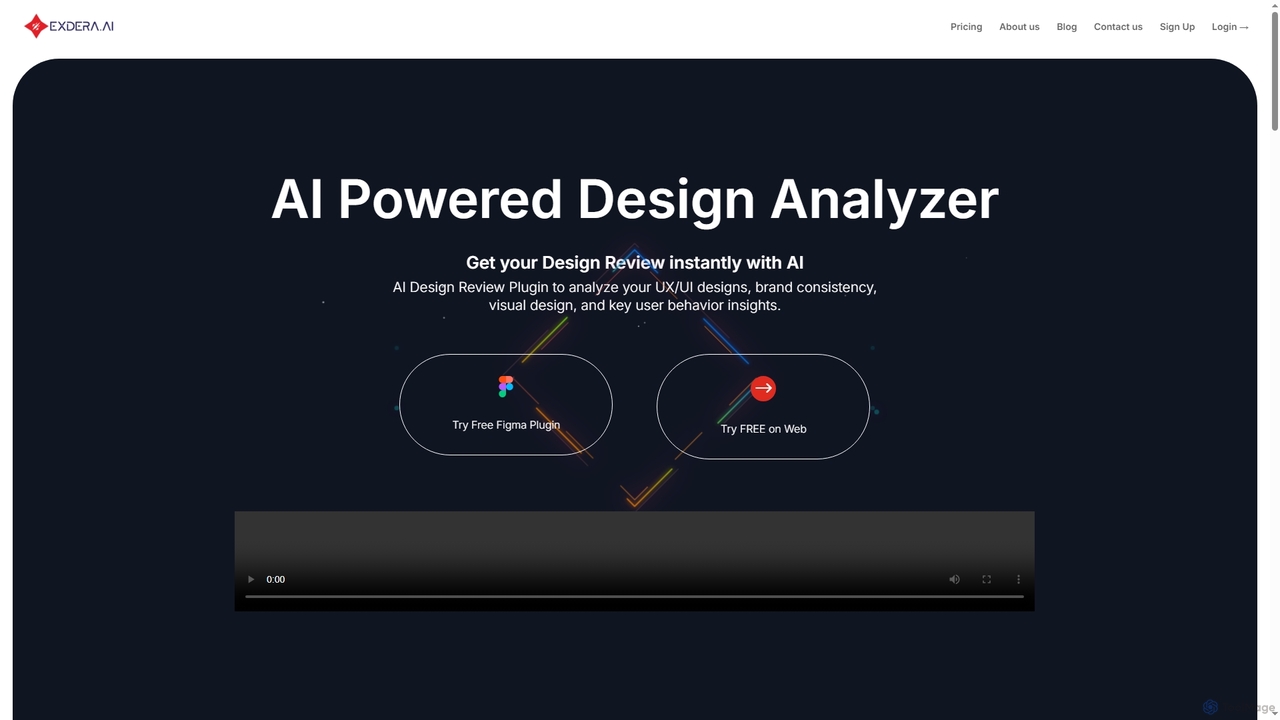
Exdera is an AI-powered design review tool available as a Figma plugin and web application. It instantly analyzes …
Exdera is an AI-powered design review tool available as a Figma plugin and web application. It instantly analyzes UX/UI designs, brand consistency, visual elements, and user behavior, providing actionable insights to optimize designs for better engagement and conversions without guesswork.
Sleek
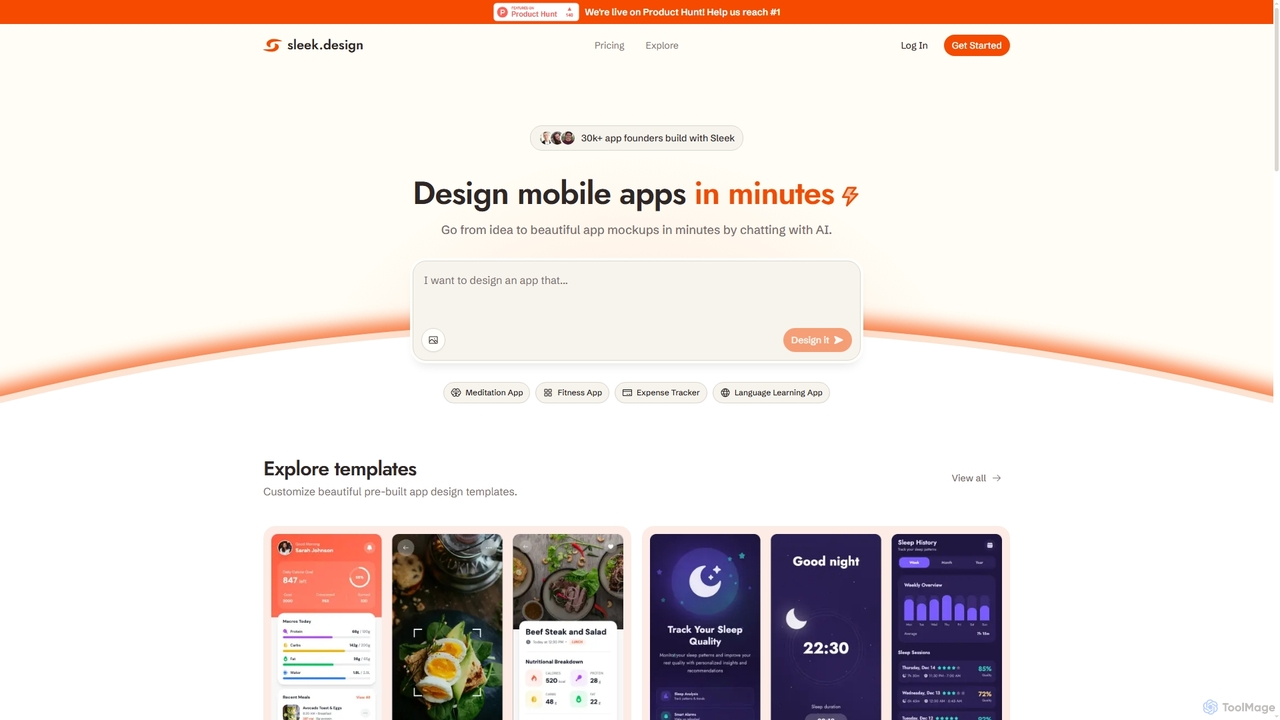
Sleek is an AI-powered mobile app designer that enables founders and entrepreneurs to create professional app mockups in …
Sleek is an AI-powered mobile app designer that enables founders and entrepreneurs to create professional app mockups in minutes. It transforms ideas into beautiful designs through conversational AI, offering customizable templates and export options to Figma or code, making app design accessible to everyone.
About Design
AI Design tools are a category of AI assistants that leverage artificial intelligence to automate and enhance various aspects of the design process. These tools utilize advanced algorithms like generative AI, machine learning, and computer vision to create, modify, and optimize visual content. They empower designers, marketers, and content creators to accelerate workflows, explore new creative possibilities, and produce high-quality visuals with unprecedented efficiency. From generating unique graphics to automating layout and enhancing images, AI design tools are transforming how creative projects are conceived and executed.
Core Features
- Generative Design: Automatically creates design variations, layouts, or elements from text prompts or existing assets.
- Image & Video Enhancement: Upscales resolution, removes noise, corrects colors, or applies artistic styles to media.
- Content Creation Automation: Generates social media posts, banners, or presentations based on specific themes and requirements.
- Smart Editing & Retouching: AI-powered object removal, background changes, or facial retouching with minimal manual effort.
- Layout & Composition Assistance: Suggests optimal arrangements, auto-generates responsive designs, and ensures visual harmony.
Use Cases
AI Design tools are widely adopted across industries for tasks requiring visual creativity and efficiency. Graphic designers use them for rapid concept generation, while marketing teams leverage them to produce diverse ad creatives at scale. UI/UX designers apply these tools for quick prototyping and iteration, and content creators utilize them to enhance visual storytelling and personalize content for various platforms.
How to Choose
When selecting an AI Design tool, consider its specific design capabilities (e.g., image generation, video editing, layout), integration with your existing design software, and the learning curve involved. Evaluate the quality of its output, customization options, and the pricing model to ensure it aligns with your budget and project scalability needs. User reviews and community support can also provide valuable insights into its practical performance.

DesignUse Cases
Generate Marketing Visuals for Campaigns
A digital marketer needs to create diverse ad creatives for A/B testing across multiple platforms. By using AI design tools, they can input product descriptions and target audience demographics to rapidly generate hundreds of variations of banners, social media posts, and ad images. This process saves hours of manual design time, allowing for extensive testing to identify the most effective visuals and significantly improving campaign performance and ROI.
Automate UI/UX Design Prototyping
A UI/UX designer aims to quickly iterate on design concepts for web and mobile applications. By inputting wireframes or text descriptions into AI design tools, they can generate high-fidelity mockups, receive suggestions for layout improvements, and create consistent design systems. This significantly accelerates the prototyping phase, allowing more time for user testing and refinement, ultimately leading to a more intuitive and user-friendly product experience.
Create Unique Brand Assets (Logos, Illustrations)
A startup founder needs to develop a distinctive brand identity without a large design budget. By utilizing AI design platforms, they can input brand values and keywords to generate unique logo concepts, custom illustrations, and brand color palettes. This enables them to obtain professional-quality brand assets quickly and affordably, establishing a strong visual presence from the outset and saving significant costs compared to traditional design agencies.
Enhance and Upscale Product Photography
An e-commerce manager needs to improve the quality of product images for online listings to attract more customers. By employing AI design tools, they can automatically remove backgrounds, enhance lighting, correct colors, and upscale low-resolution photos to high-definition. This ensures visual consistency across all products and presents them more professionally, ultimately increasing customer engagement and conversion rates with visually appealing imagery.
Personalize Content for Targeted Audiences
A content creator needs to adapt visual content for different audience segments across various platforms. Using AI design tools, they can automatically reformat, resize, and adjust visual elements (e.g., text overlays, color schemes) of a core design to suit specific demographics or platform requirements. This enables the delivery of highly personalized and relevant visual content at scale, significantly boosting audience engagement and message resonance without extensive manual customization for each segment.
Generate Storyboards and Concept Art for Media Production
A concept artist or filmmaker needs to visualize scenes and character designs rapidly during pre-production. By inputting script excerpts or character descriptions into AI design tools, they can generate diverse concept art, storyboards, and mood boards, exploring various artistic styles and compositions. This significantly speeds up the visual development process, providing a rich foundation for creative teams to build upon and refine, ultimately enhancing the efficiency and creativity of media production.