
ToolMage
Sign in

Best 1 Multifunctional Assistant for Ai Assistant

Popular Multifunctional Assistant in Ai Assistant include iMini, helping you work more efficiently.

iMini
Freemium

iMini

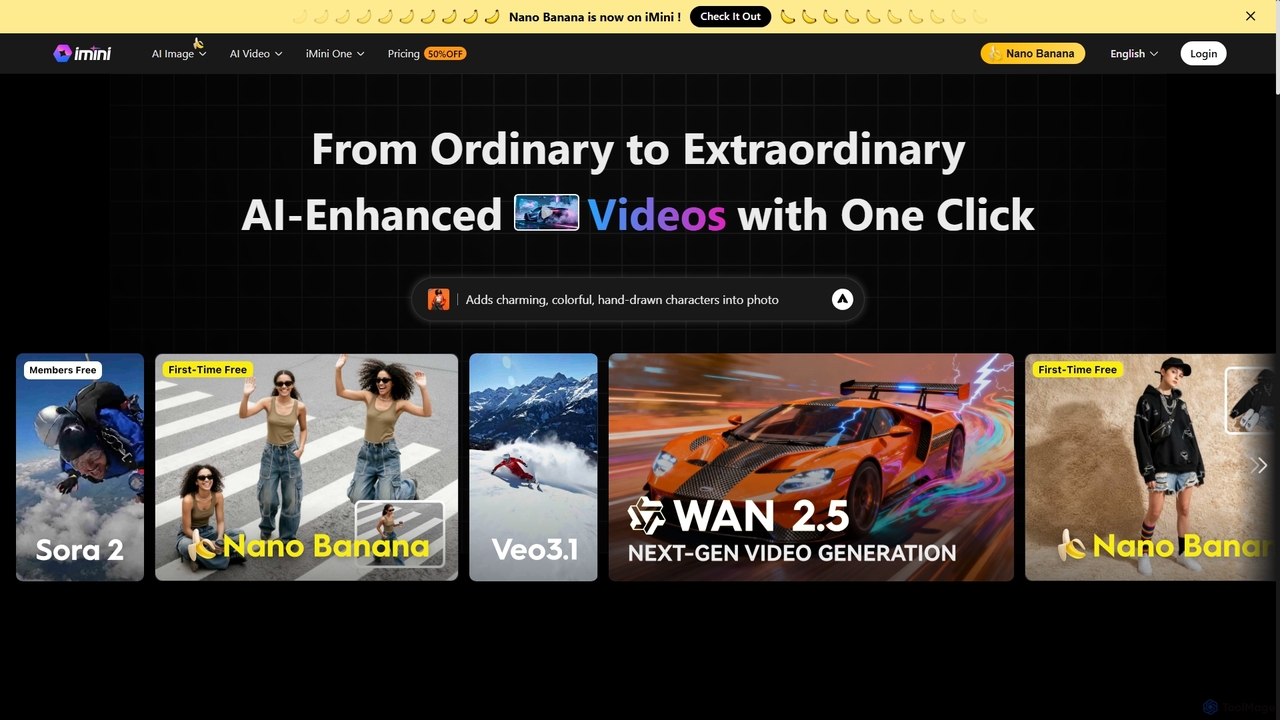
iMini is an all-in-one AI assistant and creation platform that integrates various AI agents for image generation, video creation, presentation slides, deep research, and document writing. It streamlines workflows, boosts productivity, and offers a unified chat interface for diverse creative and professional tasks.

Multifunctional Assistant
Visits 150.7KFavorites 128Likes 142

About Multifunctional Assistant

Multifunctional Assistants are AI-powered tools that integrate a diverse range of artificial intelligence capabilities into a single platform. These versatile assistants leverage advanced NLP, machine learning, and often generative AI to perform multiple tasks, from content creation and data analysis to task automation and communication management. They aim to streamline workflows and enhance productivity by providing a comprehensive solution that reduces the need for numerous specialized applications.

Core Features

  • Integrated Content Generation: Create text, images, code, or even audio from a single interface.
  • Advanced Data Analysis: Process and interpret complex datasets, generating insights and reports.
  • Intelligent Task Automation: Automate repetitive administrative, marketing, or customer service tasks.
  • Cross-Platform Integration: Connect with various third-party applications and services for seamless operation.
  • Personalized Learning & Adaptation: Learn user preferences and adapt its functionalities to provide more relevant assistance over time.

Use Cases

Businesses and individuals seeking to consolidate their digital toolkit and improve operational efficiency often turn to multifunctional assistants. They are particularly valuable in roles requiring diverse skill sets, such as marketing, project management, and content creation, where a single tool can handle multiple aspects of a project.

How to Choose

When selecting a Multifunctional Assistant, consider the breadth and depth of its integrated features, its compatibility with your existing software ecosystem, and the level of customization it offers. Evaluate its learning curve, pricing model, and the quality of its AI outputs across different modalities to ensure it meets your specific workflow demands.

Multifunctional Assistant use cases

1

Streamlining Marketing Campaign Management

A marketing manager uses a multifunctional assistant to generate ad copy, design social media graphics, analyze campaign performance data, and schedule posts across platforms, all from one dashboard. This consolidates tools and accelerates campaign deployment.

2

Automating Project Documentation & Reporting

Project leads leverage the assistant to automatically transcribe meeting notes, summarize key decisions, generate progress reports from project management data, and draft communication emails to stakeholders, significantly reducing administrative overhead.

3

Enhancing Customer Service & Engagement

Customer support teams deploy the assistant to handle initial customer inquiries via chatbot, draft personalized email responses, analyze customer feedback for sentiment, and even suggest solutions based on past interactions, improving response times and satisfaction.

4

Accelerating Content Creation & Ideation

Content creators utilize the tool to brainstorm blog post ideas, generate article outlines, write drafts, create accompanying images, and optimize content for SEO, drastically speeding up the entire content production lifecycle.

5

Personalized Learning & Skill Development

Individuals use the assistant as a personal tutor, asking questions across various subjects, generating summaries of complex topics, practicing language skills, and receiving tailored feedback, making learning more interactive and efficient.

6

Optimizing Business Operations & Strategy

Business analysts employ the assistant to analyze market trends, generate competitive intelligence reports, simulate different business scenarios, and assist in strategic planning by synthesizing vast amounts of information from various sources.

Multifunctional Assistant FAQ

What are Multifunctional Assistants?

Multifunctional Assistants are AI-powered tools that combine multiple distinct AI capabilities, such as natural language processing, image generation, and data analysis, into a single integrated platform. They are designed to handle a wide array of tasks, acting as a versatile hub for various digital workflows, unlike specialized AI tools that focus on one specific function.

How do Multifunctional Assistants differ from single-purpose AI tools?

Multifunctional Assistants offer a broad spectrum of AI capabilities within one interface, allowing users to perform diverse tasks without switching tools. Single-purpose AI tools, conversely, specialize in one specific function, like only generating images or only writing text, often offering deeper functionality in that niche. Multifunctional tools prioritize breadth and workflow integration, while single-purpose tools prioritize depth in a specific domain.

What are the key benefits of using a Multifunctional Assistant?

The primary benefits include enhanced productivity through workflow consolidation, reduced software costs by minimizing the need for multiple subscriptions, and improved efficiency by automating diverse tasks from a central hub. They also foster better collaboration and provide a more holistic view of projects by integrating various data points and functionalities.

Who can benefit most from using a Multifunctional Assistant?

Individuals and teams with diverse responsibilities, such as marketing professionals, project managers, content creators, and small business owners, benefit significantly. Anyone looking to streamline complex workflows, reduce tool-switching overhead, and leverage AI across multiple aspects of their work will find these assistants highly valuable.

What should I consider when choosing a Multifunctional Assistant?

Key considerations include the specific range of AI capabilities offered and their relevance to your needs, the ease of integration with your existing software, the user interface's intuitiveness, and the assistant's ability to learn and adapt to your preferences. Also, evaluate the pricing structure, data privacy policies, and the quality of support.