ToolMage
Sign in

Best 3 Personalized Learning AI tools for Ai Assistant

Popular Personalized Learning AI tools in Ai Assistant include casperpractice, Strater, and Curiopal, helping you work more efficiently.

Strater
Freemium

Strater

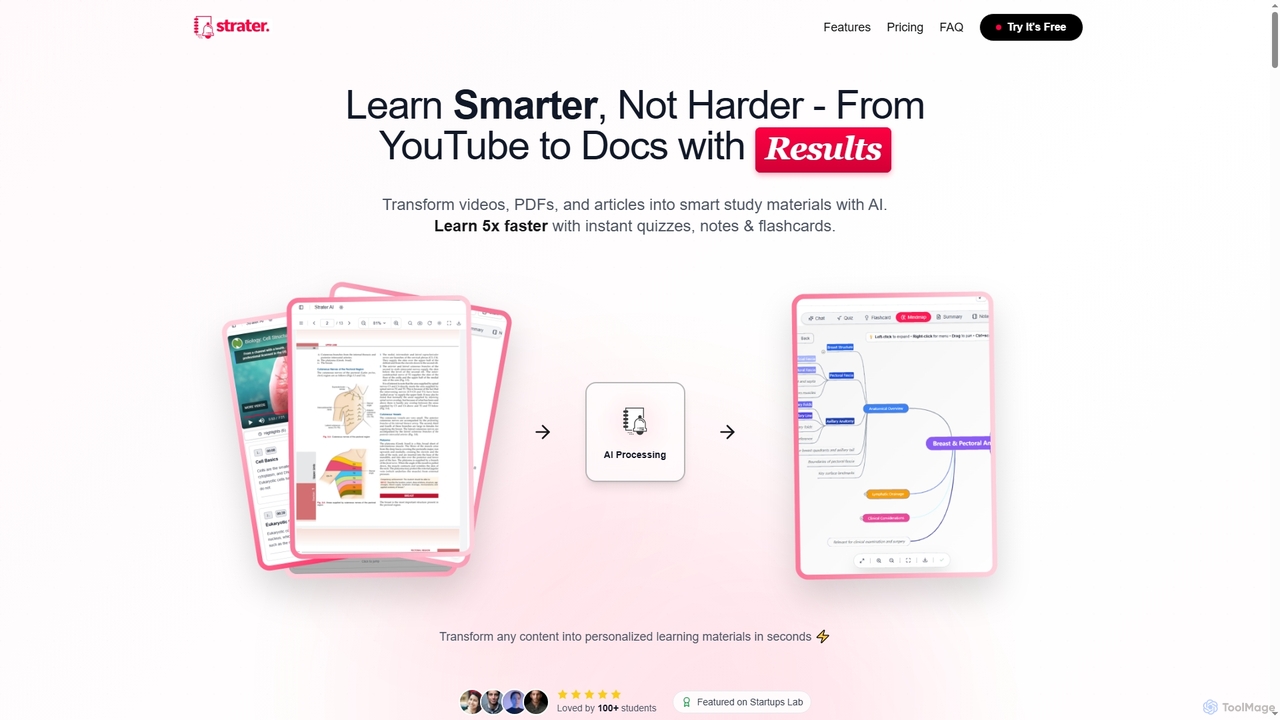
Strater is an AI-powered learning platform that transforms YouTube videos, PDFs, and web articles into interactive study materials like quizzes, flashcards, summaries, and mind maps. It helps students and lifelong learners accelerate comprehension, improve retention, and study more efficiently by converting passive content into active learning experiences.

Personalized Learning
Visits 7.2KFavorites 103Likes 101
Curiopal
Freemium

Curiopal

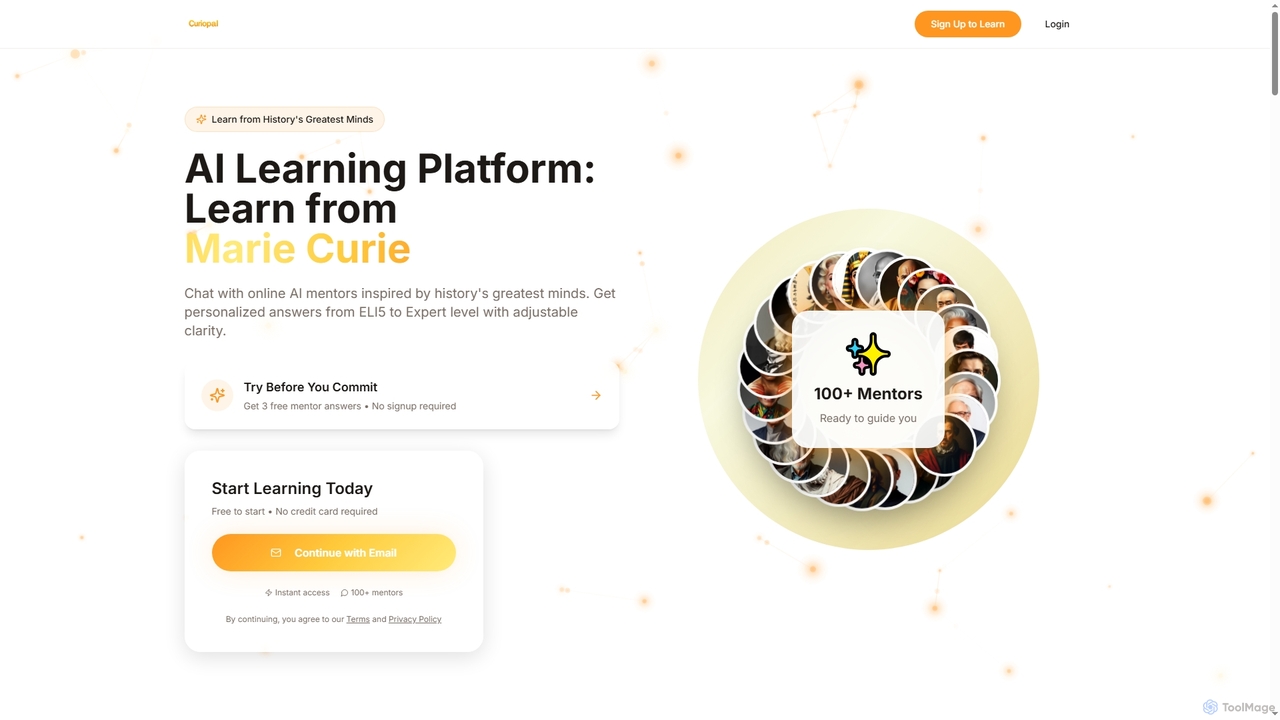
Curiopal is an innovative AI learning platform that connects users with virtual mentors inspired by history's greatest minds. It offers personalized, adaptive learning experiences, allowing users to chat with AI versions of figures like Einstein or Marie Curie and receive answers tailored to their understanding level, from ELI5 to Expert.

Personalized Learning
Visits 5.2KFavorites 128Likes 135
casperpractice
Freemium

casperpractice

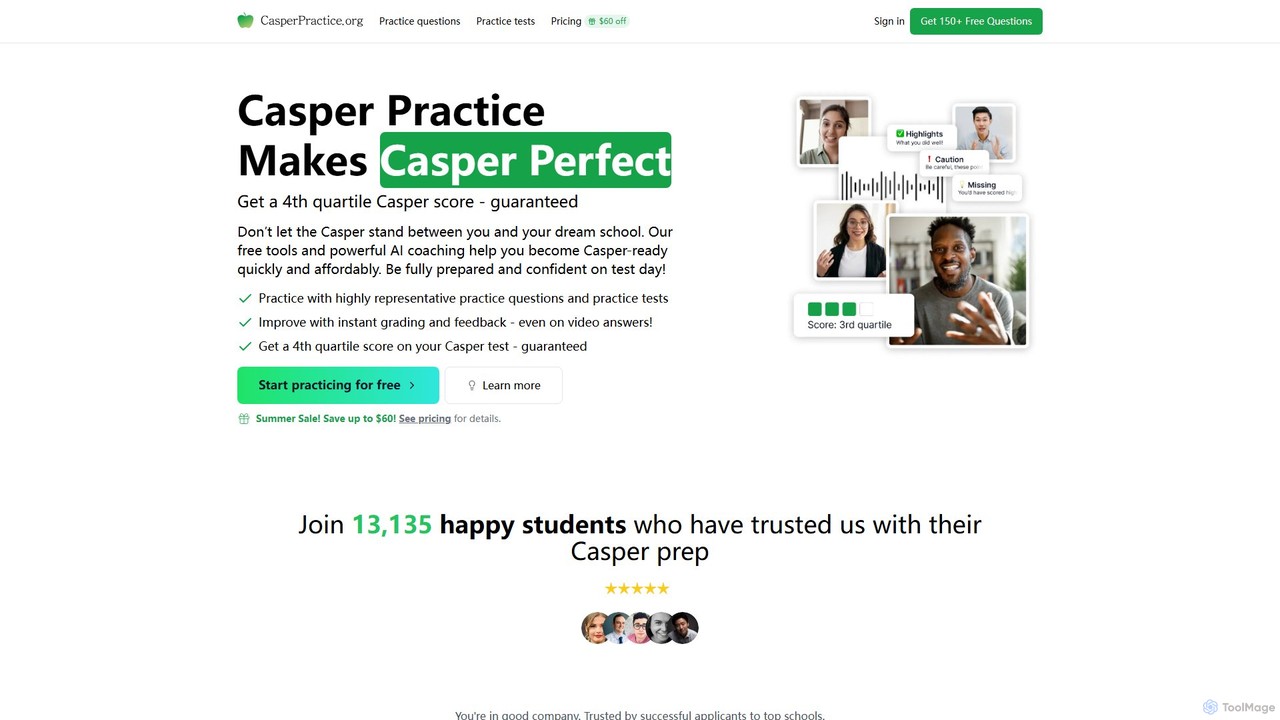
casperpractice is an AI-powered platform designed to help students prepare for the CASPer test. It offers a vast library of practice questions, realistic test simulations, and instant, personalized feedback from a specialized AI coach. The platform aims to help applicants improve quickly and affordably, guaranteeing a 4th quartile score for users of its paid plans.

Personalized Learning
Visits 53.6KFavorites 121Likes 115

About Personalized Learning

Personalized Learning tools are a specialized type of AI assistant designed to create custom educational experiences for each individual learner. They leverage machine learning algorithms to analyze a user's performance, learning pace, and knowledge gaps in real-time. This allows the tools to dynamically adjust curriculum, recommend relevant resources, and provide targeted feedback, making learning more efficient and effective. Unlike one-size-fits-all educational platforms, these tools focus on adapting content difficulty and delivery to match the learner's unique needs.

Core Features

  • Adaptive Content Delivery: Automatically adjusts the difficulty and sequence of learning materials based on user performance.
  • Real-time Performance Tracking: Continuously monitors progress, identifies areas of weakness, and provides instant feedback.
  • Customized Learning Paths: Generates unique study plans and resource recommendations tailored to individual goals and learning styles.
  • Knowledge Gap Analysis: Pinpoints specific topics or skills a learner struggles with and suggests remedial content.

Applicable Scenarios

These tools are widely used in K-12 and higher education to supplement classroom teaching, in corporate training for employee upskilling, and by individuals for self-paced learning in subjects like language acquisition or coding. They help educators manage diverse student needs and enable companies to deliver scalable, effective training programs.

Selection Criteria

When selecting a Personalized Learning tool, consider the subject matter it covers, its ability to integrate with existing Learning Management Systems (LMS), the depth of its analytics and reporting features, and the pedagogical approach behind its algorithms. Also, evaluate the user interface for both the learner and the administrator.

Personalized Learning use cases

1

Adaptive K-12 Math Tutoring

A middle school math teacher uses a personalized learning platform to support a classroom with diverse skill levels. The tool assesses each student's understanding of algebra concepts, creating individual practice modules. Students who grasp concepts quickly receive advanced problems, while those struggling get foundational exercises and video tutorials. This allows the teacher to provide targeted support where it's most needed, effectively managing a mixed-ability classroom.

2

Corporate Compliance Training Path Customization

A compliance officer at a financial firm deploys an AI-powered training tool for annual anti-money laundering (AML) training. Instead of a uniform course, the system first quizzes employees. Based on the results, it assigns modules focusing only on their knowledge gaps. Veteran employees might skip basic definitions, while new hires receive a comprehensive overview. This approach reduces training time and improves knowledge retention on critical regulations.

3

Personalized Language Learning App

An individual learning Japanese uses a mobile app that adapts to their progress. The app's AI analyzes their vocabulary retention, grammar accuracy, and pronunciation. It then customizes daily lessons, focusing on words they frequently forget and grammar rules they misuse. The system introduces new concepts only when the user has demonstrated mastery of prerequisites, ensuring a solid and efficient learning foundation.

4

Tailored Software Onboarding for New Engineers

A tech company uses a personalized learning tool to onboard new software engineers to their complex internal codebase. The tool guides each engineer through a series of coding challenges and documentation reviews. It tracks their performance, identifies which parts of the system they find most challenging, and recommends specific mentors or supplementary materials, accelerating their time to full productivity.

5

Medical Student Exam Preparation

A medical student preparing for board exams uses an adaptive question bank. The platform presents questions and analyzes the student's answers to identify weak areas (e.g., cardiology, pharmacology). It then generates personalized quizzes and study guides that concentrate on these specific topics, optimizing study time and increasing the likelihood of passing the exam by focusing effort where it is most needed.

6

Dynamic Skill Development for Sales Teams

A sales manager implements a personalized learning platform to improve their team's negotiation skills. The AI simulates various client scenarios and evaluates each salesperson's responses. Based on their performance, it provides instant feedback and suggests micro-learning modules, such as videos on handling objections or articles on closing techniques, tailored to each individual's specific areas for improvement.

Personalized Learning FAQ

What are Personalized Learning tools?

Personalized Learning tools are AI-driven educational platforms that tailor learning experiences to each user's individual needs. They analyze a learner's pace, skill level, and knowledge gaps to dynamically adjust content, difficulty, and feedback. This creates a more efficient and effective learning journey compared to traditional, static educational methods where everyone receives the same material.

How do I choose the right Personalized Learning tool?

To choose the right tool, consider these key factors:

  • Subject Coverage: Ensure it specializes in the domain you need (e.g., math, coding, corporate training).
  • Adaptivity Engine: Evaluate how well its AI can assess and adapt to the learner. Look for evidence of its effectiveness.
  • Integration: Check if it can connect with your existing systems like a Learning Management System (LMS) or HRIS.
  • Analytics: Look for robust reporting features to track learner progress and overall platform effectiveness.
What's the difference between Personalized Learning tools and a standard LMS?

The key difference is adaptivity. A standard Learning Management System (LMS) is primarily a system for hosting, delivering, and tracking static course content—everyone gets the same material. A Personalized Learning tool, often functioning as a specialized AI assistant, actively customizes the learning path for each user. It changes the content, sequence, and difficulty in real-time based on the user's interactions and performance, creating a truly individual experience.

Who can benefit from using Personalized Learning tools?

A wide range of users can benefit. This includes K-12 and university students needing supplemental instruction, corporate employees undergoing training and development, professionals seeking to upskill in specific areas like programming or data science, and any individual engaged in self-directed learning who wants a more efficient and tailored study plan.

How does AI enable personalized learning?

AI is the core technology. It uses machine learning algorithms to process vast amounts of data from a learner's interactions, such as quiz scores, time spent on topics, and incorrect answers. Based on this data, the AI builds a dynamic profile of the learner's knowledge and learning style. It then uses this profile to predict what the learner needs next, whether it's a review of a past topic, a new challenge, or a different type of resource, creating a constantly adapting learning path.