Ai Assistant Best in category 2 results Personalized Recommendations AI Tool

Popular AI tools in the Personalized Recommendations field of Ai Assistant include OmniJobs、Taffi, etc., helping you quickly improve efficiency.

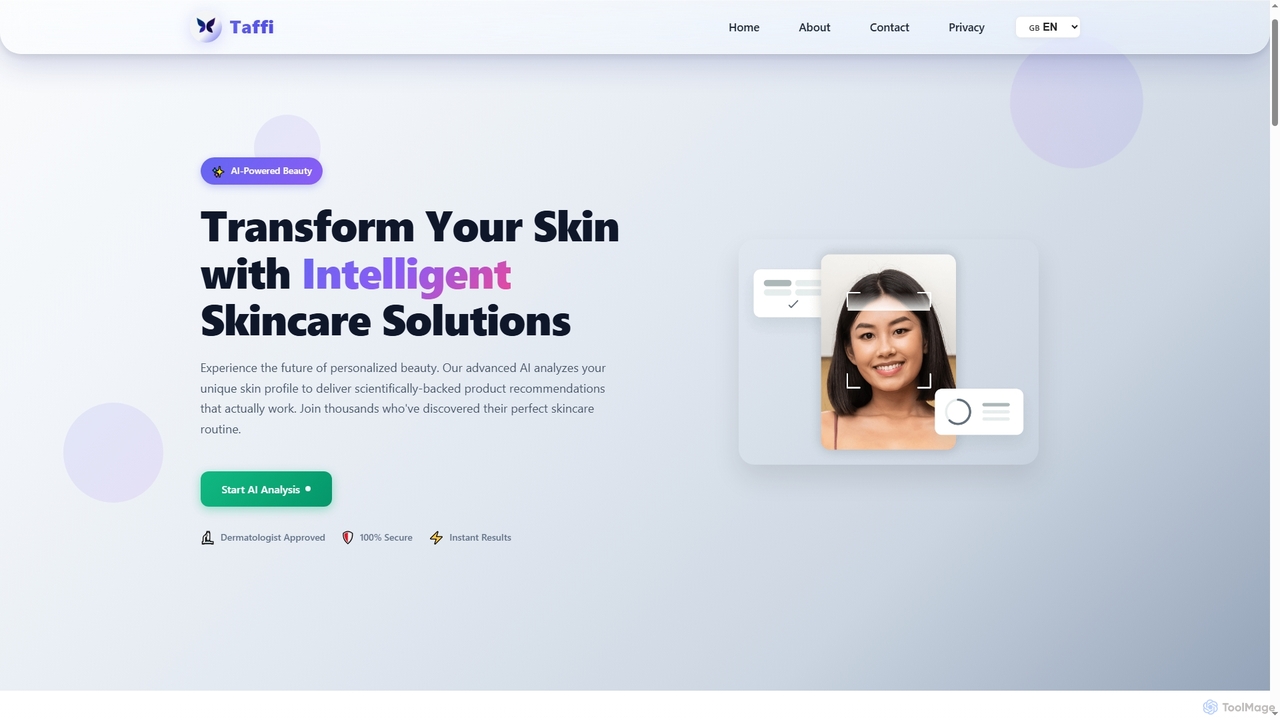
Taffi

Taffi

Taffi is an AI-powered platform offering intelligent skincare solutions through advanced skin analysis, personalized product recommendations, and access …

5.4K
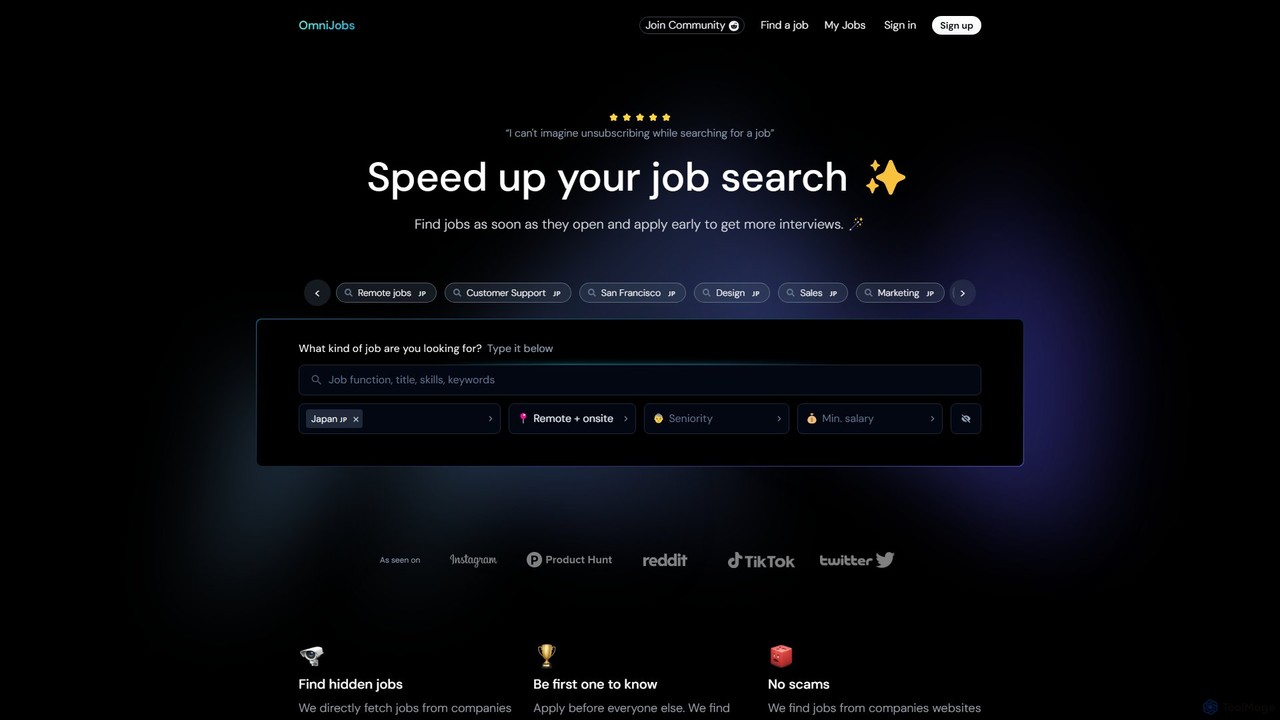
OmniJobs

OmniJobs

OmniJobs is an AI-powered job search platform that discovers hidden job opportunities by directly scraping company career portals. …

33.5K

About Personalized Recommendations

Personalized Recommendations are AI-powered tools designed to analyze individual user data and behavior to suggest highly relevant content, products, or services. Leveraging advanced machine learning algorithms, these systems learn user preferences over time, creating a unique and tailored experience for each individual. They significantly enhance user engagement and satisfaction by delivering timely and contextually appropriate suggestions, making interactions more efficient and enjoyable within various digital platforms.

Core Features

  • User Behavior Analysis: Tracks and interprets user interactions, clicks, views, and purchases to build a comprehensive profile.
  • Content Filtering: Applies collaborative filtering, content-based filtering, or hybrid methods to match users with items.
  • Real-time Adaptation: Adjusts recommendations instantly based on new user actions or changing preferences.
  • Preference Learning: Continuously refines understanding of individual tastes and needs through ongoing interactions.
  • Diversity & Serendipity: Balances relevance with introducing new, unexpected items to broaden user horizons.

Use Cases

These tools are widely used in e-commerce to suggest products, in media streaming for movie or music recommendations, and in content platforms to personalize news feeds or articles. They help businesses increase sales, improve customer loyalty, and enhance overall user experience by making digital interactions more intuitive and relevant.

How to Choose

When selecting a personalized recommendations tool, consider its data integration capabilities with your existing systems, the types of algorithms it supports (e.g., collaborative, content-based, hybrid), and its ability to handle real-time data. Evaluate the customization options for recommendation logic, scalability to accommodate growing user bases, and the clarity of its analytics and reporting features to measure effectiveness.

Personalized RecommendationsUse Cases

1

Personalizing Product Suggestions for Online Shoppers

An e-commerce platform uses a personalized recommendations engine to analyze a shopper's browsing history, past purchases, and items viewed by similar users. When a customer visits the site, the system dynamically displays "Recommended for You" or "Customers Who Bought This Also Bought" sections, leading to an average 15-20% increase in conversion rates and higher average order values by surfacing relevant products they might not have found otherwise.

2

Curating Personalized Entertainment Feeds

A streaming service leverages personalized recommendations to suggest movies, TV shows, or music tracks based on a user's viewing/listening history, ratings, and genre preferences. The AI learns individual tastes, offering a unique homepage experience for each subscriber. This significantly boosts user engagement, reduces churn by keeping users immersed in content they love, and helps discover new artists or genres they might enjoy.

3

Customizing News and Article Feeds

A news aggregator or content platform employs personalized recommendations to filter and present articles that align with a reader's interests, reading habits, and previously engaged topics. Instead of a generic feed, users receive a highly customized stream of information, saving time and ensuring they stay informed on subjects most important to them. This increases time spent on the platform and improves content consumption rates.

4

Optimizing Learning Paths in EdTech

An educational technology platform utilizes personalized recommendations to suggest courses, modules, or learning materials tailored to a student's progress, learning style, and academic goals. By analyzing performance data and engagement with previous content, the system identifies knowledge gaps and recommends the most effective next steps, helping students achieve better learning outcomes and stay motivated.

5

Improving Customer Service with Proactive Suggestions

A customer service portal integrates personalized recommendations to suggest relevant FAQs, troubleshooting guides, or support articles to users even before they submit a query. Based on their browsing context, past interactions, or product ownership, the AI anticipates potential issues and offers solutions, significantly reducing support ticket volume and improving customer satisfaction by providing instant, self-service answers.

6

Crafting Targeted Marketing Offers and Promotions

Marketing teams use personalized recommendation engines to segment audiences and deliver highly specific product offers, discounts, or promotional content via email or in-app notifications. By understanding individual purchase intent and past behavior, the AI ensures that each user receives promotions most likely to convert, leading to higher click-through rates, increased sales, and more efficient marketing spend compared to generic campaigns.

Personalized RecommendationsFrequently Asked Questions