
Ai Assistant Best in category 1 results Security Advisor AI Tool

Popular AI tools in the Security Advisor field of Ai Assistant include Password123, etc., helping you quickly improve efficiency.

Password123

Password123

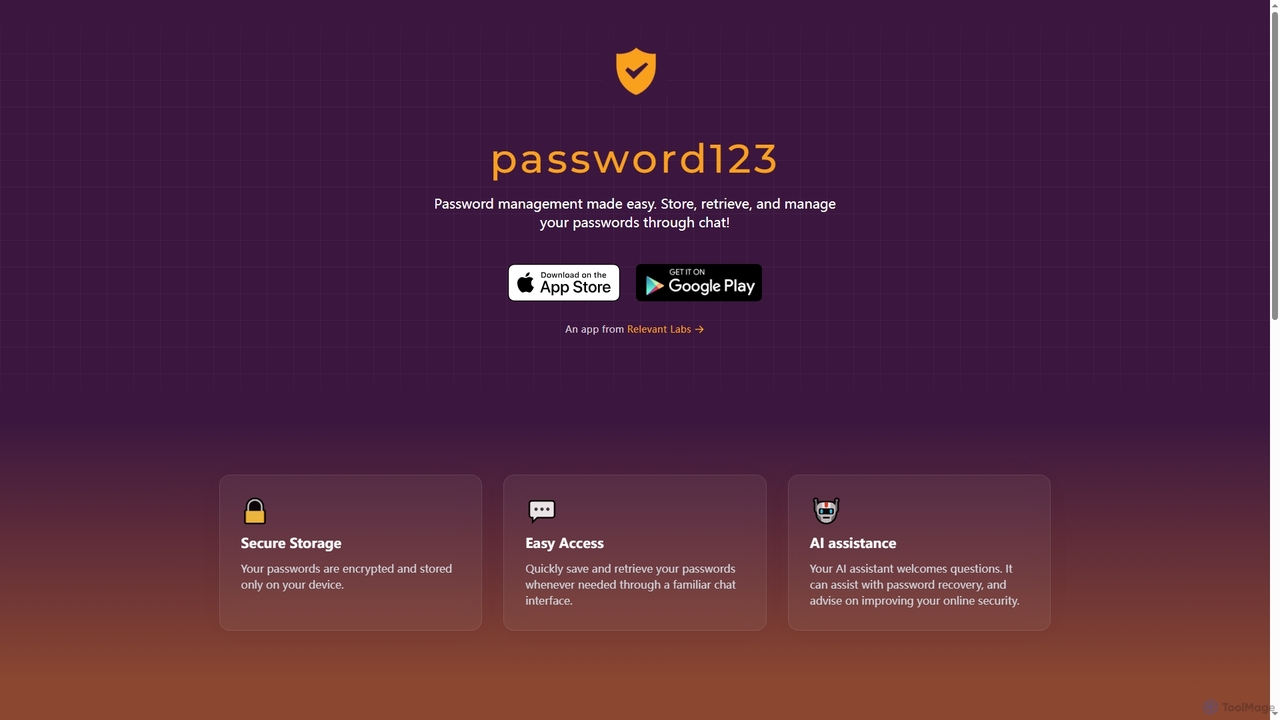
Password123 is an innovative AI-powered app designed to simplify password management. It allows users to securely store, retrieve, …

5.3K

About Security Advisor

Security Advisor tools are specialized AI assistants designed to enhance an organization's cybersecurity posture. Leveraging advanced machine learning and threat intelligence, these tools proactively identify vulnerabilities, detect anomalies, and provide actionable recommendations to mitigate risks. They serve as intelligent partners, augmenting human security teams or providing essential protection for businesses lacking dedicated cybersecurity expertise, ensuring robust defense against evolving digital threats.

Core Features

  • AI-driven Threat Detection: Utilizes machine learning to analyze network traffic, user behavior, and system logs for subtle indicators of compromise, often beyond human detection.
  • Automated Vulnerability Management: Continuously scans systems, applications, and codebases to identify security weaknesses, prioritizing them based on potential impact and exploitability.
  • Proactive Risk Assessment: Evaluates an organization's security landscape, predicting potential attack vectors and recommending preventative measures before incidents occur.
  • Incident Response Guidance: Provides real-time, step-by-step instructions and automated actions during a security incident, helping teams contain, eradicate, and recover efficiently.
  • Compliance Monitoring & Reporting: Automatically checks adherence to regulatory standards (e.g., GDPR, HIPAA) and generates comprehensive audit-ready reports.

Applicable Scenarios

Small and medium-sized businesses (SMBs) can deploy AI Security Advisors to establish a foundational cybersecurity framework without needing a full-time security team. Large enterprises integrate these tools to augment their Security Operations Centers (SOCs), automating routine tasks and providing advanced insights for analysts. Developers use them for secure coding practices, embedding vulnerability scanning directly into their development pipelines to build more resilient software.

How to Choose

When selecting an AI Security Advisor, evaluate its scope of protection, ensuring it covers your critical assets and threat vectors. Consider its integration capabilities with your existing IT infrastructure and security tools for seamless operation. Assess the clarity and actionability of its recommendations, as well as its compliance reporting features relevant to your industry. Finally, review its scalability and customization options to adapt to your evolving security needs and specific operational environment.

Security AdvisorUse Cases

1

Proactive Threat Intelligence for SMBs

A small business owner, lacking a dedicated IT security team, uses an AI Security Advisor to receive real-time alerts and insights on emerging cyber threats relevant to their industry. The tool analyzes global threat landscapes and local network activity, providing actionable advice to protect against phishing, ransomware, and data breaches, significantly reducing their vulnerability without requiring specialized expertise.

2

Automated Vulnerability Scanning in DevOps

A software development team integrates an AI Security Advisor into their CI/CD pipeline. The advisor automatically scans new code commits and dependencies for known vulnerabilities and misconfigurations before deployment. This proactive approach helps developers identify and fix security flaws early in the development cycle, ensuring more secure applications are released faster, reducing the risk of post-release exploits.

3

Continuous Compliance Monitoring for Healthcare

A healthcare organization's compliance officer utilizes an AI Security Advisor to continuously monitor their IT systems and data handling practices for adherence to HIPAA and other privacy regulations. The tool automatically identifies non-compliant configurations, data access violations, or outdated policies, generating detailed audit reports and recommending corrective actions, ensuring ongoing regulatory compliance.

4

Augmenting Enterprise Security Operations Centers (SOCs)

Large enterprises deploy AI Security Advisors to enhance their SOC capabilities. The AI analyzes vast volumes of security data (logs, network traffic, endpoint activity) to detect sophisticated, low-signal threats that human analysts might miss. It prioritizes alerts, correlates events, and provides context-rich incident summaries, allowing human analysts to focus on complex investigations and strategic defense.

5

Personalized Employee Security Awareness Training

An HR department implements an AI Security Advisor module to deliver personalized security awareness training. The AI assesses individual employee risk profiles based on their roles and past interactions, then tailors training content, simulates phishing attacks, and provides immediate feedback. This adaptive learning approach significantly improves overall organizational security posture by educating employees effectively.

6

Cloud Security Posture Management (CSPM)

A cloud architect uses an AI Security Advisor to manage and optimize the security posture of their multi-cloud environment. The tool continuously monitors cloud configurations, identifies misconfigurations that could lead to data exposure or unauthorized access, and recommends best practices for securing cloud resources. It ensures consistent security policies across different cloud providers, reducing attack surface.

Security AdvisorFrequently Asked Questions