Art Best in category 1 results Art Aggregator AI Tool

Popular AI tools in the Art Aggregator field of Art include aiartapps, etc., helping you quickly improve efficiency.

Free
aiartapps

aiartapps

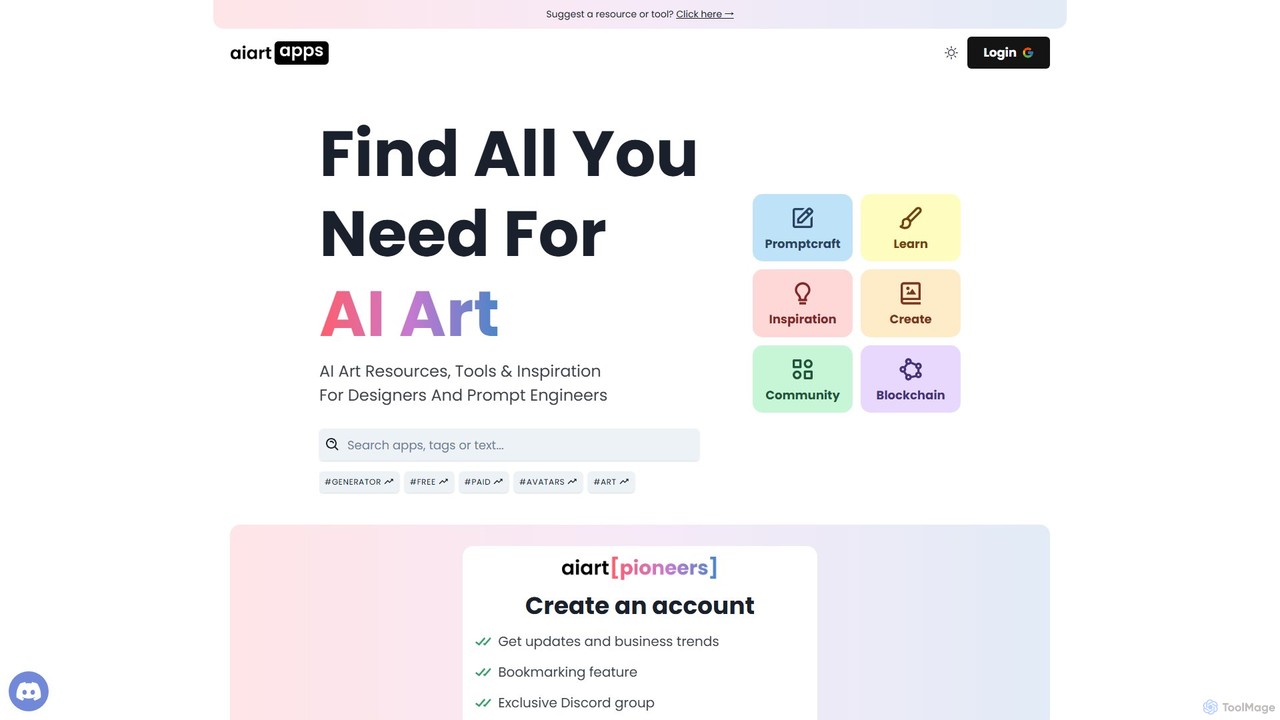
aiartapps is a comprehensive directory and resource hub for the AI art ecosystem. It curates and categorizes a …

4.3K

About Art Aggregator

Art Aggregators are AI-powered tools designed to collect, organize, and analyze digital art from diverse online sources. These tools leverage artificial intelligence to automatically discover artworks, categorize them by various attributes, and often provide insights into trends or personalized recommendations. They serve as central hubs for art discovery, research, and collection management, streamlining the process of navigating the vast digital art landscape.

Core Features

  • Automated Art Discovery: Scans and imports artworks from multiple online galleries, portfolios, and marketplaces.
  • Intelligent Categorization: Uses AI to classify art by style, artist, theme, medium, and other metadata for easy browsing.
  • Trend Analysis: Identifies emerging art trends, popular artists, and stylistic shifts within the aggregated data.
  • Personalized Recommendations: Suggests artworks or artists based on user preferences, viewing history, or collection patterns.
  • Portfolio & Collection Management: Provides tools for artists to manage their distributed works or for collectors to organize their digital acquisitions.

Use Cases

Art Aggregators are invaluable for art professionals, enthusiasts, and researchers. They enable galleries and curators to scout new talent and market trends, provide artists with inspiration and competitive analysis, and help collectors efficiently manage and discover pieces for their digital collections.

How to Choose

When selecting an Art Aggregator, consider its source coverage (which platforms it pulls from), the sophistication of its AI categorization and analysis, customization options for filtering and discovery, and its user interface for ease of navigation and management. Evaluate whether it offers features like trend reporting or personalized feeds that align with your specific needs.

Art AggregatorUse Cases

1

Art Market Trend Analysis for Galleries

Gallery owners and curators utilize Art Aggregators to monitor real-time art market trends. By aggregating data from various online marketplaces and artist platforms, these tools identify emerging styles, popular artists, and shifts in collector interest. This enables galleries to make informed decisions on acquisitions, exhibitions, and artist representation, staying ahead in a dynamic market.

2

Inspiration and Reference for Digital Artists

Digital artists leverage Art Aggregators to find inspiration and reference material for their projects. By searching across vast collections of art categorized by style, theme, or medium, artists can quickly discover diverse visual examples. This helps them explore new concepts, understand different artistic approaches, and overcome creative blocks, fostering innovation in their own work.

3

Curating Personal Digital Art Collections

Art enthusiasts and collectors use Art Aggregators to build and manage their personal digital art collections. These tools allow users to save, organize, and annotate artworks discovered across various platforms into a single, cohesive collection. Features like intelligent tagging and search capabilities make it easy to revisit and share favorite pieces, enhancing the collecting experience.

4

Monitoring Artist Portfolios Across Platforms

Art enthusiasts and talent scouts use Art Aggregators to follow specific artists and monitor updates to their portfolios across various online platforms. Instead of manually checking multiple websites, the aggregator provides a consolidated feed of new works, exhibitions, or news. This ensures they stay informed about their favorite creators' latest activities and developments.

5

Content Creation for Art Blogs and Publications

Art bloggers and online publications leverage Art Aggregators to discover relevant artworks, artists, and trends for their content. These tools help them quickly find high-quality images and information to illustrate articles, curate themed posts, or highlight emerging talents. This significantly reduces research time and ensures a constant flow of fresh, engaging content for their audience.

6

Academic Research in Digital Art History

Academics and researchers in digital art history or cultural studies employ Art Aggregators to gather and analyze large datasets of artworks. These tools facilitate the identification of stylistic evolution, thematic prevalence, and artist networks across vast digital archives. By automating data collection and offering advanced filtering, they enable deeper quantitative and qualitative analysis of art movements and cultural phenomena.

Art AggregatorFrequently Asked Questions