ToolMage
Sign in

Best 1 Avatar & Character Generation AI tools for Art

Popular Avatar & Character Generation AI tools in Art include IP Adapter Face ID, helping you work more efficiently.

IP Adapter Face ID
Freemium

IP Adapter Face ID

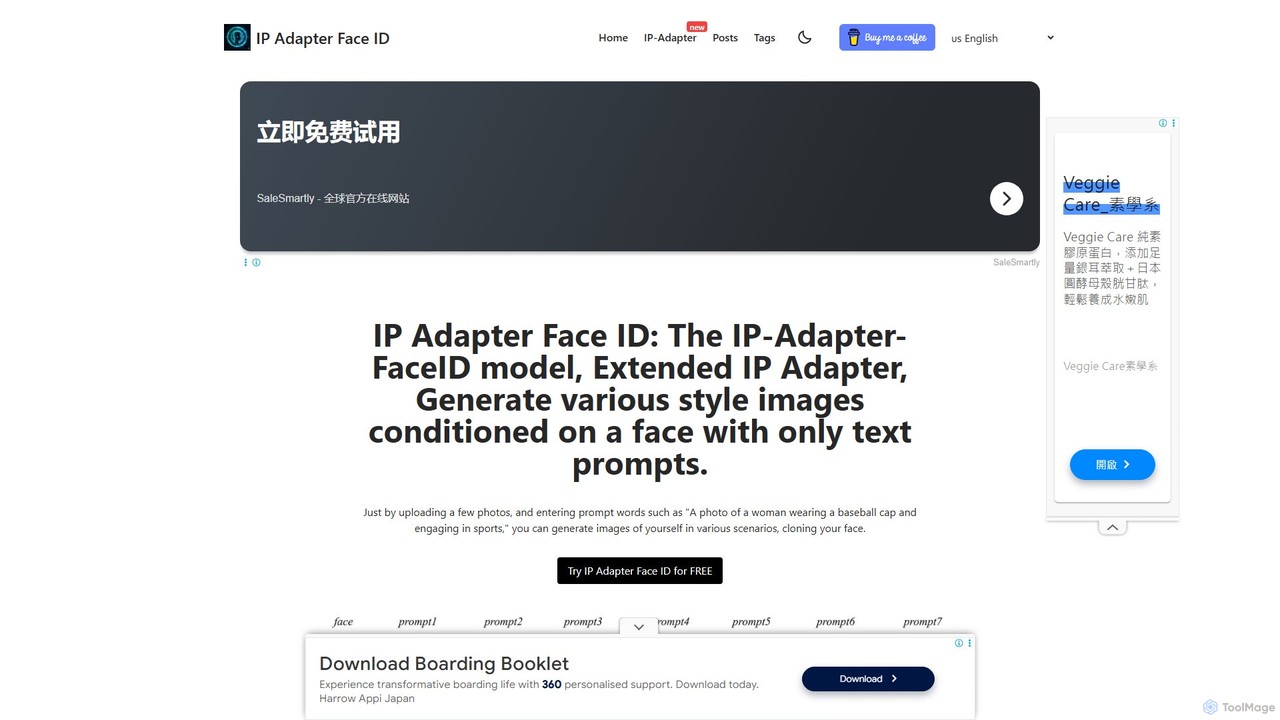
IP Adapter Face ID is an AI tool for generating images with consistent facial identity. By uploading a reference photo, users can create high-quality images of the same person in various styles, scenes, and outfits using simple text prompts, leveraging the advanced IP-Adapter technology for Stable Diffusion.

Avatar & Character Generation
Visits 16.9KFavorites 109Likes 129

About Avatar & Character Generation

Avatar & Character Generation tools are a specialized category of AI art instruments designed to create unique digital personas, from realistic human portraits to stylized fantasy characters. These tools utilize advanced generative models, such as GANs or diffusion models, to interpret text descriptions or analyze source images, producing detailed and often customizable figures. Their primary value lies in providing a streamlined process for creating consistent and visually compelling characters for digital identity, entertainment, and marketing. This technology significantly accelerates concept art, personalization, and content creation workflows.

Core Features

  • Style Versatility: Generate characters in a wide range of artistic styles, including photorealistic, anime, cartoon, fantasy, and 3D renders.
  • Trait Customization: Offers granular control over specific features such as facial expressions, hairstyles, clothing, and accessories.
  • Consistency Control: Maintain a character's core identity and appearance across multiple images and different scenarios.
  • Input Flexibility: Create characters from detailed text prompts, uploaded photographs, or even simple sketches.

Applicable Scenarios

These tools are widely used by game developers for rapid character prototyping and creating non-player characters (NPCs). Social media managers and marketers use them to design brand mascots or virtual influencers. Individual creators and role-players also leverage them to craft unique avatars for social profiles, virtual worlds like VRChat, or tabletop role-playing games (TTRPGs).

Selection Criteria

When choosing a tool, consider the diversity and quality of available art styles. Evaluate the depth of customization options and the tool's ability to maintain character consistency. Also, check the supported output formats (e.g., 2D PNG, 3D model) and carefully review the terms for commercial usage rights, as licenses can vary significantly between platforms.

Avatar & Character Generation use cases

1

Creating Unique Social Media Profile Pictures

A content creator or individual user wants to stand out online with a unique profile picture (PFP). Instead of using a standard photograph, they upload several of their own photos to an AI avatar generator. The tool analyzes their facial features and generates dozens of artistic variations in different styles, such as a cyberpunk hero, a fantasy elf, or a cartoon character. The user can then select their favorite high-resolution avatar, creating a memorable and personalized digital identity that reflects their personality or brand across platforms like Instagram, Twitter, and Discord.

2

Rapid Prototyping for Game Characters

An indie game developer is in the early stages of designing a new role-playing game. To quickly visualize character concepts, they use an AI character generator. By inputting text prompts like "female rogue with leather armor and glowing daggers, anime style" or "old wizard with a long white beard, holding a crystal staff, realistic fantasy", they can generate dozens of high-quality visual concepts in minutes. This process allows the development team to iterate on character designs much faster than traditional sketching, helping to define the game's art style and accelerate pre-production.

3

Designing a Consistent Brand Mascot

A marketing team for a new tech startup needs a friendly mascot for their website and social media channels. They use an AI character generator to explore ideas, starting with the prompt "cute robot mascot, friendly smile, holding a lightbulb, flat vector style." After generating several options, they select a base design. They then use the tool's consistency features to generate the same mascot in different poses and expressions—waving, thinking, celebrating. This ensures brand consistency across all marketing materials without needing to hire an illustrator for every single variation, saving time and budget.

4

Creating Custom Avatars for Virtual Worlds

A user active in virtual reality platforms like VRChat or metaverse environments wants a truly unique avatar that isn't from a pre-made asset store. They use an AI avatar generator to create a custom 3D model. Starting with a text prompt describing their desired appearance, such as "futuristic android with neon blue circuits and a metallic silver finish," the tool generates a model. The user can then fine-tune details, export the model in a compatible format (like .vrm), and upload it to their platform of choice. This allows for unparalleled self-expression and a distinct identity within the virtual community.

5

Visualizing Characters for Storytelling and Writing

An author writing a fantasy novel struggles to visualize their main character. To find inspiration, they use an AI character generator. They input a detailed description from their manuscript: "A young sorceress with silver hair, piercing green eyes, and wearing dark blue robes embroidered with constellations." The AI produces several visual interpretations, helping the author solidify the character's appearance. They can then use this generated image as a reference throughout the writing process to maintain a consistent mental picture, and even share it with early readers or use it for promotional materials.

6

Generating Portraits for Role-Playing Game Characters

A group of friends playing a tabletop role-playing game (TTRPG) like Dungeons & Dragons wants to bring their characters to life. Each player uses an AI character generator to create a portrait. They input detailed descriptions, such as "Half-orc barbarian with a prominent underbite, braided hair, and tribal tattoos on his face." The tool generates a unique portrait that matches their vision. These images can be used on digital character sheets, in virtual tabletop platforms, or simply to help the group visualize each other's characters, enhancing immersion and engagement in the game.

Avatar & Character Generation FAQ

What is AI Avatar & Character Generation?

AI Avatar & Character Generation refers to using artificial intelligence tools to create digital representations of people or fictional beings. Unlike general image generators, these tools are specialized for crafting characters with specific traits, styles, and consistent appearances. They typically work by interpreting text prompts (e.g., "a knight in shining armor") or by transforming uploaded photos into stylized avatars. The core purpose is to quickly produce unique, high-quality character visuals for gaming, social media, marketing, and virtual worlds.

How do AI Character Generators differ from general AI Image Generators?

The main difference lies in specialization and control. While both can create images from text, AI Character Generators are specifically optimized for creating beings with consistent features. Key differences include:

  • Consistency: Character generators often have features to maintain a character's appearance across multiple images, which is difficult with general image generators.
  • Granular Control: They may offer specific controls for facial features, poses, clothing, and expressions, rather than relying solely on text prompts.
  • Purpose-Built Models: The underlying AI models are often trained specifically on portraits, character art, and anatomical data to produce better, more coherent results for characters.

In short, use a general image generator for scenes and diverse concepts, but choose a character generator for creating believable and repeatable personas.

How should I choose the right AI Avatar & Character Generation tool?

Selecting the best tool depends on your specific needs. Consider these key factors:

  • Art Style: Does the tool offer the aesthetic you're looking for (e.g., anime, photorealistic, cartoon)? Check its gallery for examples.
  • Customization Level: How much control do you need? Some tools offer simple style choices, while others allow fine-tuning of every facial feature and clothing item.
  • Output Format: Do you need a 2D image (PNG, JPG) for a profile picture, or a 3D model (VRM, FBX) for use in games or virtual reality?
  • Commercial Rights: If you plan to use the character for business, marketing, or in a monetized project, carefully read the tool's licensing terms to ensure you have the necessary rights.
  • Ease of Use: Evaluate the user interface. Some tools are beginner-friendly, while others may have a steeper learning curve but offer more power.
Can I use AI-generated characters for commercial projects?

This depends entirely on the terms of service of the specific tool you use. There is no single answer. Some platforms grant you full ownership and commercial rights for the characters you create, especially on paid subscription tiers. Others may restrict usage to personal, non-commercial projects only. It is critical to always read the licensing agreement before using a generated character in any monetized content, branding, or product. Failure to do so could lead to copyright issues.

Who are the primary users of AI Character Generation tools?

These tools serve a diverse range of users, both professional and casual. Key user groups include:

  • Game Developers: For creating concept art, NPCs, and player avatars quickly.
  • Content Creators & Social Media Managers: For designing unique profile pictures, brand mascots, and virtual influencers.
  • Authors and Storytellers: To visualize characters from their stories and create promotional art.
  • Role-Players: For generating custom portraits for their characters in games like Dungeons & Dragons.
  • General Users: Individuals looking for a unique and creative way to represent themselves online in social media, forums, and virtual worlds.