Art Best in category 1 results Avatar Generation AI Tool

Popular AI tools in the Avatar Generation field of Art include PicSo, etc., helping you quickly improve efficiency.

PicSo

PicSo

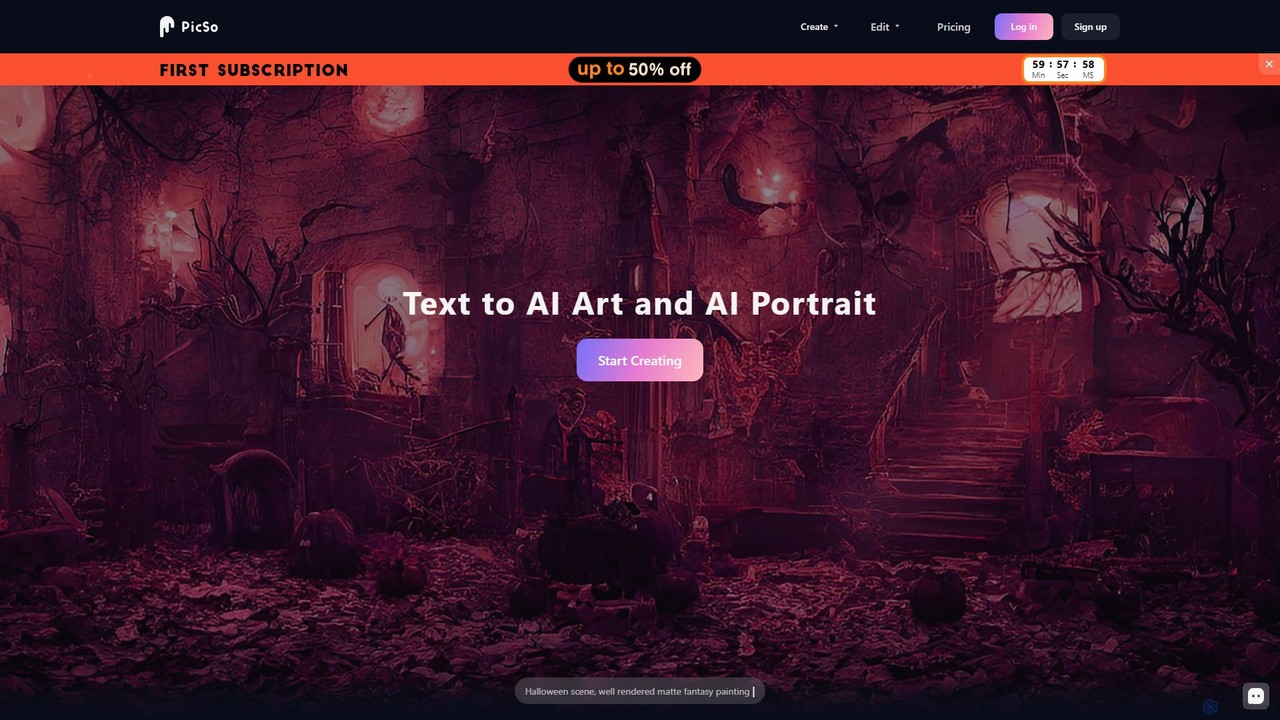
PicSo is a versatile AI art generator that transforms text prompts into stunning images and creates realistic AI …

11.8K

About Avatar Generation

Avatar Generation tools are AI-powered applications that create unique, personalized digital representations of people or characters. These tools typically leverage generative models, such as GANs or diffusion models, to produce a wide variety of artistic styles from user inputs like photos or text prompts. They enable users to craft a distinct digital identity for social media, gaming, virtual worlds, and marketing without requiring advanced artistic skills. The key value lies in their ability to rapidly generate multiple creative options, allowing for easy experimentation and personalization.

Core Features

  • Photo-to-Avatar Conversion: Transforms user-uploaded photographs into stylized avatars in various artistic themes like fantasy, sci-fi, or anime.
  • Text-to-Avatar Creation: Generates avatars from descriptive text prompts, allowing for the creation of entirely new characters and concepts.
  • Style Customization: Offers extensive options to control the artistic style, color palette, clothing, accessories, and background of the avatar.
  • Multiple Output Formats: Provides avatars in various formats, including high-resolution images (JPG, PNG) and sometimes 3D models (VRM, FBX) for use in virtual environments.
  • Batch Generation: Allows users to create multiple avatar variations from a single input, facilitating A/B testing or providing a range of choices.

Use Cases

Avatar Generation tools are widely used by social media users, content creators, and gamers to create unique profile pictures and in-game personas. Marketing teams also utilize them to design brand mascots or characters for advertising campaigns. In the context of the metaverse and VR/AR applications, these tools are essential for building personalized digital identities for users to interact within virtual spaces.

How to Choose

When selecting an Avatar Generation tool, consider the diversity of available art styles and whether they align with your aesthetic goals. Evaluate the input methods—some excel at photo conversion while others are stronger with text prompts. Check the available output formats, especially if you need 3D models for gaming or VR. Finally, review the tool's pricing model and the usage rights granted for the generated avatars, particularly for commercial projects.

Avatar GenerationUse Cases

1

Creating a Unique Social Media Profile Picture

A content creator or professional wants to establish a distinct online brand without using a standard photograph. They upload several high-quality selfies to an AI avatar generator and select an artistic style, such as 'cyberpunk,' 'watercolor,' or 'fantasy.' The tool processes these images and generates a pack of 50-100 unique avatars. The user can then choose the one that best represents their personal brand for use on platforms like LinkedIn, Twitter, or Instagram, achieving a memorable and professional look that stands out from the crowd.

2

Designing Custom Game Characters and NPCs

An indie game developer needs to populate their game world with a variety of non-player characters (NPCs) but has limited art resources. Instead of designing each character from scratch, the developer uses a text-to-avatar tool. They input prompts like 'old male shopkeeper with a friendly smile' or 'elven warrior with glowing eyes.' The AI generates multiple visual concepts for each character, which can be used as final 2D art or as a reference for 3D modeling. This process dramatically accelerates character design and ensures a diverse cast of characters within the game.

3

Personalizing Avatars for the Metaverse and VR

A user entering a metaverse platform like VRChat or Spatial wants a digital identity that truly represents them. They use an advanced avatar generator that not only creates a visual likeness from a photo but also allows for 3D customization. The user can adjust clothing, add accessories, and fine-tune facial features. The tool then exports the avatar as a VRM or FBX file, which can be directly imported into the virtual platform. This empowers users to have a high-fidelity, personalized presence in virtual reality, enhancing social interaction and immersion.

4

Generating Brand Mascots for Marketing

A marketing team for a tech startup needs a friendly and approachable mascot for their website and social media channels. They use an AI avatar generator to quickly brainstorm concepts. By entering prompts like 'a helpful robot character holding a lightbulb' or 'a wise owl wearing glasses,' they can generate dozens of visual ideas in minutes. This allows the team to A/B test different mascot styles with their target audience without investing heavily in initial design work. Once a concept is chosen, it can be refined and used consistently across all marketing materials.

5

Creating Illustrations for Digital Content

A blogger or YouTuber needs consistent, high-quality illustrations for their articles and videos but lacks the budget to hire an illustrator. They use an AI avatar generator to create a stylized version of themselves or recurring characters for their content. For example, they can generate avatars showing different emotions (happy, surprised, thinking) to use in video thumbnails or as visual aids in blog posts. This ensures a cohesive and professional visual style across all their content, enhancing brand recognition and audience engagement at a low cost.

6

Developing Anonymous or Privacy-Focused Personas

An online educator or community manager wishes to engage with their audience personally without revealing their real-life identity. They use an AI avatar generator to create a consistent and professional-looking persona. This avatar is used as their profile picture across all platforms, from forums to live streaming services. It allows them to build a recognizable presence and foster a sense of community and trust with their audience, all while maintaining their personal privacy. The variety of styles allows them to choose a persona that aligns with their content's tone, whether it's educational, entertaining, or formal.

Avatar GenerationFrequently Asked Questions