
ToolMage
Sign in

Best 1 Comic Generator for Art

Popular Comic Generator in Art include StoryDiffusion, helping you work more efficiently.

StoryDiffusion
Freemium

StoryDiffusion

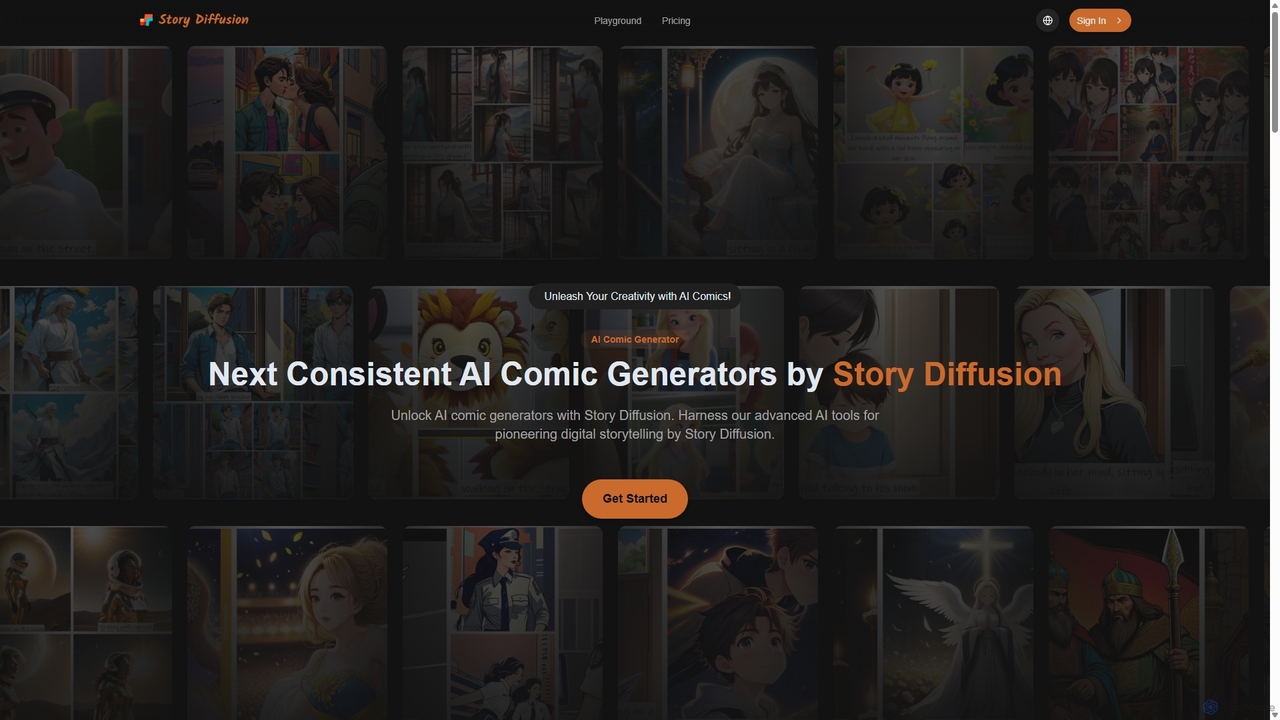
StoryDiffusion is an advanced AI comic generator that empowers creators to produce high-quality, visually consistent comics and stories. By leveraging cutting-edge AI, it ensures character integrity across multiple panels, transforming simple text prompts into dynamic visual narratives. It's designed for artists, writers, and storytellers of all skill levels.

Comic Generator
Visits 7.4KFavorites 127Likes 128

About Comic Generator

AI Comic Generators are specialized tools that automate the creation of sequential art, from single panels to complete comic strips. They utilize generative AI models to interpret text prompts, scripts, or character descriptions, producing coherent visual narratives with distinct panels and characters. This technology empowers creators without traditional drawing skills to visualize stories, design marketing materials, or produce educational content efficiently. Their unique strength lies in maintaining character consistency and arranging scenes into logical comic layouts, bridging the gap between storytelling and visual art creation.

Core Features

  • Character Consistency: Maintains a character's appearance, clothing, and features across multiple panels for narrative continuity.
  • Automated Panel Layout: Generates standard comic book grids and arranges scenes into a logical sequence based on a script.
  • Style Customization: Allows users to select or define specific art styles, such as manga, American superhero, or cartoon.
  • Text-to-Comic Generation: Transforms a written script, including dialogue and action descriptions, into a fully illustrated comic page.
  • Speech Bubble & Caption Integration: Automatically places dialogue into speech bubbles and narrative text into caption boxes within the panels.

Use Cases

These tools are ideal for webcomic artists prototyping story ideas, marketing teams creating narrative-driven social media campaigns, and educators developing engaging visual aids for complex topics. They also serve writers who wish to create storyboards or visual proofs-of-concept for their scripts without hiring an illustrator.

How to Choose

When selecting an AI Comic Generator, evaluate the robustness of its character consistency features. Consider the flexibility of the layout engine—whether it offers templates or full customization. Assess the variety of available art styles and the tool's ability to interpret complex narrative prompts. Finally, check the supported input formats (simple prompt vs. detailed script) and export options to ensure they fit your workflow.

Comic Generator use cases

1

Prototype Webcomics for Indie Creators

An independent comic artist wants to quickly visualize a new story arc without spending weeks on initial sketches. They input their script, character descriptions, and desired art style (e.g., 'cyberpunk manga') into an AI Comic Generator. The tool generates a multi-page draft, complete with panel layouts, character poses, and dialogue bubbles. This allows the artist to rapidly iterate on pacing and composition, test different visual approaches, and share a proof-of-concept with collaborators or patrons, saving dozens of hours in the pre-production phase.

2

Create Narrative Ads for Social Media

A marketing team needs to create an engaging ad campaign for a new product. Instead of a static image, they use an AI Comic Generator to tell a short story about a customer's problem and how the product solves it. They input a simple three-part script: the problem, the solution (introducing the product), and the happy outcome. The AI generates a 4-panel comic strip in the company's brand style. This narrative format is more memorable and shareable than traditional ads, leading to higher engagement rates and click-throughs on platforms like Instagram and Facebook.

3

Develop Visual Aids for Education

A history teacher wants to explain the complex sequence of events leading to a major historical moment. They use an AI Comic Generator to create a one-page comic summarizing the key figures, decisions, and outcomes. By inputting a chronological list of events and character descriptions, the tool produces a visually engaging and easy-to-digest summary. This comic format helps students, especially visual learners, to better retain information compared to dense textbook paragraphs. The teacher can print it as a handout or use it in a digital presentation to make the lesson more dynamic.

4

Storyboard Scenes for Scripts and Pitches

A screenwriter has finished a script for an animated short and needs to create a storyboard to pitch to producers. Lacking drawing skills, they turn to an AI Comic Generator. They paste key scenes from their script, including character actions and dialogue, into the tool. The AI generates a sequence of panels that visually represent the script's flow, camera angles, and character emotions. This AI-generated storyboard serves as a powerful visual aid during the pitch meeting, helping producers understand the writer's vision and the project's potential far more effectively than a text-only script.

5

Generate Personalized Comic Gifts

A user wants to create a unique and personal birthday gift for a friend. They decide to make a short comic strip about a memorable shared experience, like a funny vacation moment. They write a simple script detailing the event and describe themselves and their friend to an AI Comic Generator. The tool produces a charming, customized comic strip. The user can then print this comic on a card or a mug. This application allows anyone to become a storyteller and create deeply personal, one-of-a-kind gifts that are more meaningful than generic store-bought items.

6

Rapidly Generate Content for Daily Posts

A social media manager for a tech blog needs to produce fresh, engaging content daily. To supplement their articles, they use an AI Comic Generator to turn key tech tips or industry news into humorous, easy-to-share comic strips. Each morning, they input a simple concept, like 'The life of a programmer debugging code,' and the AI generates a 3-panel comic in minutes. This allows them to maintain a consistent posting schedule with visually appealing content that stands out in a crowded feed, increasing follower engagement and brand visibility with minimal time investment.

Comic Generator FAQ

What is an AI Comic Generator?

An AI Comic Generator is a specialized tool that uses artificial intelligence to create sequential visual stories, like comic strips or pages. Unlike standard image generators that produce single images, a comic generator focuses on narrative continuity. It manages elements like consistent character appearances across multiple panels, logical scene progression, panel layouts, and the integration of dialogue through speech bubbles. These tools are designed for storytellers, marketers, and educators who want to produce comic-style content without needing advanced illustration skills.

AI Comic Generator vs. AI Image Generator: What's the difference?

The primary difference lies in their purpose: narrative versus a single image. An AI Image Generator creates standalone pictures from a prompt. An AI Comic Generator is built for sequential storytelling. Key distinctions include:

  • Character Consistency: Comic generators strive to maintain a character's look across multiple panels, a feature most image generators lack.
  • Panel & Layout Control: They are designed to create and arrange multiple images (panels) into a coherent page layout, often automatically.
  • Narrative Input: Comic generators can often interpret scripts or multi-step prompts to create a sequence of events, not just a single scene.
  • Text Integration: They include features for adding speech bubbles and captions, which are integral to the comic format.

In short, you use an image generator for a portrait or a landscape, but a comic generator to tell a story with a beginning, middle, and end.

How do AI Comic Generators maintain character consistency?

Maintaining character consistency is a key challenge and a primary feature of advanced AI Comic Generators. They use several techniques to achieve this:

  • Character Reference Models: Some tools allow you to 'train' a mini-model on a specific character design (often called a LoRA or character sheet). The AI then references this model for every new panel.
  • Seed Locking: By using a consistent seed number combined with a character description, the AI can produce visually similar results across different action prompts.
  • Facial Recognition & Re-rendering: More advanced systems may use underlying facial structure models to ensure a character's key features remain the same, even with different expressions or from different angles.
  • Iterative Generation: Some platforms generate a character in a neutral pose first, which then serves as a direct visual reference for all subsequent panels in the sequence.

The effectiveness of these methods varies between tools, making character control a crucial factor when choosing a generator.

Who should use an AI Comic Generator?

AI Comic Generators are valuable for a wide range of users, particularly those who need to create visual narratives quickly and efficiently. Key user groups include:

  • Writers & Storytellers: To visualize their scripts, create storyboards, or produce webcomics without needing to draw.
  • Marketers & Social Media Managers: To create engaging, narrative-driven content for ad campaigns, explainers, and daily posts.
  • Educators & Trainers: To develop simple, visually appealing instructional materials that make complex topics easier to understand.
  • Indie Game Developers: For rapidly creating concept art, character sheets, and cutscene storyboards during pre-production.
  • Hobbyists & Individuals: To create personal stories, unique gifts, or simply to experiment with visual storytelling.

Essentially, anyone with a story to tell but without the time or artistic skill for manual illustration can benefit from these tools.

How to choose the right AI Comic Generator?

Selecting the best AI Comic Generator depends on your specific needs. Consider these key factors:

  • Character Consistency Control: How well does the tool maintain a character's appearance? Look for features like character locking, reference sheets, or consistent seed usage.
  • Layout and Panel Flexibility: Does it offer pre-set templates, or can you customize the number, size, and arrangement of panels? A flexible layout engine is crucial for dynamic storytelling.
  • Art Style Variety: Check the range of available styles (e.g., manga, cartoon, realistic). The best tools allow you to fine-tune styles or even upload your own style references.
  • Input Method: Does the tool work best with simple prompts for each panel, or can it process a full script with dialogue and action cues? Choose one that matches your writing process.
  • Export Options: Ensure you can export your creation in the desired format, whether as individual panel images (PNG, JPG) or a complete page (PDF).