ToolMage
Sign in

Best 1 Community Platform for Art

Popular Community Platform in Art include chichi-pui, helping you work more efficiently.

chichi-pui
Freemium

chichi-pui

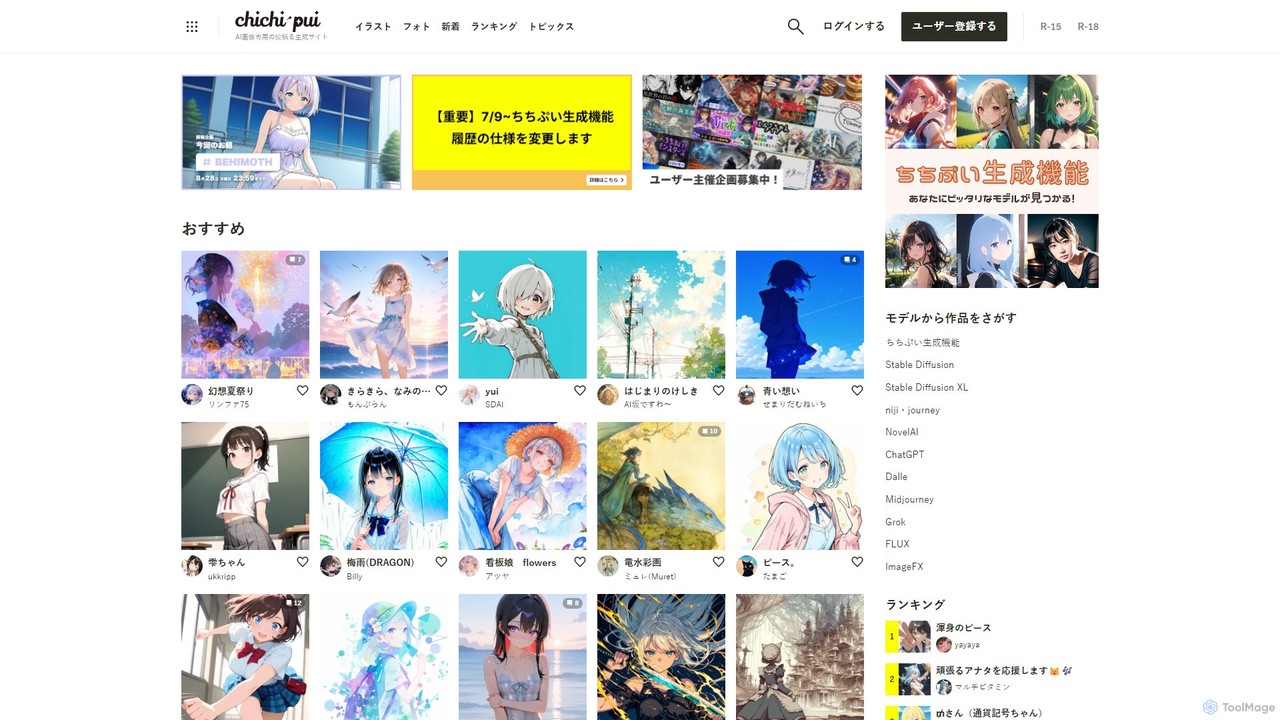
chichi-pui is a dedicated Japanese AI platform for generating and sharing high-quality illustrations, particularly in anime and manga styles. It features a built-in AI image generator with various models, including Stable Diffusion and proprietary ones, and supports image-to-image. It fosters a vibrant community through user-hosted contests, rankings, and social features, allowing creators to connect and showcase their work.

Community Platform
Visits 6.4MFavorites 115Likes 114

About Community Platform

AI Community Platforms for art are specialized online spaces designed for creators to showcase their work, connect with peers, and engage with a dedicated audience. These platforms leverage AI algorithms to personalize content discovery, suggest relevant connections, and automate community moderation. This fosters a more focused and supportive environment compared to general social media, helping artists build a loyal following and gain meaningful feedback. The core value lies in creating a curated ecosystem where artistic expression and interaction are prioritized.

Core Features

  • AI-Powered Discovery Feed: Curates a personalized stream of artwork and artists based on user style preferences and interactions.
  • Collaboration Matching: Suggests potential collaborators by analyzing artistic styles, skills, and project interests.
  • Automated Content Moderation: Uses AI to detect and filter spam, inappropriate content, and copyright infringement, ensuring a safe community.
  • Audience Engagement Analytics: Provides creators with insights into audience demographics, content performance, and engagement patterns.
  • Portfolio Integration: Offers structured profiles that serve as dynamic portfolios, often with AI-powered tagging for better visibility.

Use Cases

These platforms are ideal for digital artists, illustrators, photographers, and other visual creators seeking to build a brand and connect with a niche audience. They are used for launching new projects, gathering constructive critiques from fellow artists, and finding partners for creative endeavors like comic books or animated shorts. Art collectors and enthusiasts also use them to discover emerging talent and interact directly with creators.

How to Choose

When selecting a platform, consider the community's specific focus (e.g., fantasy art, photography). Evaluate the monetization tools available, such as subscriptions, commission management, or print-on-demand services. Assess the sophistication of its AI features, like the accuracy of its discovery algorithm. Finally, review the platform's moderation policies and overall community culture to ensure it aligns with your values.

Community Platform use cases

1

Building a Fanbase for a Digital Illustrator

A freelance digital illustrator uses a community platform to move beyond the crowded environment of general social media. They create a dedicated space to share exclusive content like work-in-progress sketches, video tutorials, and high-resolution downloads with their subscribers. The platform's AI helps surface their profile to users interested in their specific anime-inspired art style. This direct interaction and value offering helps them build a loyal community of paying supporters, providing a stable income stream and a direct channel for feedback on new character designs.

2

Finding Collaborators for a Comic Book Project

A writer has a script for a graphic novel but lacks the artistic skills to illustrate it. They join a community platform and post a project brief outlining the story, style, and requirements. The platform's AI matching algorithm suggests several artists whose portfolios align with the desired dark fantasy aesthetic. The writer can then review their work, initiate conversations, and negotiate terms directly within the platform. This streamlines the search process, connecting them with vetted talent and helping to form a creative team efficiently.

3

Hosting a Private Art Critique Group

A collective of professional concept artists creates a private, invitation-only group on a community platform to share their work for peer review. This provides a confidential space away from public scrutiny. Members upload their latest character designs or environment paintings. The platform facilitates threaded discussions on each piece, allowing for focused feedback. An AI feature can summarize lengthy comment threads, highlighting recurring suggestions like 'improve lighting' or 'adjust anatomy', helping artists quickly identify key areas for improvement before presenting the work to clients.

4

Curating a Niche Art Collection

An art collector specializing in cyberpunk digital art uses a community platform's AI discovery tools to find new talent. Instead of manually searching through vast social networks, they set their preferences for specific themes, color palettes, and styles. The platform's algorithm continuously surfaces emerging artists who match these criteria. This allows the collector to discover artists before they become mainstream, connect with them directly to inquire about commissions or purchases, and build a unique, curated collection efficiently.

5

Monetizing Skills Through Online Workshops

A professional photographer with expertise in landscape astrophotography decides to teach their techniques. They use a community platform to host a paid, multi-session online workshop. The platform provides tools for managing registrations, processing payments, and creating a private group for workshop attendees. During the workshop, they can share their screen, conduct live Q&A sessions, and give personalized feedback on assignments. The community aspect allows students to interact with each other, share their results, and stay connected long after the workshop ends, fostering a learning ecosystem.

6

Managing a Brand's Creative Community

A video game studio creates a dedicated community platform for its flagship fantasy RPG. This space serves as a central hub for fans to share fan art, discuss game lore, and provide feedback. The studio uses the platform to run art contests, with AI tools helping to categorize submissions by theme or character. Community managers can also post exclusive behind-the-scenes content, like early concept art, to reward loyal fans. The platform's AI-powered moderation automatically filters spoilers and toxic behavior, ensuring a positive environment for all players.

Community Platform FAQ

What is an AI-powered Art Community Platform?

An AI-powered Art Community Platform is a specialized social network designed specifically for artists and art lovers. Unlike general platforms, it uses artificial intelligence to enhance the user experience by curating personalized art feeds, suggesting potential collaborators based on style compatibility, and automating moderation to maintain a supportive environment. The primary goal is to help creators build a dedicated following and connect with meaningful opportunities within the art world.

How do art community platforms differ from Instagram or Pinterest?

While Instagram and Pinterest are visual platforms, they are general-purpose social networks driven by broad engagement metrics. Art community platforms are different in several key ways:

  • Niche Focus: They are built exclusively for artists, leading to a more relevant audience and higher quality feedback.
  • Creator Tools: They often include portfolio-building features, commission management, and monetization options not found on general platforms.
  • AI Curation: Their discovery algorithms are fine-tuned for artistic style and substance, rather than just popularity or viral trends.
  • Community Goal: The focus is on fostering connection, collaboration, and constructive criticism, rather than passive consumption of content.

How should I choose the right art community platform?

Choosing the right platform depends on your specific goals as an artist. Consider the following factors:

  • Community Niche: Does the platform cater to your specific genre (e.g., 3D modeling, traditional painting, photography)? A focused community yields better connections.
  • Monetization Tools: If earning income is a priority, look for platforms with built-in subscription, commission, or print-on-demand features.
  • User Interface and Experience: The platform should be intuitive and make it easy to upload and showcase your work effectively.
  • AI and Discovery Features: Evaluate how well the platform's AI helps users discover your work. Check if it recommends relevant artists and content to you.
  • Community Culture: Spend some time on the platform to gauge its atmosphere. Look for a community that is supportive, constructive, and free from toxicity.

What are the key benefits of using a dedicated art community platform?

Using a platform dedicated to art offers several advantages over general social media. The primary benefit is access to a highly targeted audience of peers, collectors, and enthusiasts who are genuinely interested in art. This leads to more meaningful engagement and constructive feedback. Additionally, these platforms provide specialized tools for portfolio management and monetization, creating a direct path from creation to commerce. Finally, AI-powered features like automated moderation and curated discovery help create a safer, more inspiring, and less noisy environment for creators to thrive.

Can I sell my art directly on these community platforms?

Many art community platforms integrate e-commerce features, but the capabilities vary. Some platforms offer robust solutions for selling art directly, including:

  • Print-on-Demand Services: Automatically handle printing, framing, and shipping of your artwork to customers.
  • Digital Downloads: Allow you to sell high-resolution files, brush packs, or tutorials.
  • Commission Management: Provide tools to manage commission requests, set prices, and handle payments securely.
  • Subscription Tiers: Enable you to offer exclusive content to paying supporters, similar to Patreon.

It's important to review each platform's specific monetization tools and transaction fees to see if they align with your business goals.