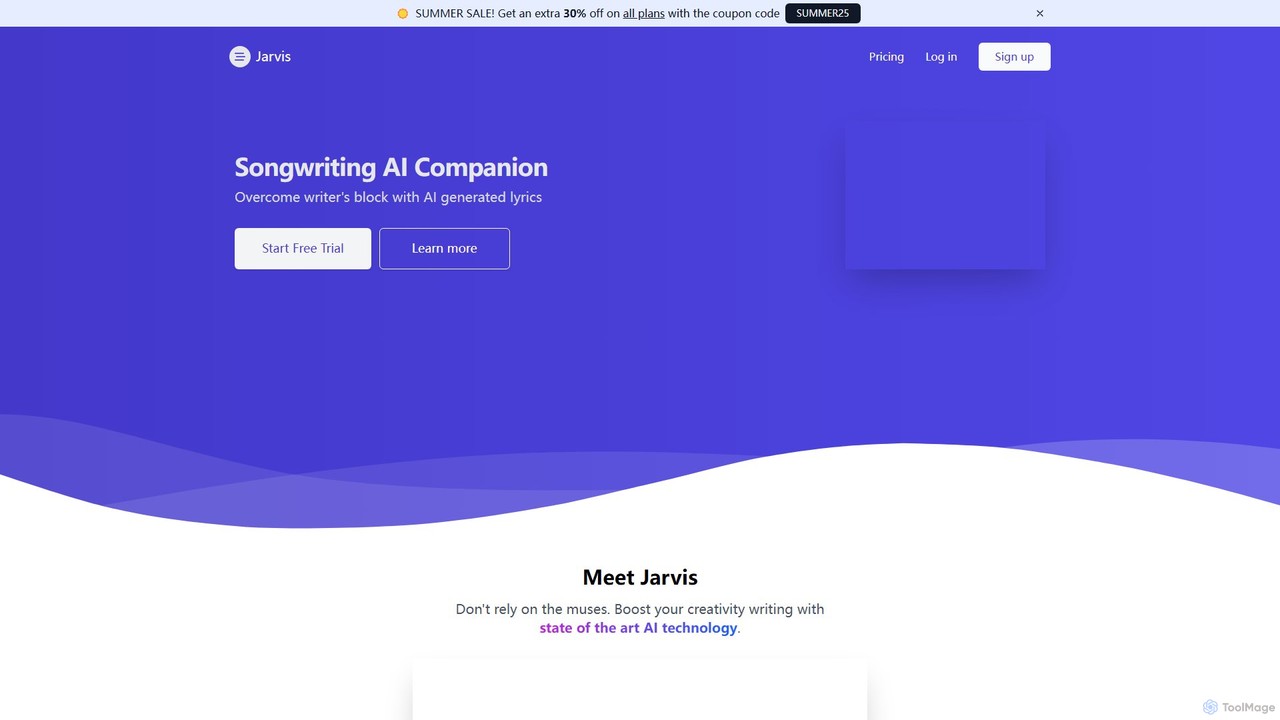
Creative Inspiration tools are AI-powered platforms designed to spark new ideas, overcome creative blocks, and generate diverse concepts across various artistic and professional domains. These tools leverage advanced AI algorithms, often based on large language models or generative adversarial networks, to analyze vast datasets of existing creative works, suggest novel combinations, and provide unique starting points for human creativity. They act as intelligent assistants within the broader field of AI art and design, specifically focusing on the ideation phase rather than final output generation, thereby expanding the scope of possibilities for creators and innovators.
Core Features
- Idea Generation: Produces a wide array of concepts, themes, or prompts based on user input, helping to kickstart projects or explore new directions.
- Style Exploration: Suggests different artistic styles, tones, narrative approaches, or aesthetic directions for a given project, enabling users to experiment without extensive manual research.
- Concept Development: Assists in refining initial, vague ideas into more detailed, structured, and actionable concepts, often by asking guiding questions or providing frameworks.
- Brainstorming Prompts: Offers targeted questions, scenarios, or keyword associations to stimulate innovative thinking and break through mental barriers.
- Mood Board Elements: Generates visual, textual, or even audio components that can be used to build thematic mood boards, aiding in the visualization of project aesthetics and atmosphere.
- Narrative & Character Suggestions: For writers, these tools can propose plot twists, character archetypes, dialogue snippets, or world-building elements.
Applicable Scenarios
Content creators, graphic designers, writers, marketers, and product developers frequently utilize Creative Inspiration tools to accelerate their ideation process and maintain a fresh perspective. For instance, a marketing team might use them to brainstorm unique campaign slogans or visual themes, while a game designer could generate diverse character backstories or level concepts. They are invaluable for individuals and teams seeking to break through creative plateaus, explore unconventional ideas, or quickly generate multiple conceptual variations for projects ranging from advertising campaigns to artistic compositions and technical innovations.
How to Choose
When selecting an AI Creative Inspiration tool, consider its output diversity and quality, ensuring it generates genuinely novel and relevant ideas rather than generic suggestions. Evaluate the customization options for tailoring suggestions to your specific needs, such with adjustable parameters for style, tone, or complexity. Assess its ease of use and integration capabilities with your existing creative workflow, such as compatibility with design software or writing platforms. Finally, consider its domain specificity—some tools excel in text-based ideation, others in visual concepts, and some offer multimodal inspiration—to ensure it aligns perfectly with your primary creative focus and technical proficiency.