Art Best in category 1 results E Commerce AI Tool

Popular AI tools in the E Commerce field of Art include iamfy, etc., helping you quickly improve efficiency.

iamfy

iamfy

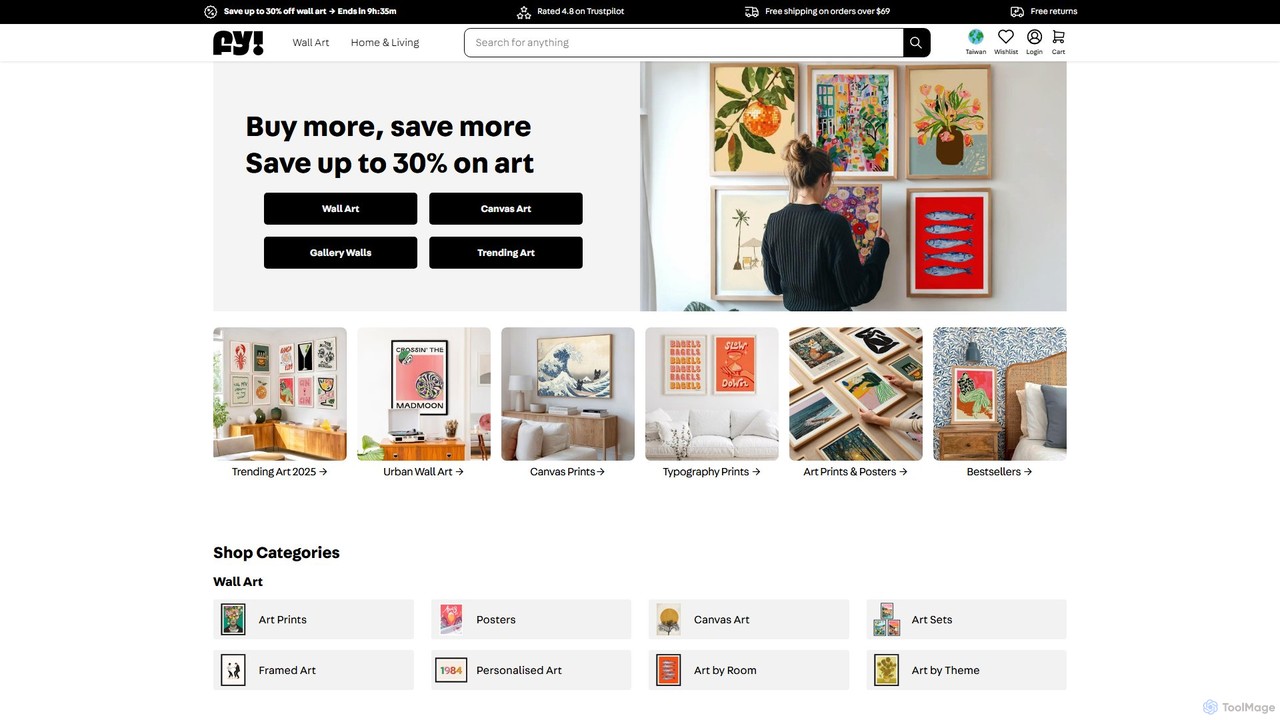
iamfy (Fy!) is an AI-powered marketplace for wall art and home decor, connecting you with thousands of independent …

281.6K

About E Commerce

E Commerce AI tools are specialized solutions designed to empower artists, creators, and art businesses in optimizing their online sales and digital presence. These tools leverage artificial intelligence to automate tasks, personalize customer experiences, and provide data-driven insights, enabling a more efficient and effective approach to selling art, crafts, and creative products online. They help streamline everything from product listing and marketing to customer engagement and inventory management, specifically tailored for the unique demands of the creative market.

Core Features

  • AI-Powered Product Listing: Automates the generation of compelling product descriptions, tags, and SEO-friendly content for art pieces and creative goods.
  • Personalized Customer Engagement: Utilizes AI chatbots and recommendation engines to offer tailored product suggestions and instant support to potential buyers.
  • Visual Search & Recommendation: Enables customers to find similar art pieces or products based on visual input, enhancing discovery and sales.
  • Dynamic Pricing & Inventory Management: Analyzes market trends and demand to suggest optimal pricing and helps manage unique, often limited-edition, inventory.
  • Marketing & Ad Optimization: Creates and optimizes targeted ad campaigns for art and creative products across various e-commerce platforms and social media.

Use Cases

Artists and small galleries can use these tools to efficiently manage their online storefronts, reaching a wider audience without extensive technical knowledge. For instance, an independent artist can use AI to automatically generate engaging descriptions for new paintings, suggest optimal pricing based on similar sold works, and target potential buyers with personalized ad campaigns. This significantly reduces the administrative burden, allowing creators to focus more on their craft while enhancing their sales potential in the digital art market.

How to Choose

When selecting E Commerce AI tools for art, consider the specific needs of your creative business. Evaluate the tool's ability to integrate with your existing e-commerce platform (e.g., Shopify, Etsy), its specialization in visual content optimization, and the accuracy of its AI for product descriptions and recommendations relevant to art. Look for features that support unique inventory management, offer robust marketing automation for creative products, and provide clear analytics to track sales performance and customer behavior in the art market. Scalability and ease of use are also crucial for artists and small businesses.

E CommerceUse Cases

1

Automating Art Product Descriptions for Online Galleries

An independent artist or small gallery owner often spends hours writing unique, engaging descriptions for each art piece. E Commerce AI tools can analyze an image and basic details (medium, size, artist) to generate SEO-optimized, evocative product descriptions, titles, and relevant keywords. This saves significant time, ensures consistency across listings, and improves visibility on e-commerce platforms, allowing the artist to list more works faster and reach a broader audience.

2

Personalized Art Recommendations for Online Shoppers

An online art marketplace uses AI to enhance the customer shopping experience. When a user browses or purchases a specific style of painting, the AI tool analyzes their preferences and suggests other artworks, artists, or related products (e.g., prints, sculptures) that align with their taste. This personalization increases engagement, encourages further exploration, and significantly boosts conversion rates by presenting highly relevant items to potential buyers.

3

Dynamic Pricing Strategy for Limited Edition Prints

A printmaker selling limited edition art prints needs to optimize pricing based on demand, scarcity, and market trends. E Commerce AI tools can monitor sales data, artist popularity, and external market signals to suggest dynamic pricing adjustments. For example, as a print edition sells out, the AI might recommend a slight price increase for the remaining pieces, maximizing revenue while maintaining market competitiveness and perceived value.

4

Targeted Social Media Ad Creation for Art Exhibitions

A gallery promoting an upcoming exhibition or a new collection needs to reach specific demographics interested in art. AI-powered e-commerce marketing tools can analyze past campaign performance, audience demographics, and content engagement to automatically generate and optimize social media ad copy and visuals. This ensures ads are highly relevant to potential visitors or buyers, increasing click-through rates and driving traffic to the exhibition or online store.

5

Visual Search for Similar Artworks on E-commerce Platforms

An art collector or buyer finds an image of an artwork they like but can't identify the artist or find where to purchase it. E Commerce AI tools with visual search capabilities allow them to upload the image and instantly find similar artworks, styles, or even the exact piece if available, across various online galleries or marketplaces. This simplifies the discovery process, connects buyers with desired art, and enhances the overall shopping experience.

6

Streamlining Inventory and Sales Management for Craft Artisans

A craft artisan selling unique, handmade items across multiple online channels (e.g., Etsy, personal website, local markets) faces challenges in managing inventory and tracking sales. E Commerce AI tools can centralize inventory data, automatically update stock levels across platforms when an item sells, and provide insights into best-selling products and sales trends. This reduces manual errors, prevents overselling, and helps the artisan make informed decisions about production and marketing.

E CommerceFrequently Asked Questions