ToolMage
Sign in

Best 1 Image Animator AI tools for Art

Popular Image Animator AI tools in Art include Doodle Dreams, helping you work more efficiently.

Doodle Dreams
Paid

Doodle Dreams

Doodle Dreams is an AI-powered platform that magically brings children's drawings to life. Simply upload a photo of any doodle, and the AI will transform it into a captivating animated video. It's a wonderful tool for parents, educators, and children to celebrate creativity, preserve precious memories, and share imaginative stories with family and friends.

Image Animator
Visits 8.2KFavorites 157Likes 165

About Image Animator

Image Animator tools are AI-powered applications that transform static images into dynamic, short video clips or animated sequences. Leveraging advanced artificial intelligence, these tools analyze visual elements and apply motion, bringing still photographs, illustrations, or artwork to life. They offer a creative solution for adding engaging visual movement to content, enhancing storytelling, and capturing audience attention across various digital platforms.

Core Features

  • Motion Styles: Apply diverse animation effects like subtle blinks, flowing hair, or dynamic camera movements.
  • Facial Animation: Animate facial expressions, eye movements, and lip-syncing for portraits or character art.
  • Background Animation: Add movement to static backgrounds, such as rippling water, swaying trees, or moving clouds.
  • Loop Creation: Generate seamless looping animations ideal for GIFs, social media, or website backgrounds.
  • Object Animation: Isolate and animate specific objects within an image, making them move independently.

Applicable Scenarios

Content creators, marketers, and digital artists frequently utilize image animators to elevate their visual content. They are perfect for transforming static social media posts into eye-catching videos, animating product photos for e-commerce, or bringing character concepts to life in early-stage game development.

How to Choose

When selecting an Image Animator, consider the range of animation styles offered, the quality of the output (resolution, smoothness), and the ease of use. Evaluate if it supports specific features like facial animation or background effects, its integration capabilities with other creative tools, and the pricing model based on usage or subscription.

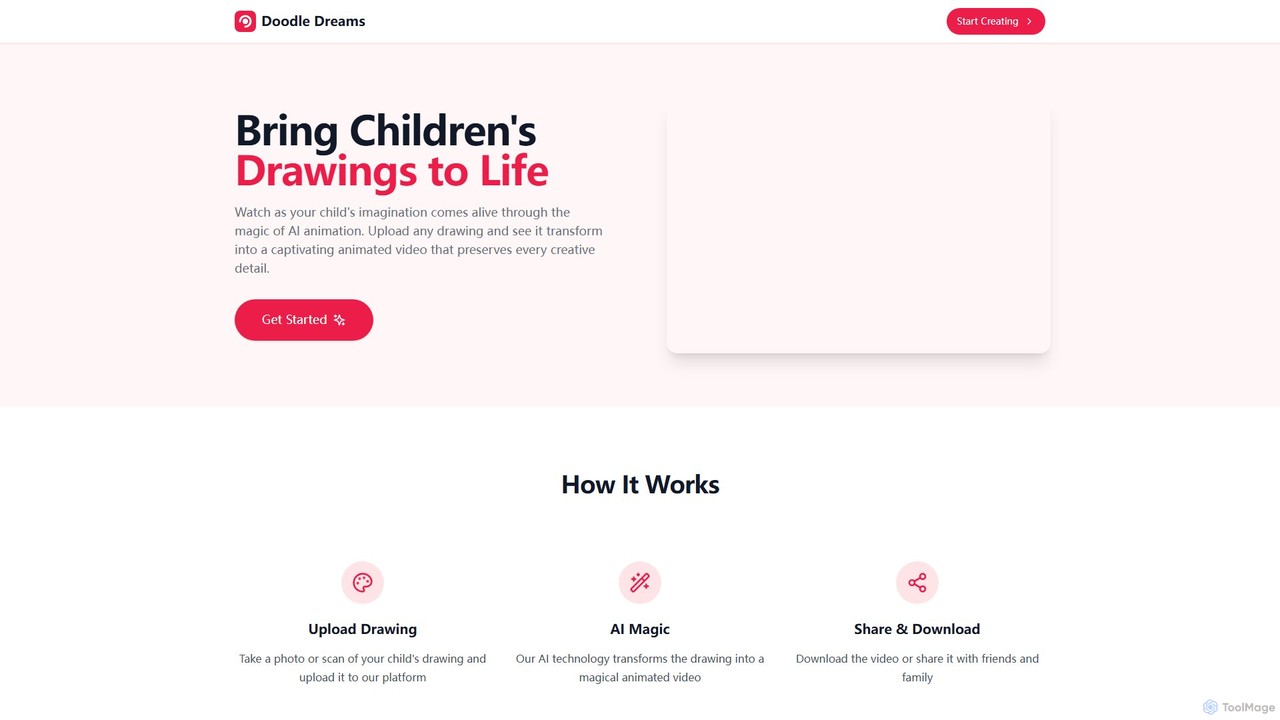
Image Animator use cases

1

Creating Dynamic Social Media Posts

Social media managers and content creators can use image animators to transform static brand images or infographics into engaging short video clips. By adding subtle motion to logos, text, or product shots, they can significantly increase viewer engagement and click-through rates on platforms like Instagram, Facebook, and TikTok, making their content stand out in crowded feeds.

2

Animating E-commerce Product Photos

E-commerce businesses can leverage image animators to make product listings more appealing. Instead of just static images, they can animate product features, show subtle movements of fabric, or highlight details with dynamic effects. This helps potential customers visualize the product better, leading to increased interest and potentially higher conversion rates on online stores.

3

Bringing Digital Art and Illustrations to Life

Digital artists and illustrators can use image animators to add a new dimension to their static artwork. By animating elements like hair, clothing, environmental effects (rain, smoke), or even subtle character movements, they can create captivating short animations or cinemagraphs. This allows them to showcase their art in a more dynamic and immersive way, perfect for portfolios or art exhibitions.

4

Enhancing Marketing Campaigns with Motion

Marketing professionals can integrate animated images into email campaigns, banner ads, and landing pages. An image animator can turn a static hero image into a subtle, attention-grabbing animation, or create animated call-to-action buttons. This helps to break through visual clutter, convey messages more effectively, and drive user interaction without the complexity of full video production.

5

Developing Engaging Educational Content

Educators and instructional designers can utilize image animators to make learning materials more interactive and memorable. Animating diagrams, historical photos, or scientific illustrations can help explain complex concepts more clearly and keep students engaged. This transforms passive viewing into an active learning experience, particularly beneficial for online courses and presentations.

6

Creating Unique Profile Pictures and Avatars

Individuals and personal brand creators can use image animators to generate unique, animated profile pictures or avatars for social media, gaming platforms, or personal websites. By adding subtle movements to a portrait or a custom illustration, they can express personality and stand out from static images, creating a more dynamic and memorable online presence.

Image Animator FAQ

What are AI Image Animator tools?

AI Image Animator tools are specialized software applications that use artificial intelligence to add motion and dynamic effects to static images, transforming them into short video clips or animated GIFs. They analyze the content of an image and intelligently apply various animation styles, from subtle movements like blinking eyes or flowing hair to more complex scene animations, making still visuals come alive.

How do AI Image Animators differ from AI Video Generators?

AI Image Animators primarily focus on adding motion to existing static images, creating short, looping animations or video clips from a single source. In contrast, AI Video Generators typically create entire video sequences from scratch based on text prompts, scripts, or a series of images, often involving scene changes, character interactions, and longer narratives. Image animators are ideal for quick enhancements of still visuals, while video generators are for more comprehensive video production.

What types of images can be animated using these tools?

AI Image Animators can typically animate a wide range of static image types. This includes photographs (portraits, landscapes, product shots), digital illustrations, concept art, paintings, and even graphic designs. The effectiveness of the animation often depends on the clarity and composition of the original image, with tools being able to identify and animate elements like faces, water, clouds, and specific objects.

What are the key features to look for in an Image Animator?

When choosing an Image Animator, look for a variety of animation styles (e.g., 3D camera effects, facial animation, background motion), high-quality output resolution, and intuitive user interface. Other important features include the ability to control animation intensity, options for loop creation, support for different output formats (GIF, MP4), and the capacity to animate specific objects or regions within an image.

Who can benefit from using AI Image Animators?

A wide range of users can benefit from AI Image Animators. This includes content creators looking to make social media posts more engaging, marketers aiming to enhance ad campaigns, e-commerce businesses wanting to showcase products dynamically, digital artists bringing their illustrations to life, and educators creating interactive learning materials. Essentially, anyone who wants to add a dynamic visual element to their static imagery can find these tools valuable.