Art Best in category 3 results Nft Generator AI Tool

Popular AI tools in the Nft Generator field of Art include nifty_nft、open_nft、AiBlocks, etc., helping you quickly improve efficiency.

nifty_nft

nifty_nft

An all-in-one AI-powered platform for creating, managing, and launching entire NFT collections. Generate unique art, automate metadata, and …

21.1M
AiBlocks

AiBlocks

AiBlocks is an innovative AI art generator specializing in the creation of digital assets for the Web3 space. …

2.8K
open_nft

open_nft

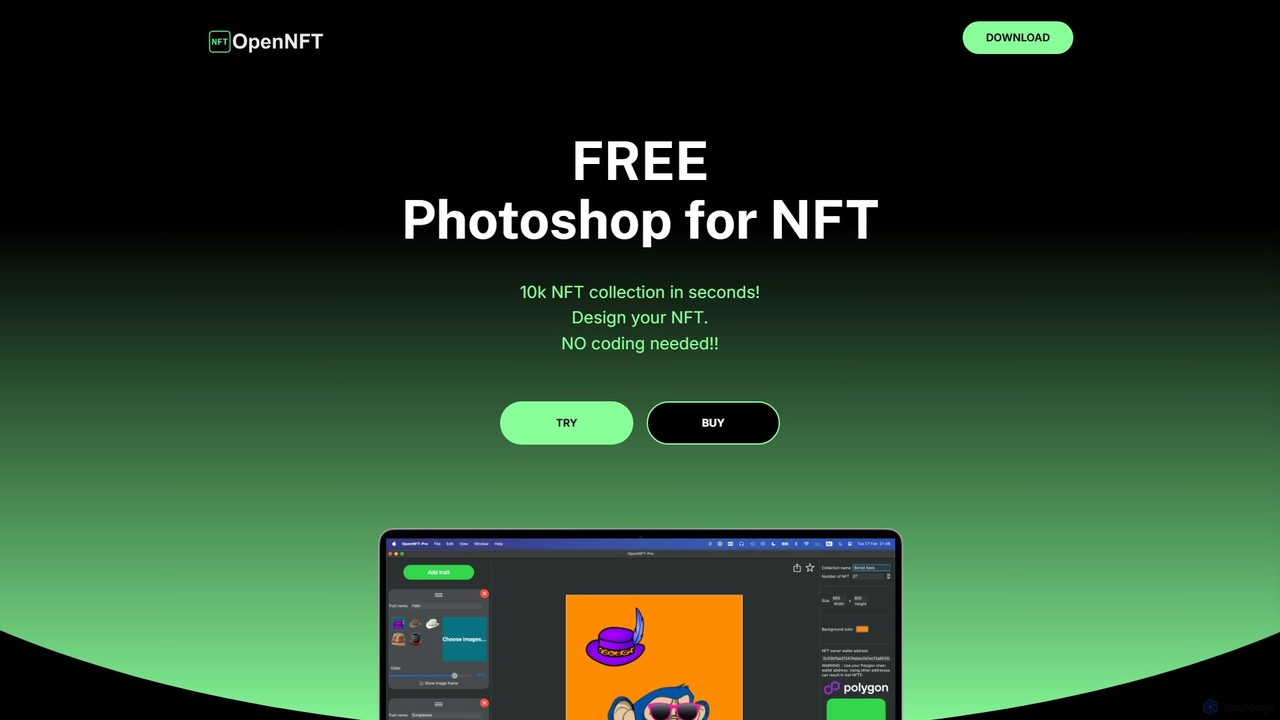
A powerful, no-code NFT generator software that allows artists and creators to generate thousands of unique NFTs for …

2.8K

About Nft Generator

NFT Generators are specialized AI-powered tools designed to create large-scale collections of unique digital assets for the blockchain. These platforms programmatically combine pre-designed art layers, such as backgrounds, characters, and accessories, to generate thousands of distinct variations. This automation is crucial for producing PFP (Profile Picture) projects and other generative art series efficiently. The core value of an NFT Generator lies in its ability to manage rarity and produce blockchain-ready metadata alongside each visual asset.

Core Features

  • Layer & Trait Management: Upload and organize individual art components (layers) and their variations (traits) that form the basis of the collection.
  • Rarity Control: Assign specific probabilities or weights to each trait, ensuring that some combinations are rarer and more valuable than others.
  • Batch Generation: Create hundreds or thousands of unique images from the defined layers and rarity rules in a single process.
  • Metadata Generation: Automatically produce corresponding metadata files (typically JSON) for each NFT, containing its attributes for smart contract integration.
  • Real-time Preview: Instantly visualize random combinations to test the aesthetic and identify potential conflicts between traits before final generation.

Use Cases

NFT Generators are essential for digital artists, creative agencies, game developers, and brands aiming to launch NFT collections. They are most commonly used for creating 10K PFP projects, generative art series, unique in-game items, and digital collectibles. The tools abstract away the complex combinatorial logic, allowing creators to focus on art and strategy.

How to Choose

When selecting an NFT Generator, evaluate its user interface for ease of use in managing layers and setting rarity. Check its compatibility for exporting metadata for your target blockchain (e.g., Ethereum, Solana). Consider advanced features like trait conflict rules (e.g., preventing a hat and headphones from appearing together) and the speed of the generation engine. Finally, review the pricing model, whether it's a one-time fee or subscription-based.

Nft GeneratorUse Cases

1

Create a PFP Avatar Collection

An artist or a community manager can use an NFT Generator to create a large-scale collection of 10,000 unique profile picture (PFP) avatars. They start by designing individual traits like backgrounds, body types, clothing, eyes, and accessories as separate image layers. Within the tool, they upload these layers and assign rarity percentages to each trait—for example, making a 'golden crown' accessory appear in only 1% of the collection. The generator then programmatically combines these layers according to the rarity rules, producing thousands of unique characters and their corresponding metadata files, ready for minting on a marketplace.

2

Generate Unique In-Game Items

A game developer can leverage an NFT Generator to create a vast array of unique in-game assets like swords, shields, or potions. Each component of an item (e.g., blade, hilt, gem for a sword) is created as a separate layer. The developer can set rarity rules to ensure that swords with a 'diamond gem' are much rarer than those with a 'ruby gem'. The tool generates thousands of visual variations and, crucially, outputs metadata for each item that defines its in-game stats (e.g., attack power, durability). This allows for the creation of a rich, player-driven economy based on verifiably unique and rare items.

3

Produce a Generative Art Series

A digital artist specializing in generative art can use an NFT Generator to produce a cohesive series of artworks. Instead of character traits, the layers might consist of different geometric shapes, color palettes, textures, and algorithmic patterns. The artist sets rules for how these elements can combine and their frequency of appearance. The generator then acts as a digital assistant, exploring the combinatorial space defined by the artist to produce hundreds of unique yet stylistically related pieces. This method allows the artist to scale their creative vision into a large collection suitable for exhibition and sale as NFTs.

4

Design NFT Membership Passes

A brand or exclusive club can use an NFT Generator to create unique digital membership passes. The base layer could be a standard pass design, with subsequent layers for membership tiers (e.g., Gold, Silver, Bronze), unique member numbers, and special visual flairs. By setting the rarity, the 'Gold' tier passes can be made visually distinct and limited in number. The generated metadata for each pass can include specific utility information, such as access rights or discount levels, which can be read by smart contracts to grant members their specific perks. This automates the creation of a tiered, visually diverse, and functional membership system.

5

Create Collectible Digital Trading Cards

An IP holder, like a comic book creator or a sports league, can use an NFT Generator to launch a series of digital trading cards. The layers would include different characters, backgrounds, poses, special effects (e.g., holographic foil), and edition numbers. The rarity engine is used to control the distribution of common, uncommon, and ultra-rare cards within the generated set. For example, a 'legendary' character pose might be set to appear only 10 times in a 10,000-card collection. The tool streamlines the production of the entire series, ensuring each card is verifiably unique and adheres to the planned rarity distribution.

6

Prototype and Test NFT Concepts

Before committing to a full-scale 10K collection launch, a project manager or designer can use an NFT Generator for rapid prototyping. They can upload a preliminary set of art traits to quickly generate a sample batch of 100-200 NFTs. This allows the team to visually inspect for undesirable trait combinations, check the overall aesthetic balance, and validate the rarity distribution. The real-time preview feature is especially useful for iterating on the fly. This process significantly de-risks the project, ensuring the final, large-scale generation will meet creative and quality standards without costly rework.

Nft GeneratorFrequently Asked Questions