
ToolMage
Sign in

Best 1 Story Generation AI tools for Art

Popular Story Generation AI tools in Art include yourownstorybook, helping you work more efficiently.

yourownstorybook
Paid

yourownstorybook

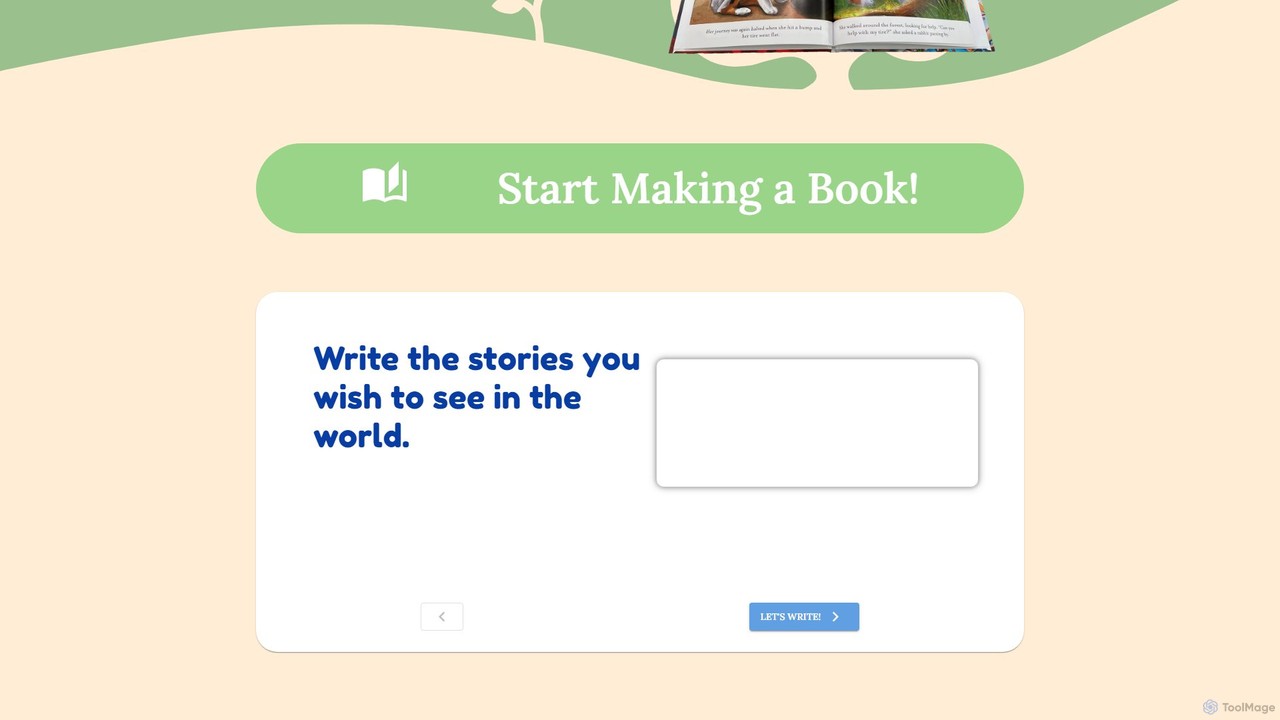
yourownstorybook is an AI-powered platform that transforms your pet into the hero of a unique, personalized storybook. Simply provide details about your pet, and our AI will generate a captivating narrative with custom illustrations. You can receive your story as a digital eBook or a beautifully printed hardcover keepsake, making it a perfect gift for pet lovers and a magical way to immortalize your furry friend's adventures.

Story Generation
Visits 6.1KFavorites 126Likes 131

About Story Generation

Story Generation tools are AI-powered platforms that automatically create narratives, plots, and character backstories. Leveraging advanced natural language processing (NLP) and machine learning, they assist writers, game developers, and marketers in overcoming creative blocks and accelerating content production. These tools offer a unique blend of algorithmic creativity and user-guided customization, transforming initial ideas into coherent story arcs within the broader category of AI art and content creation.

Core Features

  • Plot Development: Generates intricate plotlines, twists, and story arcs based on user prompts.
  • Character Creation: Develops detailed character profiles, backstories, and personality traits.
  • Dialogue Generation: Crafts natural and contextually appropriate dialogues for characters.
  • World-Building: Assists in creating rich, consistent fictional worlds with unique settings and lore.
  • Style Adaptation: Adapts writing style and tone to match specific genres or authorial voices.

Applicable Scenarios

Story Generation tools are invaluable for content creators, game designers, and educators. They are used by novelists to outline complex plots, by screenwriters to brainstorm scene ideas, and by game developers to create immersive narratives and character interactions for their virtual worlds.

How to Choose

When selecting a Story Generation tool, consider its genre support, the depth of customization options for plot and characters, the quality and coherence of generated output, and its integration capabilities with existing writing or development workflows. Evaluate the user interface for ease of use and the pricing model based on your usage needs.

Story Generation use cases

1

Overcoming Writer's Block for Novelists

A novelist struggling with a plot twist or character development can input their existing story elements into a Story Generation tool. The AI then suggests multiple creative directions, new subplots, or character arcs, helping the writer break through creative stagnation and continue their manuscript with fresh ideas, saving days of brainstorming.

2

Rapid Prototyping Game Narratives

Game designers need to quickly iterate on story concepts for new games. By using Story Generation tools, they can input core themes, character archetypes, and desired game mechanics to generate multiple branching storylines, character dialogues, and lore snippets. This allows for rapid prototyping and testing of narrative structures, significantly reducing the time spent on initial story development from weeks to days.

3

Crafting Engaging Marketing Campaign Stories

Marketing teams often need compelling narratives to connect with their audience. A Story Generation tool can take product features, target demographics, and campaign goals as input to create brand stories, ad copy, or social media narratives that evoke emotion and drive engagement. This streamlines content creation for various marketing channels, allowing marketers to generate diverse story angles in a fraction of the time.

4

Developing Educational Content and Scenarios

Educators and instructional designers can leverage Story Generation tools to create engaging learning materials. By inputting educational topics, target age groups, and learning objectives, the AI can generate short stories, case studies, or interactive scenarios that make complex subjects more relatable and memorable. This enhances student engagement and comprehension, providing diverse narrative examples for various subjects.

5

Generating Creative Prompts for Writers' Workshops

Facilitators of writers' workshops or creative writing classes can use Story Generation tools to produce unique and inspiring prompts. Instead of relying on generic ideas, they can input specific themes, settings, or character types to generate a fresh batch of starting points for participants. This ensures a diverse range of creative exercises and helps participants explore new narrative territories, fostering innovation.

6

Personalized Storytelling for Entertainment

Individuals seeking personalized entertainment can use Story Generation tools to create unique narratives tailored to their preferences. By inputting desired genres, character traits, or plot elements, users can generate custom short stories, fan fiction, or even interactive adventures. This offers a novel form of entertainment, allowing users to become co-creators of their ideal stories and explore endless narrative possibilities.

Story Generation FAQ

What are Story Generation tools?

Story Generation tools are AI-powered software designed to automatically create narratives, plots, and character details. They leverage natural language processing and machine learning to understand prompts and generate coherent, creative text. These tools are primarily used to assist in creative writing, game development, and content marketing by providing ideas, outlines, or complete story drafts.

How do Story Generation tools work?

Story Generation tools typically work by taking user inputs, such as keywords, themes, genre preferences, or initial plot points. These inputs are then processed by large language models (LLMs) trained on vast datasets of text. The AI analyzes the input and generates new text that follows the specified parameters, creating characters, dialogues, and plot developments. Users can often refine the output through iterative prompting.

Who benefits most from Story Generation AI?

A wide range of individuals and professionals benefit from Story Generation AI. This includes novelists, screenwriters, and short story writers looking for inspiration or to overcome writer's block. Game developers use it for rapid narrative prototyping and world-building. Marketers leverage it for compelling brand storytelling, and educators find it useful for creating engaging learning scenarios. Essentially, anyone involved in creative content production can benefit.

What's the difference between Story Generation and general AI writing assistants?

While both generate text, Story Generation tools are specifically designed for narrative structures, focusing on plot, character development, dialogue, and world-building. General AI writing assistants, like those for content creation or summarization, are broader in scope, handling various text types from emails to articles without a specific emphasis on storytelling elements. Story Generation tools offer deeper, more specialized features for narrative construction.

What should I look for when choosing a Story Generation tool?

When selecting a Story Generation tool, prioritize its ability to generate coherent and engaging narratives relevant to your genre. Look for robust customization options for characters, settings, and plot points. Consider the quality of its dialogue generation and its capacity for world-building. Integration with other writing software, ease of use, and the pricing model (free, subscription, or pay-per-use) are also crucial factors to ensure it fits your workflow and budget.

Can Story Generation AI create stories in different genres?

Yes, most advanced Story Generation AI tools are capable of creating stories across a wide array of genres. Users can typically specify genres like fantasy, sci-fi, mystery, romance, horror, or historical fiction in their prompts. The AI, having been trained on diverse textual data, can adapt its language, tone, and narrative conventions to match the chosen genre, producing outputs that feel authentic to that style. However, the quality can vary between tools and genres.